
What is Branch Circuit?
Branch Circuit is the wiring section that carries electricity from a circuit breaker or fuse to outlets, lights, appliances, or other connected loads. A branch circuit includes the circuit conductors, grounding path, overcurrent protection, and connected equipment. Its rating must match the wire size, breaker size, and expected electrical load.
Quick Facts About Branch Circuit
Category
Electrical distribution circuit
Used for
Outlets, lighting, and equipment
Common confusion
A branch circuit is not the same as the service entrance.
Main risk
Overload, short circuit, or improper protection
Also called
Branch circuit wiring, Final circuit
Often discussed with
Dedicated Circuit Installation, Electrical Troubleshooting
Key Takeaways About Branch Circuit
- A branch circuit runs from a panel overcurrent device to connected outlets, lights, or equipment.
- The breaker, wire size, and connected load must be compatible with one another.
- A dedicated branch circuit serves one major appliance or piece of equipment.
- Grounding and bonding provide a safer path for fault current during equipment failures.
- Overloaded circuits can trip breakers, overheat wiring, or create fire hazards.
Understanding Branch Circuit
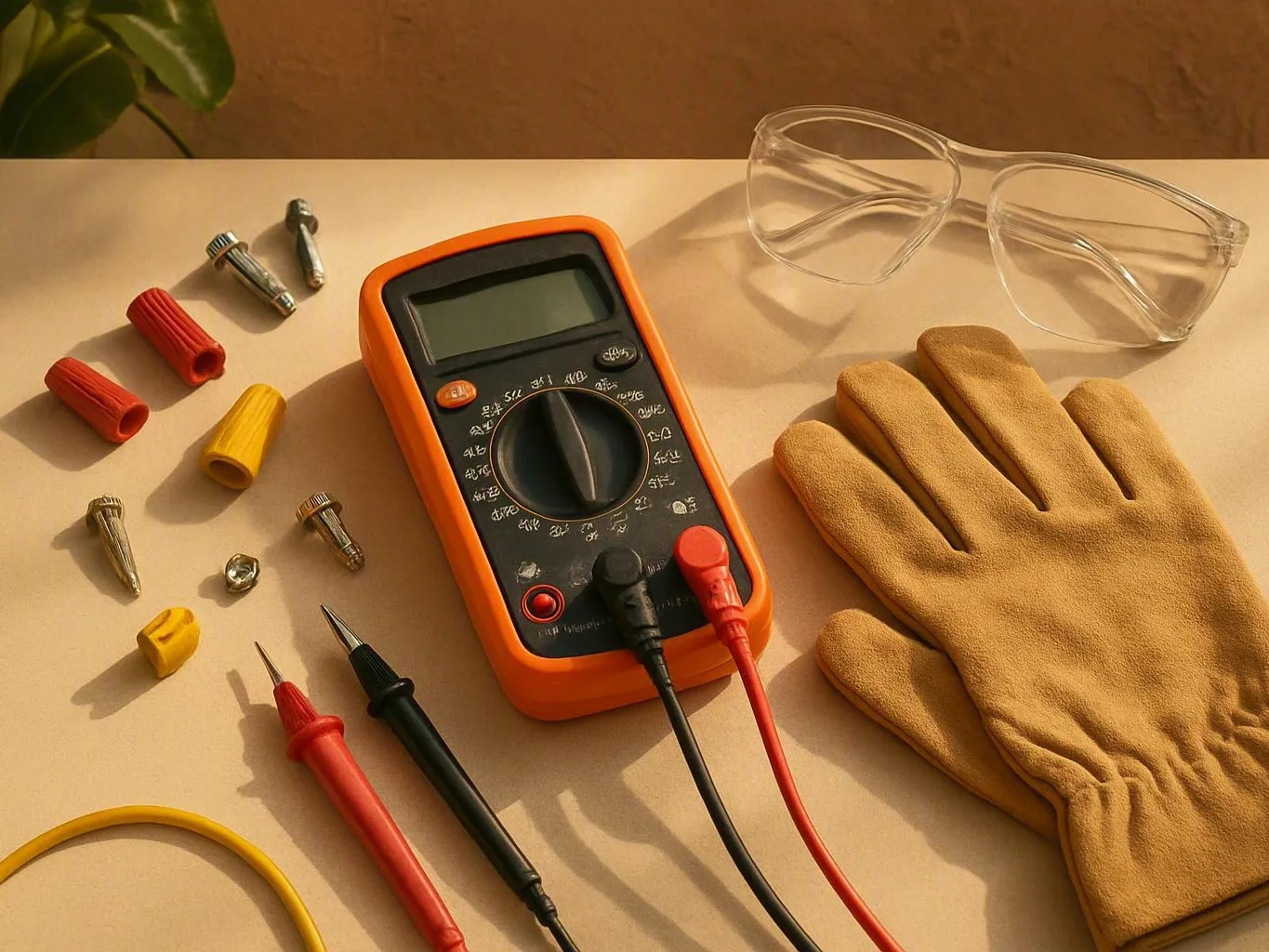
Branch Circuit means part of an electrical system. It extends from a panelboard circuit breaker or fuse. It reaches the final outlets, lights, appliances, or equipment. It supplies power to a defined area or purpose inside a building. The circuit normally includes ungrounded conductors, a neutral conductor when needed, an equipment grounding conductor, and overcurrent protection.
Related glossary terms: Ampacity, Arc-Fault Circuit Interrupter, Electrical Panel.
A branch circuit differs from the service entrance. The service entrance brings electricity from the utility into the building. It also differs from a feeder. A feeder carries power from a service or distribution panel. It sends power to another panel or large load. Common branch circuit examples include a 120-volt lighting circuit, a 15-amp receptacle circuit, and a 240-volt circuit. The 240-volt circuit serves an electric range or air-conditioning unit.
How Branch Circuit Works, Is Measured, or Is Used?
Power leaves the electrical panel through a breaker or fuse. It travels along the circuit conductors to the connected load. Current returns through the neutral on many 120-volt circuits. A 240-volt load may use two ungrounded conductors. The equipment grounding conductor normally carries current only during a fault. It directs fault current back toward the source. This lets the protective device open.
Electricians size a branch circuit by comparing the expected load with conductor ampacity. They also check overcurrent protection. Ohm's law relates voltage, current, and resistance. Power calculations often use watts divided by volts to estimate current. A 1,500-watt load on a 120-volt circuit draws about 12.5 amps. This estimate excludes other connected loads. Circuit design also considers wire gauge, voltage drop, conductor temperature ratings, and the equipment manufacturer's instructions.
Some circuits serve several general-use outlets or lights. A dedicated circuitserves one appliance or piece of equipment. That equipment needs its own capacity, such as a water heater, dishwasher, pump, or electric vehicle charger. Kitchens, bathrooms, garages, outdoor areas, and other locations may require special protection. This protection can include.ground-fault circuit interrupter or an arc-fault circuit interrupter. Requirements depend on the installation and applicable code.
Why Branch Circuit Matters?
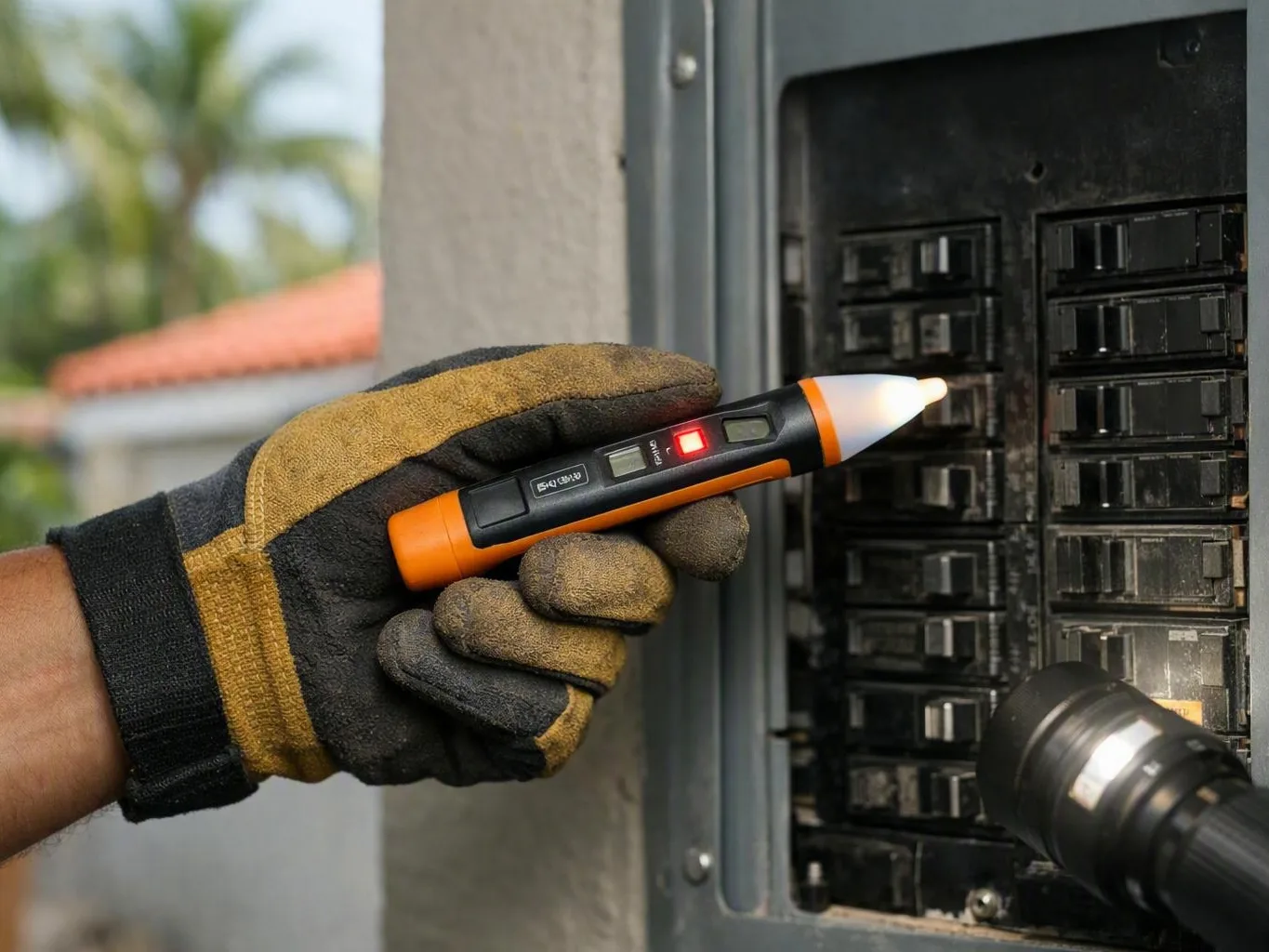
Branch circuit design affects electrical safety, reliability, and equipment speed. A circuit with too much connected load may trip repeatedly. It may also heat conductors or cause voltage problems at the equipment. A breaker that's too large for the conductor can allow unsafe current. This increases fire risk.
Correct circuit identification also supports safe repairs and future changes. A clear panel directory helps you shut off the right circuit before work begins. Accurate testing confirms whether power remains present. Grounding, bonding, correct polarity, and secure terminations matter. A circuit can appear to work while still having a dangerous fault condition.
When Branch Circuit Matters Most?
Branch circuits require close review during remodeling, appliance replacement, panel work, and troubleshooting. A new high-demand appliance may need a dedicated circuit. It may not work safely on an existing general-use circuit. Older wiring may also have damaged insulation, shared neutrals, loose connections, or protection that no longer matches the installed conductors.
Pay attention when a breaker trips often, an outlet feels warm, lights dim when equipment starts, or a burning odor comes from a receptacle or panel. Stop using the affected circuit if you see smoke, hear arcing, or find heat damage. In Miami, moisture, storms, outdoor equipment, and flood exposure can make proper protection especially important. Enclosure selection and inspection also matter. Local work may require permits and compliance with the adopted National Electrical Code and Florida requirements.
How to Evaluate Branch Circuit?
- Check whether the breaker rating matches the conductor ampacity and installed wire gauge.
- Confirm that the panel directory identifies each branch circuit accurately.
- Measure operating voltage and inspect for excessive voltage drop under normal load.
- Look for warm outlets, repeated breaker trips, loose terminals, damaged insulation, or discoloration.
- Verify required GFCI or AFCI protection for the location and equipment.
Related Concepts Compared
Branch Circuit vs. Feeder
A feeder carries power from a service or distribution panel to another panel or large load. A branch circuit carries power from the final overcurrent device to outlets or equipment.
Branch Circuit vs. Service Entrance
The service entrance connects the utility supply to the building's service equipment. A branch circuit distributes power within the building after service equipment and panel protection.
Branch Circuit vs. Dedicated Circuit
A dedicated circuit is a branch circuit assigned to one appliance or load. Not every branch circuit is dedicated. Because many general-use circuits serve several outlets or lights.
Branch Circuit vs. Circuit Breaker
A circuit breaker is a protective switching device. A branch circuit is the wiring and connected load protected by that device.
Expert Note
A breaker that never trips does not prove that a branch circuit is safe. Heat damage, loose terminations, incorrect wire size, and poor grounding can remain hidden during normal use, so inspection and testing should include connections and fault protection.
Common Mistakes or Myths About Branch Circuit
- Installing a larger breaker without confirming that the existing conductors can safely carry the added current.
- Assuming every outlet in a room shares one branch circuit.
- Treating a tripping breaker as a nuisance instead of investigating the connected load or fault.
- Using a regular receptacle where GFCI or AFCI protection is required.
- Failing to update the panel directory after circuit changes.
Branch Circuit in Practice: A Real-World Example
A kitchen has a 20-amp branch circuit serving several countertop receptacles. A new microwave draws enough current to trip the breaker when a toaster runs at the same time, so the microwave may need a properly sized dedicated circuit after the load and wiring are evaluated.
Sources & Further Reading on Branch Circuit
- Occupational Safety and Health Administration, Electrical Standards
- Florida Building Commission, Florida Building Code Resources
- National Fire Protection Association, National Electrical Code
Related Terms
Ampacity
Ampacity is the maximum continuous current, measured in amperes, that a conductor can carry safely under…
Arc-Fault Circuit Interrupter
Arc-Fault Circuit Interrupter is a protective device that detects dangerous electrical arcing and disconnects power before…
Electrical Panel
Electrical Panel is the enclosure that receives electrical power from a utility service or other source…
Equipment Grounding Conductor
Equipment Grounding Conductor is a wire or conductive path that connects non-current-carrying metal parts of electrical…
Earth Electric
Have Questions About Branch Circuit?
Contact Earth Electric for practical guidance on Branch Circuit and related 24 hour electrician work in Miami.