Flickering or Dimming Lights: Signs of Wiring or Panel Problems
Flickering or dimming lights can signal an electrical problem involving wiring, circuits, or the electrical panel, and Earth Electric can diagnose and repair the cause.
Get a Free Estimate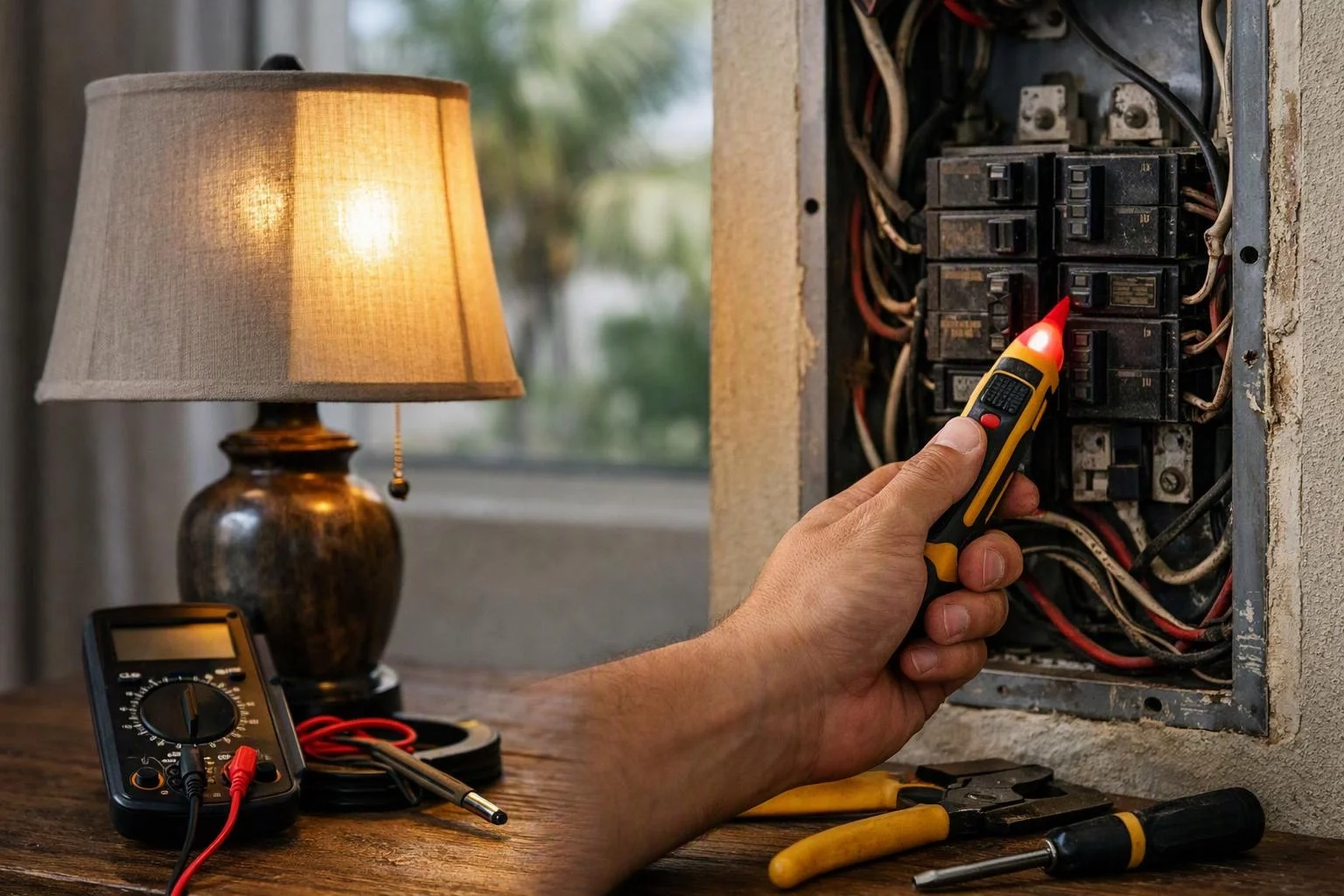
Can Flickering or Dimming Lights Mean There Is an Electrical Problem?
Yes, flickering or dimming lights can indicate a loose connection, overloaded circuit, failing component, or electrical panel problem. Earth Electric traces the symptom to the affected lighting circuit and checks the related wiring before recommending a repair.
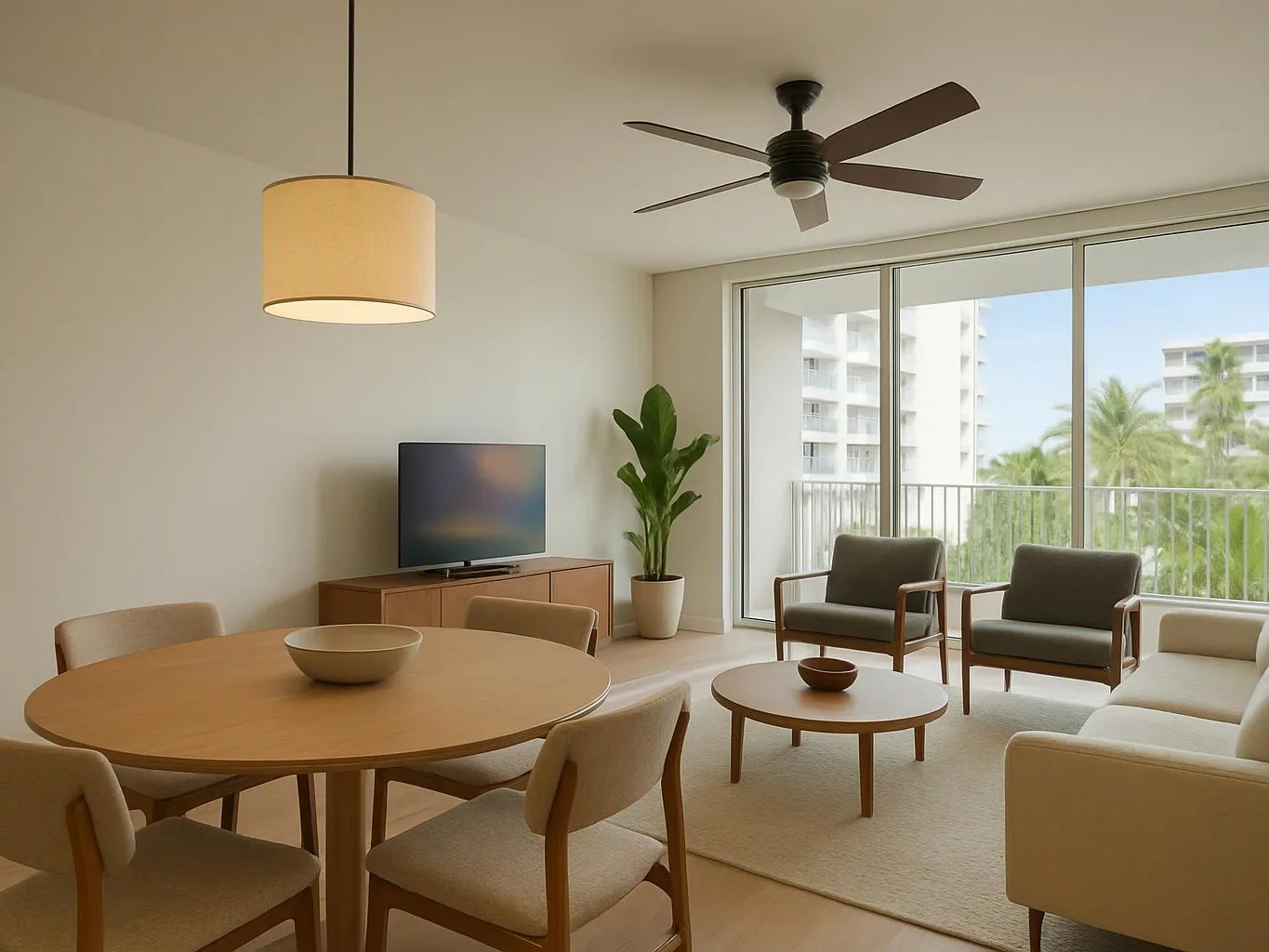
Flickering lights may blink, pulse, or lose brightness for a moment. Dimming lights may point to voltage fluctuation when the circuit load changes, especially when an appliance starts.
Warning Signs That Point to Wiring or Panel Trouble
Warning signs can show whether the problem is limited to one light or affects a larger part of the electrical system. Our team uses these details to focus the electrical inspection and protect electrical safety.
These signs should not be ignored when they repeat or appear together. We inspect the affected circuit and determine whether electrical wiring repair or electrical panel repair is needed.
What Causes Lights to Flicker or Dim?
Loose wiring connections are a common cause of unstable lighting, but damaged wiring, an overloaded circuit, or a faulty light fixture can also create the symptom. We test the circuit so the repair addresses the electrical fault instead of only changing the bulb.
A faulty light switch can interrupt power to one fixture. A loose neutral connection can affect several lights and create more serious voltage changes across a branch circuit.
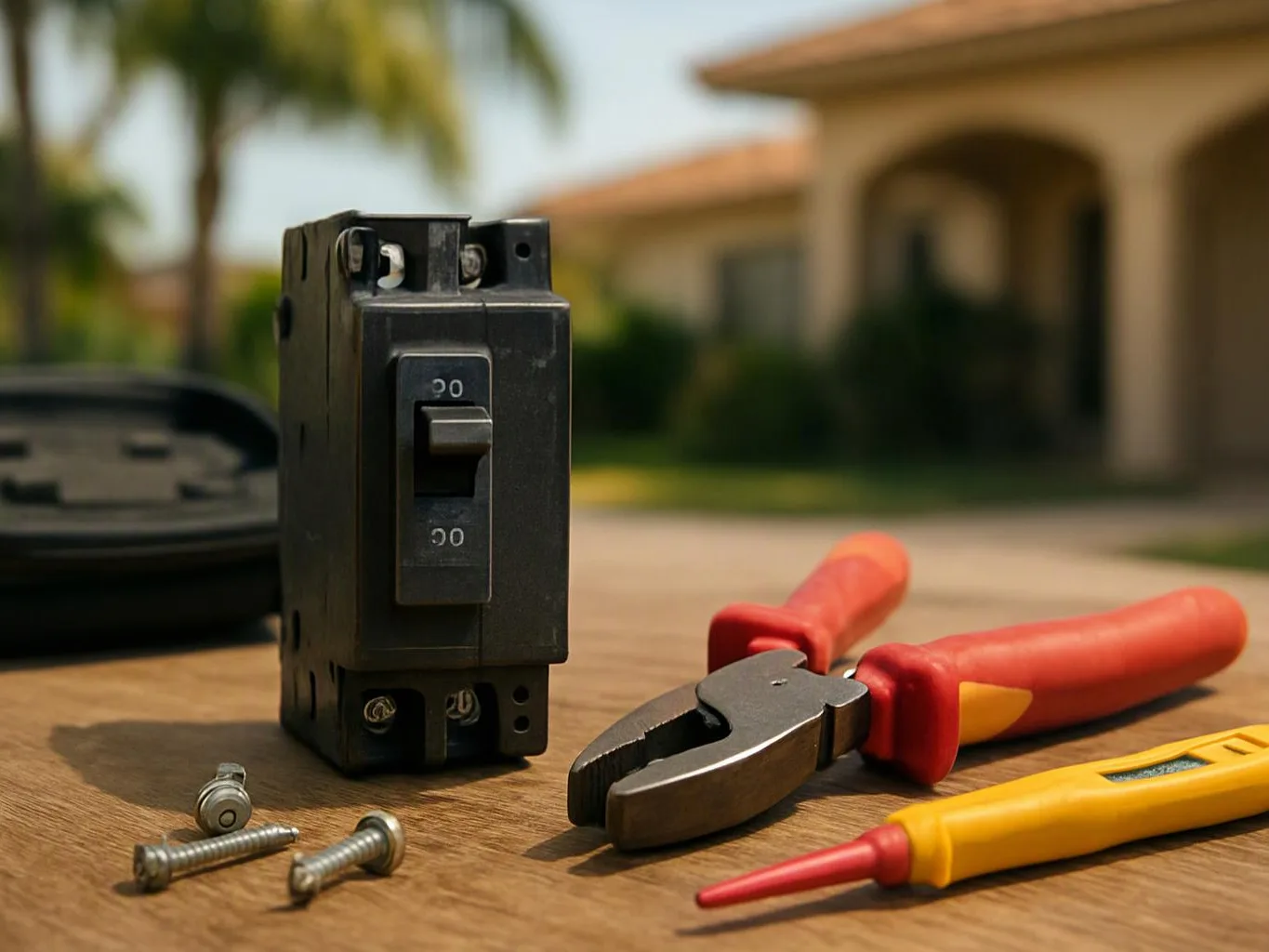
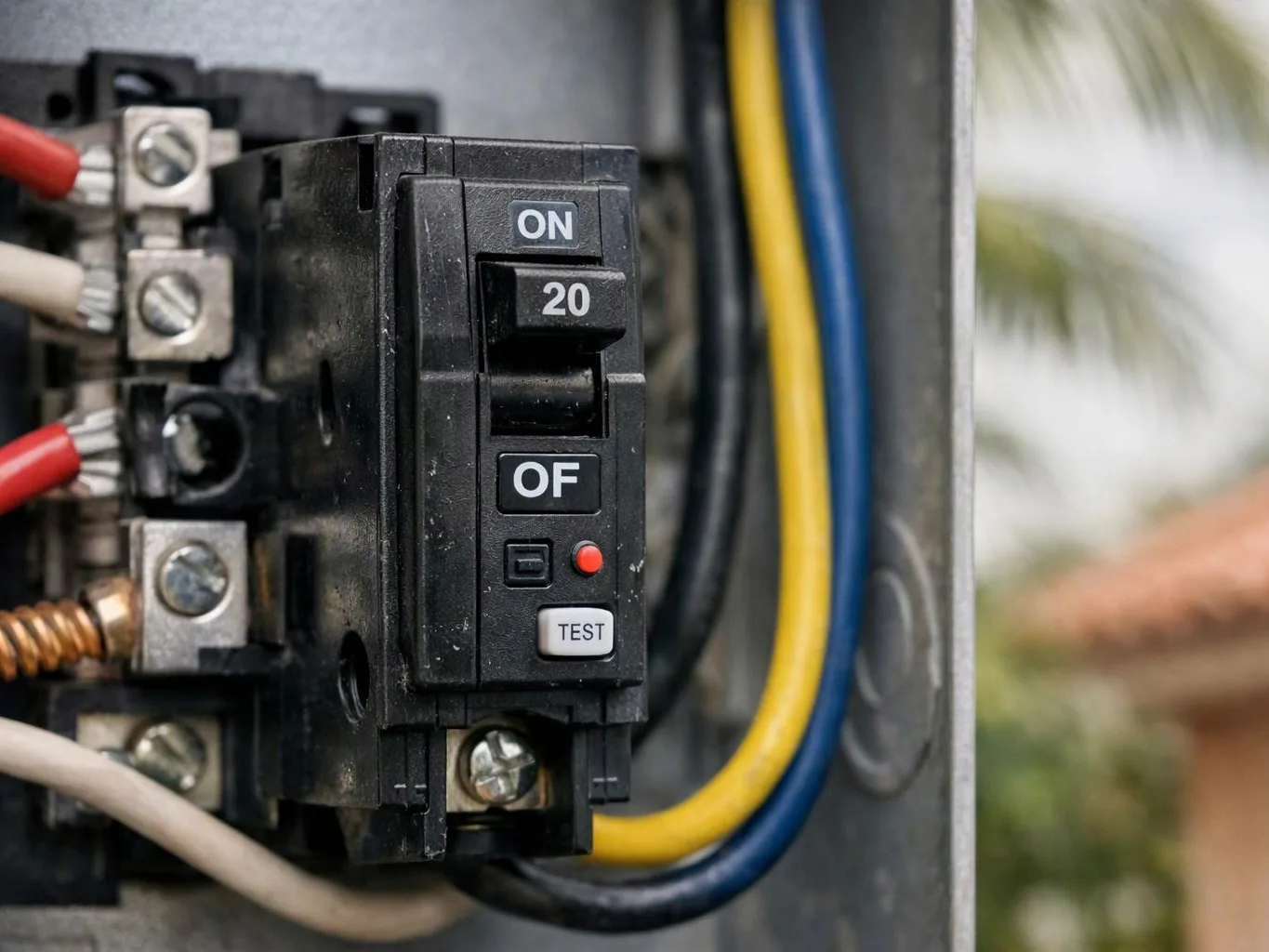
The circuit breaker and electrical panel also matter because they distribute power and respond to circuit load. Our team includes panel inspection and wiring connection checks when the pattern suggests a panel-related flicker.
What Does the Pattern of Flickering Tell You?
A single light fixture usually points to the bulb, fixture, switch, or wiring serving that fixture. We check the light fixture and its connections before expanding the inspection to the rest of the branch circuit.
Multiple lights on one branch circuit may share a loose connection, overloaded circuit, or breaker issue. Whole-home flickering can involve the service connection, a loose neutral, or another issue beyond one lighting circuit.
Appliance-related dimming occurs when a motor or heating element changes the circuit load. Our team tests the affected circuits and checks whether the panel and service connection are supplying stable power.
What Can You Check Yourself, and When Should We Inspect It?
Safe observation can help you describe the problem, but electrical troubleshooting beyond simple visual checks can expose you to shock or fire risk. You can note which lights flicker, whether an appliance triggers the change, and whether you notice heat, odor, buzzing, or a tripped breaker.
Do not remove panel covers, tighten live wiring, or open switches and outlets. We handle electrical wiring repair, electrical panel repair, and electrical panel upgrade work after testing the system.
| Factor | What you can do yourself | What we do |
|---|---|---|
| Pattern | Record whether one light, several lights, or the whole home is affected. | Trace the pattern through the lighting circuit, branch circuit, panel, or service connection. |
| Visible condition | Look for smoke, sparking, heat, burning odor, or damage without touching electrical parts. | Inspect wiring connections, devices, damaged conductors, and panel components. |
| Breaker activity | Note whether a circuit breaker trips and leave damaged equipment alone. | Test the breaker and circuit to identify overloads, faults, or connection problems. |
| Repair decision | Replace a bulb only when the fixture is safe and the bulb is clearly the issue. | Recommend the needed repair, circuit correction, breaker replacement, or panel work. |
Changing a bulb can help when the bulb itself is failing, but it will not correct loose wiring or a panel fault. We inspect recurring flickering when the symptom continues after a safe bulb change.
How We Diagnose Flickering or Dimming Lights
Our electrical troubleshooting process follows the symptom from the light fixture to the circuit and electrical panel. We explain what we find and connect each recommended repair to the tested fault.
Testing helps separate a faulty light fixture from a wider electrical fault. Our team then outlines the safest repair path based on the condition of the wiring and panel.
When Should Flickering Lights Be Treated as an Emergency?
Flickering lights require urgent electrical attention when they occur with smoke, sparking, burning odors, heat, or signs of damaged wiring. These symptoms can raise electrical fire risk or indicate an unsafe energized component.
Turn off the affected equipment if you can do so safely, keep away from smoke or sparks, and contact emergency services if there is an active fire. Earth Electric can assess the electrical fault once the area is safe to enter.
A hot electrical panel, electric shock, or repeated breaker activity also requires prompt attention. Do not touch damaged electrical parts or remove a panel cover.
What Happens After We Find the Electrical Fault?
Electrical wiring repair corrects loose connections, damaged conductors, damaged insulation, or other wiring defects we identify during testing. We secure or replace affected components according to the condition of the circuit.
Electrical panel repair may involve correcting a connection, addressing a bus bar issue, or replacing a circuit breaker. We verify the circuit after the repair so the lighting symptom is addressed at its source.
An electrical panel upgrade may be appropriate when the existing panel cannot support the circuit capacity or current electrical needs. Our team explains the scope, the affected circuits, and the work included before proceeding.
How Can You Request an Electrical Troubleshooting Estimate?
Electrical troubleshooting estimates depend on the affected fixtures, circuit access, wiring condition, panel condition, and repair scope. You can contact Electrical Troubleshooting through Earth Electric to describe the flickering or dimming pattern and request an assessment.
Free Estimates Available. Our team uses the inspection findings to explain the recommended electrical wiring repair, electrical panel repair, or electrical panel upgrade before work begins.
Earth Electric is ready to review the warning signs and help you choose a safe next step.
Questions About Flickering or Dimming Lights
Are flickering lights dangerous?
Flickering lights can be dangerous when they occur with heat, smoke, sparking, burning smell, buzzing sound, or damaged wiring. Earth Electric checks the affected circuit and panel to identify the electrical fault.
Why do lights flicker when an appliance turns on?
Lights can flicker when an appliance changes the circuit load and causes voltage drop or exposes a weak connection. We test the appliance-related circuit and inspect the panel when the dimming affects other lights.
Why are multiple lights flickering at the same time?
Multiple lights can flicker together when they share a branch circuit, neutral connection, electrical panel component, or service connection. Our team traces the affected circuits to determine whether the issue is local or system-wide.
Can a loose neutral cause flickering lights?
Yes, a loose neutral can cause unstable lighting and voltage fluctuation across connected circuits. We test the neutral connections and related panel components because this condition can create a serious electrical safety concern.
Should I turn off the breaker if lights are flickering?
You should turn off the affected breaker only when you can identify it and operate it safely without touching damaged equipment. Leave the area and contact Earth Electric when you notice smoke, sparking, heat, or a burning odor.
Can changing a light bulb fix flickering?
Changing a light bulb can fix flickering caused by a failing or incompatible bulb. Repeated flickering after a safe bulb change can indicate a light fixture, light switch, wiring, circuit breaker, or electrical panel problem.
Related Resources
How Much Does a 24-Hour Emergency Electrician Cost in Miami?
What It CostsElectrical Panel Upgrade Cost in Miami: Options, Price Factors, and Timeline
What It CostsEV-Ready Electrical Installation: Costs, Capacity, and Project Steps
What It CostsEV Charger Installation Cost Factors: Wiring, Dedicated Circuits, and Installation Scope