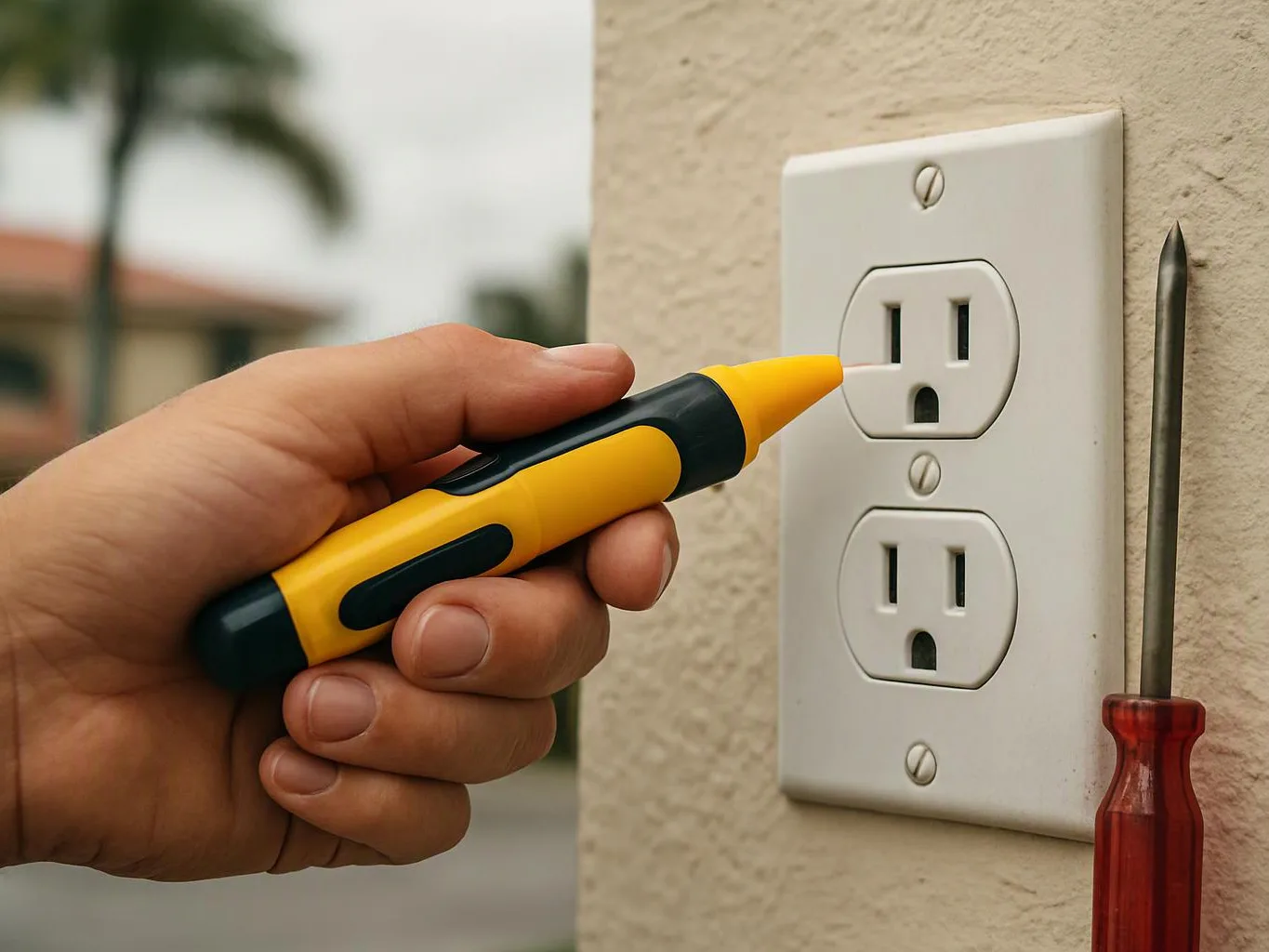
Best Emergency Electrical Repair Options for Urgent, Budget & Long-Term Projects in Miami
Emergency Electrical Repair options by budget in Miami depend on immediate safety risks, the failed electrical component, and whether the repair should support a lasting upgrade; Earth Electric assesses the fault, explains the repair path, and provides Free Estimates Available.
Get a Free EstimateWhich Emergency Electrical Repair Option Fits Your Project?
The right emergency electrical repair option depends on whether the immediate priority is containing a safety risk, restoring one failed function, or correcting an underlying electrical problem.
Urgent electrical repair focuses on a hazard that needs prompt attention. A budget repair may restore one defined function, while a long-term electrical project addresses broader reliability, capacity, or safety concerns in Miami. We connect the repair scope to the actual electrical fault.
Options at a Glance
Earth Electric can assess the issue through Emergency Electrical Repair and explain which path matches the risk, affected component, and project goal.
How Do Urgent, Budget, and Long-Term Repair Paths Compare?
An urgent repair addresses the immediate hazard, a targeted repair restores a defined component, and a long-term project addresses broader electrical reliability or safety needs.
The best option depends on what our electrical troubleshooting finds. A temporary power interruption may have a different repair scope from a damaged circuit that continues to trip.
| Option / System | Best For | Typical Lifespan / Turnaround | Key Trade-Offs |
|---|---|---|---|
| Urgent repair | Immediate heat, smoke, arcing, shock, or unsafe power loss | Depends on the fault and safe access to the affected circuit | Controls the immediate risk but may not address wider system needs |
| Targeted repair | One outlet, circuit breaker, switch, or wiring fault | Depends on the replacement component and fault location | Keeps the scope focused, but recurring faults may call for more work |
| Electrical upgrade | Capacity, reliability, or protective-device concerns | Depends on the existing electrical system and planned scope | Supports broader goals but requires more planning and materials |
| Electrical troubleshooting and safety inspection | Unclear faults, repeated trips, or hidden safety concerns | Depends on circuit access and the number of affected components | Clarifies the cause before repair but does not replace needed corrective work |
| Whole house rewiring | Broad, aging, or damaged wiring concerns | Depends on property access, wiring condition, and project scope | Addresses wider system needs but involves a larger planned project |
How to Compare the Repair Paths
What Signs Mean You Need Emergency Electrical Repair?
Emergency Electrical Repair becomes the priority when an electrical fault creates signs of heat, arcing, smoke, shock, or loss of safe circuit operation. Move away from the hazard and avoid using the affected equipment.
We treat these symptoms as clues to the affected circuit, not as a reason to keep resetting power. Our team isolates the circuit and checks for the source of the fault.
What Common Causes Lead to an Electrical Emergency?
Electrical emergencies commonly result from overloaded circuits, damaged wiring, failed protective devices, moisture exposure, or storm-related faults. Our crew traces the cause before recommending the repair.
Earth Electric uses electrical troubleshooting to separate the visible symptom from the underlying electrical fault. That distinction helps keep a budget repair from missing a wider safety concern.
How We Assess the Repair Before Recommending a Budget Path
Earth Electric identifies the affected circuit, checks the visible electrical components, traces the fault, and matches the recommendation to the immediate risk and project objective.
Our team begins with circuit isolation so the unsafe area does not remain energized during the assessment. We examine the circuit breaker, electrical panel, wiring, outlets, and connected equipment that may relate to the symptom.
A safety assessment then separates immediate correction from optional long-term work. We explain whether the findings support circuit breaker repair, electrical panel repair, wiring repair, or a broader recommendation.
What Can You Safely Do Before Electrical Repair Begins?
Electrical safety begins with moving away from the hazard and avoiding damaged equipment. Shut off power only when the main disconnect or circuit breaker is safely accessible and doing so does not expose you to water, smoke, fire, or contact with damaged parts.
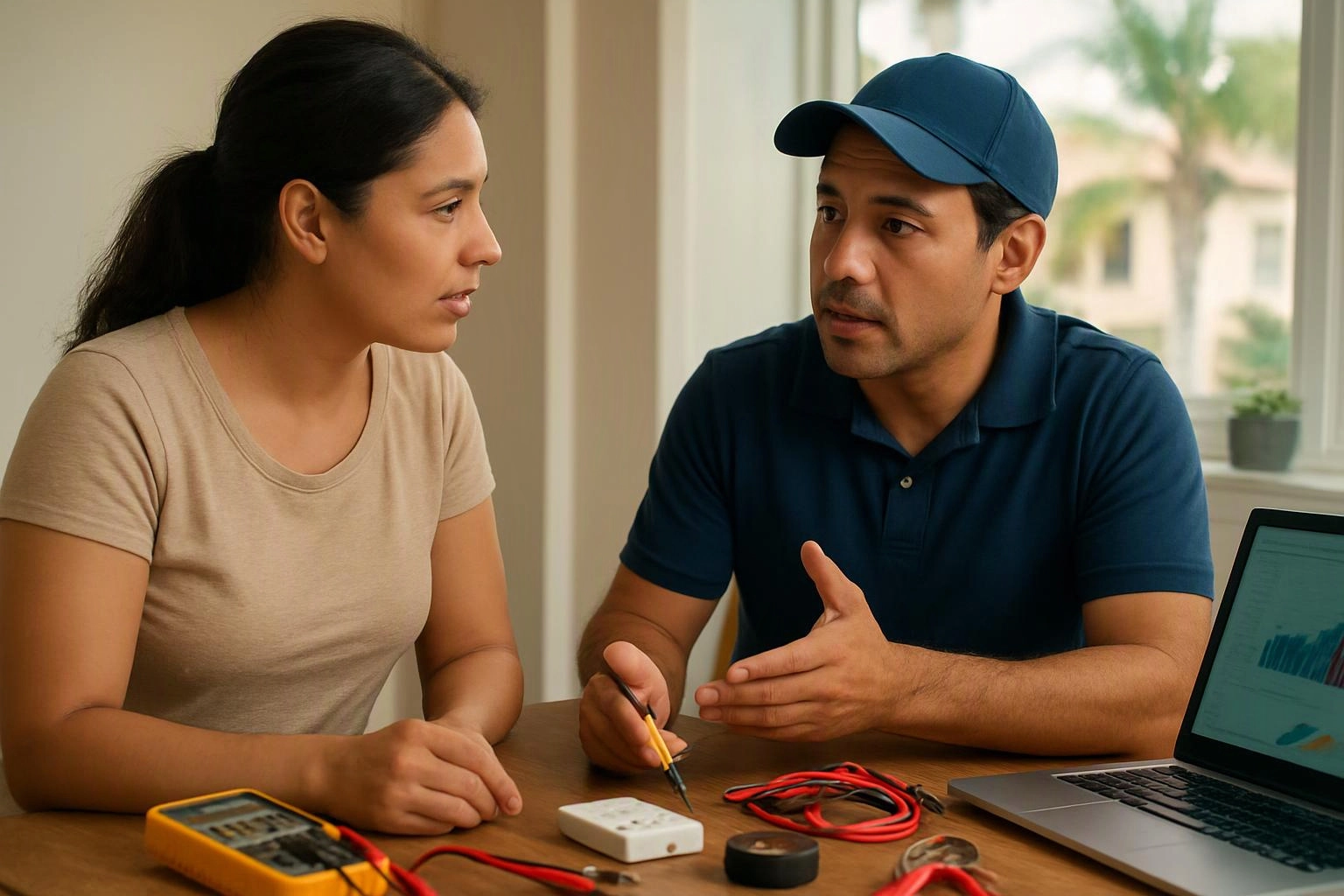
Do not repeatedly reset a circuit breaker that keeps tripping. Repeated trips can point to an overload, short circuit, damaged wiring, or equipment fault.
How Can You Reduce the Risk of Another Electrical Emergency?
Prevention starts with checking aging or damaged components, protecting circuits from surges and moisture, and correcting unsafe electrical conditions before they become emergencies.
We connect prevention work to the condition of the existing system. A recurring issue may need a targeted correction, panel work, or a larger electrical upgrade.
How Miami Conditions Can Affect Emergency Electrical Repairs
Miami-Dade County conditions can involve heat and humidity that increase moisture-related deterioration concerns and electrical demand. Our assessments account for moisture damage when wiring, outlets, panels, or outdoor equipment show signs of exposure.
Severe thunderstorms and tropical weather can create power interruptions, surges, wind exposure, and rain intrusion. These storm-related faults can change the priority of emergency repair and make surge protection a relevant long-term consideration.
Salt-laden air can accelerate corrosion of exposed electrical components at coastal properties. We give closer attention to exposed panels, wiring, and outdoor equipment when corrosion may affect the repair assessment.
Earth Electric also serves nearby Little Havana and Allapattah when local electrical conditions require the same careful fault assessment.
What Does the Repair Estimate Need to Include?
Free Estimates Available means the repair estimate should identify the fault, describe the proposed electrical work, separate immediate correction from optional long-term improvements, and explain the factors that determine the total cost.
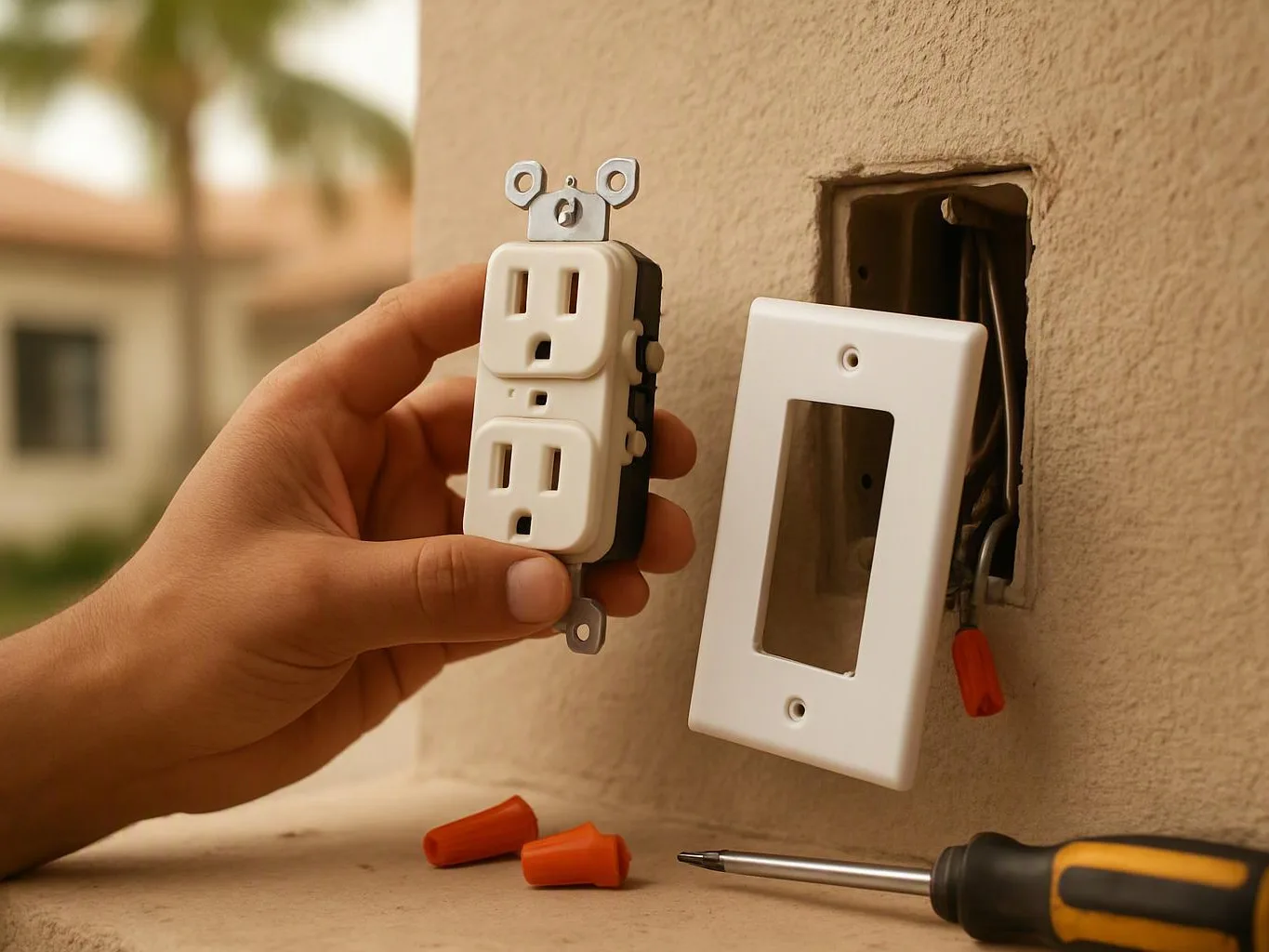
Our repair scope explains the affected electrical component, expected labor, replacement materials, and any code correction that belongs in the work. We also identify whether the recommendation involves outlet repair, circuit breaker replacement, panel work, or wiring repair.
The estimate should make the long-term recommendation clear without combining optional improvements with the urgent correction. We explain the project factors so you can choose a repair path based on safety, budget priority, and future use.
When Should You Choose Repair, Replacement, or an Electrical Upgrade?
Repair suits a defined fixable fault, replacement suits a failed or unsuitable component, and an upgrade suits a broader capacity, safety, or reliability objective.
Circuit breaker repair may fit a defined issue when the component remains suitable for the circuit. Circuit breaker replacement fits a failed or unsuitable breaker, while an electrical panel repair addresses a specific panel fault.
An electrical panel upgrade may fit increased demand, limited capacity, or broader reliability goals. Electrical wiring repair addresses localized damaged wiring, while whole house rewiring suits widespread or aging wiring concerns.
We choose the narrowest safe scope that addresses the fault and explain when a broader electrical solution has a clear project reason.
How Do You Request an Emergency Electrical Repair Assessment?
Contact Earth Electric with the electrical symptoms, visible safety concerns, and affected area so our team can determine the appropriate assessment and repair path.
Share whether you noticed smoke, a burning smell, sparks, shock, flickering, a warm panel, or a repeated breaker trip. You can also mention recent storm damage, moisture exposure, or a power interruption.
Use our contact page to request an assessment for Miami or nearby areas we serve. We review the repair scope, explain the findings, and provide Free Estimates Available for the recommended work.
Questions About Emergency Electrical Repair Options
What information should I give Earth Electric about an electrical emergency?
Earth Electric needs the electrical symptoms, affected area, visible damage, and any smoke, sparks, shock, moisture, storm damage, or repeated breaker trips you observed.
Should I reset a circuit breaker that keeps tripping?
No. A circuit breaker that keeps tripping may indicate an overload, damaged wiring, a short circuit, or a faulty device, so leave the circuit off and request an assessment.
When does an electrical panel problem require a broader upgrade?
An electrical panel problem may require a broader upgrade when the panel cannot support the circuit load, has repeated safety issues, or does not fit the property’s long-term electrical needs.
Can storm damage cause an electrical fault after power returns?
Yes. Storm damage can leave surges, rain intrusion, wind exposure, or damaged outdoor components that create an electrical fault after power returns.
Why should coastal properties receive closer attention for exposed electrical components?
Coastal properties can experience salt-laden air that accelerates corrosion on exposed electrical components, so our assessment gives those areas closer attention.
Related Resources
How Much Does a 24-Hour Emergency Electrician Cost in Miami?
Compared ToStandard vs Premium Emergency Electrical Repair Systems & Materials Compared (2026)
Compared ToLocal Specialist vs National Emergency Electrical Repair Providers in Miami: Cost & Service Compared
When You Need ItWarning Signs You Need an Emergency Electrician