Electrical Backup Planning for Miami Homes with Critical Equipment
Miami homes with critical equipment need a clear backup power plan. The plan should cover medical devices, food storage, phones, and key appliances. An electrician can find priority loads and install dedicated circuits. They can also add a generator transfer switch or solar battery backup. Surge protection can help protect your home and equipment. Miami plans should address hurricanes, humidity, floods, and electrical safety. Start with an inspection and load check. Then choose equipment with enough power and runtime. All connections must meet safety codes. Keep another plan ready if backup power fails. You’ll also need one for longer outages.
Get a Free Estimate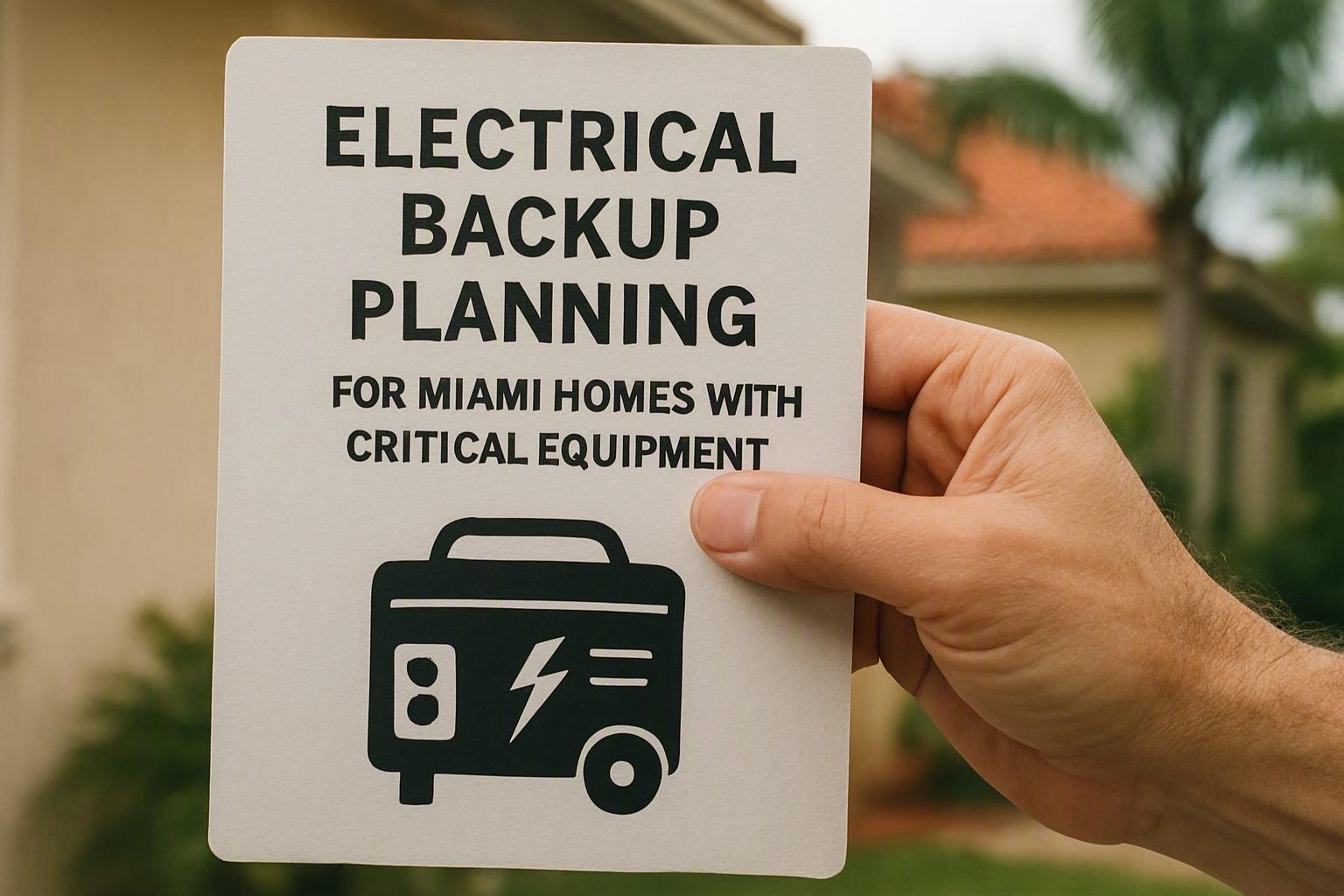
Why Miami Households with Critical Equipment Need a Backup Plan?
Miami household electrical backup planning helps keep critical equipment and key home loads running during outages. A written plan helps your household respond during storms and long repairs.
Miami homes can lose power during hurricanes and tropical storms. A good plan lists what runs first and how long it must run. It also explains what to do if fuel or equipment becomes unavailable.
Our team can list priority circuits and explain safe shutdown steps. Earth Electric can start with an inspection, load check, and family plan review.
How to Keep Essential Appliances Running During a Power Outage?
Essential appliances stay available during an outage when a Miami electrician ranks the loads and places them on proper circuits. Backup power can connect through a transfer switch or battery system. Refrigerators, medical devices, phones, and lights need a careful check first. The check should cover startup power, runtime, and safe use.
Start by listing every item that needs power. Write down its voltage, amps, running watts, and startup demand. A load check shows which system fits your home. Options may include a portable generator, whole-home generator, or solar battery backup.
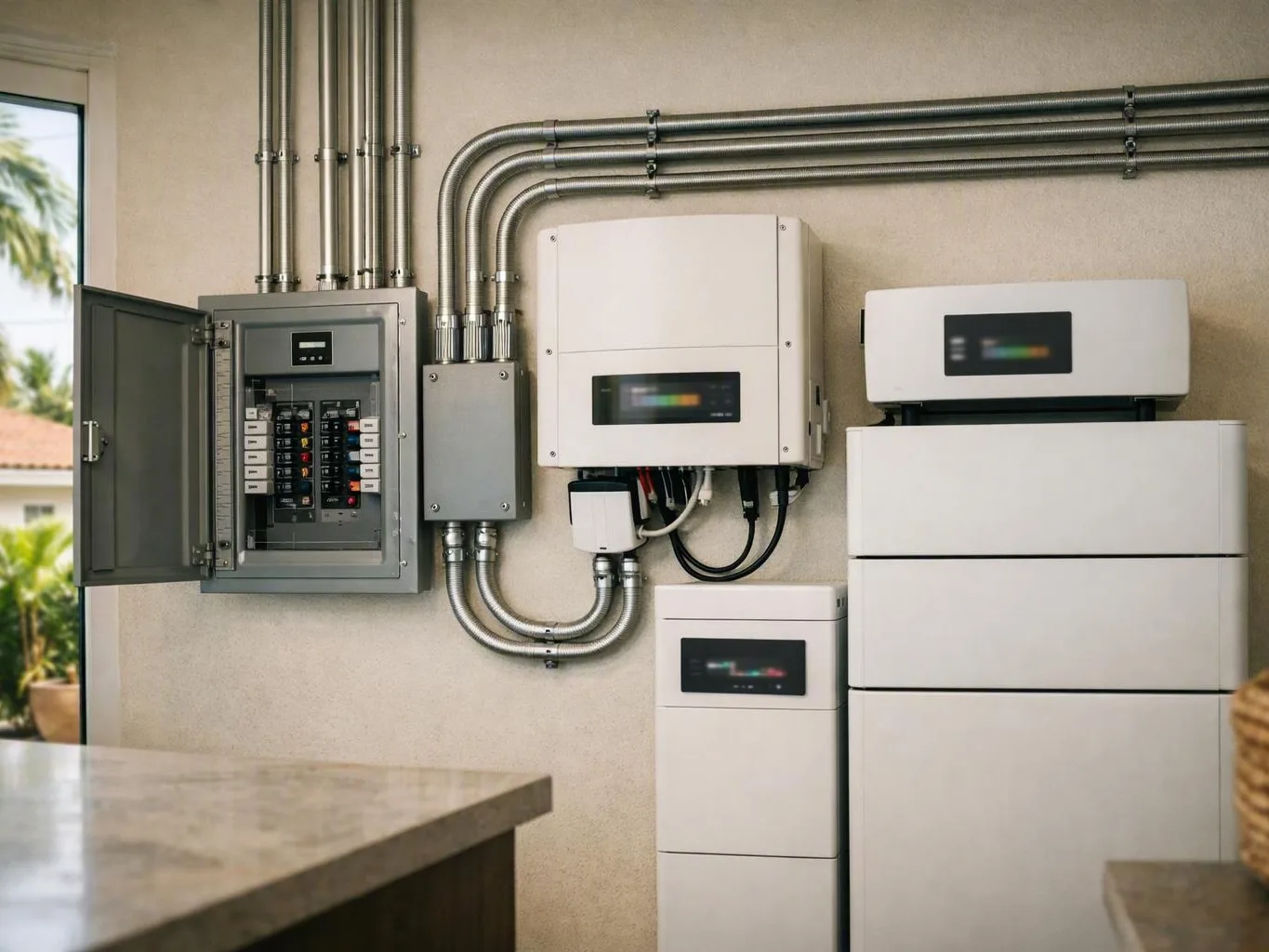
A generator transfer switch separates utility power from generator power. This helps prevent dangerous backfeeding. It also sends power to selected circuits. The switch must fit your service, panel, generator, and planned setup.
A solar battery backup stores power for later use. It can run quietly indoors when properly designed. Runtime depends on battery size, charge level, and connected loads. Solar charging may not work after a storm.
Most home planning visits take about 1 to 3 hours. Time depends on access, records, and the number of loads. Installation time can vary. Never plug a generator into a wall outlet. A power strip may not safely support medical devices or motors.
Getting started with 24 Hour Electrician can include an outage review. The review covers priority loads, equipment location, transfer controls, and backup steps.
Common Backup Power Challenges for Miami Homes
Miami backup power challenges include moisture, storm water, corrosion, fuel limits, and uncertain outage duration. These issues affect equipment location, protection, care, and runtime. Every home should list its key loads. It should also state what happens if the main system fails.
Local permits and inspections may apply to generator work and transfer switches. They may also apply to panels and battery systems. Our team should check current rules before work starts.
When Dedicated Circuit Installation Makes Sense for Critical Equipment?
Dedicated circuit installation gives critical equipment its own power path. The circuit has the right size and clear labels. It also lowers the risk of overloads from other appliances. A Miami electrician can check the panel, wiring, outlet, breaker, and equipment needs.
A dedicated medical device outlet can keep the device apart from room appliances. A refrigerator circuit can stop a hair dryer or heater from tripping its breaker. The right design depends on the device guide and existing wiring.
Dedicated Circuit Installation in Miami may include circuit tracing and panel checks. It may also include new breakers, outlets, labels, or damaged part repairs. The circuit can connect to a transfer switch or battery system when the plan allows.
Our team checks grounding, bonding, voltage, outlets, and panel space. A dedicated circuit doesn’t create more generator power. It creates a safer path for one selected load.
Ask if the circuit needs ground-fault or arc-fault protection. The right choice depends on its location and use. Medical device users should check with the device maker and care team first.
How Surge Protection Helps Protect Backup Systems and Appliances?
Surge protection installation helps lower the risk of damage from sudden voltage changes. It can help protect panels, backup gear, appliances, and electronics. A Miami electrician can check panel protection and grounding. They can also review protection near individual devices. Surge protection doesn’t replace safe wiring, transfer equipment, or care.
A whole-home surge protector sits at or near the electrical panel. It helps manage surges that enter through the power service. The device must match your system and use proper wire connections. Small surge protectors can still help computers, routers, chargers, and other electronics.
Surge protection installation Miami electrician services should include a full panel review. The review should cover grounding, bonding, service gear, and backup connections. Storms can cause voltage changes before and after power returns. Don’t turn on every appliance at once.
Surge protection won’t fix an overloaded circuit or bad connection. It also won’t fix water damage or a wrong generator connection. Keep wet electrical parts away from people. Unplug damaged equipment and wait for a safe inspection.
A Practical Backup Electrical Plan for Medical Devices and Essential Loads
A practical backup electrical plan starts with a load list and priority circuits. It checks power needs and expected runtime. It also uses safe transfer controls. Medical device plans need another power source and clear caregiver steps. They also need provider advice and an emergency option.
For Miami power outage medical devices alternate plans, the electrical system is only one part of the response. Caregivers should know how to move the device safely. They should know when to call the provider. They should also know when heat, flooding, or other dangers require leaving.
What an Electrical Inspection Should Confirm Before Installation?
An electrical inspection should confirm that the Miami home can support the backup plan safely. It should check the service, panel, wiring, grounding, bonding, outlets, and transfer equipment. The results show if repairs are needed before installation.
| Inspection area | What it should confirm |
|---|---|
| Service capacity | The service can support planned loads without an unsafe overload. |
| Panel condition | The panel, breakers, labels, and connections fit the planned work. |
| Wiring and receptacles | Wires, outlets, voltage, and equipment grounds are safe. |
| Grounding and bonding | The grounding system and bonding paths are present and connected correctly. |
| Transfer equipment | The switch, interlock, generator connection, or battery can separate power sources. |
| Site conditions | The location allows dry access, airflow, moisture protection, and service space. |
An inspection can also cover local permit steps. Severe storms can change site conditions. Check equipment again after water, corrosion, or storm debris.
Questions Miami Homeowners Ask About Critical-Equipment Backup Power
Miami homeowners should ask how long backup power will run and which circuits it supports. They should also ask how medical devices stay safe. Ask what happens if the system fails. An inspection and load check help guide the backup plan.
The answer depends on equipment, wiring, site conditions, and runtime. It doesn’t depend only on the generator or battery label.
Questions About 24 Hour Electrician
How Do You Power Medical Equipment During a Power Outage?
Use a provider-approved backup device, generator, or battery. Connect it through safe transfer equipment and a proper circuit. Check voltage, startup power, runtime, and alarms. Keep another care plan for long outages, floods, fuel loss, or equipment failure.
What Appliances Should Be Kept on During a Power Outage?
Keep critical medical equipment on first. Then consider refrigeration, phones, safety lights, pumps, and key appliances. Turn off nonessential heating, cooling, cooking, and entertainment loads.
Does a Generator Need a Dedicated Circuit?
A generator doesn’t always need one dedicated circuit. It does need an approved connection and safe source separation. A transfer switch or listed interlock sends power to selected circuits. Dedicated circuits may suit medical devices, refrigerators, and other key loads.
Is Whole House Surge Protection Worth It in Florida?
Whole-home surge protection can lower the risk of damage from sudden voltage changes. It can help protect panels, appliances, backup systems, and electronics. It works best with good grounding, safe wiring, and proper device protection.
How Do I Choose a Backup Battery for My Home?
Choose a battery by checking load demand, startup demand, inverter output, usable capacity, runtime, and charging options. Also check its location and transfer controls. A load check helps match the battery to your key equipment.
Plan Safer Backup Power Before the Next Storm
Our team can review your key loads, panel, generator connection, and battery choices. We can also check dedicated circuits and surge protection. We’ll help document shutdown steps and backup care plans.
Schedule an inspection before hurricane season. We can check moisture, flood risk, airflow, corrosion, permits, and equipment capacity.
Request an Electrical AssessmentRelated Resources
How Much Does It Cost to Rewire a House in Miami?
house rewiring cost and timeline Miami
What It CostsEV-Ready Electrical Installation: Costs, Capacity, and Project Steps
EV ready electrical wiring installation cost Miami
How It WorksElectrical Inspection and Code-Compliance Corrections: Process and Cost Factors
electrical inspection and code compliance correction cost
Compared ToOutlet, GFCI, and Dedicated Circuit Installation: Which Service Do You Need?
outlet GFCI and dedicated circuit installation cost