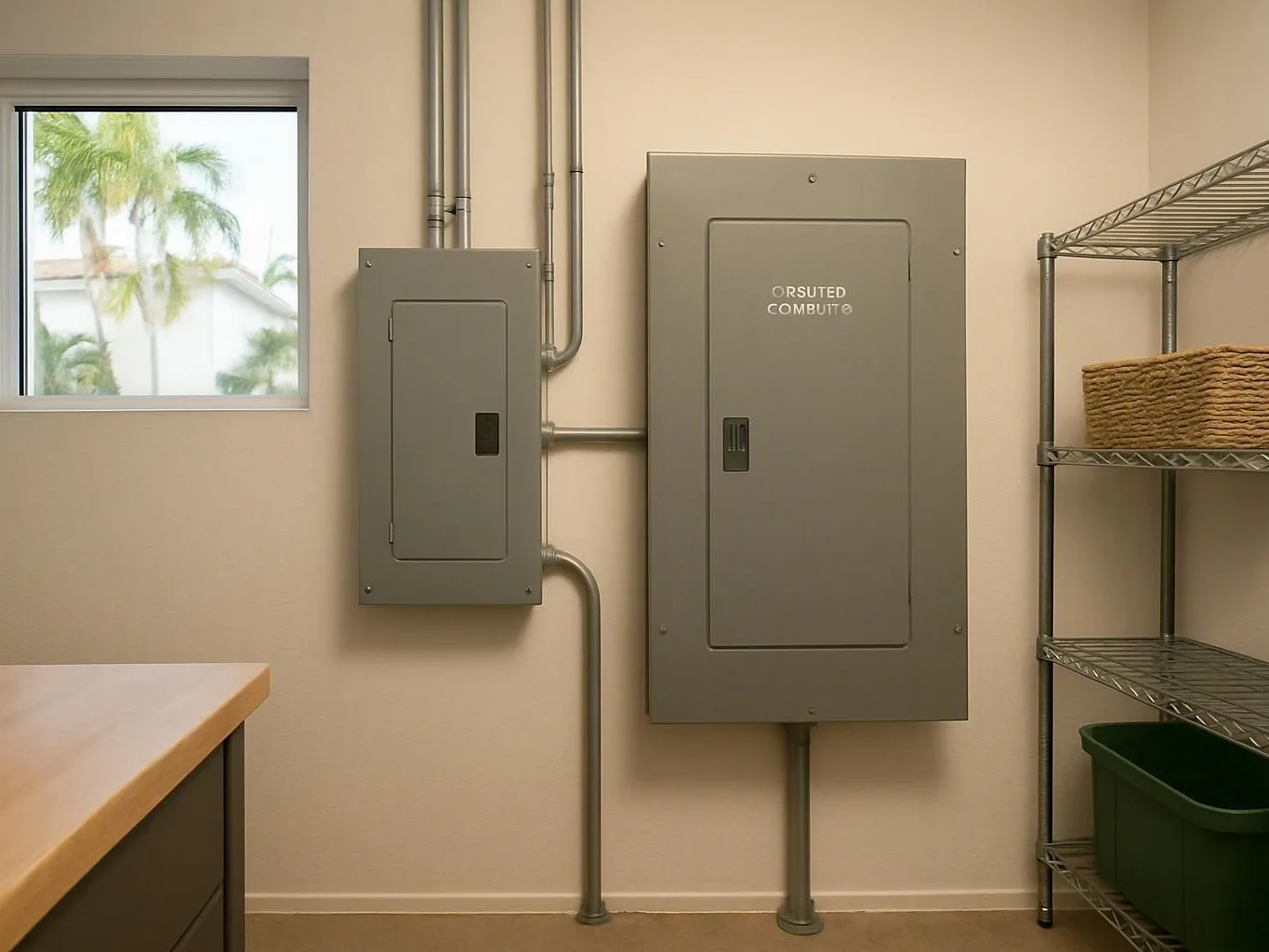
Electrical Inspection and Code Corrections in Miami, FL
Electrical inspection and code correction costs in Miami, FL can vary. Property size, system age, access, damage, repairs, and permits all affect the price. An inspection checks the service panel, wiring, grounding, outlets, switches, fixtures, safety devices, and visible code issues. The electrician records the findings and explains what needs attention. Small inspections take less time than large or complex reviews. Repairs may involve small replacements, panel work, or rewiring. Earth Electric can inspect your system and explain your repair options.
Get a Free Estimate
How Much Does an Electrical Inspection Cost in Miami, FL?
Electrical inspectioncost depends on the property, system, access, and inspection purpose. It also depends on testing and needed records.Miami, FL electrician may price a basic check differently from a real-estate inspection. A trouble call or code review may also cost more.
The amount of equipment affects the price first. A small condominium may have one panel and a few circuits. A larger home may have more rooms, extra panels, outdoor equipment, and several air-conditioning circuits.
System age matters too. Older homes may have mixed parts, past repairs, or hard-to-trace circuits. A newer panel doesn't prove that every circuit is safe. Extra testing may be needed before the electrician can explain a problem.
Access can change the visit. Crowded panels, stored items, finished walls, and hot attics can limit what the electrician sees. Hidden wiring may need more testing. The report will note when an issue can't be confirmed safely.
Miami homes face special risks. Humidity, salt air, and storms can cause rust and water damage. They can also harm outdoor parts and electrical connections. High cooling use makes air-conditioning circuits and panels worth close review.
Most focused inspections take less time than full property reviews. Complex homes may need more testing or a second visit. We'll explain the inspection scope before work starts. You'll know what's included and what could affect the cost.
What Does an Electrical Inspection Include?
Electrical inspection reviews the service panel, circuits, wiring, grounding, outlets, switches, fixtures, and safety devices. The electrician looks for damage, overloads, bad connections, exposed wires, missing protection, and code issues. Findings are recorded and ranked by risk.
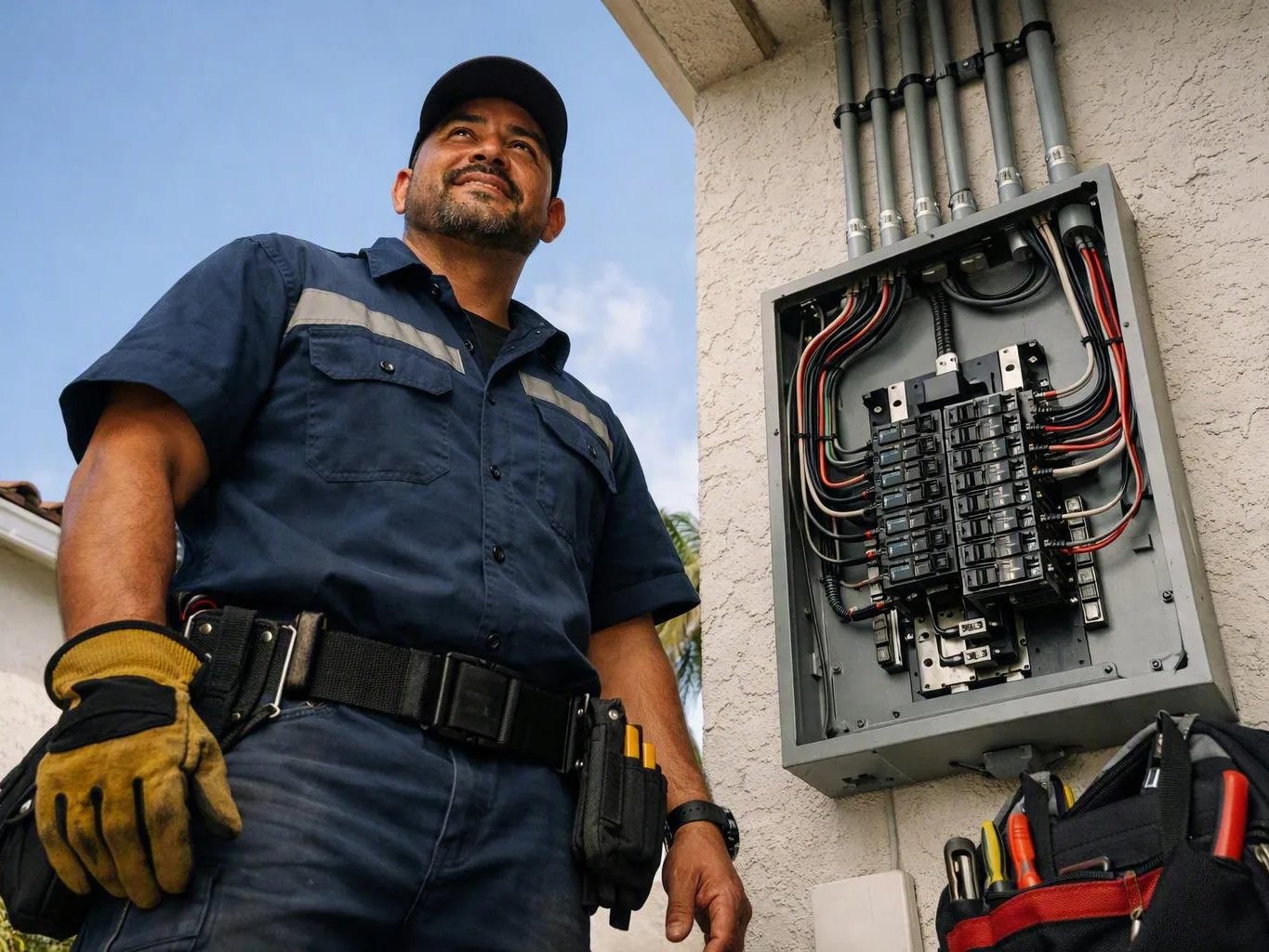
The service panel is checked for damage, loose connections, and crowded wiring. The electrician also looks for heat marks and poor labels. Breakers should match the equipment they protect. Circuits are checked for overloads, bad extensions, and unsafe connections.
Wiring is checked where it can be reached safely. The review may find damaged insulation, open boxes, poor wire splices, or loose cables. Grounding and bonding are checked too. These paths help move fault current safely.
Outlets, switches, fixtures, and visible equipment are checked for damage. Loose parts, wrong wiring, missing covers, and other issues may be found. Wet areas need extra care. Rust and water entry can harm the system.
Safety devices are a key part of the review. GFCI protection is often checked in wet and outdoor areas. AFCI protection may apply to living areas and certain circuits. Testing depends on access and equipment safety.
The result is more than a defect list. We explain which issue may be an immediate hazard. We also explain which item may break code. Other improvements can be planned for later. A clear report helps owners choose the next step.
What Happens During the Electrical Inspection and Correction Process?
Electrical Code Compliance Correction starts with a scope review. It then includes visual checks, testing, repairs, and final checks. Earth Electric can plan the work by safety risk, code needs, access, permits, and customer goals.
This process can help with a home purchase, remodel, insurance concern, or safety review. Older Miami homes may need extra testing. Additions, past remodels, and newer panels can create wiring and code issues.
A 24 Hour Electrician may help with an urgent safety problem. A planned inspection can still document related issues. It can also help you plan permanent repairs after the danger is controlled.
How Long Does an Electrical Inspection Take?
Inspection time depends on property size, panels, circuits, access, and system age. Testing and records can add time. A small review is usually faster than a large one. Hidden wiring, repairs, and safety issues may extend the visit.
| Project size | Typical duration |
|---|---|
| Small | A shorter visit for a small property or focused concern. Limited access or testing can add time. |
| Average | A wider home review covers common parts, safety devices, visible wiring, and recorded findings. |
| Large | A longer review may cover large homes, several panels, additions, old systems, and many circuits. |
A focused inspection may take about one to two hours. A complex property may take several hours. It may also need a second visit. These are planning ranges, not fixed times.
Blocked panels, boxes, attics, and wire paths can add time. Follow-up testing may also be needed after repairs. This is common when the first visit finds a hidden connection problem.
What Happens After an Electrical Inspection Finds Problems?
After an electrical inspection finds problems, the electrician records each issue. Safety risks are listed first. The electrician then explains repair choices. The next step may include troubleshooting, replacement, rewiring, permits, or a final check.
The report should separate urgent issues from planned work. Exposed wires, heat damage, water damage, and overloaded circuits may need quick action. A missing label or cover may be less urgent. It should still be fixed for safer service.
A code issue doesn't always mean the whole system needs replacement. The fix may be a new device, secure connection, better protection, panel work, or grounding. Old or damaged wires may need rewiring instead.
Permit rules depend on the work and local laws. Circuit, panel, and service changes may need permits. They may also need an inspection. Access, parts, and city review can change the schedule.
We explain the estimate in plain language. We list any assumptions too. Troubleshooting appears as a separate step when needed. After repairs, final checks may confirm the problem was fixed.
How Much Do Electrical Code Corrections Cost?
Electrical code-correction cost depends on the issue, repair method, access, parts, system condition, and permits. Small fixes may involve devices or connections. Larger jobs may need panel work, circuit changes, grounding, or rewiring. A site estimate gives a better price than a general range.
A code fix may involve one outlet, switch, cover, connection, or safety device. Examples include GFCI outlet replacement and fixing a bad splice. Damaged equipment and missing covers may also need correction. The number of locations affects labor.
Larger work may include panel repairs, circuit repairs, grounding, bonding, or rewiring. Testing may come first when plans are missing. Poor labels and older additions can also make the job harder. More issues may appear after opening a box or panel.
Miami, FL conditions can affect the work. Humidity, salt air, storms, and water can damage outdoor parts. High cooling use can also stress air-conditioning circuits, equipment, panels, and safety devices.
We base options on what we find at the property. We don't give an unexplained flat price. The plan states what we'll fix and what it excludes. It also lists permits, testing, and reinspection needs.
Questions About 24 Hour Electrician
How Much Does an Electrical Inspection Cost?
Cost varies by property size, system age, access, purpose, testing, and records. A focused review usually takes less time than a full home inspection. A site visit helps define the scope and estimate.
What Does an Electrical Inspection Include?
It commonly checks the panel, circuits, visible wiring, grounding, bonding, outlets, switches, fixtures, GFCI protection, AFCI protection, and visible code issues. The electrician records findings and explains hazards, repairs, and next steps.
How Much Do Electrical Code Corrections Cost?
There is no set price. Corrections may range from outlet work to panel repairs, grounding, circuit changes, or rewiring. Access, parts, permits, system condition, and testing affect the estimate.
How Long Does an Electrical Inspection Take?
A focused visit may take about one to two hours. Larger homes, several panels, poor access, hidden wires, hazards, and follow-up testing can add time or require another visit.
Our team can review the findings and explain the repair path. We can also help with permits and reinspection needs. Contact us to discuss the property and plan the next step.
Contact our team about an inspectionRelated Resources
How Much Does a 24-Hour Emergency Electrician Cost in Miami?
24 hour emergency electrician cost Miami
What It CostsHow Much Does It Cost to Rewire a House in Miami?
house rewiring cost and timeline Miami
Compared ToCircuit Breaker Repair or Replacement: Cost, Causes, and What to Expect
circuit breaker repair vs replacement cost
When You Need ItWarning Signs You Need an Emergency Electrician
emergency electrical warning signs