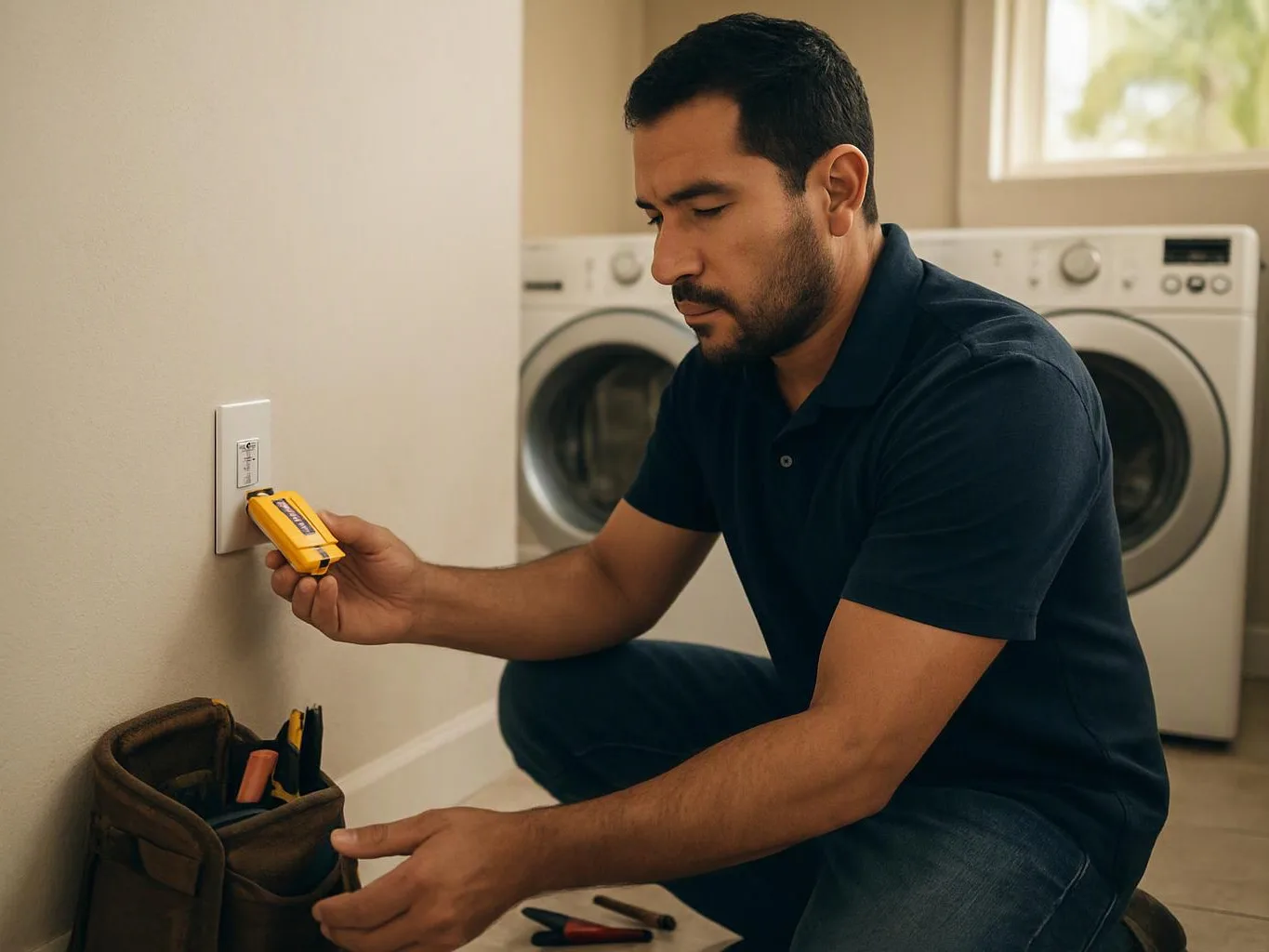
Electrical Outlet and Circuit Safety Checklist for an Older or Overloaded Home
An electrical outlet and circuit safety checklist starts with a visual check for damage, heat, and frequent breaker trips. Stop using suspect outlets and ask Earth Electric to inspect wiring or circuits that may need attention.
Get a Free EstimateBefore You Check Your Outlets and Circuits
An outlet safety check starts with a plan that keeps you away from electrical hazards. You don't need to open equipment or move heavy furniture.
What Can You Safely Check Yourself?
You can look for visible damage and note electrical problems without opening equipment. Don't remove covers, probe outlets, or touch exposed wires.
Our Electrical Inspection goes beyond a visual outlet inspection. We check wiring and panel components, then explain any concerns we find.
During Your Outlet and Circuit Check
A home electrical safety checklist helps you spot signs to share with our team. Look from a safe distance and leave covers in place.
What Do Overload Warning Signs Mean?
Frequent trips, flickering lights, or a warm outlet can signal an overloaded circuit or another electrical fault. An overload happens when the demand on a circuit exceeds what it can safely carry.
A branch circuit carries power from the panel to outlets and other equipment. A circuit breaker can trip when it detects a problem, but the signs alone don't identify the cause. We inspect the circuit and wiring to find what's happening.
Don't keep resetting a tripping breaker. Stop using the affected equipment and ask us to inspect the problem.
Electrical Red Flags That Need Immediate Attention
Electrical red flags can signal a serious hazard. Don't touch damaged equipment or try to investigate the cause yourself.
What Should You Do When You Find a Red Flag?
Stop using a damaged outlet and stay away from exposed wiring. Leave the area and call emergency services if you see smoke or fire.
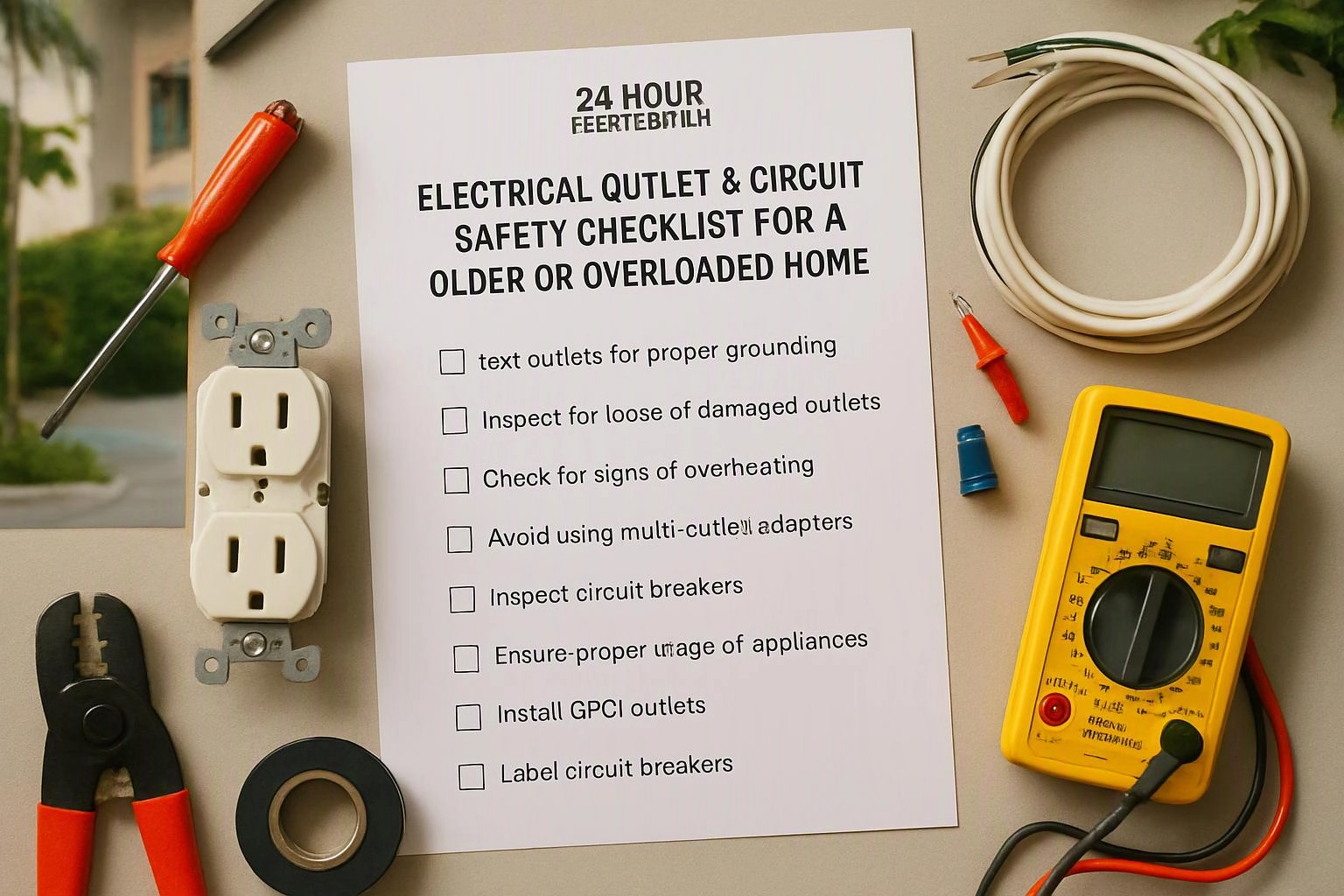
Don't touch damaged equipment. After you've reached safety, contact Earth Electric about Emergency Electrical Repair.
After Your Outlet and Circuit Check
Your notes can help us focus the electrical inspection on your concerns. Keep them handy when you contact our team.
When Do You Need a Dedicated Circuit or More Outlets?
A dedicated circuit may be needed when an appliance requires one or an existing circuit can't safely support the load. We check the appliance requirements, existing wiring, and circuit load before recommending work.
Extension cords and power strips don't add circuit capacity. Using many cords can also leave you relying on temporary wiring and can hide an overloaded circuit.
Outlet And Switch Installation can make power more convenient. Dedicated Circuit Installation gives an appliance its own circuit when needed. We'll assess repeated trips and help you choose the right work for your home.
Should You Replace Ungrounded Outlets?
Ungrounded outlets may need replacement or protection, but the right option depends on the wiring and applicable code. We assess the existing wiring before recommending a solution.
A replacement receptacle doesn't create a ground. GFCI protection and grounding serve different purposes, so a GFCI outlet doesn't create a ground either. We'll explain the options that fit your wiring and applicable code requirements.
Contact Earth Electric to discuss your outlet and circuit concerns. We'll explain what our inspection can cover and the next steps for your home.
Get a Free EstimateWhat Are the Key Specifications to Know?
- Topic Focus
- Electrical Outlet and Circuit Safety Checklist for an Older or Overloaded Home
- Related Core Service
- Outlet And Switch Installation
- Evaluation Method
- On-Site Inspection & Written Scope
- Compliance Standard
- Local Building Code & Manufacturer Specs
How Does the Evaluation & Execution Process Compare?
| Evaluation Stage | Technical & Quality Criteria | Timeline Checkpoint |
|---|---|---|
| Initial Diagnostic & Assessment | Identify root cause, site constraints & code requirements | Before any work begins |
| Written Scope & Option Comparison | Compare repair vs. replacement tiers & material grades | Prior to project approval |
| Code-Compliant Execution | Follow manufacturer specs & local permitting standards | During active service |
| Final Verification & Walkthrough | Verify installation alignment, performance & clean site handoff | Upon project completion |