Electrical Troubleshooting: Process and Costs in Miami, FL
Electrical troubleshooting in Miami, FL finds the source of an electrical fault before repairs begin. The process includes a safety check, customer questions, a visual check, circuit tests, and fault tracing. It also includes repair planning and testing after the work. Costs depend on the fault’s location, access, size, parts, and labor. A diagnostic fee may apply. Small issues may take one visit. Hidden wiring, panel faults, or repeat breaker trips may take longer. Earth Electric can explain the fault, repair cost, and safest next step.
Get a Free EstimateOur team first learns about the problem and checks for danger. This helps homeowners choose the right electrical service.
What Does Electrical Troubleshooting Involve?
Electrical troubleshooting is a step-by-step check of an electrical fault. An electrician reviews the symptoms and checks for danger. The electrician then checks visible wires and devices. Next, the electrician tests the circuit and finds the failed part. The electrician explains the cause and tests the system after repairs. This process helps prevent replacing the wrong part.
The process covers home wiring, outlets, switches, lights, appliances, and panels. We ask what happened and when the issue began. We also ask about breaker trips, flickering lights, or lost power. These details may show an overloaded circuit, loose wire, bad device, or hidden wiring issue.
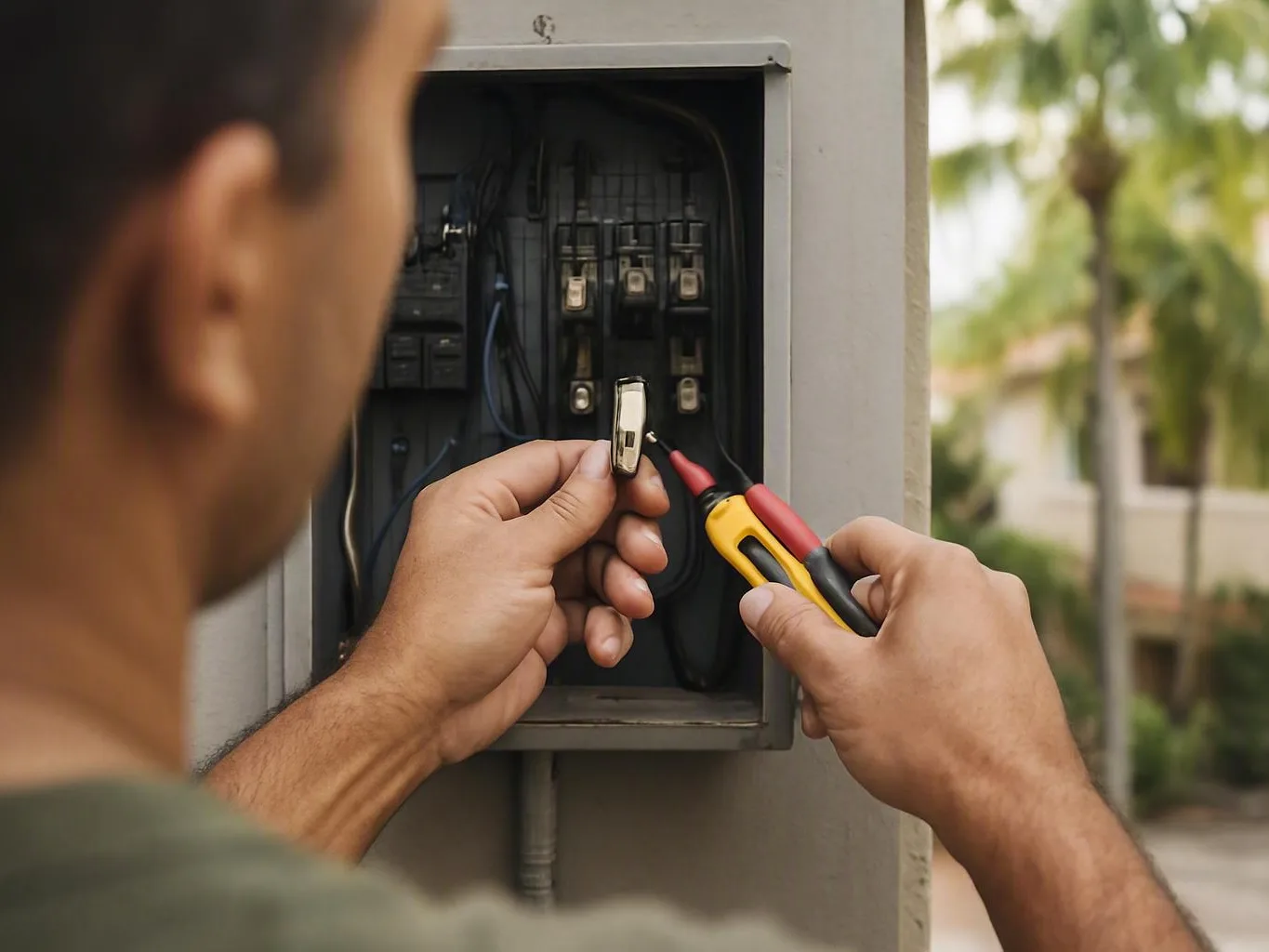
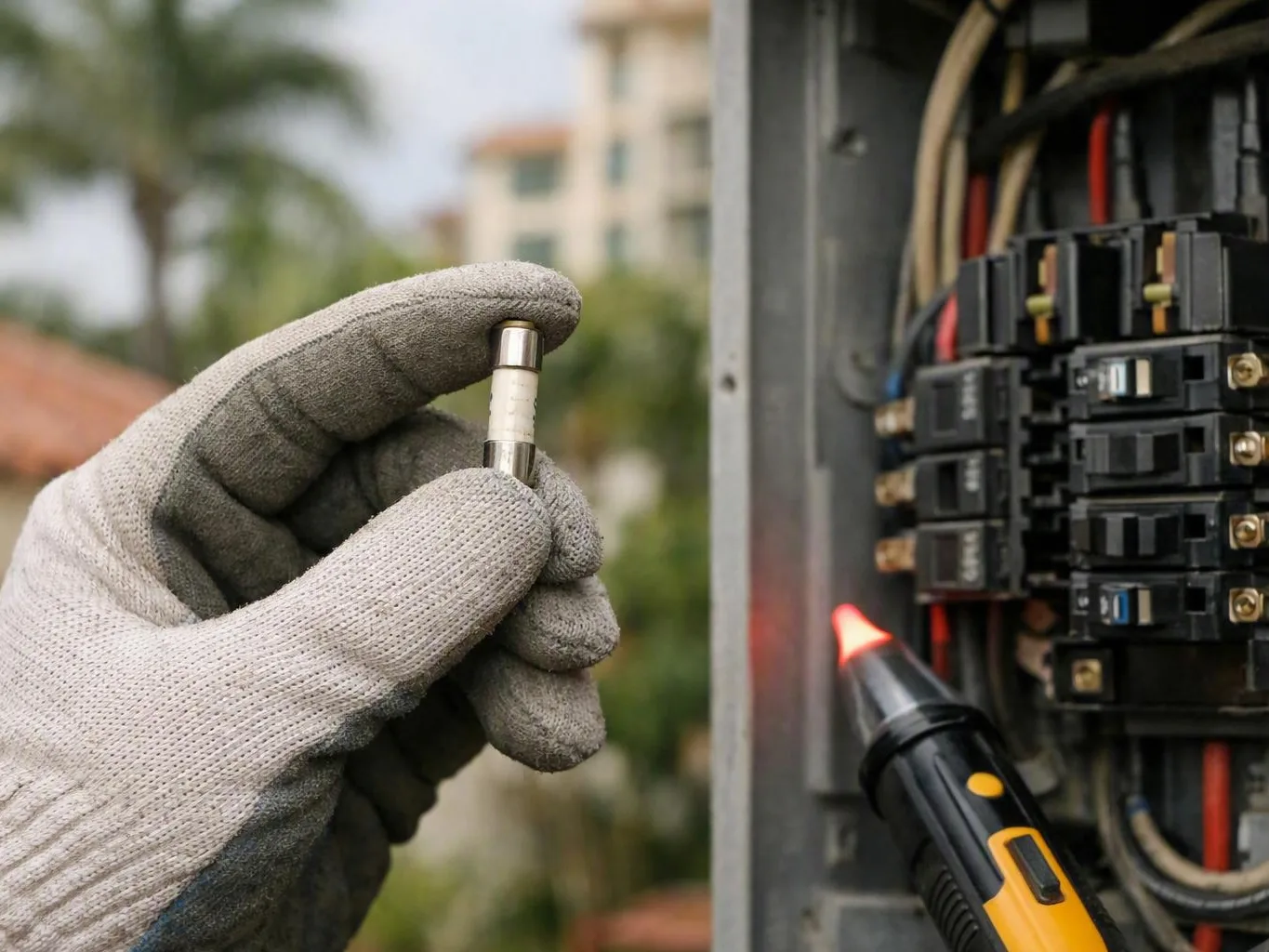
A safety check looks for heat, burning smells, scorch marks, exposed wires, and moisture. It also checks for odd sounds. We use a voltage tester after making a safe test plan. Testing shows if power reaches an outlet. It can also show an open connection or a bad safety device.
Electrical fault finding isn't the same as guessing which part needs replacement. It links the symptom to its source. For example, a dead outlet may have several causes. A breaker may have tripped. The outlet may have failed. A ground-fault device may have tripped. A wire may also be broken. Finding the cause supports safer repairs and a clearer estimate.
We explain what we found and what remains unclear. We also explain which work is needed or optional. Stop using the circuit if it creates an immediate risk. Request professional help instead of removing covers or testing live parts.
How Does an Electrician Find an Electrical Problem?
An electrician finds an electrical problem by tracing symptoms through the circuit. The process starts with a safety check and customer questions. It then uses visual checks, voltage tests, continuity tests, and device checks. The electrician isolates parts of the circuit and confirms the cause before suggesting repairs.
The order may change based on the symptom. A careful check helps prevent needless part replacement. Our team records what works and what doesn't. We also note which devices share the circuit.
These steps support outlet troubleshooting and circuit breaker troubleshooting. They also help find intermittent power faults. Some faults are easy to repeat. Others appear only with humidity, movement, heavy loads, or storm damage.
Homeowners considering Electrical Troubleshooting in Miami should ask what testing comes with the service call. Getting started with 24 Hour Electrician may help when a fault creates a safety concern. Emergency service still needs a clear diagnosis.
How Much Does Electrical Troubleshooting Cost in Miami, FL?
Electrical troubleshooting cost in Miami, FL depends on test time, problem size, circuit access, labor, and parts. An electrician may charge a diagnostic fee or service-call fee before repairs. Some companies apply that fee to the repair. Ask what the fee covers and when billing starts. Also ask if repair costs are separate.
A simple visible fault may need little testing. A hidden fault may require checks at many devices or wires. Repeat breaker trips may take longer to trace, so may panel issues, lost power, and storm damage.
The diagnostic fee often covers travel, a safety check, testing tools, and fault finding. It may also cover the fault explanation and next steps. It may not cover parts, wall access, permits, or repair labor. Policies differ, so ask before work begins.
After the diagnosis, we separate testing from the electrical repair estimate. The estimate should list labor, parts, access work, and testing after repairs. It should also list known permit needs. A small visit may end in one appointment. That's a planning range, not a guaranteed time or price.
Do electricians charge a diagnostic fee? Many do, but billing rules differ. Ask if the service call and diagnostic fee are separate. Ask if either fee applies to approved work. Also ask what happens if the fault doesn't appear during the first visit.
How Long Does Electrical Troubleshooting Take?
Electrical troubleshooting duration depends on circuit access and symptom clarity. A small visible fault may take one visit. A larger or changing fault may need more tests. The table gives planning ranges, not promised times.
An electrical inspection often takes less time when the fault is visible. A steady symptom also helps. Hidden wires, several circuits, storms, and poor access can add time. Repair time is separate from testing time.
| Project size | Typical duration | Common conditions |
|---|---|---|
| Small | Often under 1–2 hours | One outlet, switch, fixture, or accessible breaker issue |
| Average | Often about 2–4 hours | Several devices, an unclear circuit path, or repeated trips |
| Large | Half a day or longer | Concealed wiring, intermittent faults, panel issues, or multiple circuits |
These ranges help with planning only. Testing may show that more than one circuit has a fault. Safe access behind walls, ceilings, or equipment may also add time.
Should You Repair or Replace an Electrical Component?
An electrical component should be repaired when the fault is small and the part remains safe. Replacement is often better when a breaker, outlet, wire, or panel part is damaged. It may also be needed when the part is old, fails often, or doesn't meet safety rules.
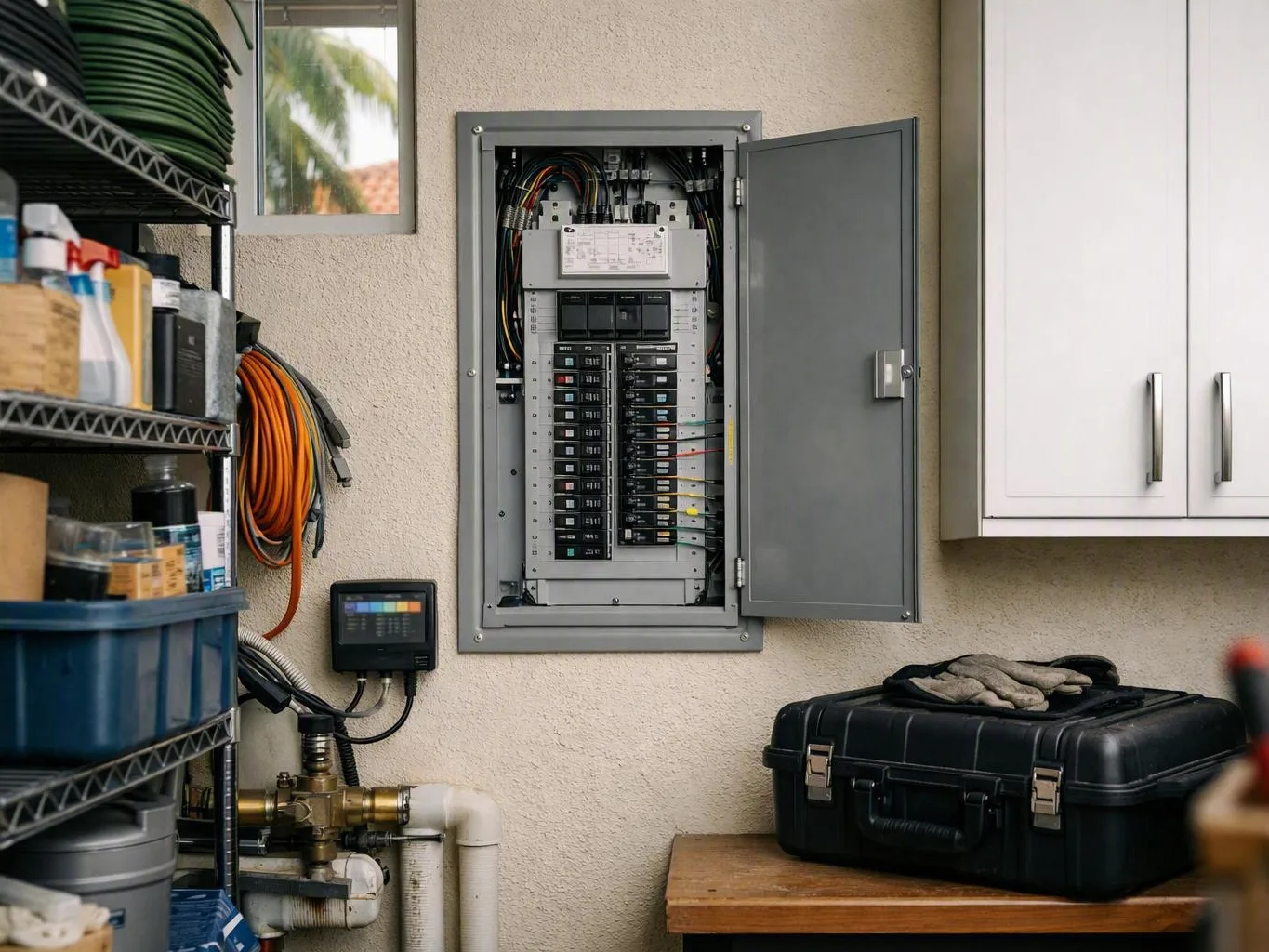
Circuit breaker repair may include fixing a loose connection. It may also mean replacing a damaged breaker. A breaker that keeps tripping may signal an overload, short, ground fault, or bad equipment. Repeated resets can raise the risk.
Old wiring may have weak insulation, poor connections, or unsafe changes. It may also lack enough capacity for modern loads. Replacing one visible device may not fix the cause. We explain if a small repair, new part, or larger wiring upgrade makes sense.
Replacement choices also depend on access, service life, fit, and code rules. A new part must match the circuit and equipment. Changes to wiring, panels, or service equipment may need local permits. Permits can affect the work plan and schedule.
Our team can compare repair and replacement. We can also explain the risk of waiting. The safest choice depends on the confirmed fault, not one part's age or look.
What Miami, FL Conditions Can Affect an Electrical Diagnosis?
Miami, FL conditions can affect electrical diagnosis. Humidity, salt air, lightning, storms, and old wiring can cause problems. These conditions may lead to rust, breaker trips, bad connections, and faults that come and go. Local permit rules may also affect work on wiring or service equipment.
High humidity can speed up rust at electrical connections and outdoor equipment. It can also affect panel parts. A connection may look fine but fail with heat, moisture, or a heavy load. This may require careful testing instead of a quick part swap.
Salt air can damage outdoor electrical parts and connections. We may find weak terminals, rust, dark wires, or damaged equipment. These findings help show if cleaning, repair, or replacement is best.
Lightning and strong storms can damage equipment and cause breaker trips. They can also create faults that are hard to repeat. A home may have power while one appliance, circuit, or safety device remains damaged.
Older homes may have old wires, changed circuits, and parts from different eras. These conditions can increase testing time. They may also make replacement more likely. Work on changed wiring, panels, or service equipment may need permits and inspection.
Common Questions About Electrical Troubleshooting
Electrical troubleshooting questions often involve cost, fees, tests, timing, and repair choices. A qualified electrician should explain the likely fault and needed tests. The electrician should also explain the service scope and billing. Stop using the circuit if you see signs of danger. Request professional help.
Before scheduling, describe the symptoms clearly. Mention smoke, heat, water, sparks, storms, or repeat breaker trips. Don't remove panel covers or touch damaged wires. This information helps us plan the service call.
Questions About 24 Hour Electrician
How Much Does Electrical Troubleshooting Cost?
Cost depends on test time, access, labor, problem size, and parts. Ask if the service call or diagnostic fee is separate. Also ask if that fee applies to approved work.
Do Electricians Charge a Diagnostic Fee?
Many electricians charge a diagnostic fee or service-call fee. Policies differ. Confirm what the fee covers, when billing starts, and if testing is included. Ask how the fee relates to later electrical repair.
How Does an Electrician Find an Electrical Problem?
An electrician reviews the symptoms and checks for danger. The electrician checks visible devices and wires. Voltage and continuity tests help trace the fault. The electrician isolates circuit parts and confirms the cause before suggesting repairs.
How Long Does Electrical Troubleshooting Take?
A small fault with easy access may take under one to two hours. A multi-device issue may take several hours. Hidden wires, changing symptoms, panel faults, or many circuits may take half a day or longer.
Should I Repair or Replace an Electrical Component?
Repair works when the fault is small and the part remains safe. Replacement often works better for damaged, old, unsafe, poorly matched, or failing breakers, outlets, wires, or panel parts.
A clear diagnosis shows the safety issue, needed work, and possible cost. Our team can check the affected circuit and explain the next step.
Contact us through our service request page to discuss the problem and schedule an assessment.
Related Resources
How Much Does a 24-Hour Emergency Electrician Cost in Miami?
24 hour emergency electrician cost Miami
Compared ToCircuit Breaker Repair or Replacement: Cost, Causes, and What to Expect
circuit breaker repair vs replacement cost
When You Need ItWarning Signs You Need an Emergency Electrician
emergency electrical warning signs
When You Need ItWhat Flickering or Dimming Lights Could Mean
flickering or dimming lights electrical problem