Inspect the panel and service
We inspect the service entrance, panel, grounding, and available circuit space before choosing a connection path.
Your EV can support selected home circuits during an outage when the vehicle, charger, inverter, and transfer equipment work together. We plan the connection around safe electrical operation and your property's needs.
Selected circuits can remain powered during an outage when the EV system is compatible and correctly connected.
A load review helps you decide which circuits deserve backup power and which loads should stay outside the system.
Circuit tracing gives you a defined backup scope instead of treating the whole property as one electrical load.
Bidirectional EV home-backup integration is an electrical system that sends power from a compatible electric vehicle to selected building circuits.
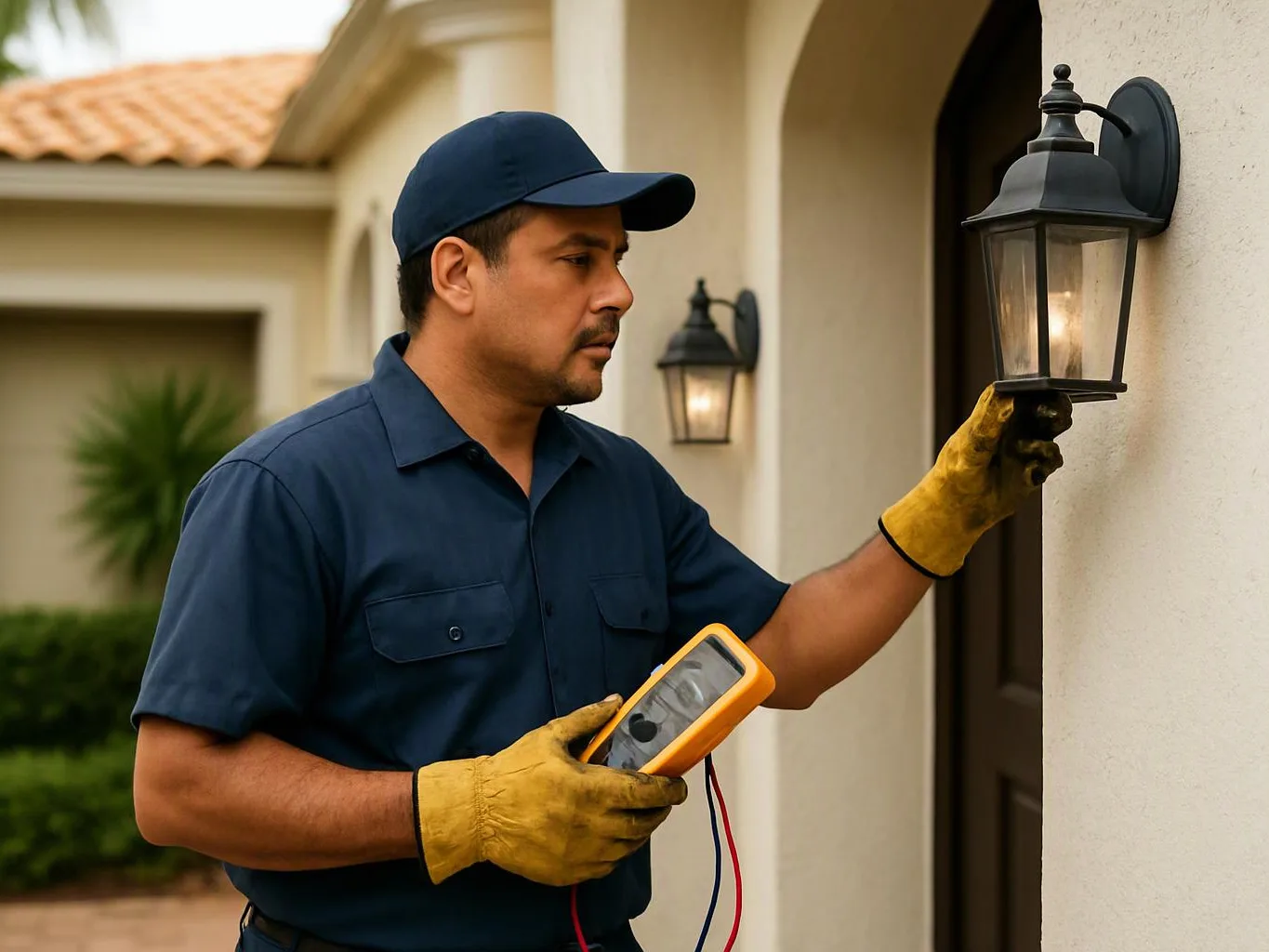
Bidirectional EV home-backup integration links stored vehicle energy with chosen property circuits. The work may include circuit tracing, load calculation, transfer equipment, grounding checks, and testing. We first review the electrical panel, service capacity, planned backup circuits, and equipment compatibility. The goal is to separate essential loads from circuits that could drain the vehicle too quickly or exceed the system design. Cost rises when the panel needs an upgrade, circuits need rewiring, or the backup path requires more equipment. Budgets are often wasted when a customer selects too many circuits before checking the load. We recommend sizing the backup scope around the circuits that matter most. We provide a free estimate after reviewing the work. Our electricians diagnose electrical issues before recommending appropriate repairs, and we explain what the estimate includes.
We inspect the service entrance, panel, grounding, and available circuit space before choosing a connection path.
We identify the circuits you want supported, then complete a load calculation to check their combined demand.
We compare the EV, bidirectional charger, inverter, transfer equipment, and panel connection so the system can exchange power safely.
We explain the required work, permit needs, equipment scope, and cost drivers in a free estimate.
We complete the approved electrical work, test the transfer path, and verify that the selected circuits operate as planned.
A few details help us assess the backup plan and identify the main cost drivers.
We diagnose the EV, charger, panel, and backup circuits before recommending connection changes or repairs.
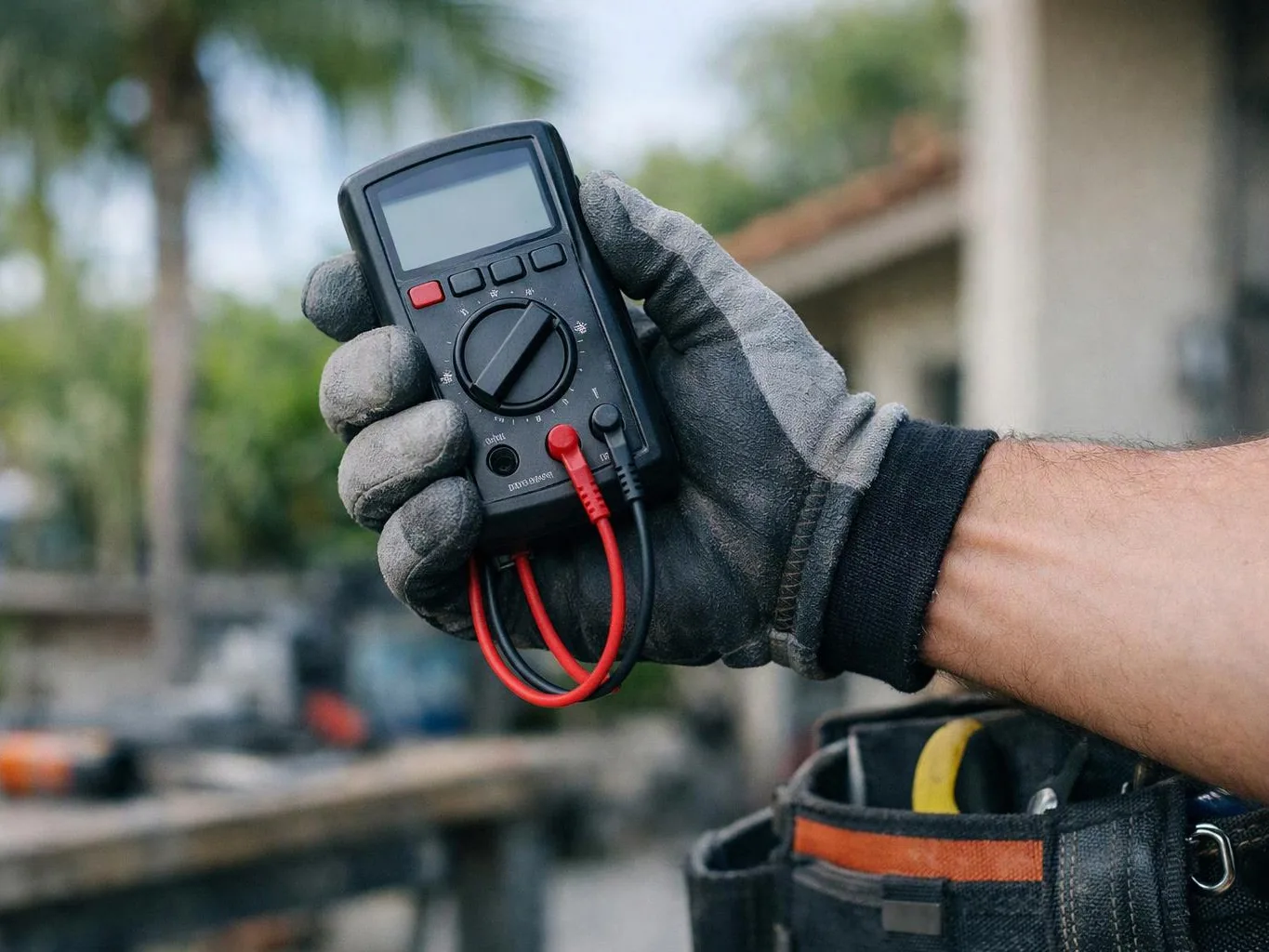
We trace selected circuits, inspect grounding, and test transfer controls before placing the backup system into service.
We verify safe power flow between the vehicle, transfer equipment, and selected circuits before handing over the work.
The most useful preparation includes EV details, charger information, panel photos, desired backup circuits, and any existing electrical records.
We use those details to define the work and its cost drivers.
Tell Earth Electric which circuits you want supported, and urgent requests get priority scheduling.

The vehicle supplies power at first, then the backup circuits shut down when several loads run together. The key issue is the combined demand, not only the charger rating. We review the selected circuits, complete a load calculation, and identify which loads should remain connected. Send us the equipment details and the affected circuit list for an estimate.
A homeowner, business, or property manager wants an EV to support key circuits during an outage. The choice of circuits affects equipment needs, operating limits, and project cost. We inspect the panel, map the desired loads, and explain the required transfer path. Keep the panel accessible so we can assess the system safely.
An existing EV charger may support vehicle charging but lack the controls needed for power export. Compatibility must be checked before any connection changes, including the inverter and transfer equipment. We review the current installation, test the electrical path, and outline suitable work. Gather the charger information and any available installation paperwork before requesting an estimate.