Where should carbon monoxide detectors be installed?
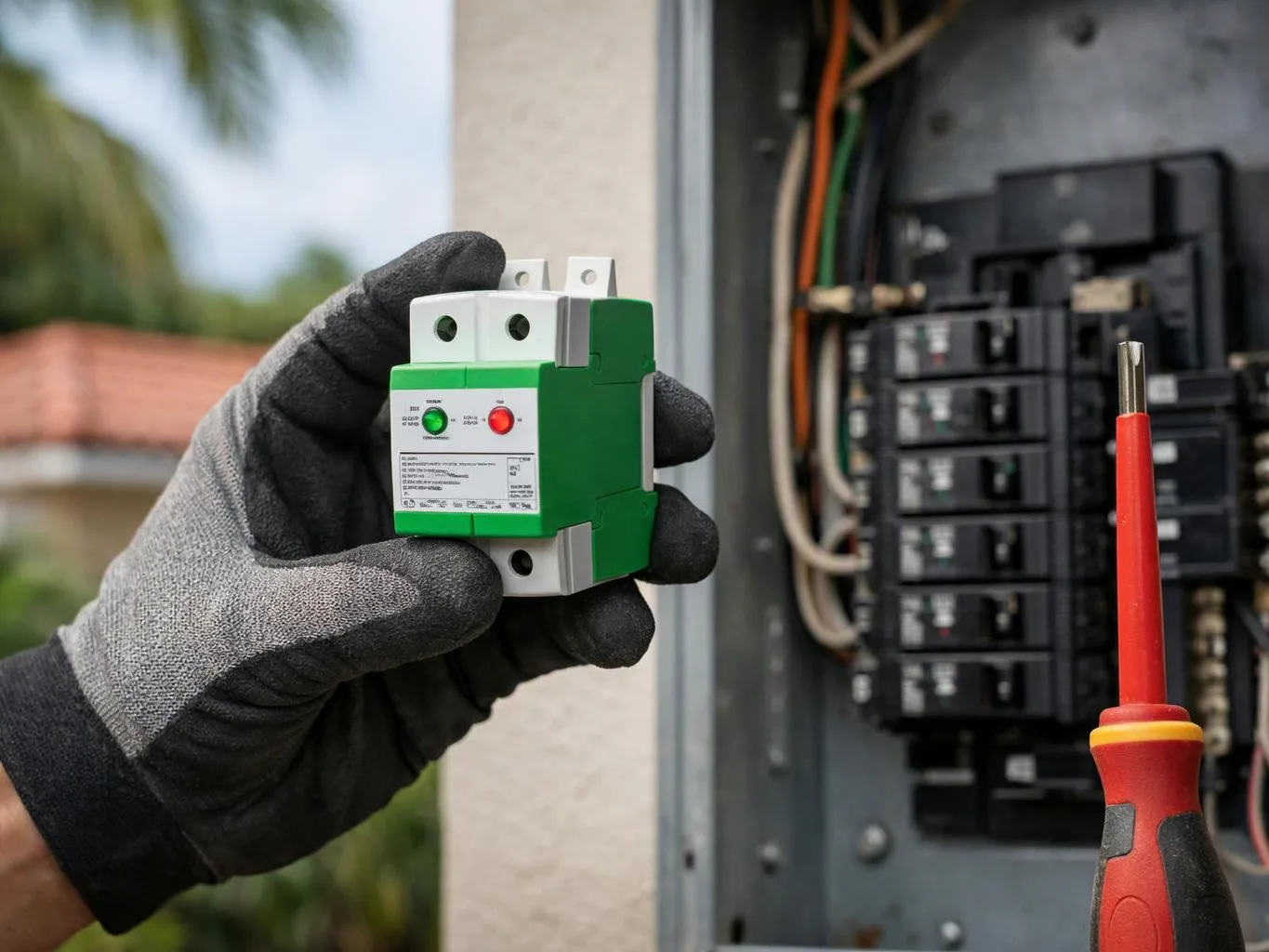
Hallway walls near sleeping areas are often reviewed first, with fuel-appliance rooms and basement rooms considered as part of the layout. Earth Electric checks audibility, access, and the available connection before mounting detectors. Placement is not based on one room alone. The property’s use and appliance locations shape the final installation plan.
How does a detector installation visit move from the first call to the last step?
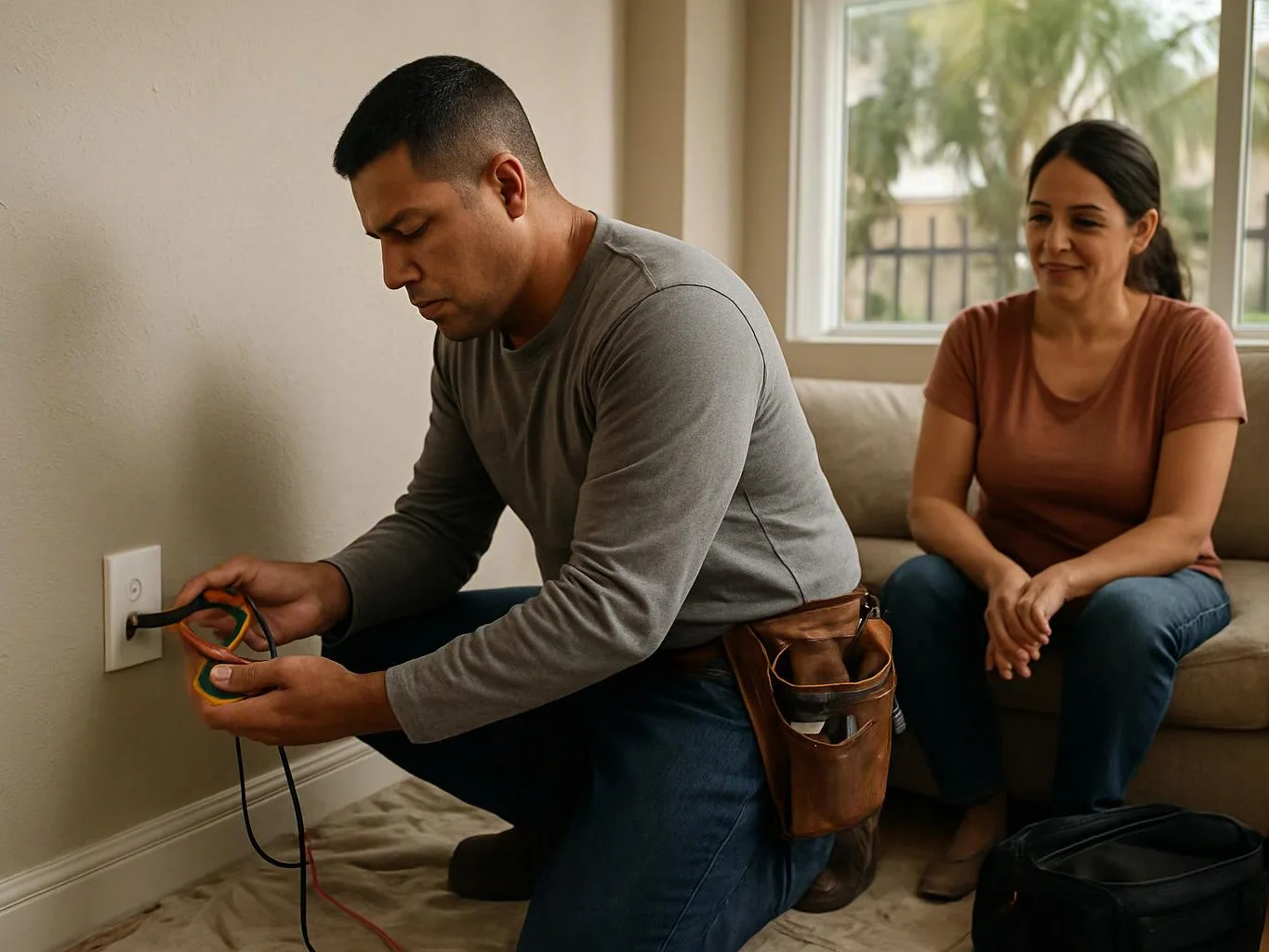
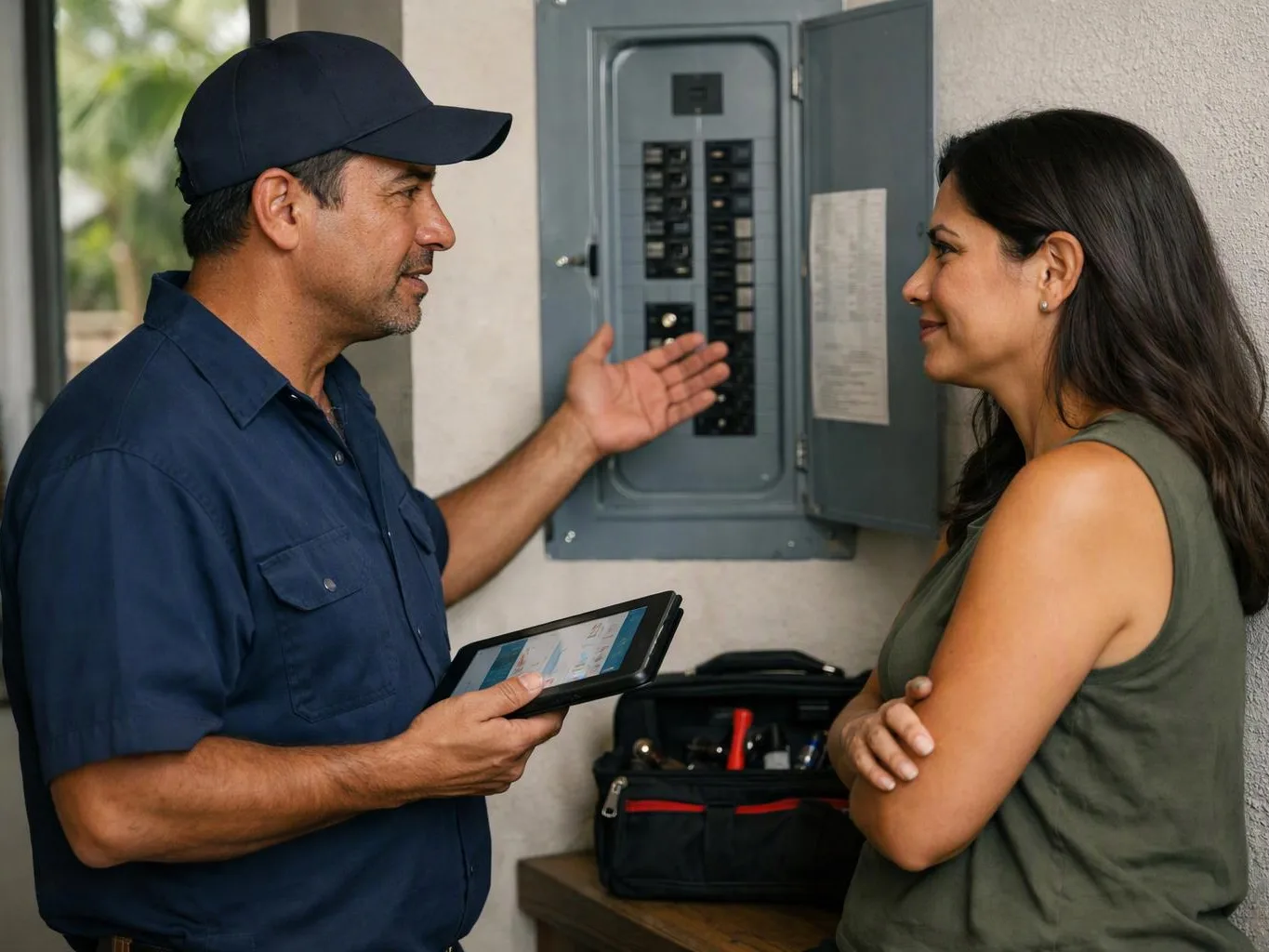
The visit moves from a layout review to placement checks, installation, testing, and a final explanation. We first discuss the property and any alarm concern. Then we inspect the proposed points, connect and mount the detectors, test each device, and explain what to do if an alarm sounds.
What tells me whether this service fits my property?
A property fits this service when it needs new carbon monoxide detectors, replacement devices, placement guidance, or installation testing. Homes, offices, retail spaces, and commercial properties can all need this work. An active alarm or suspected carbon monoxide release requires emergency action first, not a routine installation appointment.
Which part of the property decides the installation scope?
The property layout decides the scope, especially sleeping areas, fuel-appliance rooms, basement rooms, and accessible electrical points. We count the areas that need coverage and inspect each proposed location. A remodel, added appliance, or change in room use can also affect the quote.
Why would a detector alarm after a new device is installed?
An alarm after installation can indicate carbon monoxide, a detector fault, or an issue near fuel-burning equipment. Leave the property if anyone feels unwell and contact emergency services before investigating. After the area is safe, we can test the detector, inspect its connection, and look for electrical concerns around the installation.
What should a property manager prepare before the visit?
A property manager should prepare access to the rooms and information about known fuel appliances. Access to sleeping areas, hallway walls, basement rooms, and electrical points helps us review the full scope. Photos can help with an initial discussion, but the installation points still need an on-site check.
Can this service include related electrical repairs?
Related electrical repairs can be discussed when the detector installation reveals a wiring, outlet, switch, or circuit concern. We separate that work from the detector placement and explain the added scope before proceeding. A fuel appliance fault is outside a detector installation and needs the right appliance service.