What signs indicate circuit breaker damage?
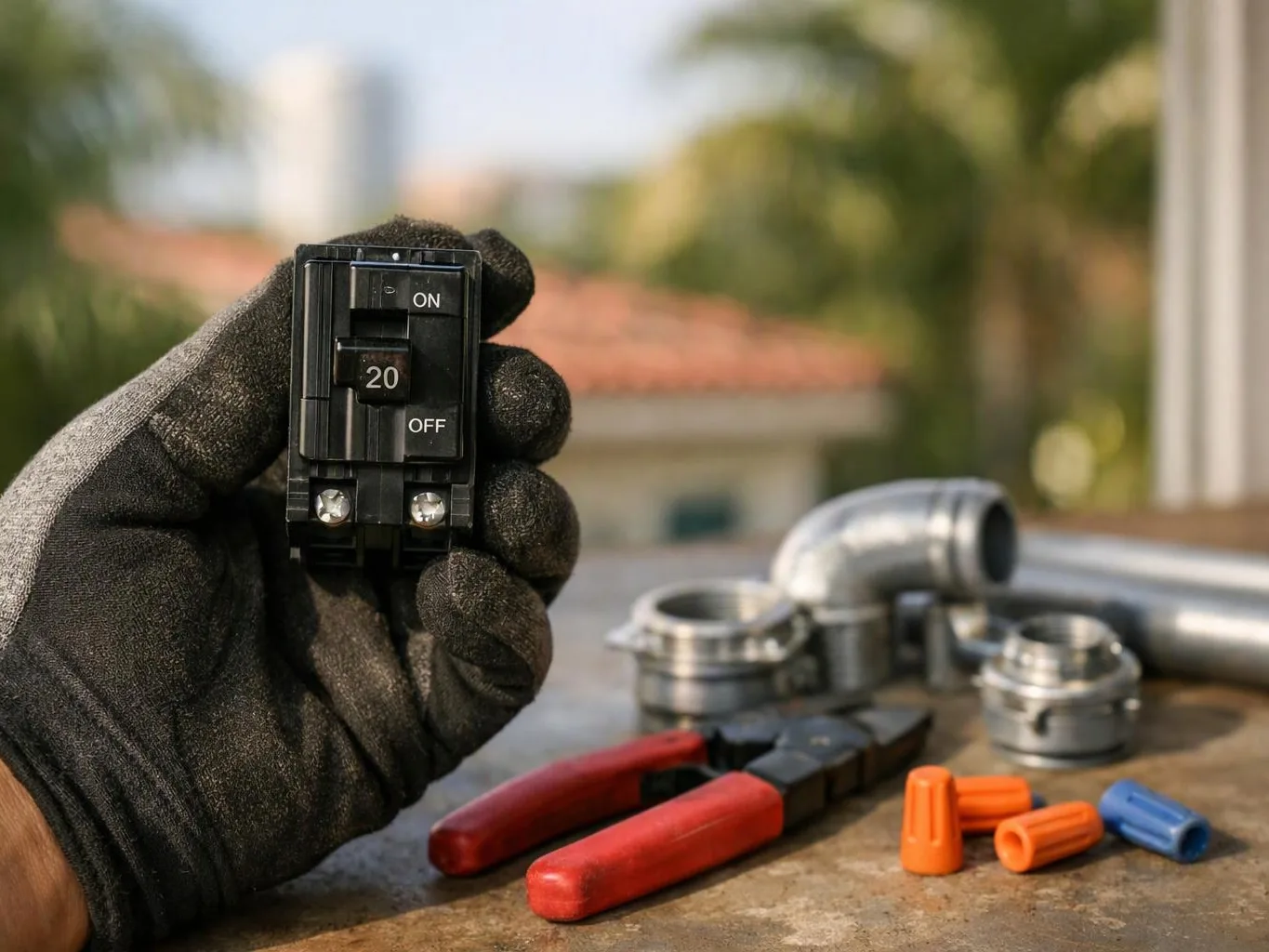
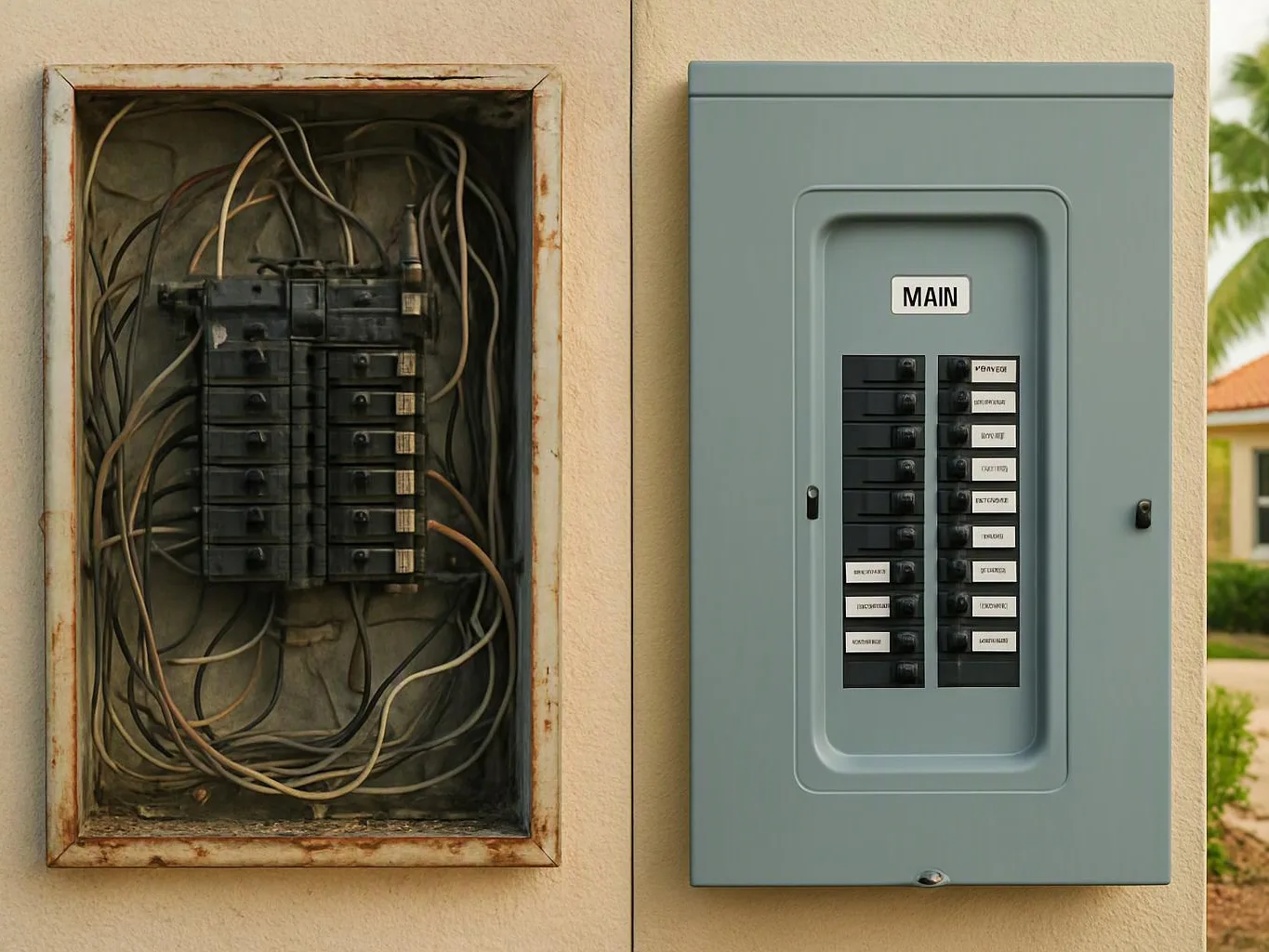
Crackling sounds indicate possible breaker damage, especially when paired with heat, a burned casing, or a loose handle. Earth Electric checks the breaker, connections, circuit wiring, and panel bus to identify the source. Stop using the affected circuit when safe, keep the panel closed, and request an electrical assessment.
Which part of the property decides the repair scope?
The affected panel and connected circuit decide the repair scope. A panel inspection checks the breaker, terminals, bus, wiring, and connected loads. Circuit tracing then shows whether the fault stays at the breaker or reaches an outlet, switch, appliance, or other circuit point.
Which material changes how long breaker repair takes?
The condition and type of connected wiring can change the work involved. Copper conductors, aluminum wiring, damaged insulation, and crowded panel connections each require different checks. Our team identifies the material and connection condition before setting the repair scope, so the estimate reflects the actual electrical work.
How does a breaker repair visit move from the first call to the last step?
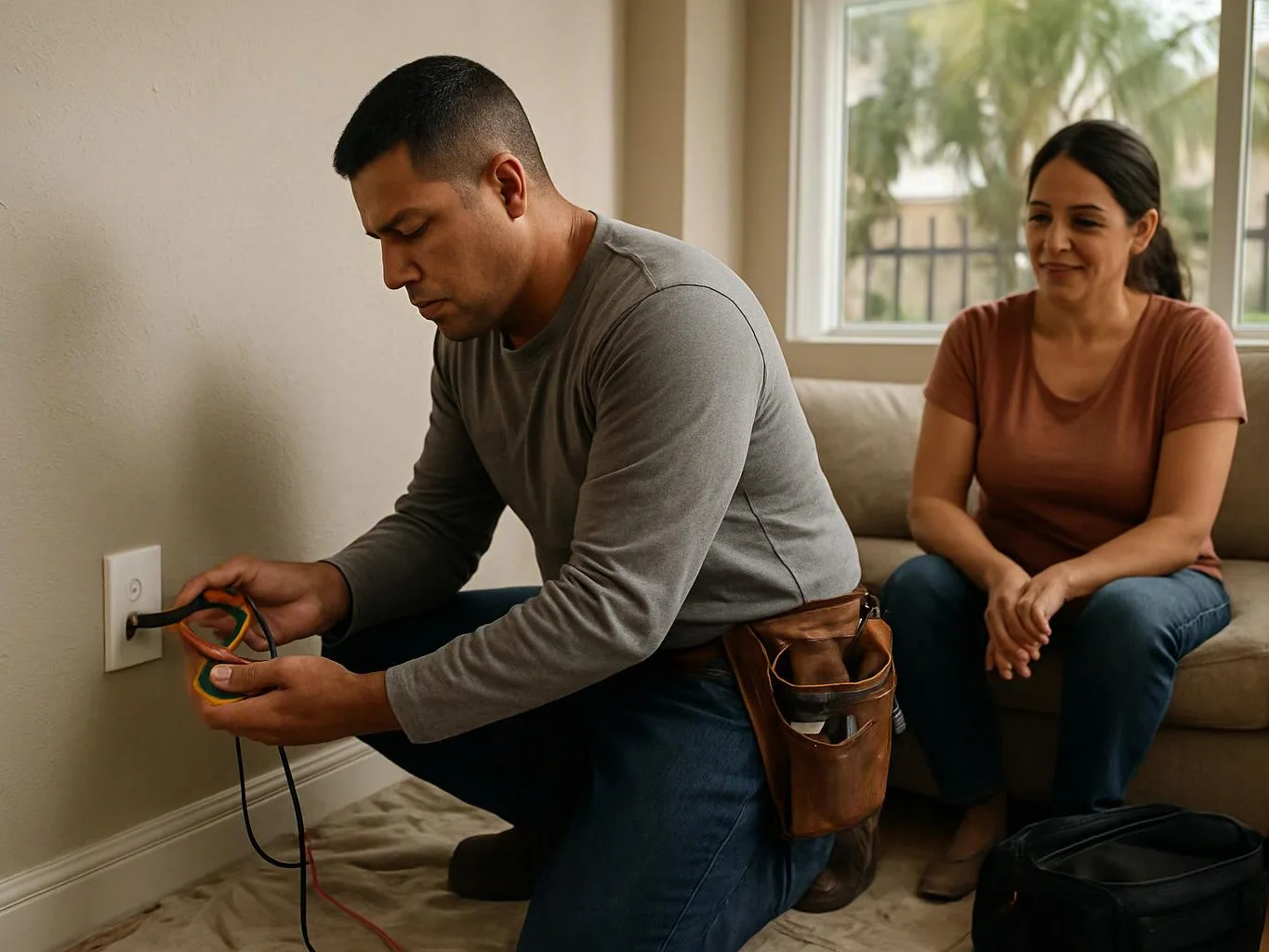
A breaker repair visit moves from symptom review to inspection, circuit tracing, repair, and testing. We first record the affected equipment and warning signs. Next, we inspect the panel and explain the repair scope. After the work, testing and verification confirm the circuit and breaker operate correctly.
When should I stop using the affected circuit?
Stop using the affected circuit when the panel shows heat, burning, visible damage, or unusual sound. Our team checks the breaker and connected wiring before recommending repair or replacement. Do not remove the panel cover or force a loose handle, because those actions can increase the electrical risk.
Why might a new breaker fail to solve the problem?
A new breaker may not solve the problem when the fault sits in the wiring, connection, panel bus, or connected load. We trace and test the circuit before selecting a replacement. That check helps identify overloads, damaged conductors, loose terminations, and other causes that a breaker swap alone will not correct.
What information should I provide before requesting an assessment?
The useful details are the affected breaker, lost outlets or equipment, visible damage, unusual sound, heat, and any recent electrical change. Photos of the closed panel can help if they are safe to take. Do not open the panel or touch damaged parts while gathering information.