What type of outlet should be installed for each room?
Tamper-resistant outlets suit rooms where children may access receptacles, while GFCI protection fits locations with ground-fault concerns. Earth Electric matches the device to room use, moisture exposure, equipment, and circuit wiring. Kitchens, bathrooms, garages, offices, and exterior locations can need different protection. We confirm the choice after checking the box, conductors, grounding, and connected load.
How is outlet installation matched to the property before work starts?
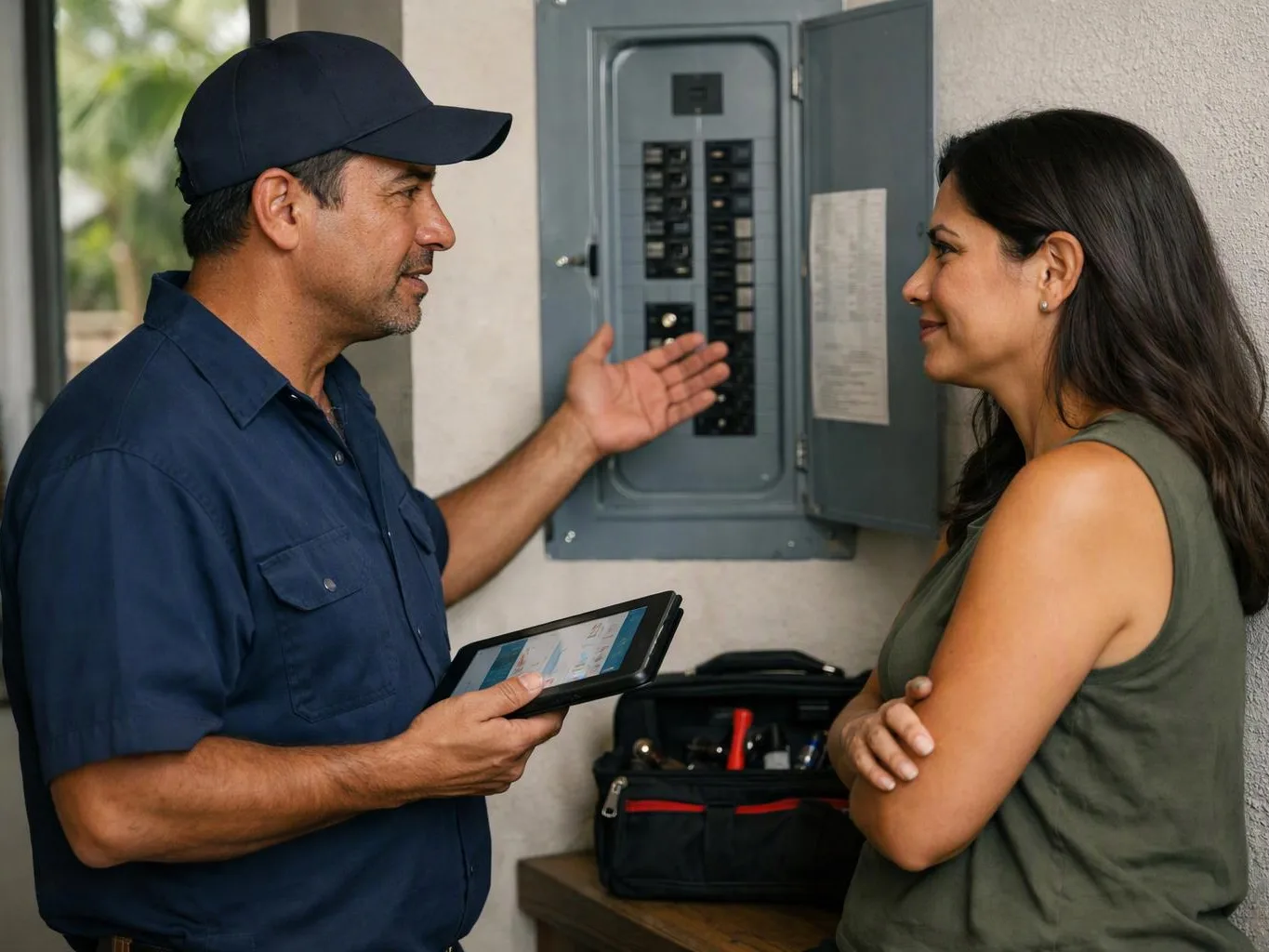
Room use, circuit capacity, wiring condition, and equipment needs guide the outlet choice. We inspect the existing box, trace the serving circuit, and check grounding before setting the work scope. Customers who share the room purpose and planned equipment help us assess the installation more accurately. Related panel or wiring repairs are explained separately when needed.
Which condition on the property changes the time for outlet installation?
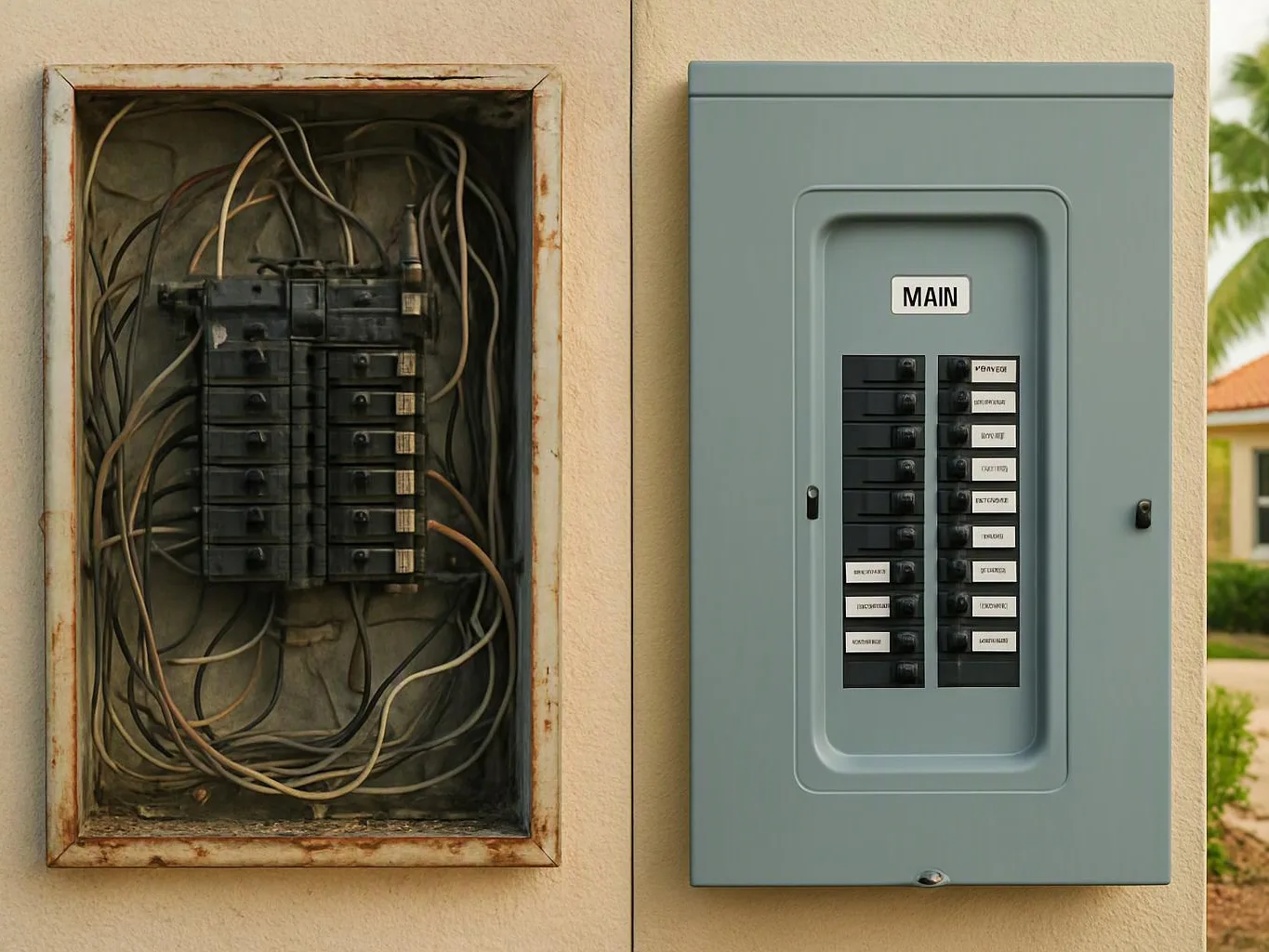
Limited access, damaged wiring, missing grounding, and an overloaded circuit can add work before an outlet is connected. We check those conditions during the assessment and explain the effect on the scope. A simple receptacle replacement differs from work that needs circuit tracing, box repair, panel changes, or rewiring.
What should be ready before outlet installation starts?
The room should be accessible, and the planned equipment should be identified before outlet work starts. Customers should clear the work area and note any dead outlets, warm plates, buzzing sounds, or breaker trips. Photos of the outlet and electrical panel can help us understand the request, but we still verify wiring and circuit condition on site.
Why does a new outlet need circuit testing?
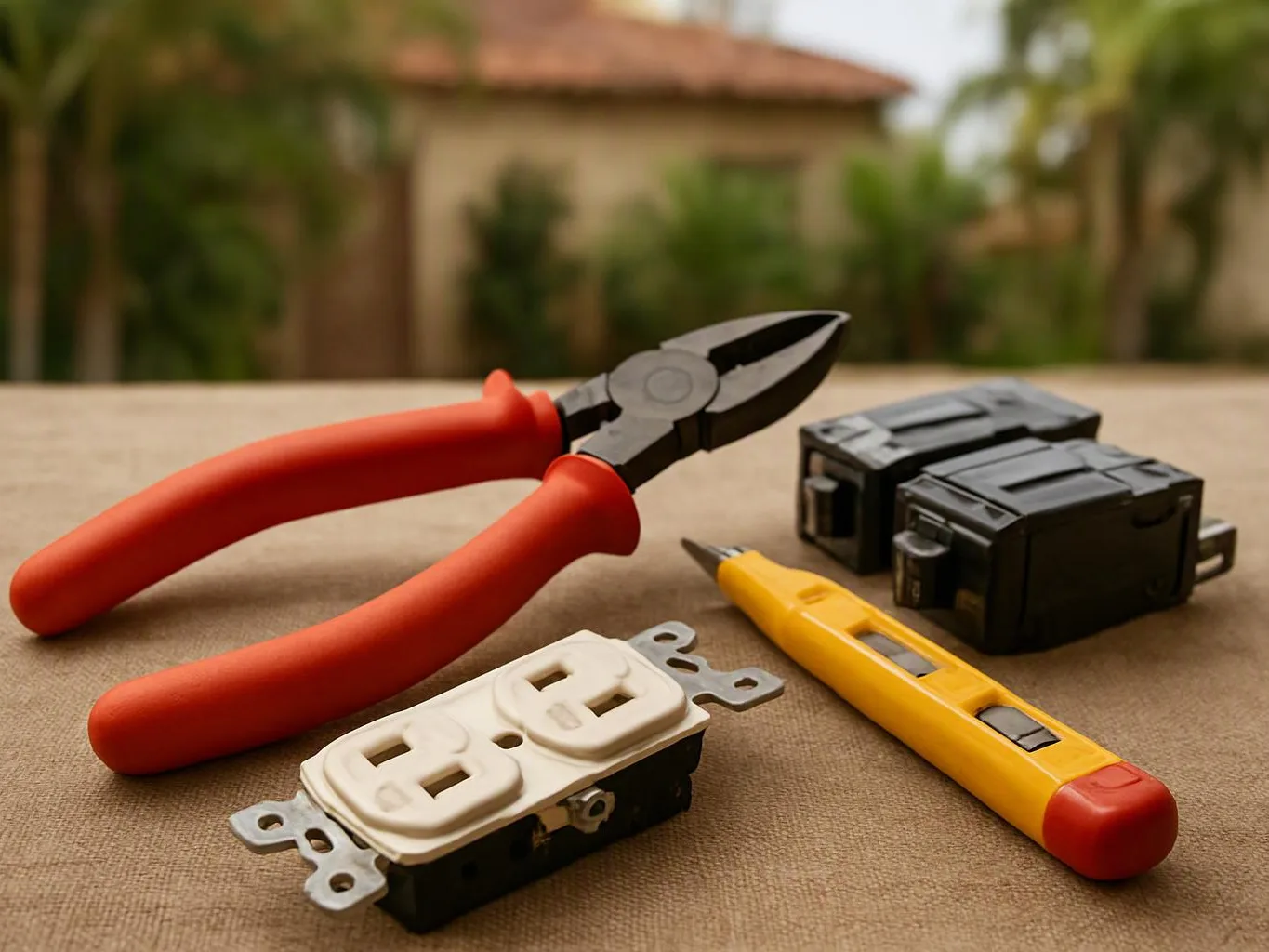
Circuit testing confirms that the outlet has correct polarity, grounding, voltage, and connection. We also check whether the breaker and branch circuit suit the planned load. Testing can reveal reversed conductors, loose wiring, or a missing ground that a visual check might not show. We explain any separate repair before expanding the work.
When should a dead outlet receive diagnosis instead of replacement?
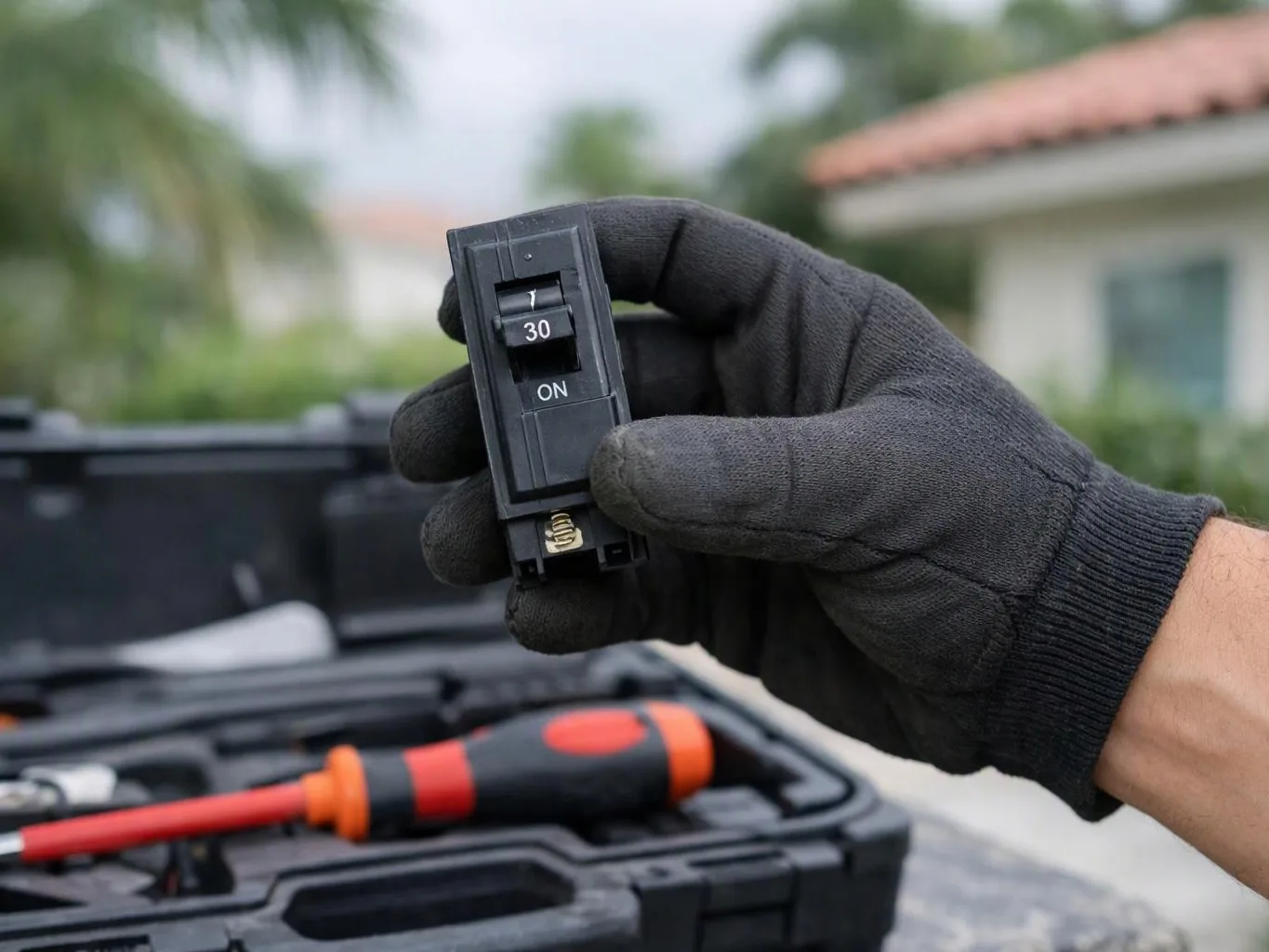
A dead outlet needs diagnosis when a breaker trips, nearby outlets fail, or the receptacle shows heat or damage. We test the device and trace the circuit before choosing replacement. Replacing the faceplate alone won't address a loose connection, damaged conductor, failed breaker, or overloaded circuit. Stop using an outlet with a burning smell or visible sparking.