What panel features improve electrical safety?
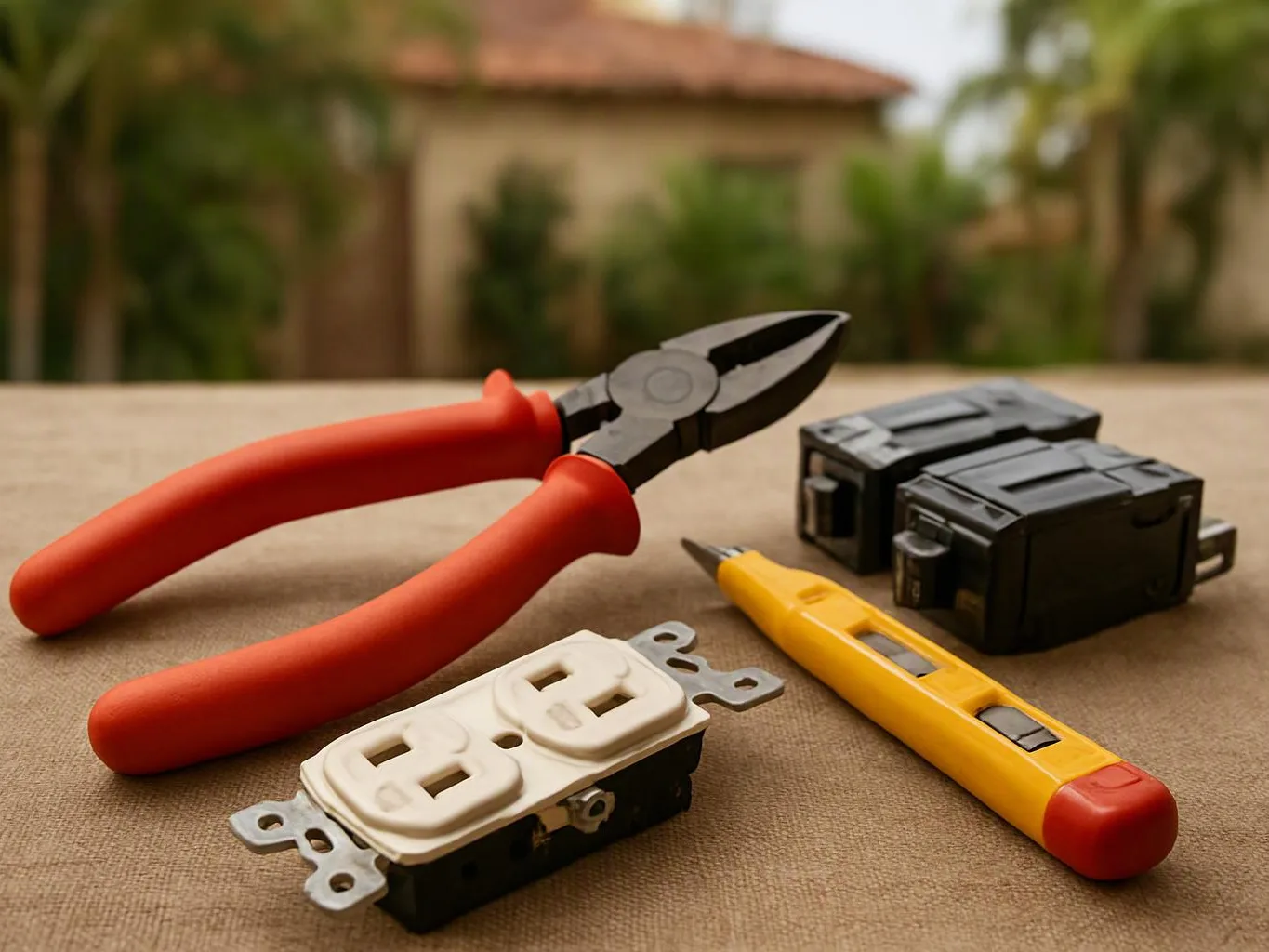
GFCI breakers improve safety by helping protect people from ground-fault shock risks in suitable circuits. We also review AFCI breakers, the main disconnect, grounding, circuit labels, and surge protection during panel planning. The correct mix depends on the circuits, equipment, panel design, and permitted scope. Earth Electric explains each feature before the work begins.
Which part of the property decides the scope of panel work?
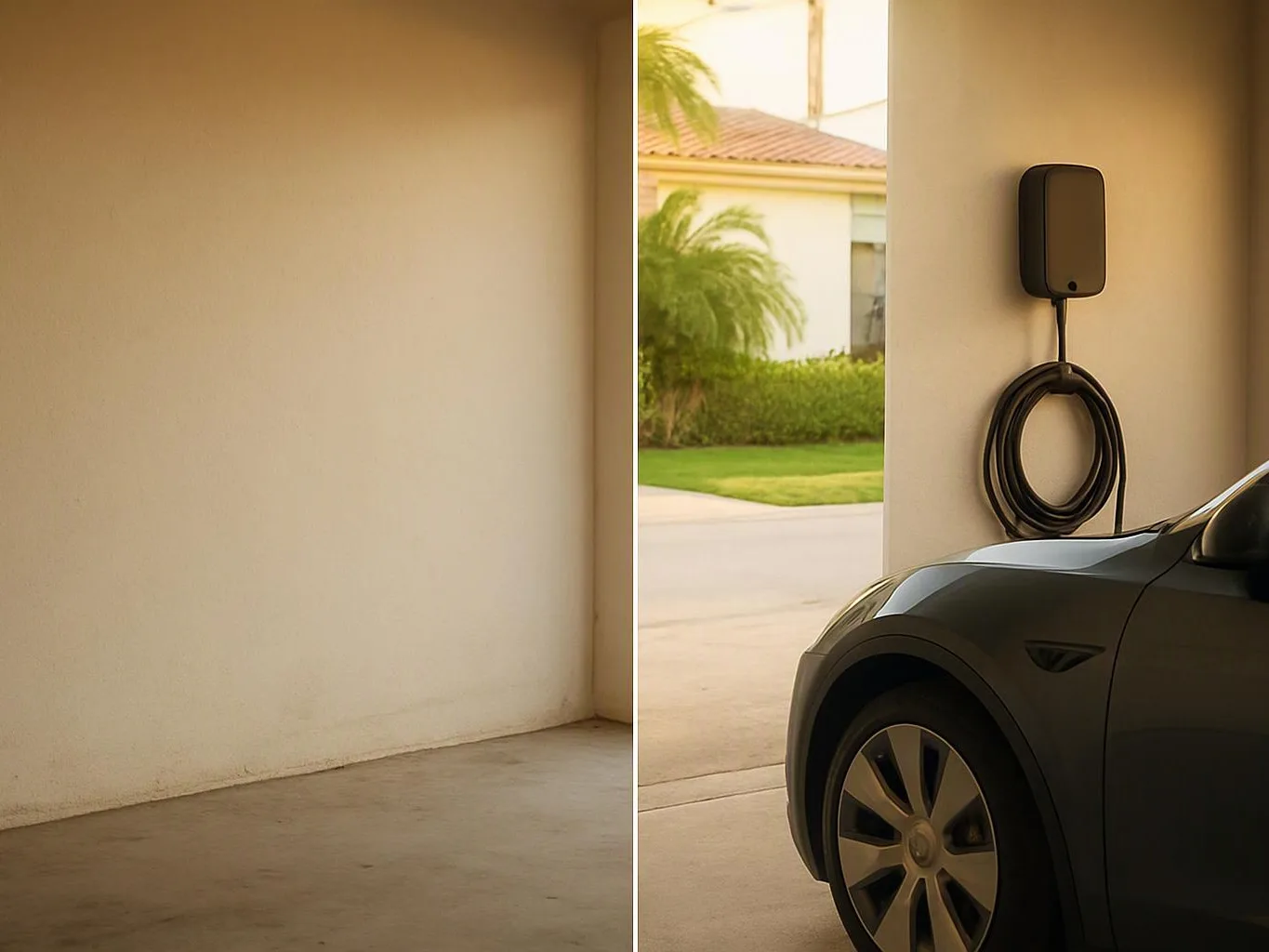
The service entrance and connected electrical load usually decide the panel upgrade scope. We inspect the main panel, branch circuits, grounding, and equipment that draws power from the system. A planned charger, appliance, renovation, or commercial load can change the review. Access to the panel and visible wiring also helps us define the work.
Which material changes how long panel work takes?
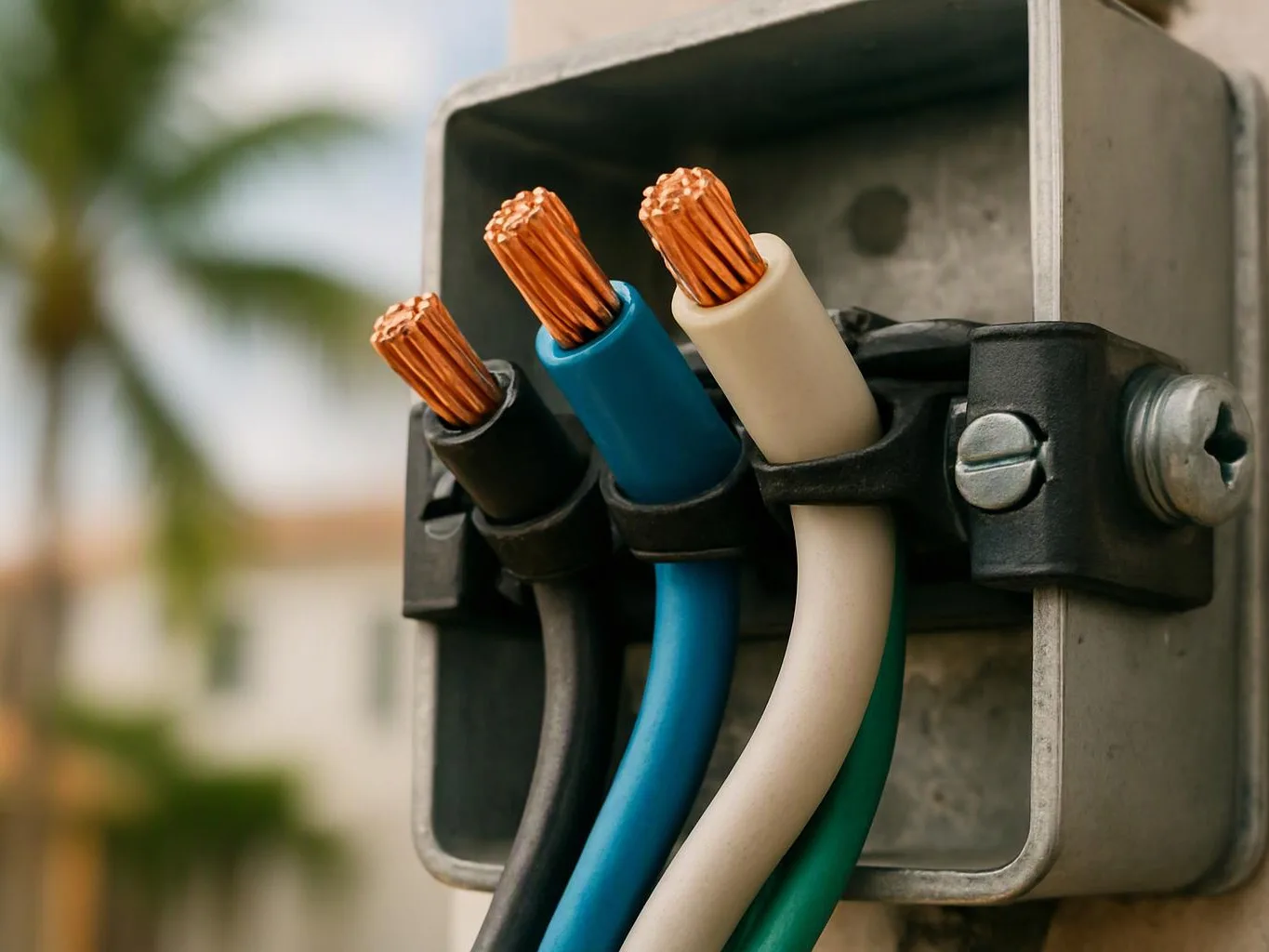
Existing aluminum wiring, damaged conductors, and difficult cable access can expand the work involved. We check conductor condition, terminations, panel space, and the route to connected circuits before setting the schedule. Material concerns can require separate remediation, so we identify them before installation instead of folding unknown wiring work into the panel scope.
How does a panel upgrade visit move from the first call to the last step?
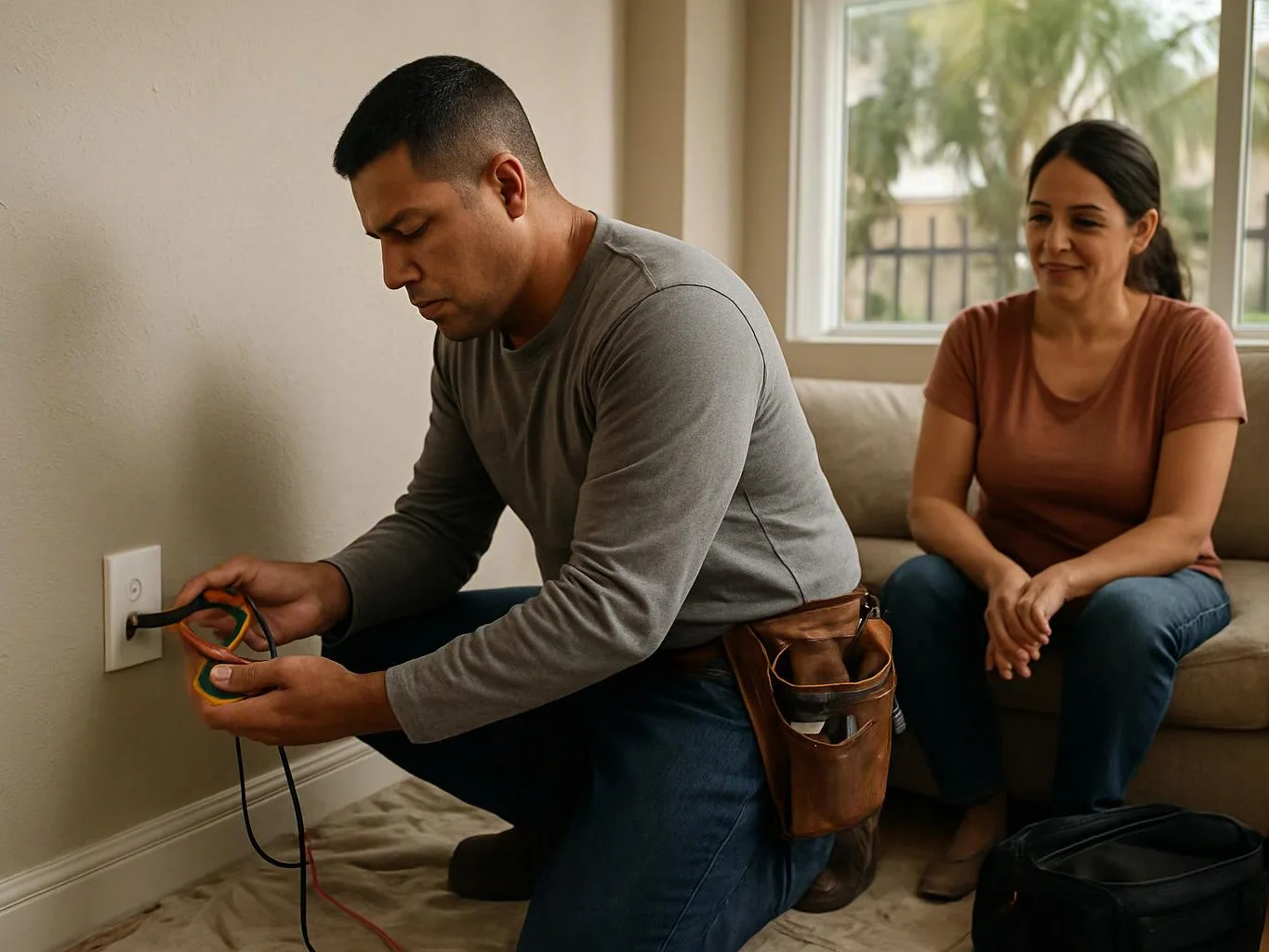
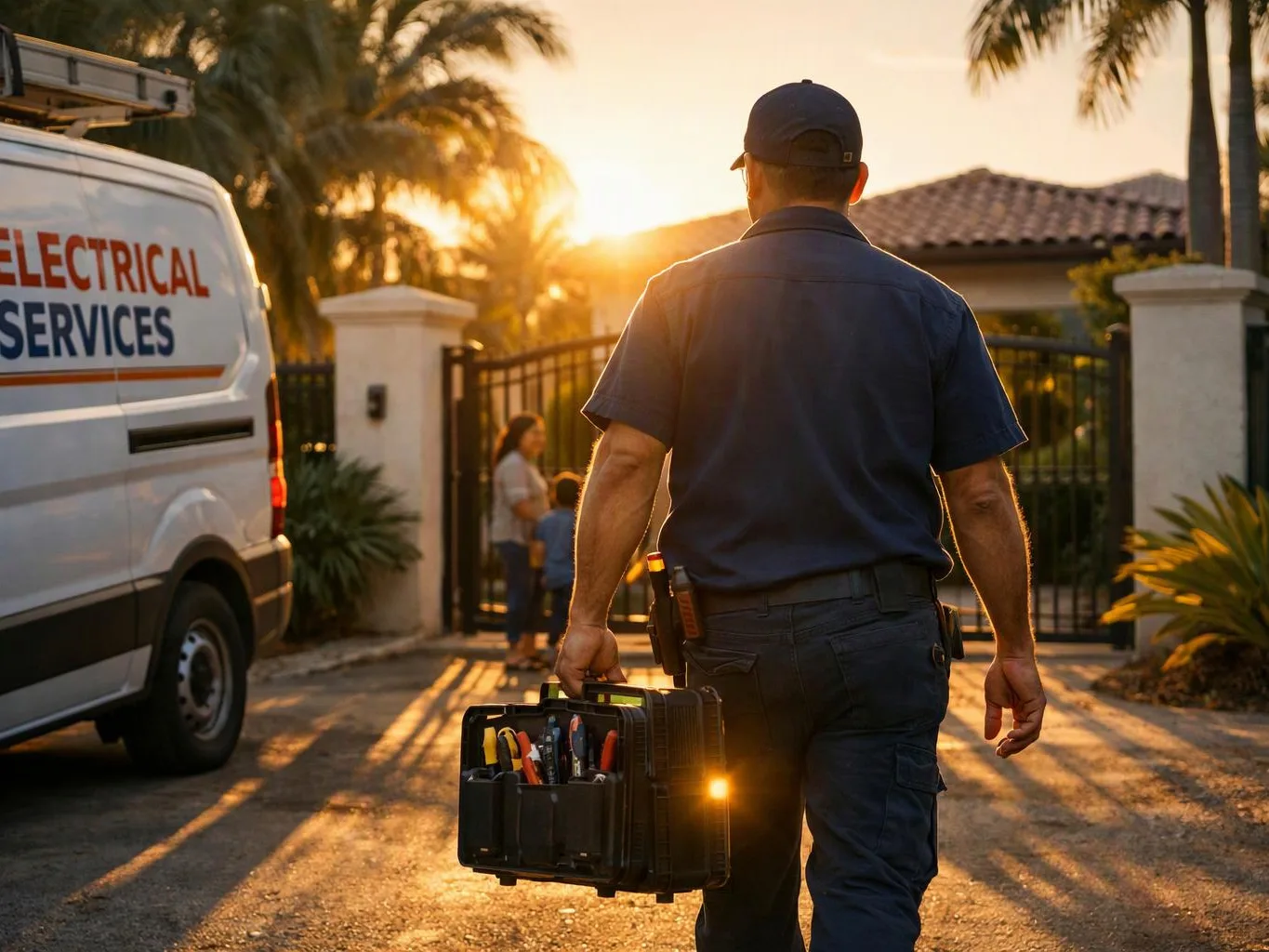
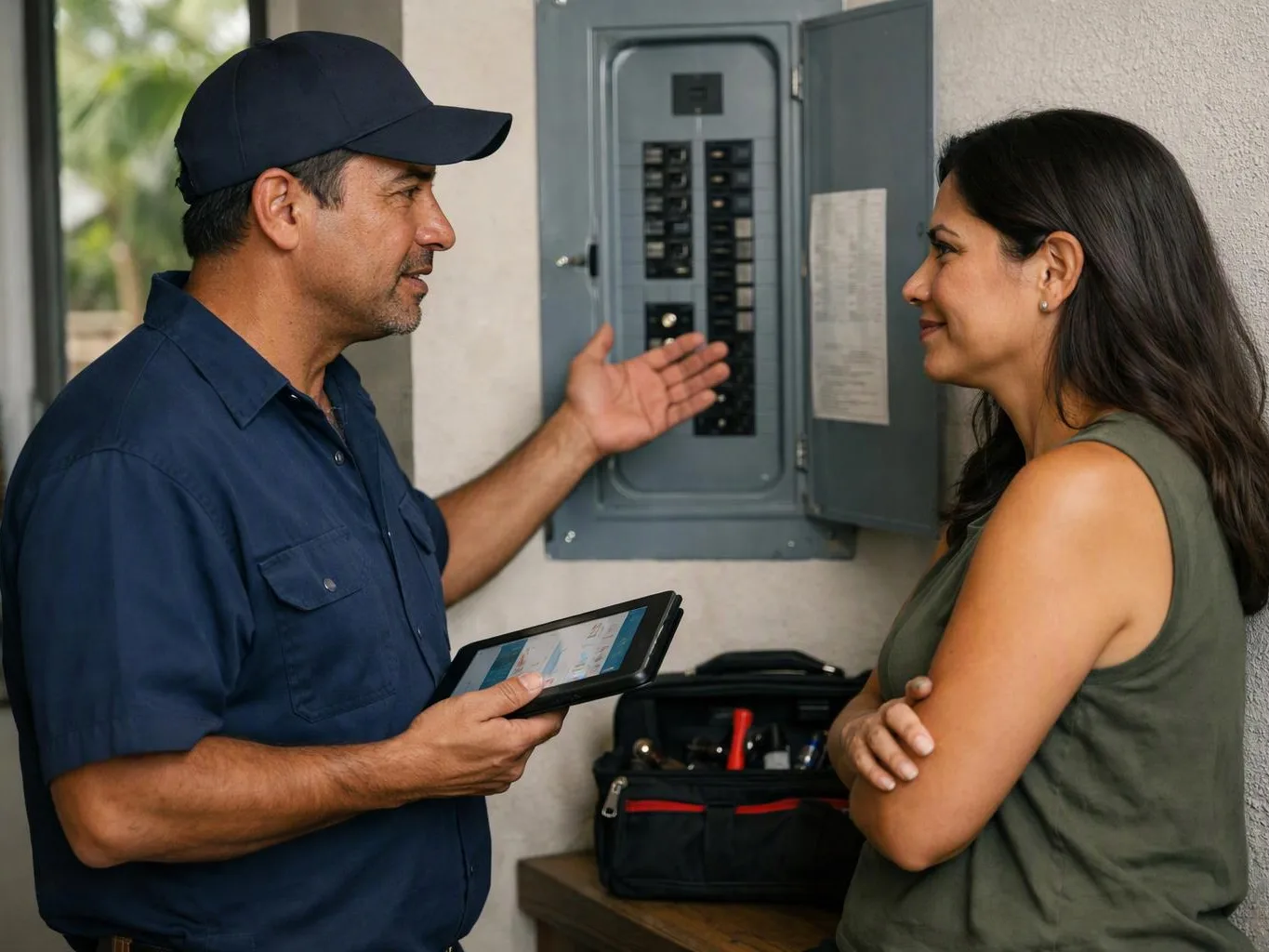
The visit moves from symptom review to panel inspection, load planning, scope approval, installation, and testing. We start by discussing the property and electrical concern. Next, we inspect and trace circuits, explain the estimate, complete approved work, and check the finished panel. Permit and inspection steps apply when the work requires them.
When does a tripping breaker call for panel replacement?
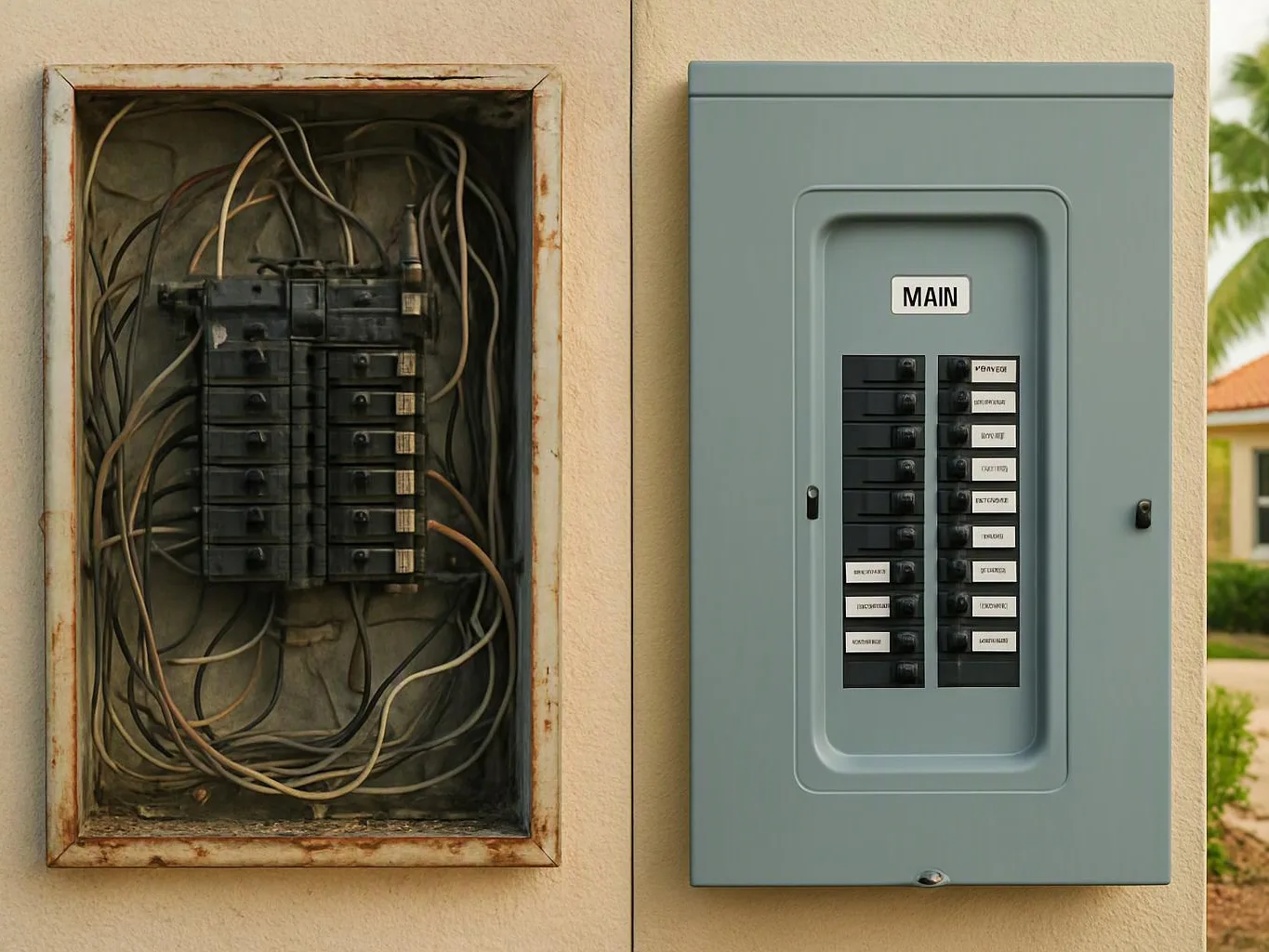
A tripping breaker calls for panel replacement when inspection finds equipment damage, poor capacity, unsafe connections, or a panel that cannot support the required circuits. We first check the breaker, wiring, connected load, and panel condition. Replacing one breaker may fit a limited fault, while a broader panel problem needs a larger scope.
Why should I avoid resetting a buzzing breaker panel?
A buzzing panel can signal a loose connection, failing breaker, or heat-related damage. We inspect the panel and isolate the affected circuit before recommending repair or replacement. Leave the cover closed and avoid touching exposed parts. If you smell burning or see smoke, move away from the panel and request emergency electrical help.
What should I prepare before requesting an upgrade assessment?
Panel access, appliance details, recent electrical symptoms, and renovation plans help us assess the job. Note which breaker trips, what equipment was running, and whether lights or outlets were affected. Keep the panel area clear, but do not remove the cover. Photos can help with an initial discussion when they show the panel label and surrounding access.