What electrical safety issues should homeowners watch for?
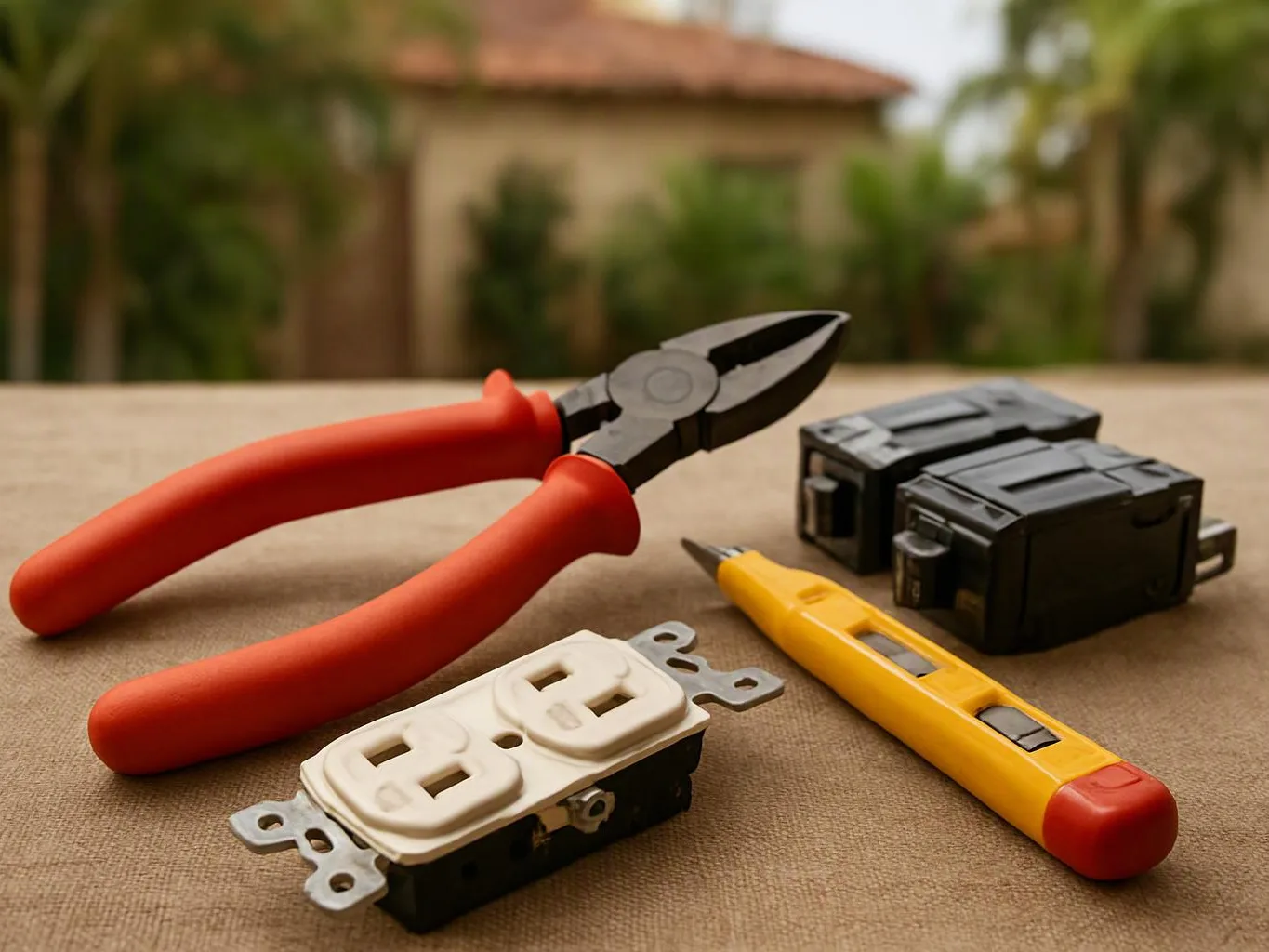
Repeated trips, burning smells, flickering lights, and warm switches are warning signs that need inspection. We check the panel, breaker, circuit, wiring, outlet, and switch linked to the symptom. Stop using a hot or damaged electrical point, and request an assessment before resetting a breaker again or adding more load.
Which part of the property decides the inspection scope?
The affected panel, circuit, wiring path, and connected equipment decide the inspection scope. We start where the symptom appears and trace the electrical path back to the breaker and panel. Access to the panel and affected rooms helps us check the full path and explain the right repair decision.
Which material changes how long the inspection takes?
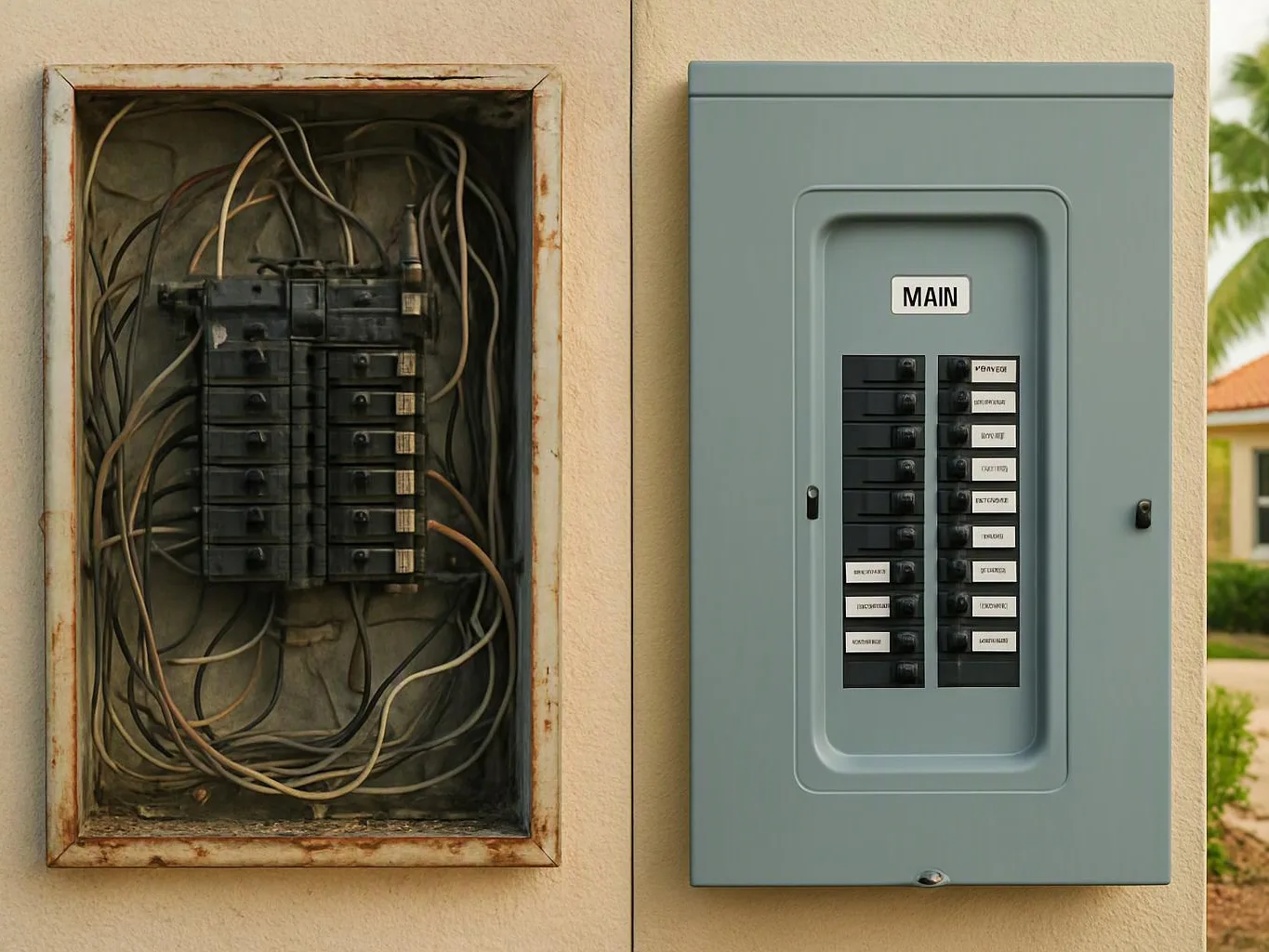
The wiring material and access conditions can change the inspection work. Aluminum wiring, older cable, crowded panels, and concealed circuits need closer review before we explain the risk. We check visible connections and trace the affected path, then identify whether further testing or repair is needed.
How does a safety inspection move from the first call to the last step?
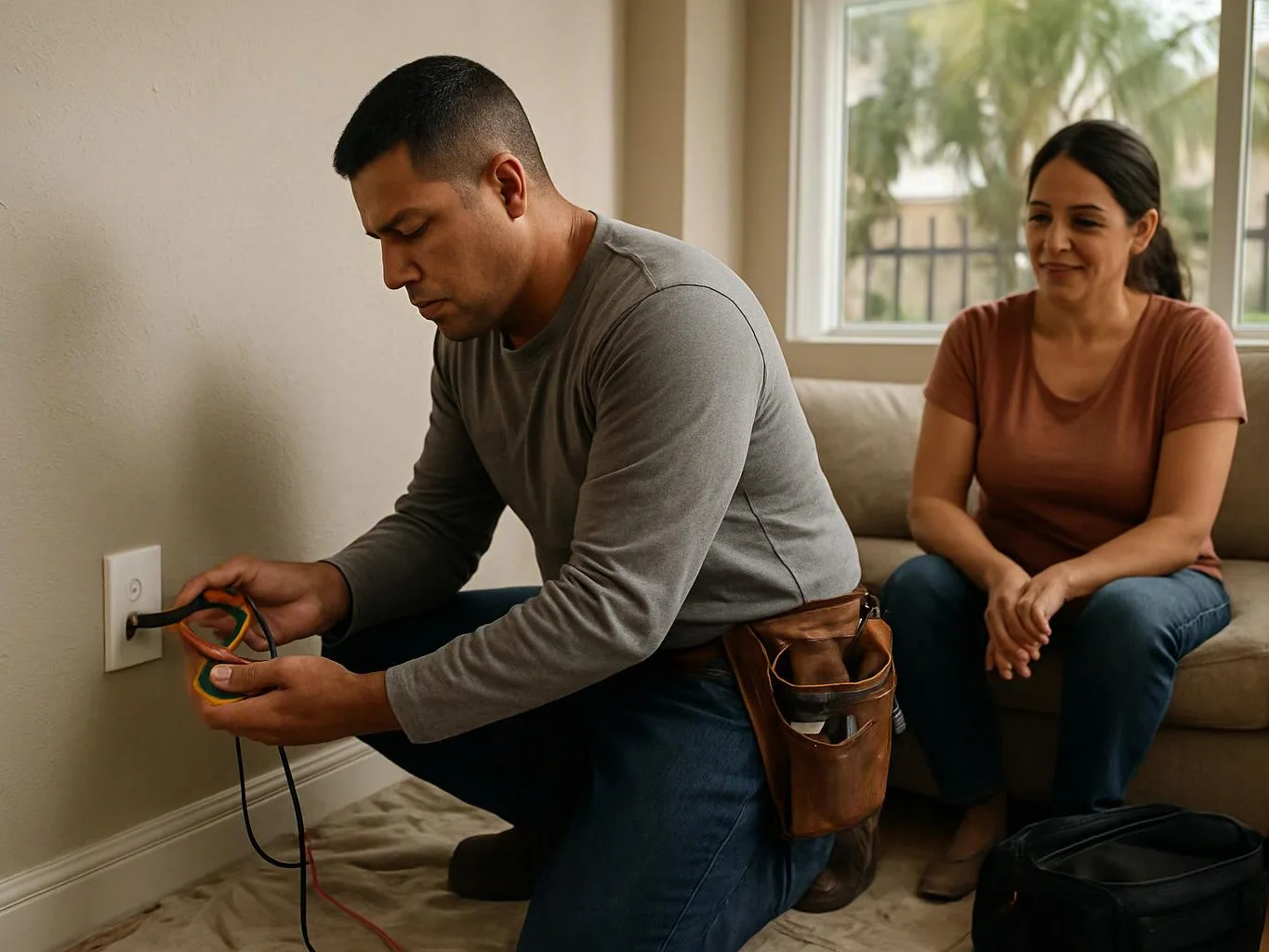
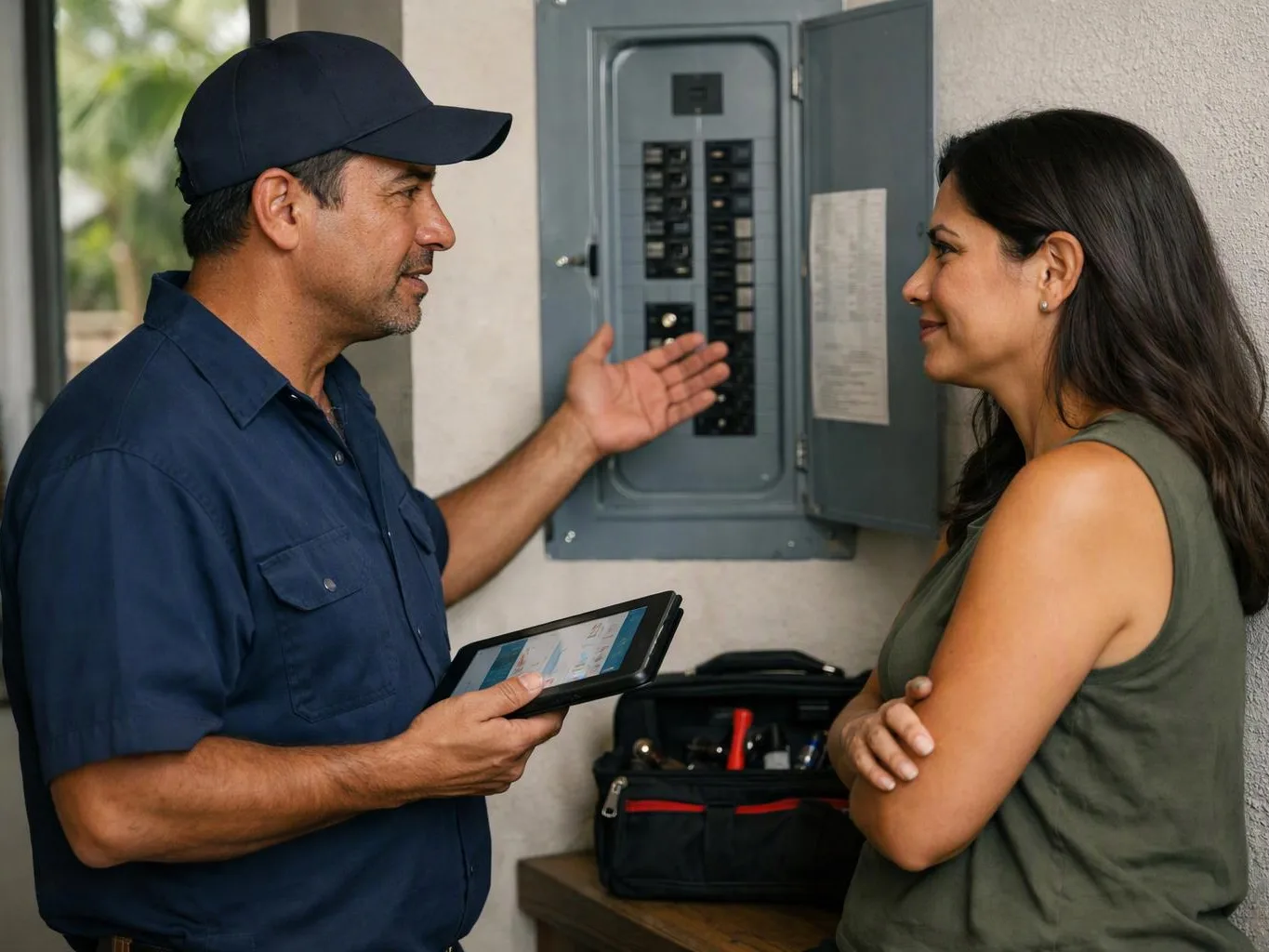
The inspection moves from symptom review to circuit checks, testing, documentation, and a repair decision. We record the affected areas, inspect the panel and wiring, trace the circuit, and verify the concern. The final step is a plain explanation of repair, replacement, or further testing needs.
What should I do before Earth Electric inspects a property?
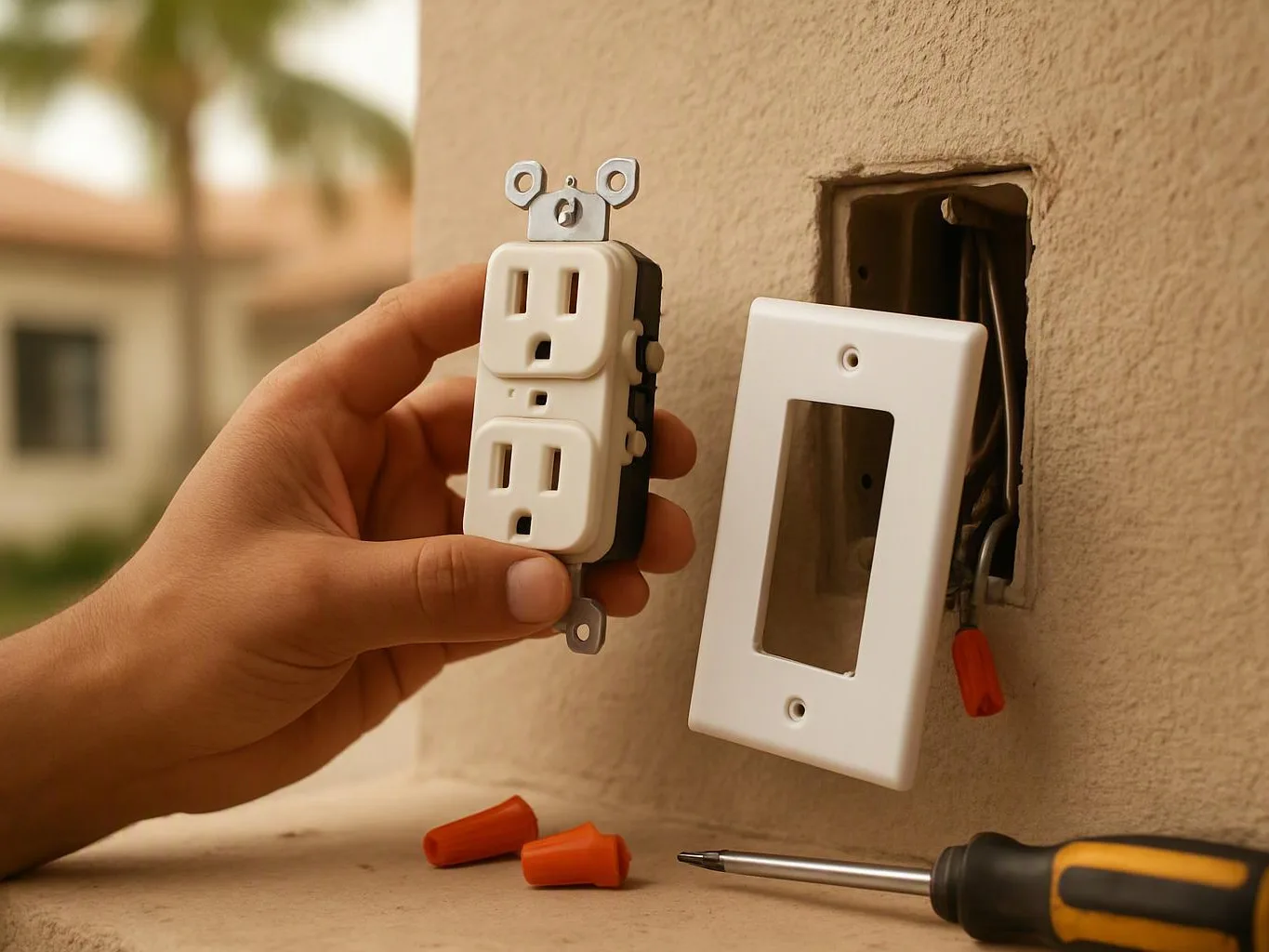
Provide access to the panel, affected rooms, outlets, switches, and equipment linked to the concern. Photos of damage or a breaker label can help us understand the symptom before arrival. Do not remove covers or handle damaged wiring, especially when heat, smoke, or sparking is present.
When does an inspection lead to a panel upgrade?
A panel upgrade becomes a consideration when the panel cannot safely support the property’s electrical demand or has damage that repair cannot address. We review breaker condition, available capacity, wiring, and load needs first. The inspection does not make a panel replacement automatic.
Can an inspection identify a need for rewiring?
An inspection can identify visible wiring concerns and signs that further rewiring work is needed. We review accessible wiring, connections, grounding, and circuit behavior before defining the scope. Concealed wiring needs further access or testing, so the final recommendation follows the conditions we can verify.