Why should homeowners watch for flickering lights?
Flickering lights can indicate a loose connection, overloaded circuit, or failing electrical device. Earth Electric checks the fixture, switch, circuit, and panel to locate the concern. The inspection also considers related signs, such as heat, odor, buzzing, or repeated breaker trips. Turn off the affected circuit when safe, and avoid continued use if the warning returns.
What does the crew look at first during an electrical safety inspection?
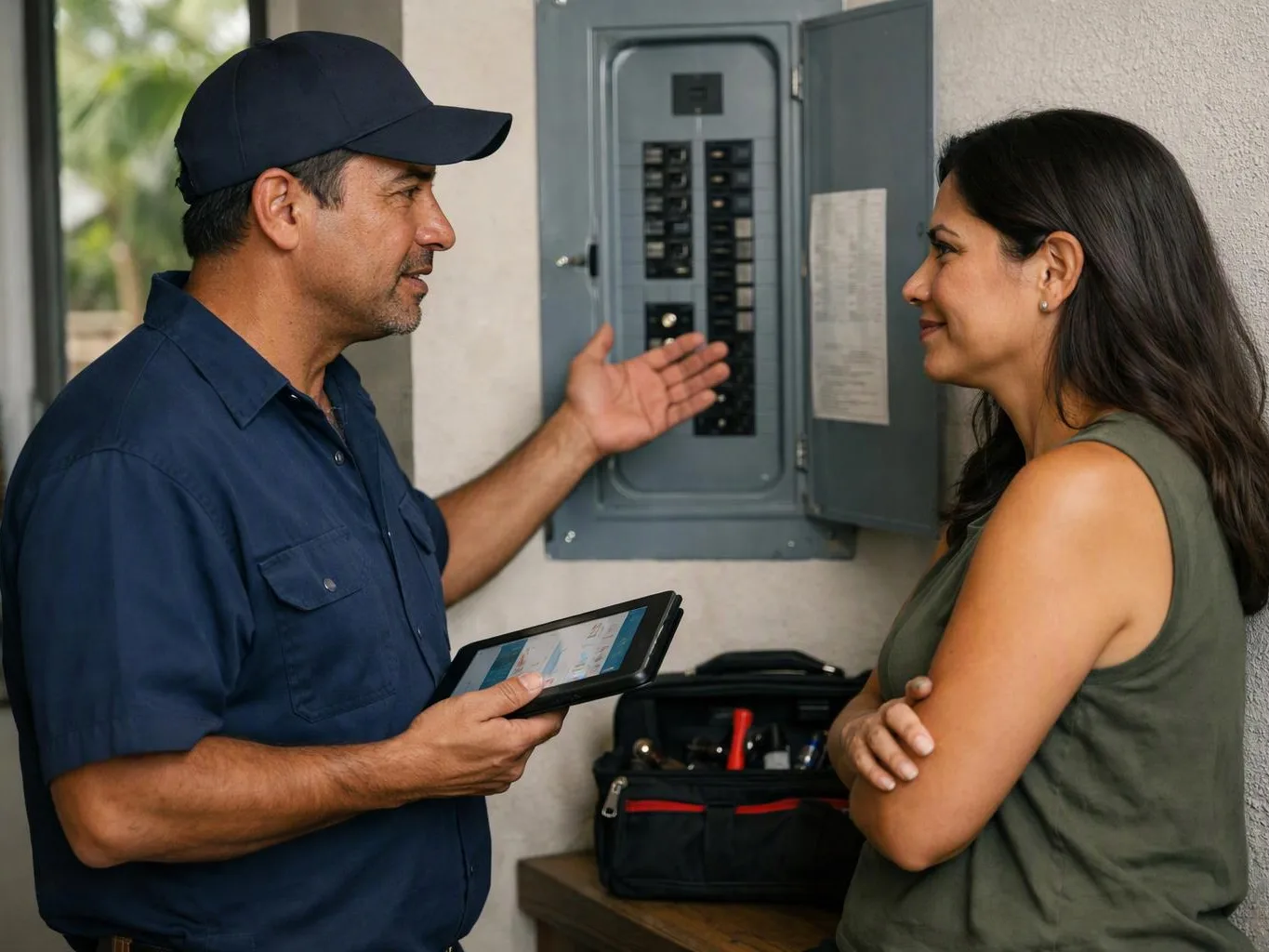
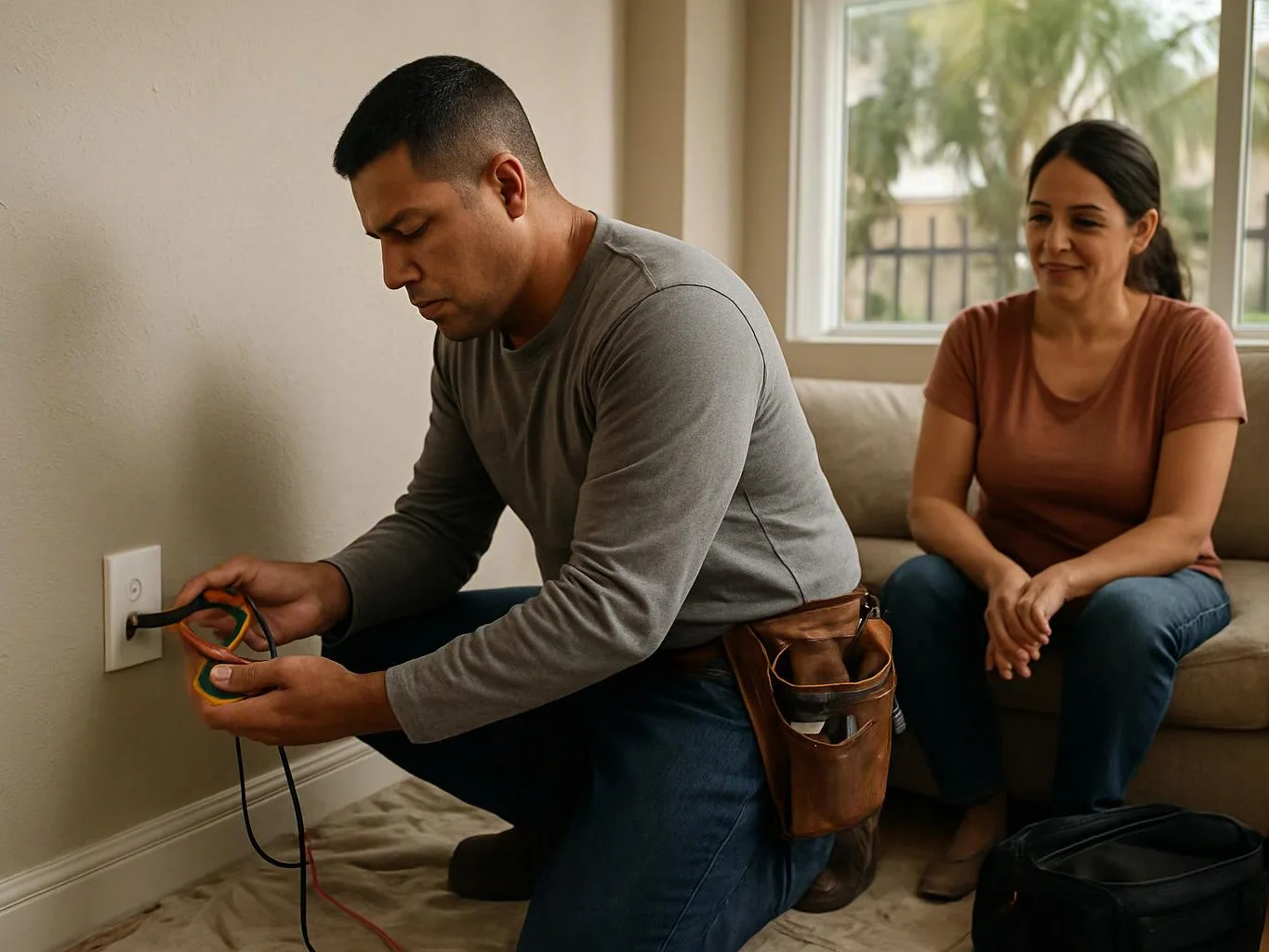
The first check covers the reported symptom, affected circuit, and electrical panel. We identify what the circuit supplies before inspecting connected outlets, switches, fixtures, and visible wiring. This order helps us isolate the concern safely and keeps the repair discussion tied to the actual fault.
What should be checked before an inspection is scheduled?
The affected rooms, electrical panel access, warning signs, and recent changes should be noted before scheduling. Write down when the fault occurs and which devices were running. Photos of a warm switch, damaged outlet, or panel label can help us understand the concern, but don't touch damaged equipment.
Who is a good fit for an electrical safety inspection?
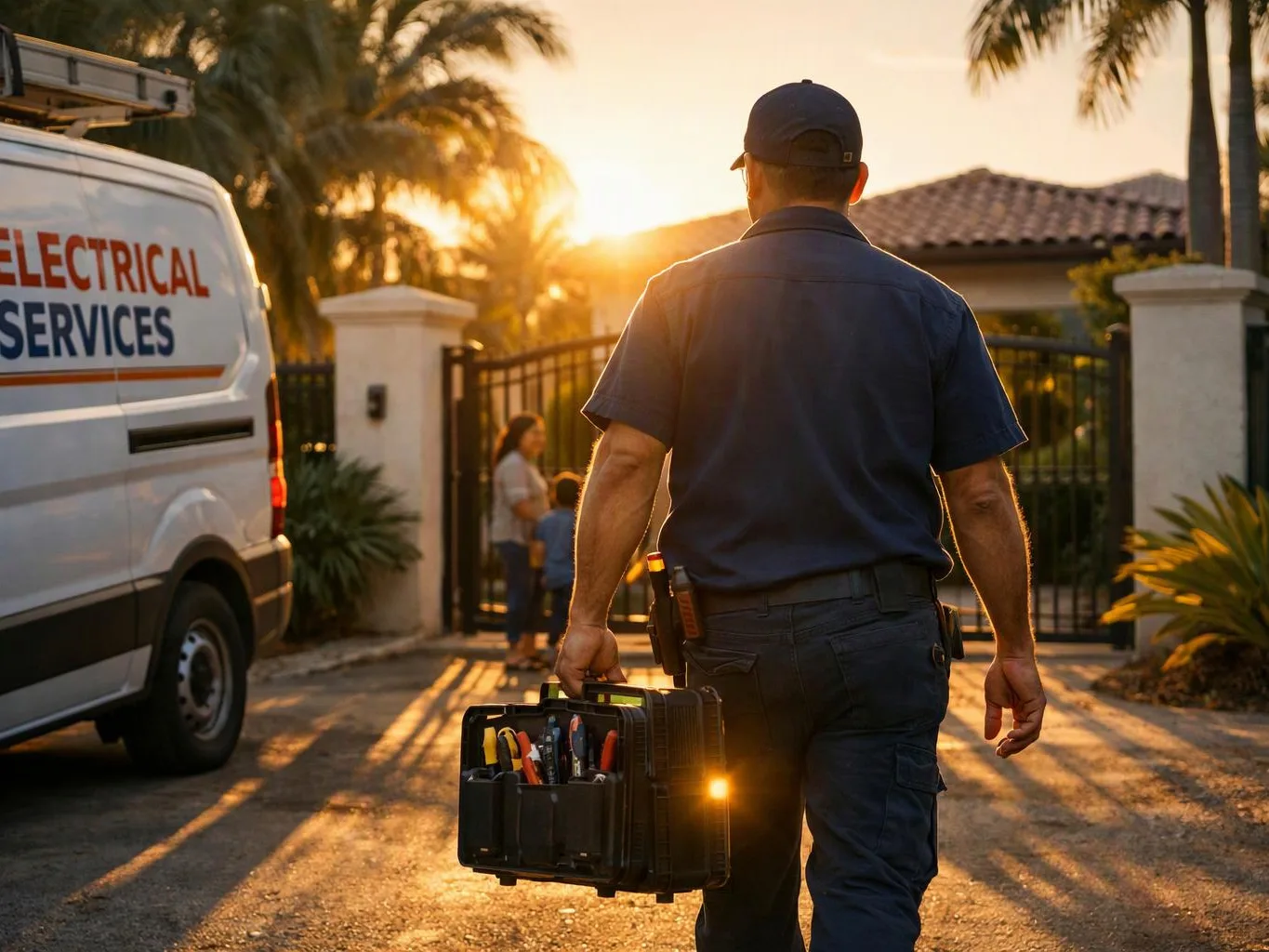
Homeowners, businesses, and property managers are good fits when a property has recurring symptoms or needs a safety review. We inspect accessible electrical systems and explain the next repair decision. A sparking outlet, active burning smell, or buzzing panel needs urgent electrical repair rather than a routine inspection alone.
Which part of the job changes the estimate most?
The inspection scope changes the estimate most when access, circuit count, or repair needs expand. A review of one affected circuit differs from work involving a panel, several rooms, rewiring, or grounding correction. Earth Electric explains the work included before preparing a free estimate for repairs.
When does an inspection point to a panel upgrade?
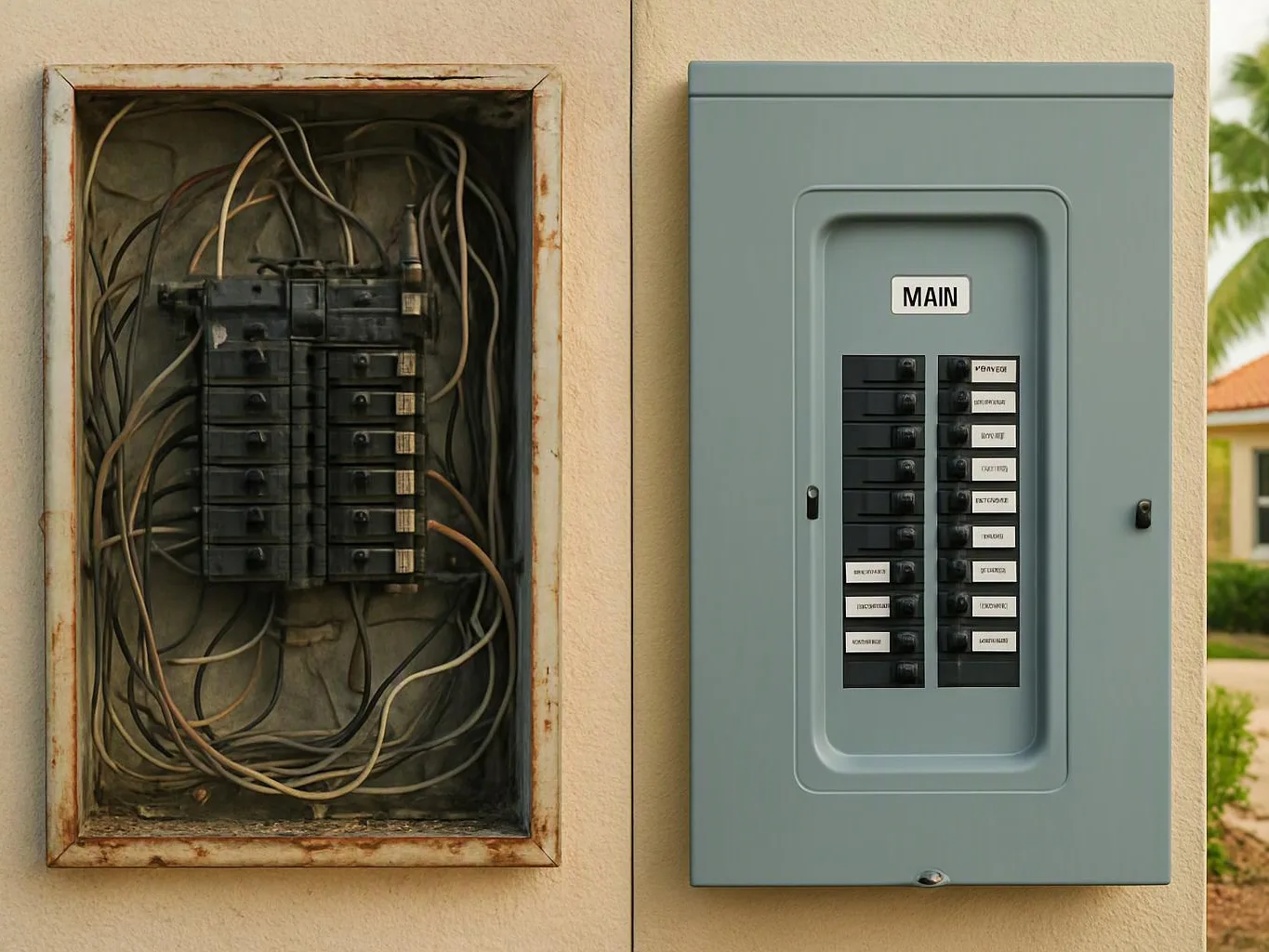
A panel upgrade becomes a consideration when the panel cannot safely support the property's electrical demand or shows serious damage. We review breaker conditions, available capacity, wiring, and the planned load before recommending that work. The inspection itself does not automatically require a panel replacement.
How should I respond to a warm switch or burning smell?
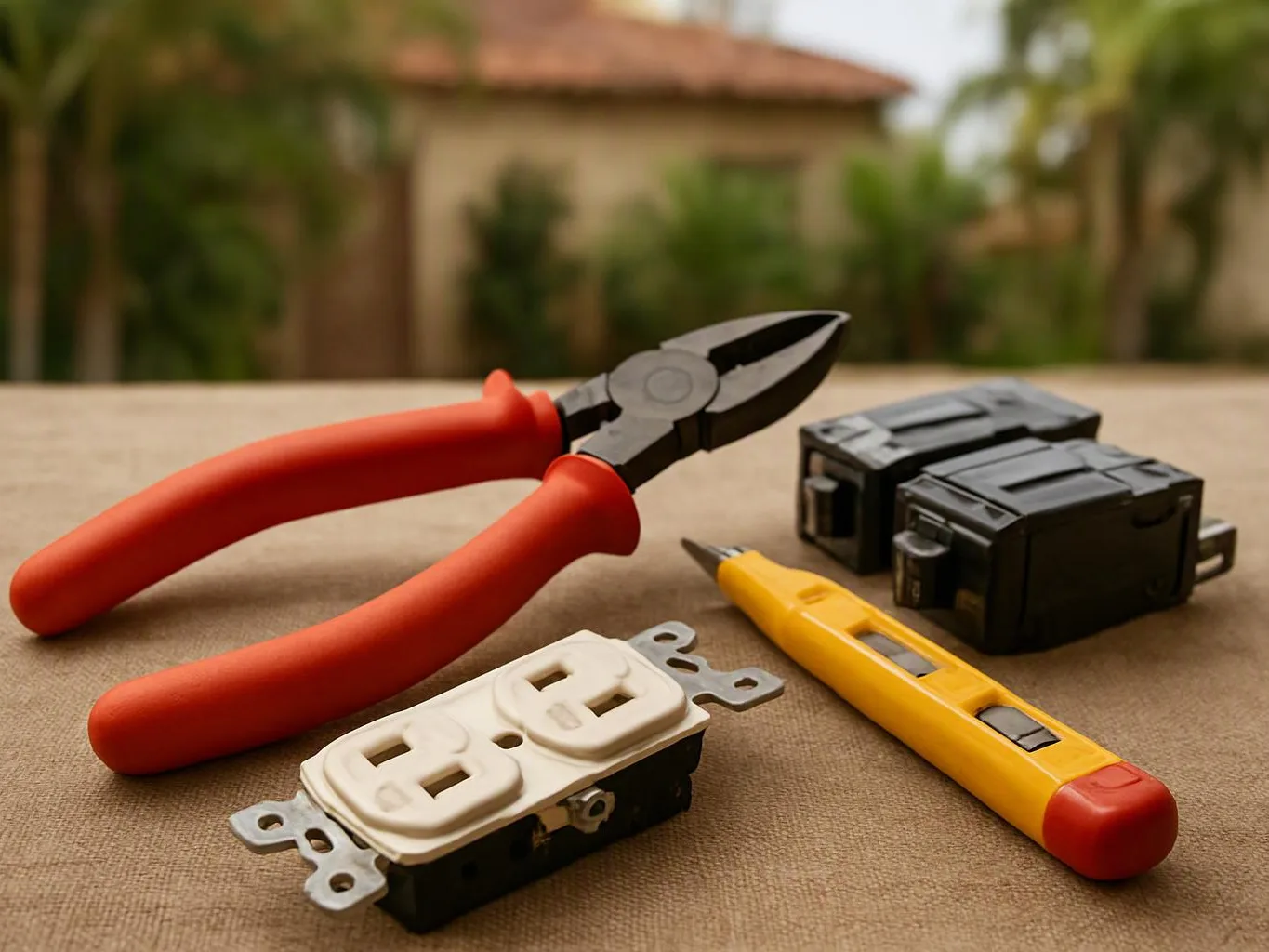
A warm switch or burning smell calls for immediate caution and electrical assessment. Stop using the affected device, keep clear of damaged parts, and turn off the circuit only when you can do so safely. Our team can diagnose the switch, box, wiring, and connected load, then explain the needed repair.