What electrical problems require immediate repair?
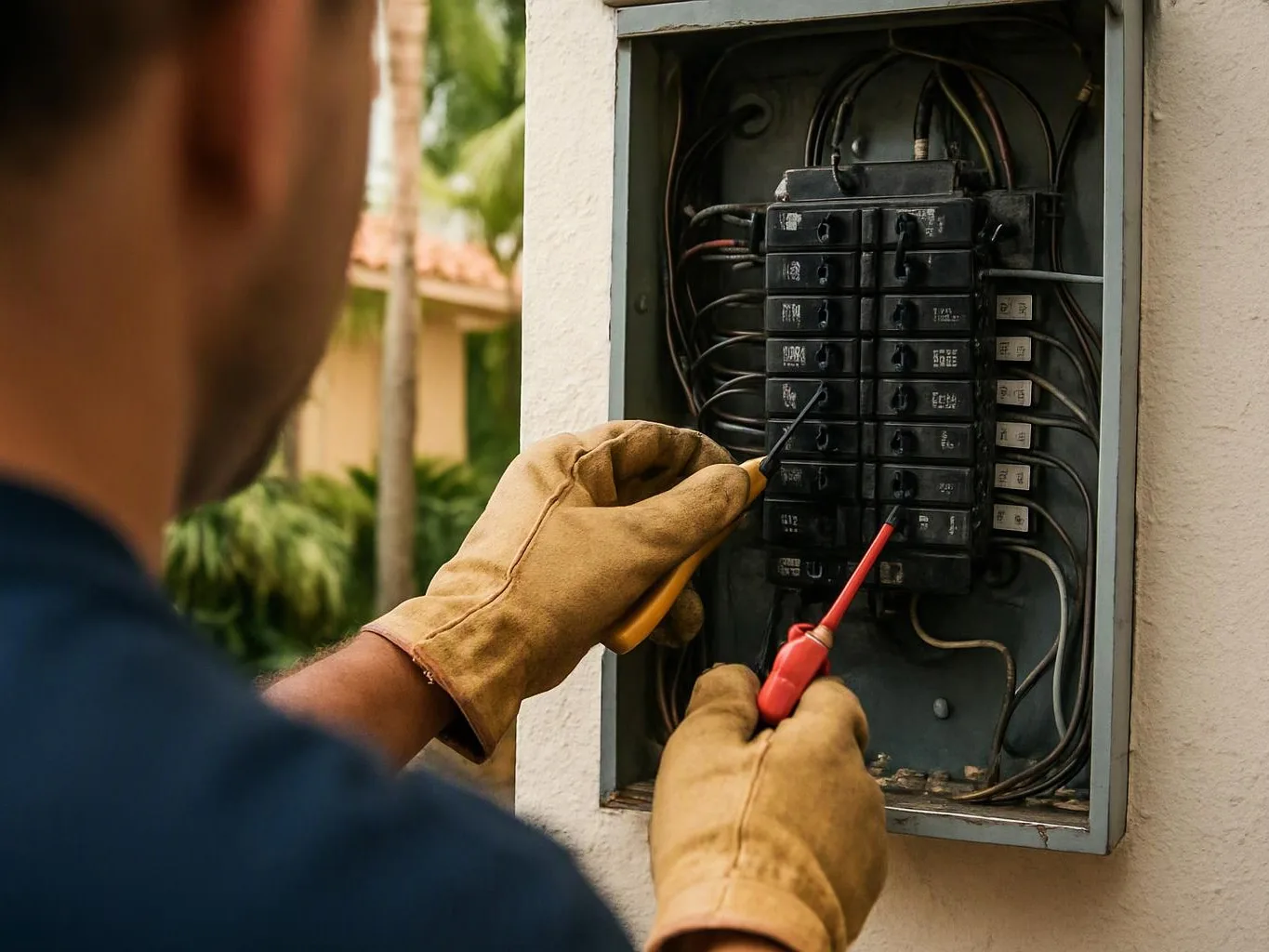
Exposed wiring requires immediate repair because live conductors can create shock, arc, or fire risks. Earth Electric isolates the circuit and checks the wiring, outlet, breaker, and nearby connections. Burning odors, sparking outlets, buzzing panels, and repeated breaker trips also need prompt attention. Keep the affected area off until the fault receives a proper inspection.
Which part of the property decides the repair scope?
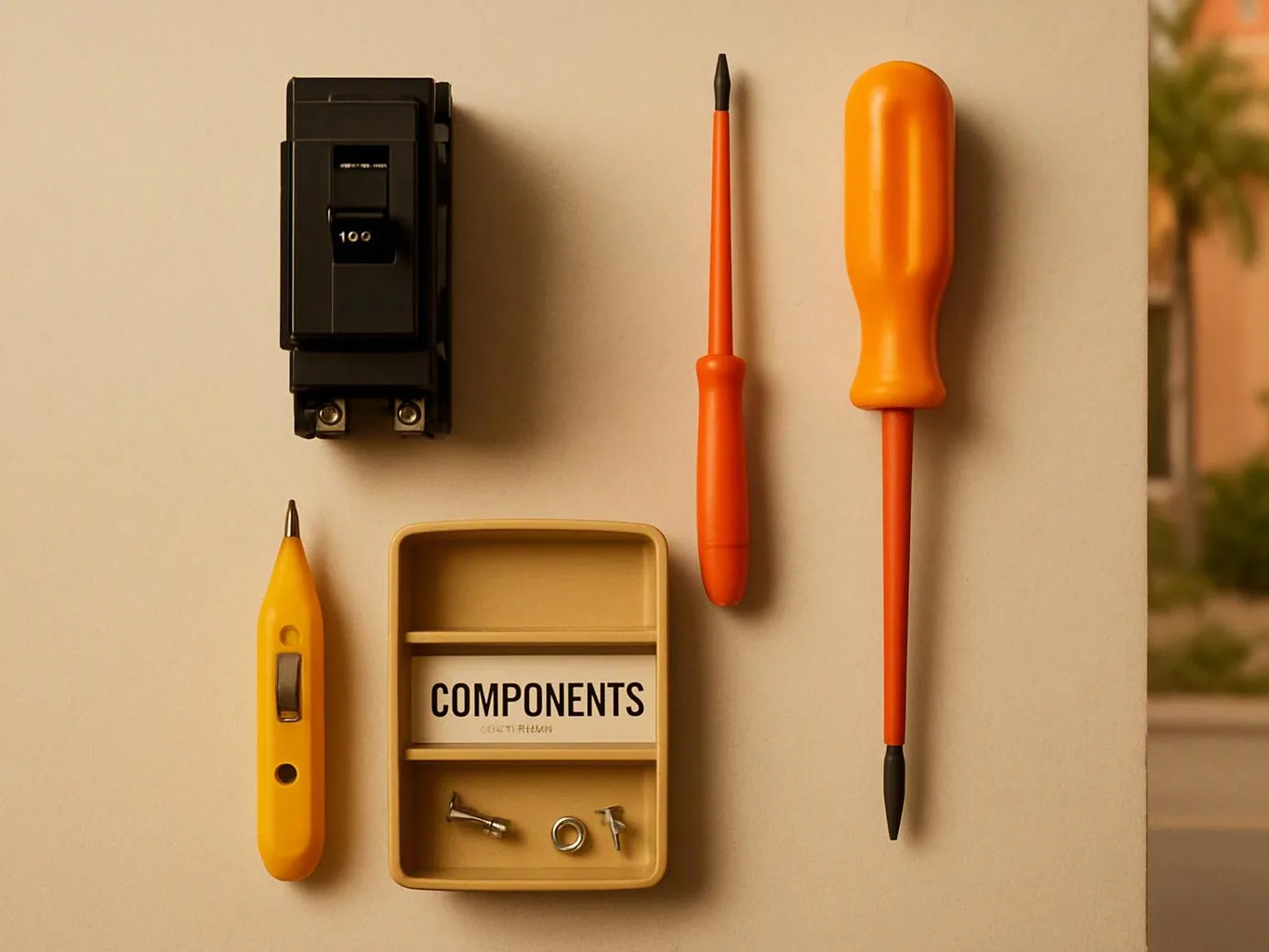
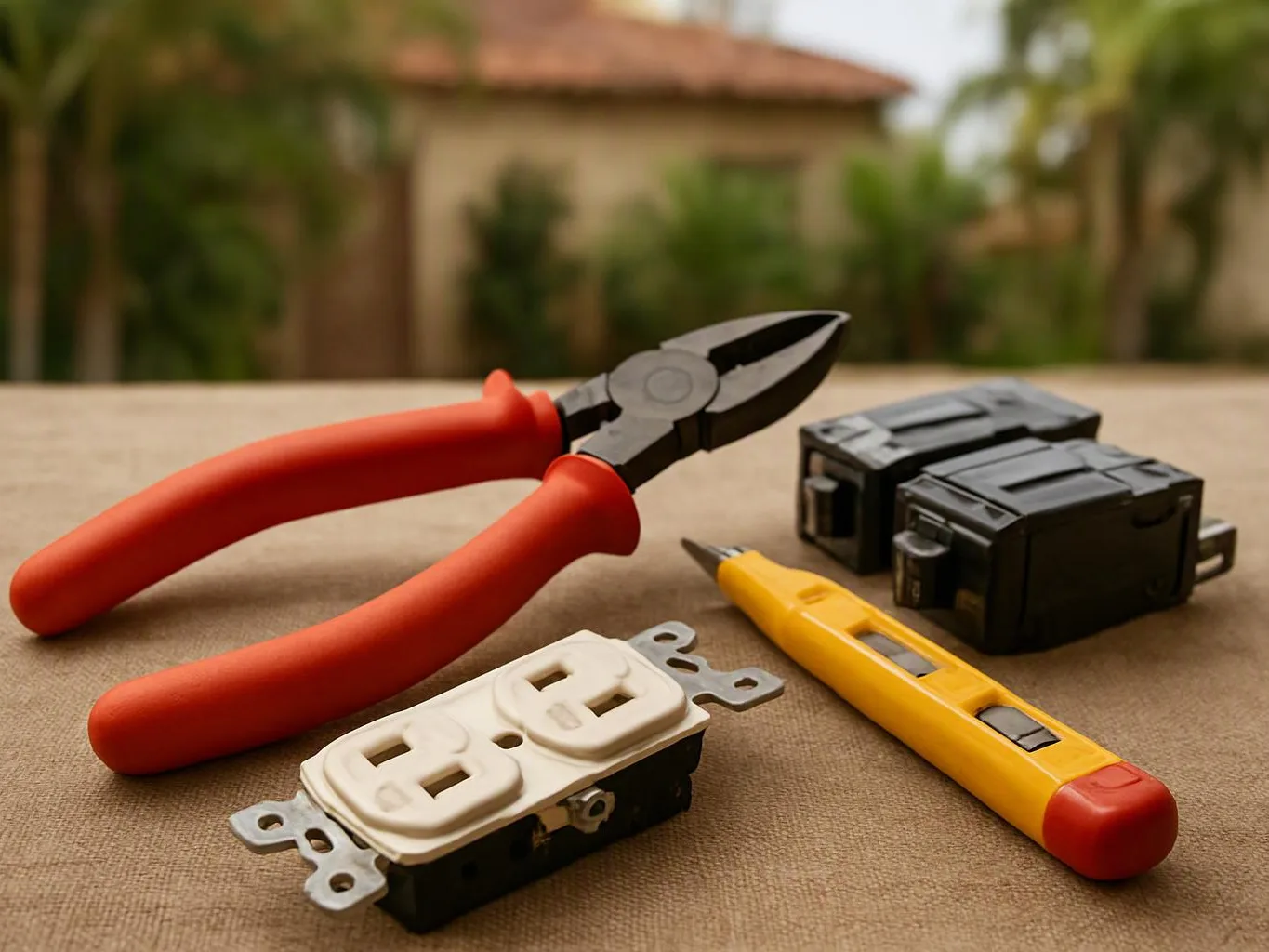
The affected circuit, panel, wiring, outlet, switch, or connected load decides the repair scope. We test the visible fault and trace related parts before recommending work. A single damaged receptacle may need replacement, while repeated trips or heat at the panel can point to circuit, load, grounding, or panel concerns.
Which material changes how long the electrical repair takes?
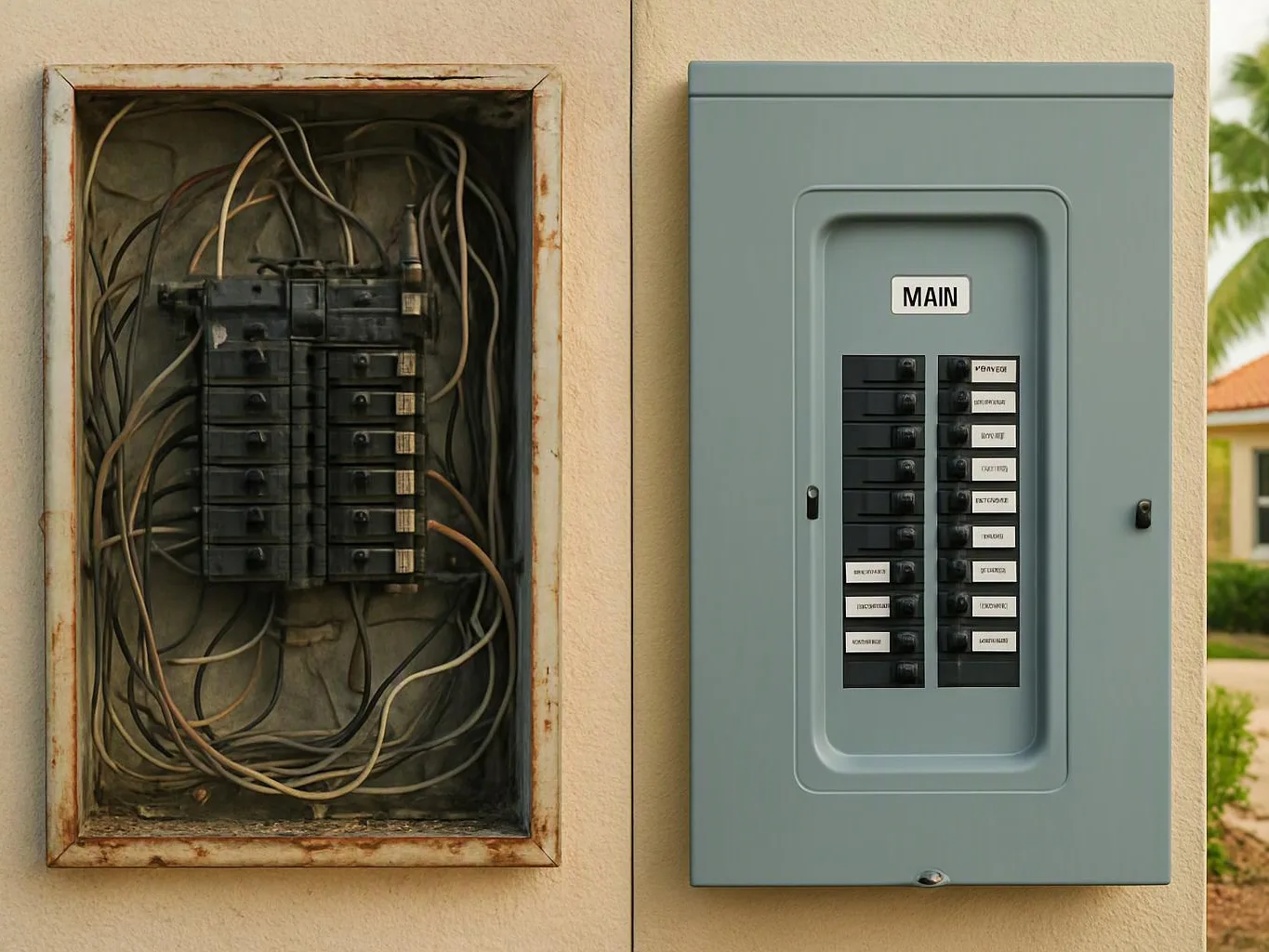
The wiring material and condition can change the repair work required. Aluminum wiring, brittle insulation, damaged copper conductors, and concealed wiring may require different access and repair methods. Our team checks the material, connection points, and circuit path before explaining the work that fits the property.
How does an emergency electrical repair visit move from the first call to the last step?
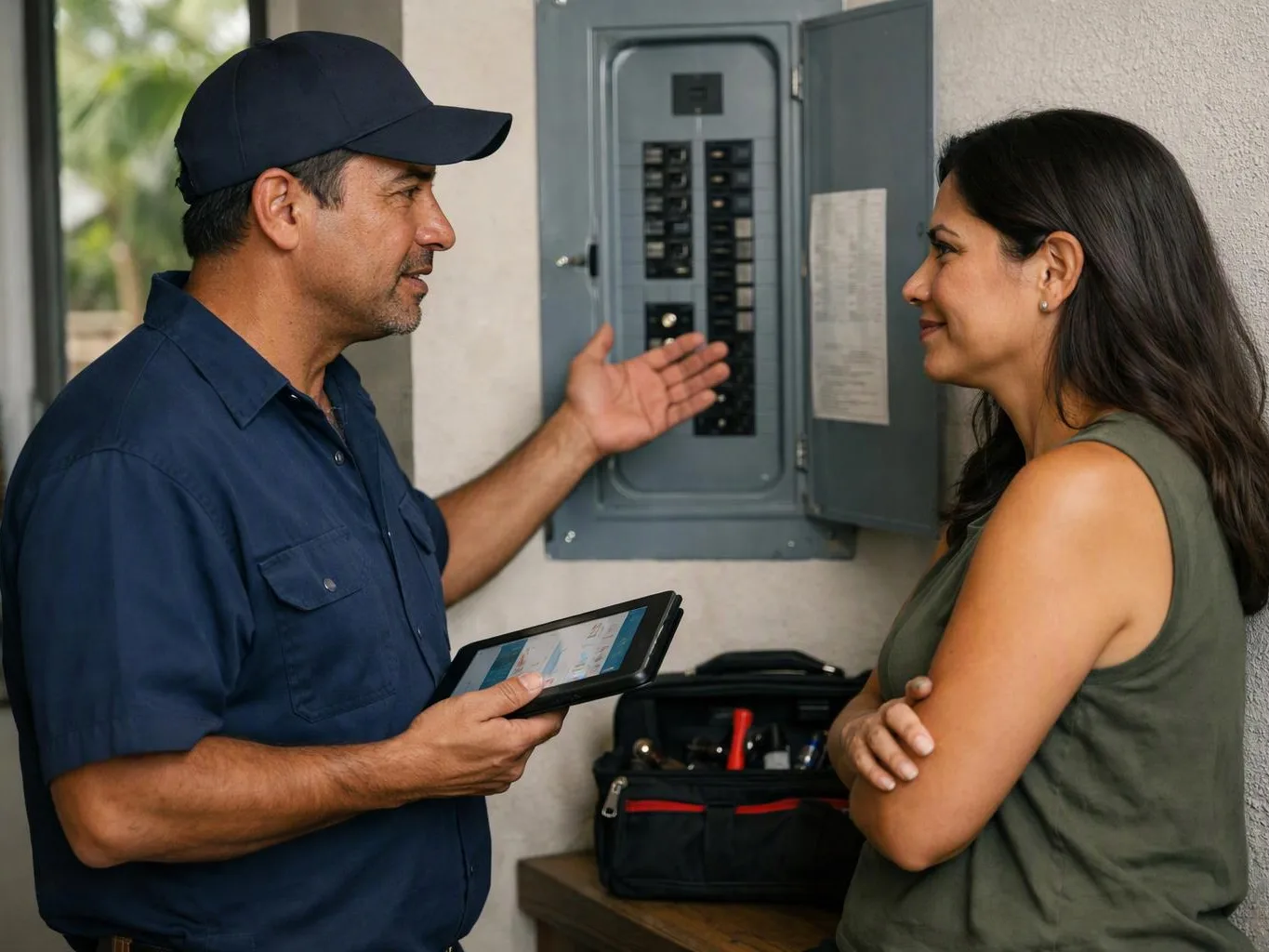
An emergency electrical repair visit moves from symptom review to isolation, diagnosis, repair, and testing. We record the warning signs, check the affected circuit, trace the fault, and define the work scope. After the repair, we test the circuit and explain any remaining safety or upgrade needs.
When should I call an electrician for a power surge?
A power surge needs electrical attention when it damages equipment, causes flickering, trips breakers, or repeats without a clear cause. We inspect surge paths, panel connections, grounding, and affected circuits. Unplug damaged equipment if safe, avoid resetting a hot or buzzing panel, and request an assessment.
Why does a breaker keep tripping after I reset it?
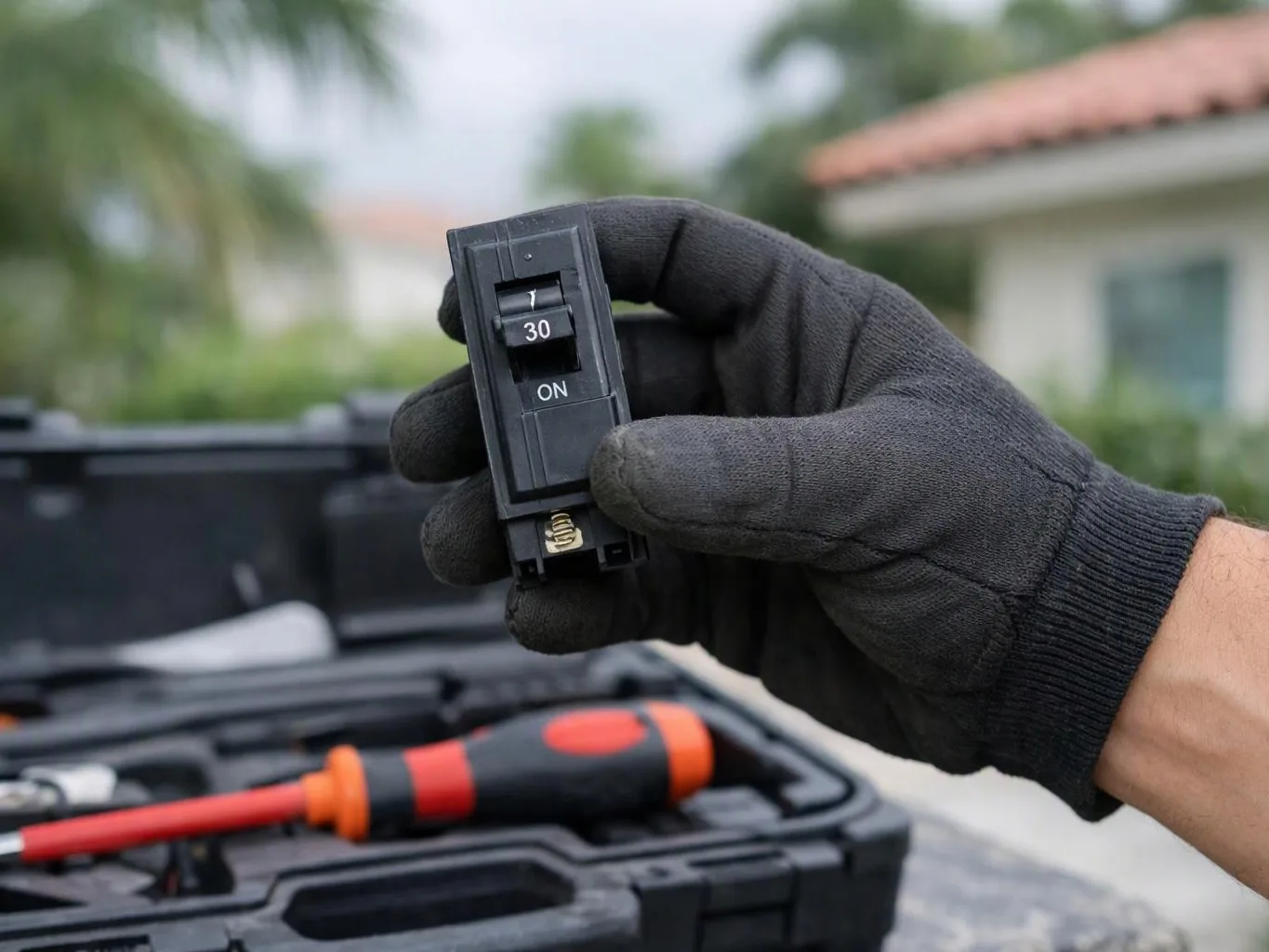
A breaker that keeps tripping usually signals an overload, short, damaged wiring, faulty equipment, or a breaker problem. Repeated resets can leave the underlying fault active. We trace the circuit, check connected loads, inspect the breaker and wiring, and explain whether the fix is a repair, replacement, or capacity review.