What electrical service is needed for an EV charger?
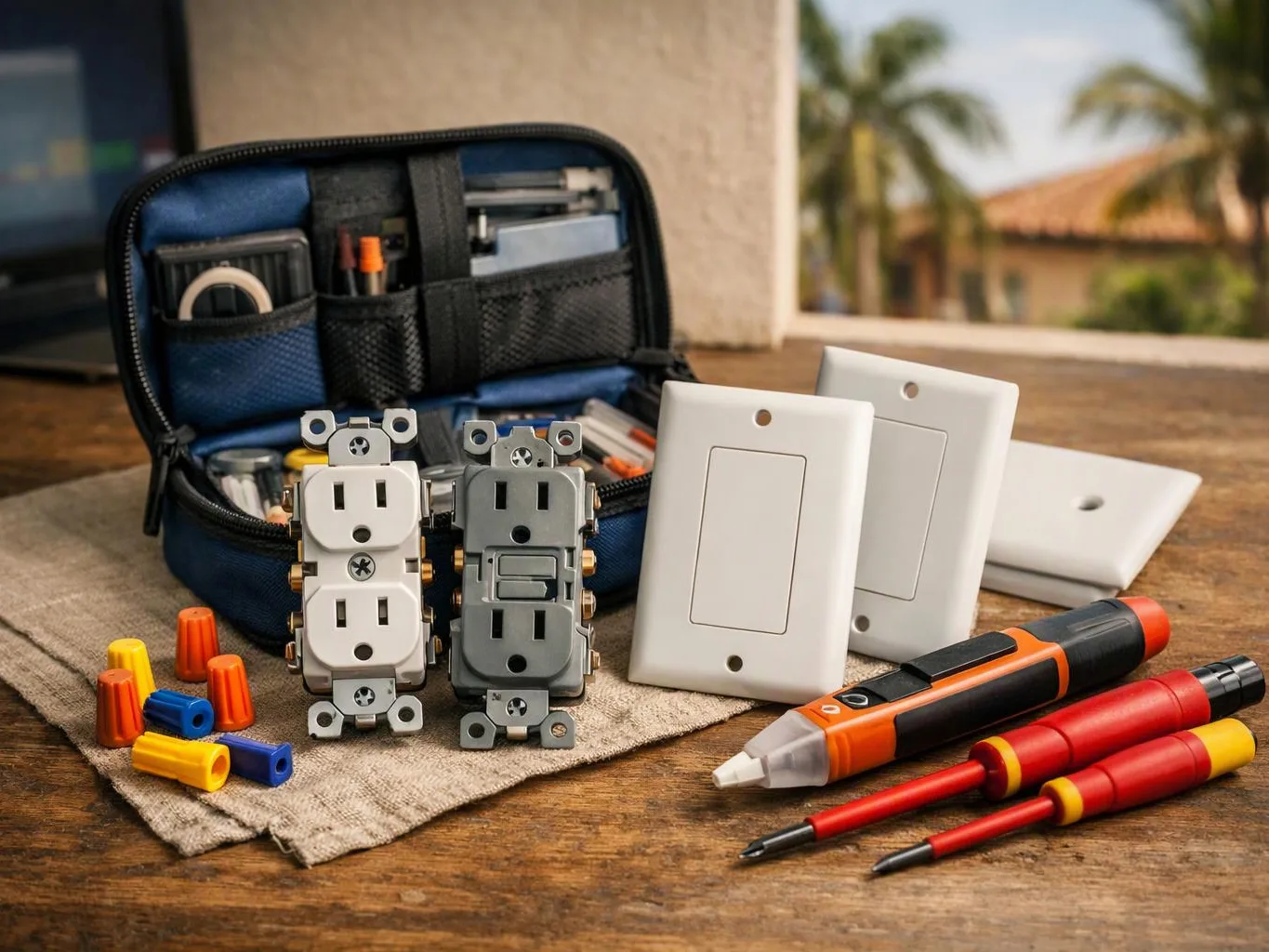
A dedicated circuit is the usual electrical service needed for an EV charger. Earth Electric checks panel capacity, breaker rating, conduit, wiring, and grounding before installation. A panel upgrade or subpanel may be needed when the existing service cannot support the added load.
What should be checked before charger installation is scheduled?
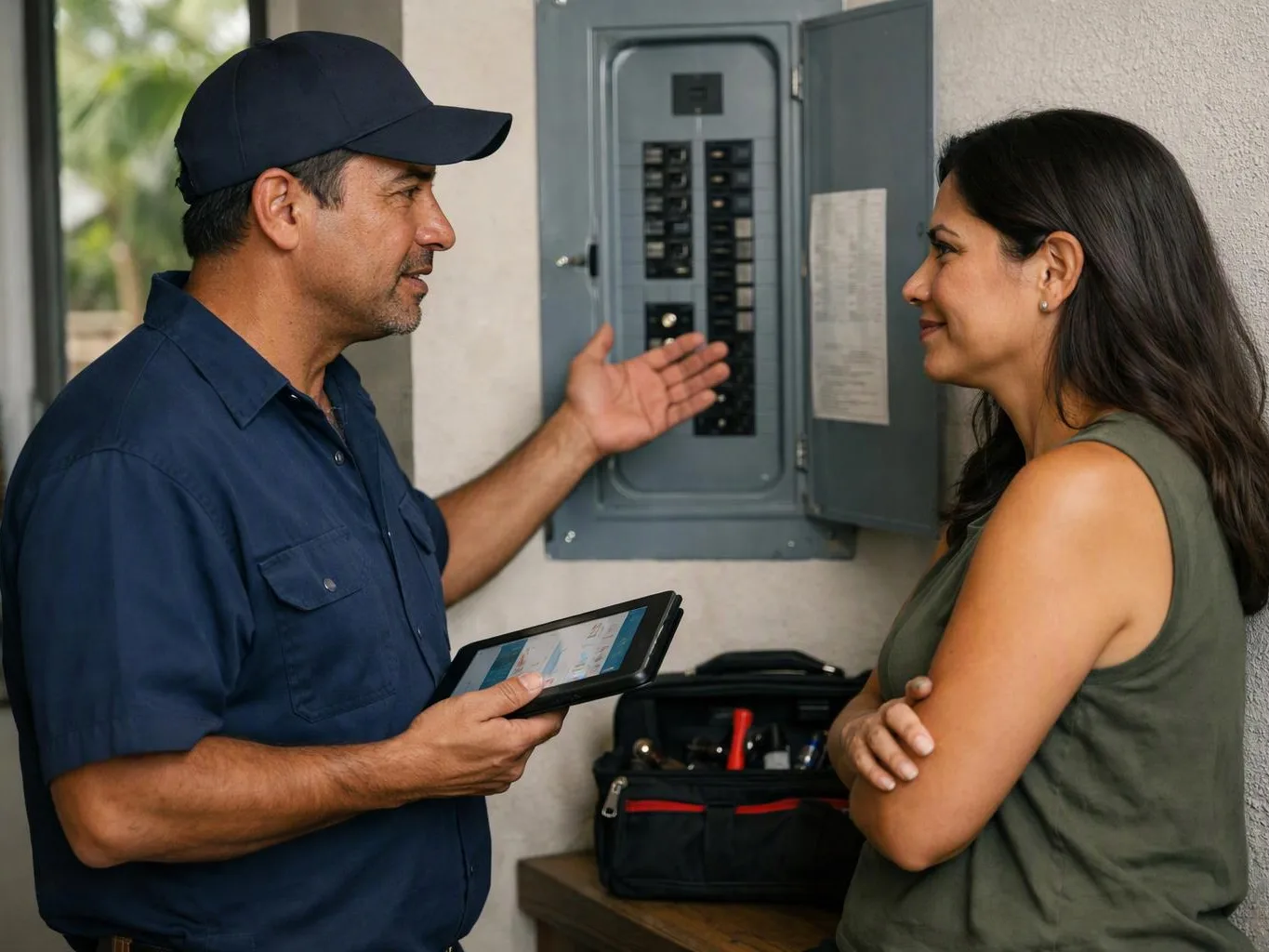
The electrical panel, available capacity, circuit route, grounding system, and charger location should be checked first. We also review breaker space and signs of damaged wiring. Customers can provide panel photos, the property type, and the planned charger location to support the initial assessment.
Who is a good fit for home charger installation?
Homeowners, businesses, and property managers with an electric vehicle and a suitable electrical supply are good fits. Earth Electric reviews the panel and planned charging location before quoting the work. A utility outage, vehicle fault, or charger warranty issue needs a different service path.
What happens at each stage of the charger installation?
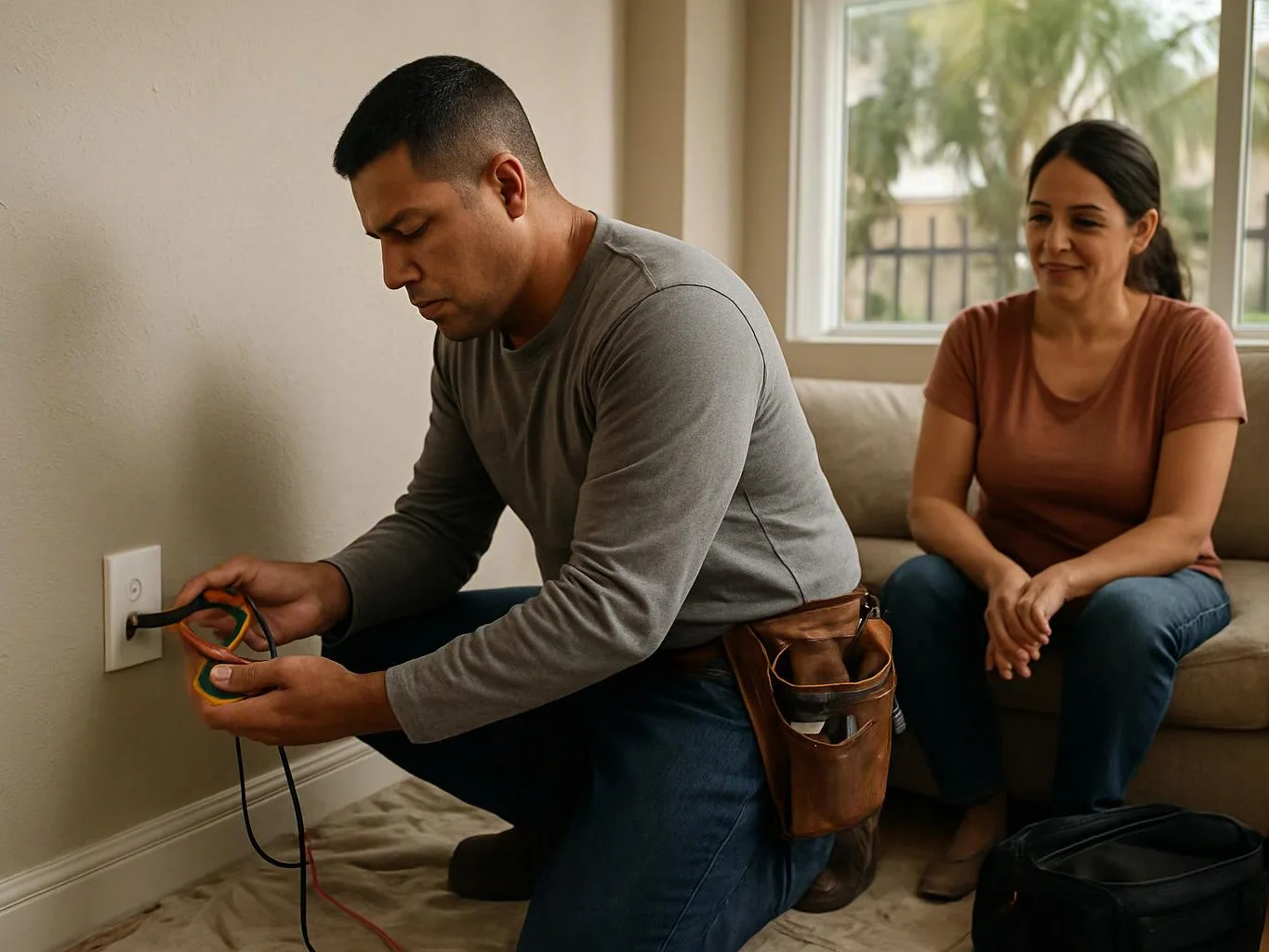
The work moves from inspection to load review, circuit planning, installation, and testing. We inspect the panel, select the wiring route, install the breaker and conduit, check grounding, and verify the completed connection. Customers receive an explanation of the electrical work before using the charger.
Which panel signs can delay an electrical charger connection?
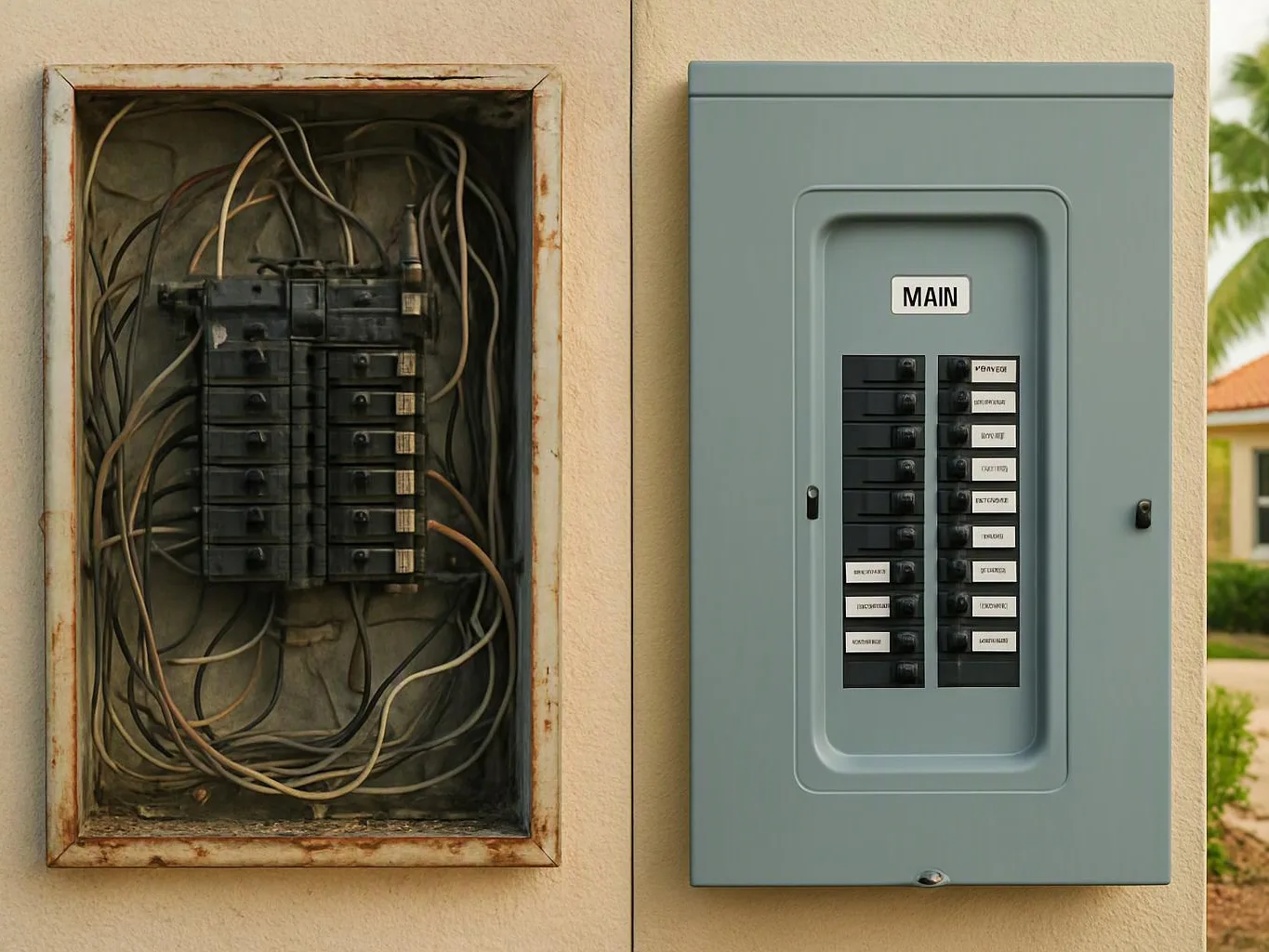
A buzzing panel, heat damage, limited breaker space, or insufficient capacity can change the installation scope. We inspect these conditions before connecting new equipment. Repairs, a panel upgrade, or a subpanel may be needed before the charger circuit is installed.
How does panel capacity change the installation work?
Panel capacity determines whether the existing service can support the charger load. Earth Electric completes a load calculation and checks existing circuits before selecting the breaker and wiring. If capacity is limited, the estimate can include panel work or another electrical upgrade.
Why does conduit matter for an outdoor charging route?
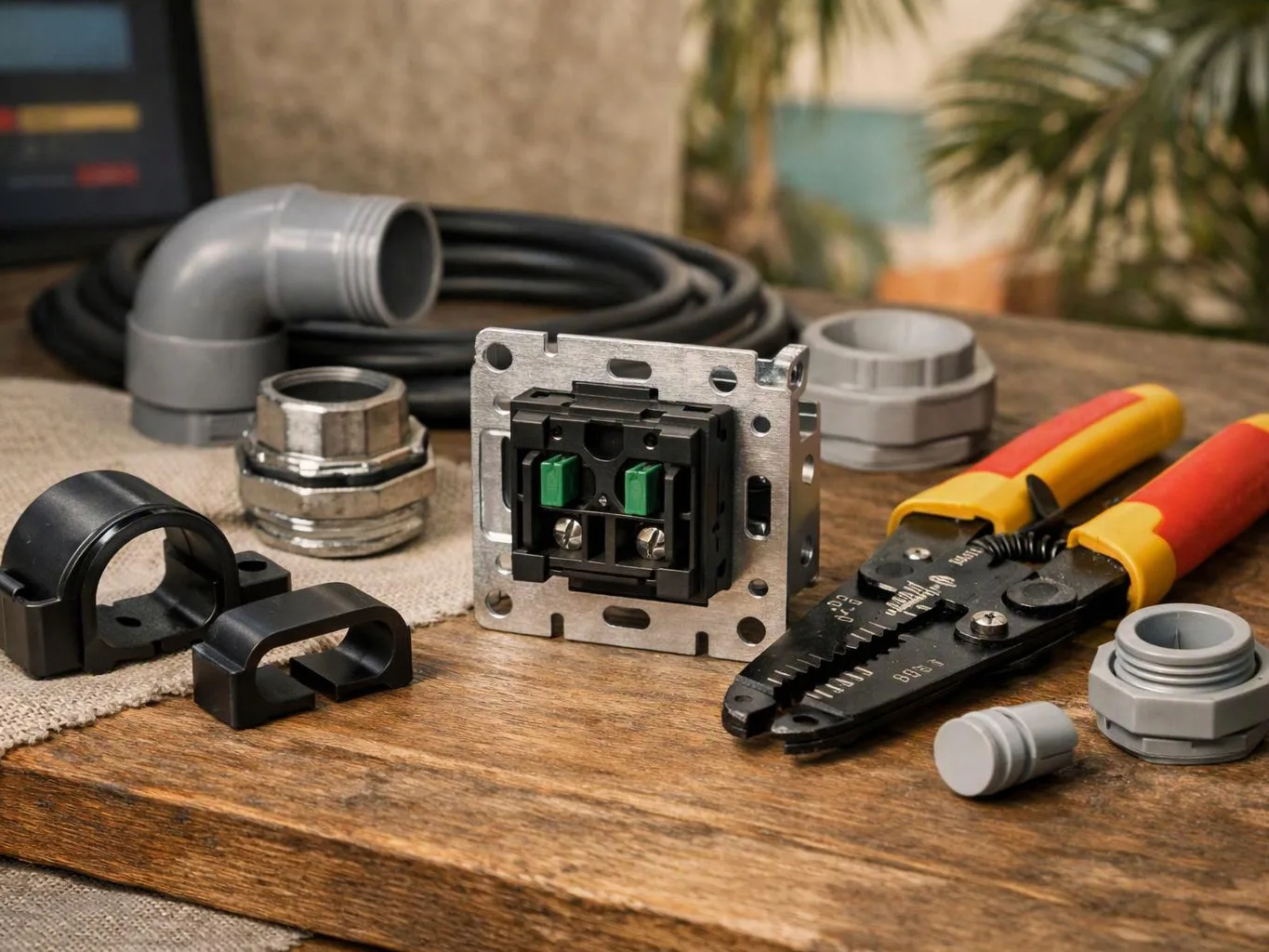
Conduit protects charger wiring along exposed or hard-to-access routes. We review the path, access points, wiring needs, and connection location before choosing the installation method. The route can affect the work scope even when the main panel has enough capacity.