Where should GFCI outlets be installed in a home?
Wet locations need GFCI protection, including kitchens, bathrooms, garages, and outdoor receptacles. We also check outlets near sinks, utility areas, and other damp spaces when the circuit layout calls for protection. The exact placement depends on the receptacle location, wiring, grounding, and applicable electrical requirements. Earth Electric reviews those details before installation.
What does the crew look at first during outlet installation?
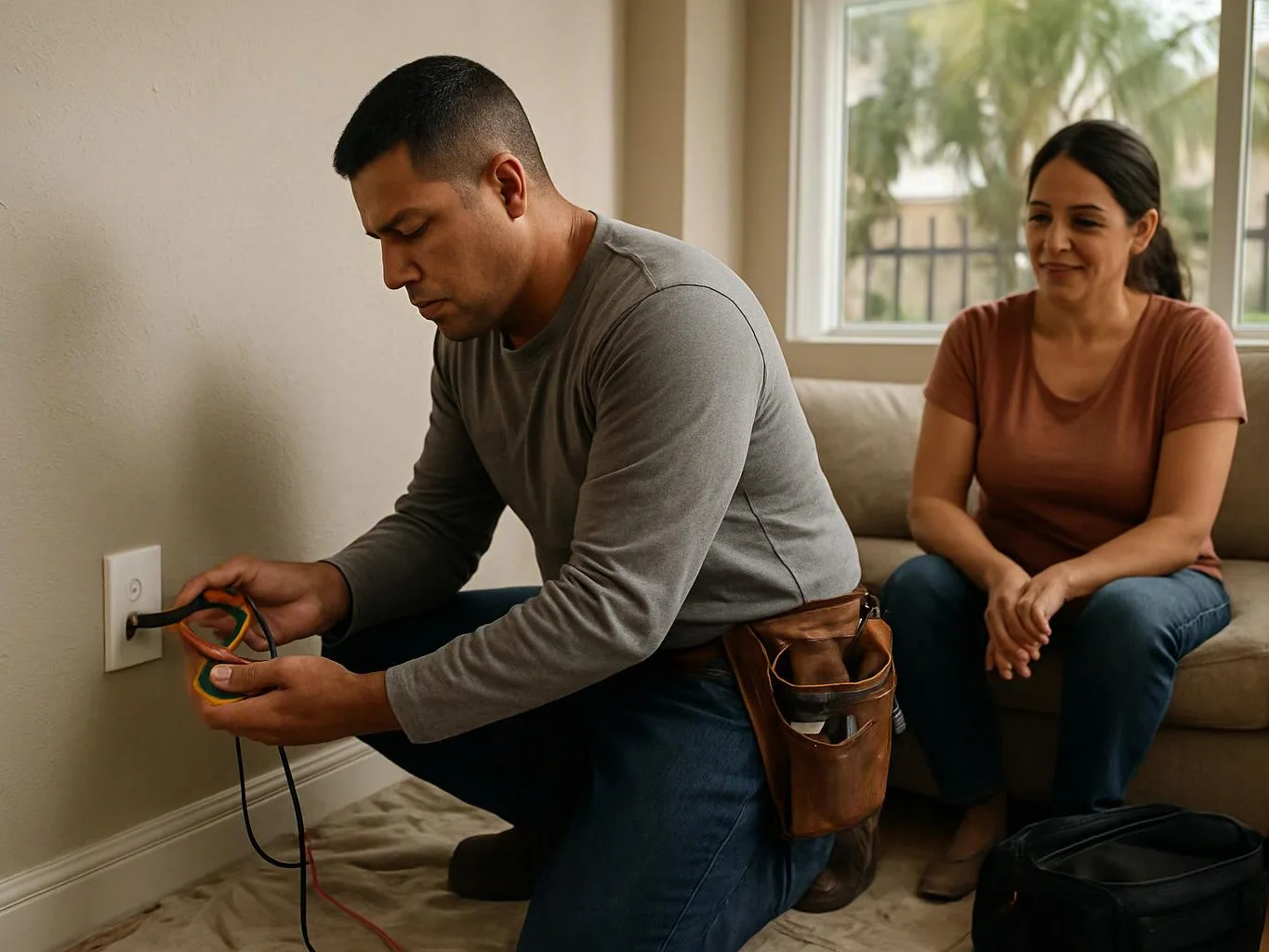
The existing receptacle, electrical box, wiring, grounding path, and circuit are checked first. We look for loose connections, heat damage, reversed conductors, and signs of moisture. The inspection shows whether a replacement is suitable or whether circuit troubleshooting needs to come first.
What should be checked before this work is scheduled?
The affected outlet, nearby receptacles, circuit breaker, and recent symptoms should be checked before scheduling. Note whether the reset button works, whether other outlets are dead, and whether a device caused the trip. Photos of the outlet and panel label can help us understand the starting scope.
Who is a good fit for GFCI outlet installation, and who needs another service?
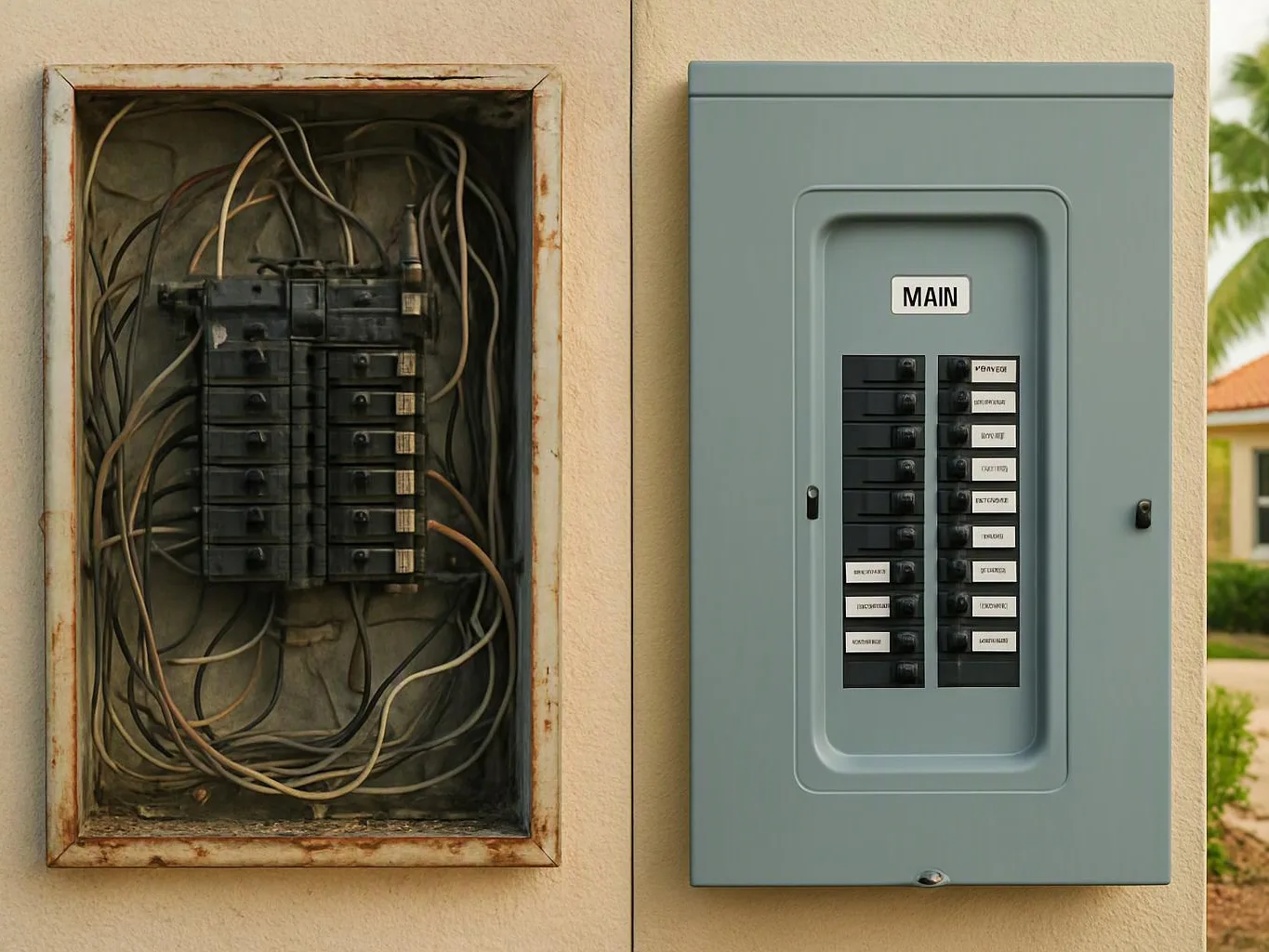
Homes and businesses that need protection at wet or damp receptacles are good fits for this service. A property with a damaged panel, failed cable, overloaded circuit, or broad loss of power may need troubleshooting or a panel repair. We identify that difference during the electrical inspection.
How does a GFCI outlet differ from a standard receptacle?
A GFCI outlet monitors current flow and trips when it detects a ground-fault condition. A standard receptacle does not provide that same ground-fault protection. We install the correct device for the circuit and test its trip and reset controls after connection.
Which part of the job can change the installation price?
Wiring repairs, damaged boxes, difficult circuit access, added receptacles, and grounding work can change the installation price. We inspect those conditions before giving a free estimate. The estimate reflects the actual outlet count, circuit condition, and work needed for safe testing.
When should I stop using an outlet before it is checked?
Stop using an outlet when it sparks, smells burned, feels warm, shows scorch marks, or will not reset. Turn off the related breaker if it is safe to do so, and keep devices unplugged. We handle the inspection and identify whether the fault is at the receptacle or elsewhere on the circuit.