Where should landscape lighting be placed along a walkway?
Walkway edges should receive even light with fixtures placed to guide movement and limit dark gaps. We review path turns, steps, nearby planting, and fixture angles before setting positions. Earth Electric also checks the cable route and power source, because placement must work with both the site layout and the electrical plan.
What does the crew look at first during landscape lighting installation?
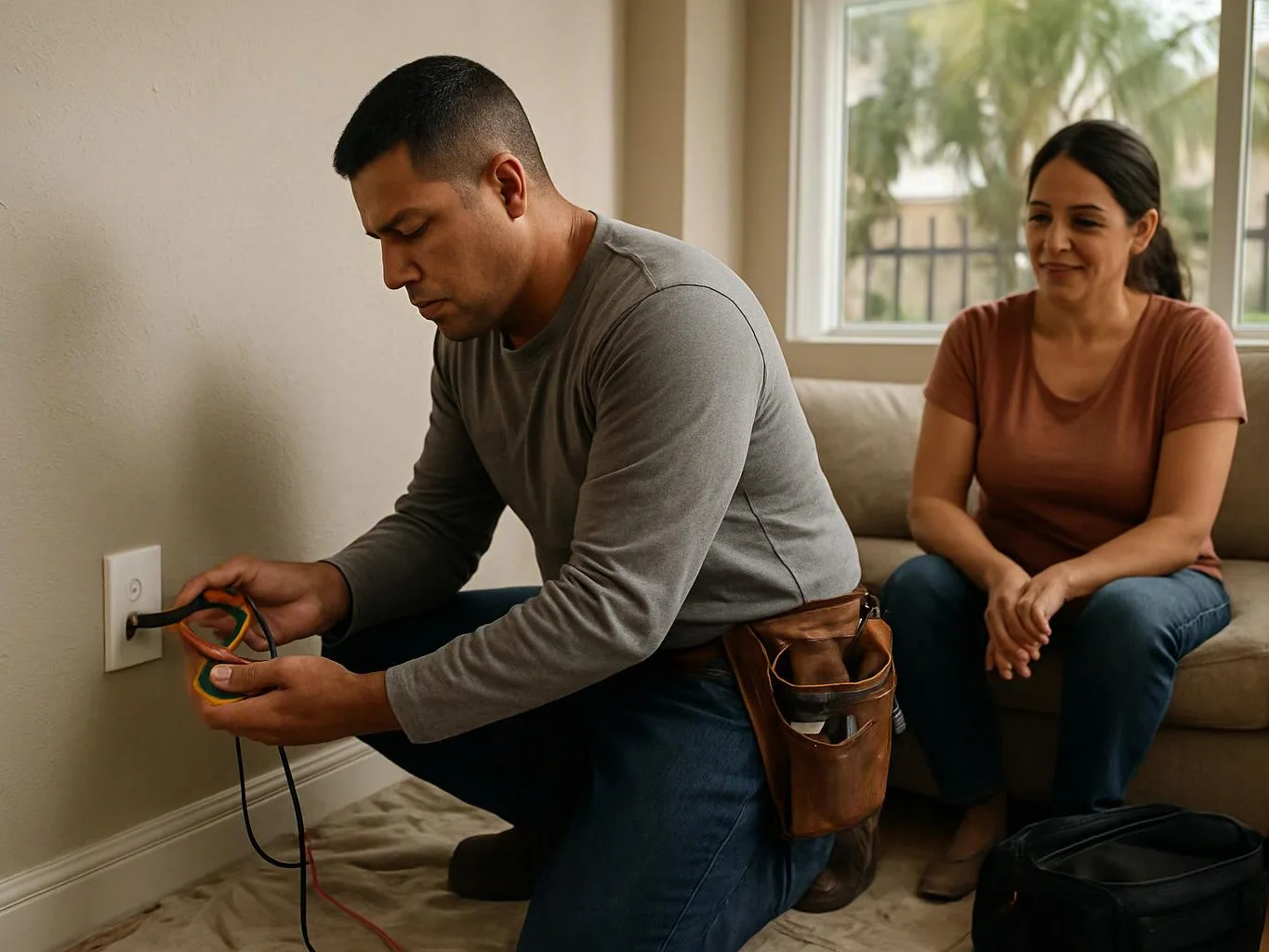
The outdoor layout and power source come first during landscape lighting installation. We inspect the areas needing light, trace the circuit, check control points, and review access for wiring. That first review helps separate fixture placement from electrical repairs that must happen before installation.
What should be checked before outdoor lighting is scheduled?
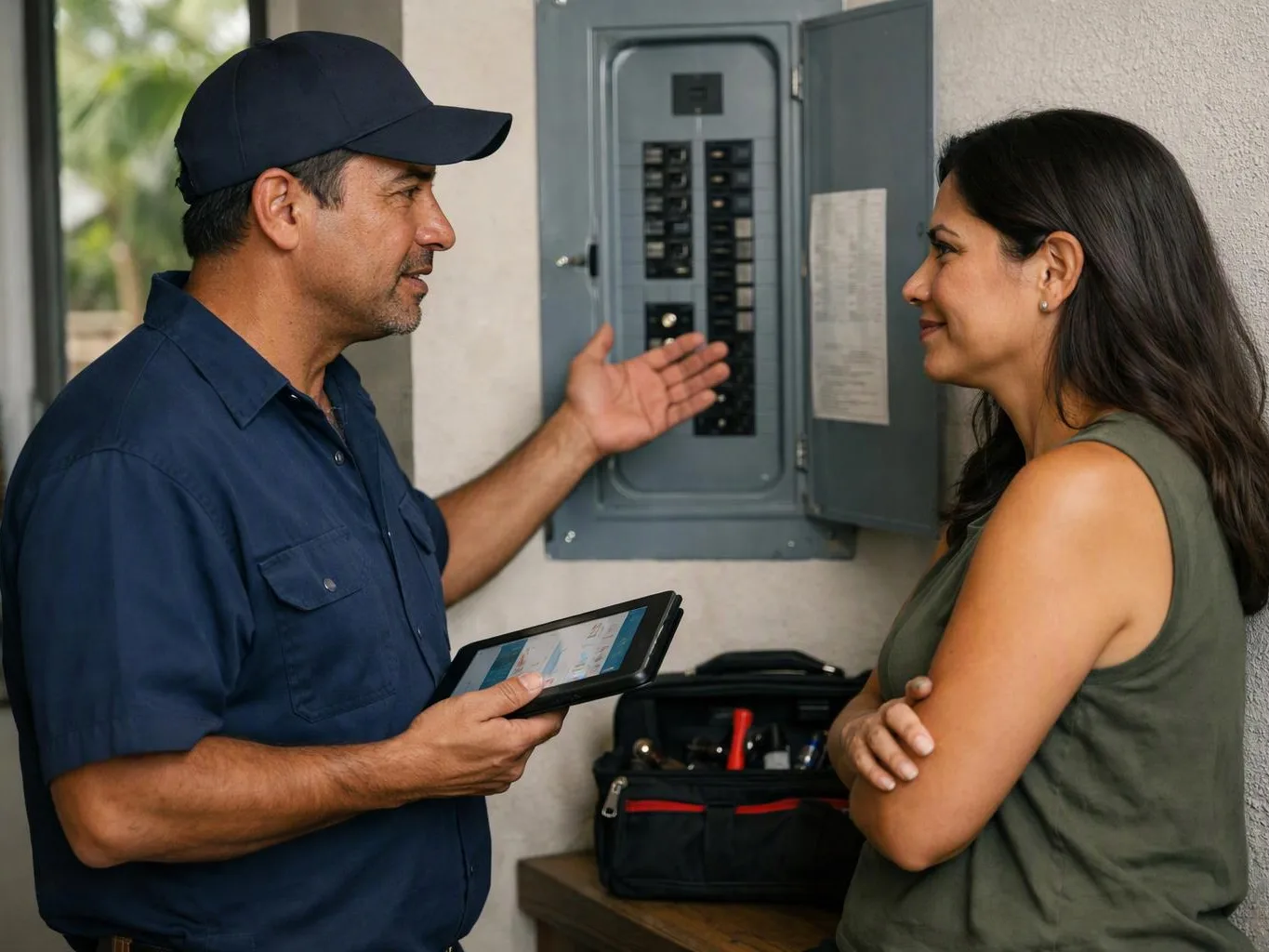
The property layout, existing circuit, control point, and cable route should be checked first. We also need to know which areas matter most, such as paths, garden beds, trees, or walls. Clear access to those areas helps us define the work and prepare an accurate estimate.
Who is a good fit for landscape lighting installation, and who needs a different service?
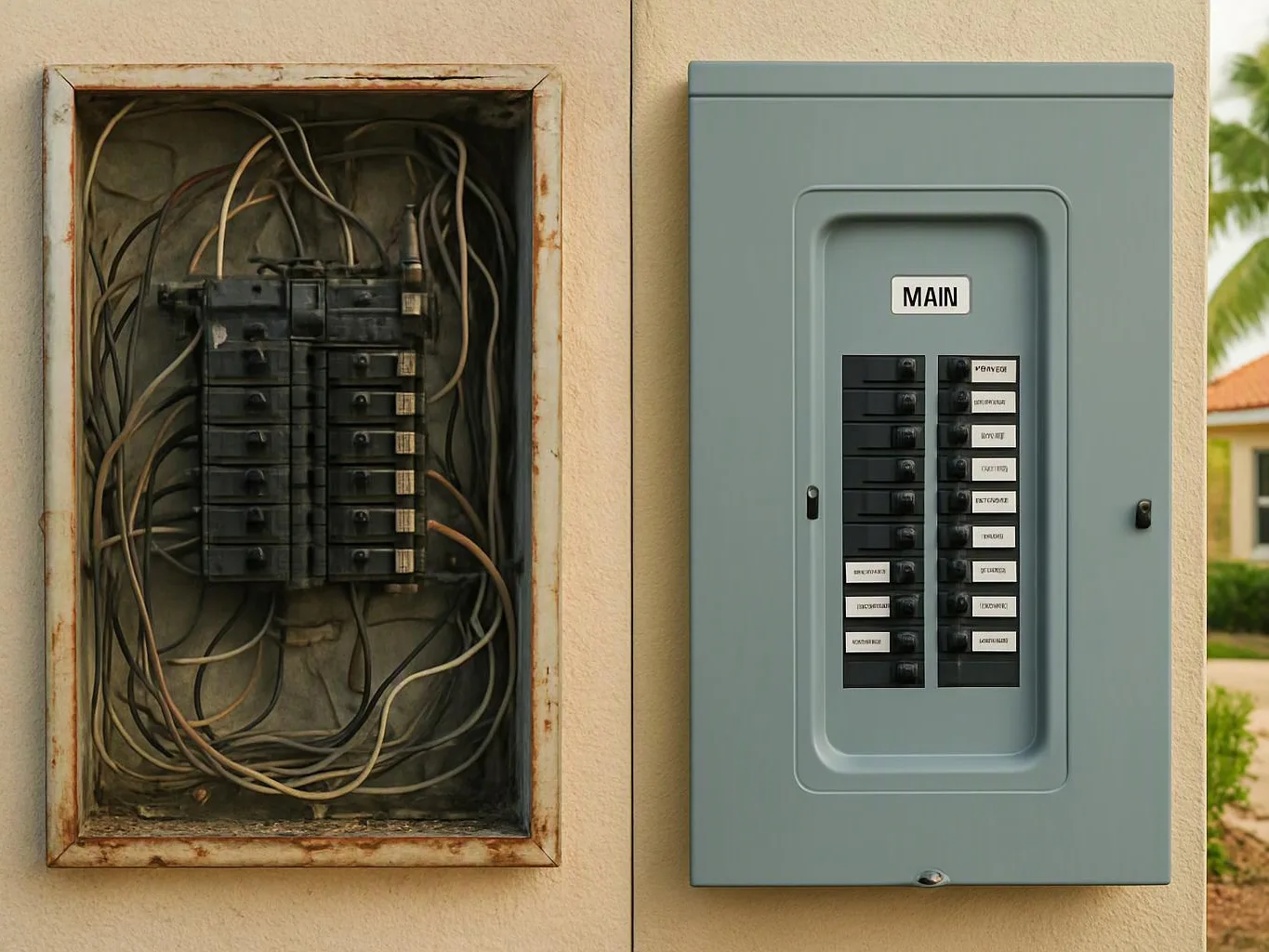
Homeowners, businesses, and property managers with planned outdoor lighting needs are good fits. We handle path lighting, feature lighting, wiring, controls, and testing. A property with a burning smell, sparking outlet, or unsafe panel needs electrical troubleshooting or repair before landscape lighting work.
Which parts of an outdoor lighting plan change the project cost?
Fixture count, cable distance, control choices, access, and circuit condition change the project cost. We review each factor during the estimate and explain which work belongs in the scope. Earth Electric provides free estimates for this planned service.
How do you check that the new lights work correctly?
Testing confirms that each fixture, control, and circuit connection works after installation. We switch the system on, check coverage, inspect connections, and verify the planned controls. We then explain the setup so the property owner or manager knows what each control operates.
Why might a working fixture still leave part of a path dark?
A working fixture can leave a path dark when its angle, spacing, or nearby obstruction limits the light. We check fixture direction, height, cable connections, and the full path layout. The fix may involve repositioning a light, adding a planned connection, or correcting an electrical fault.