What parts may need replacement during landscape lighting repair?
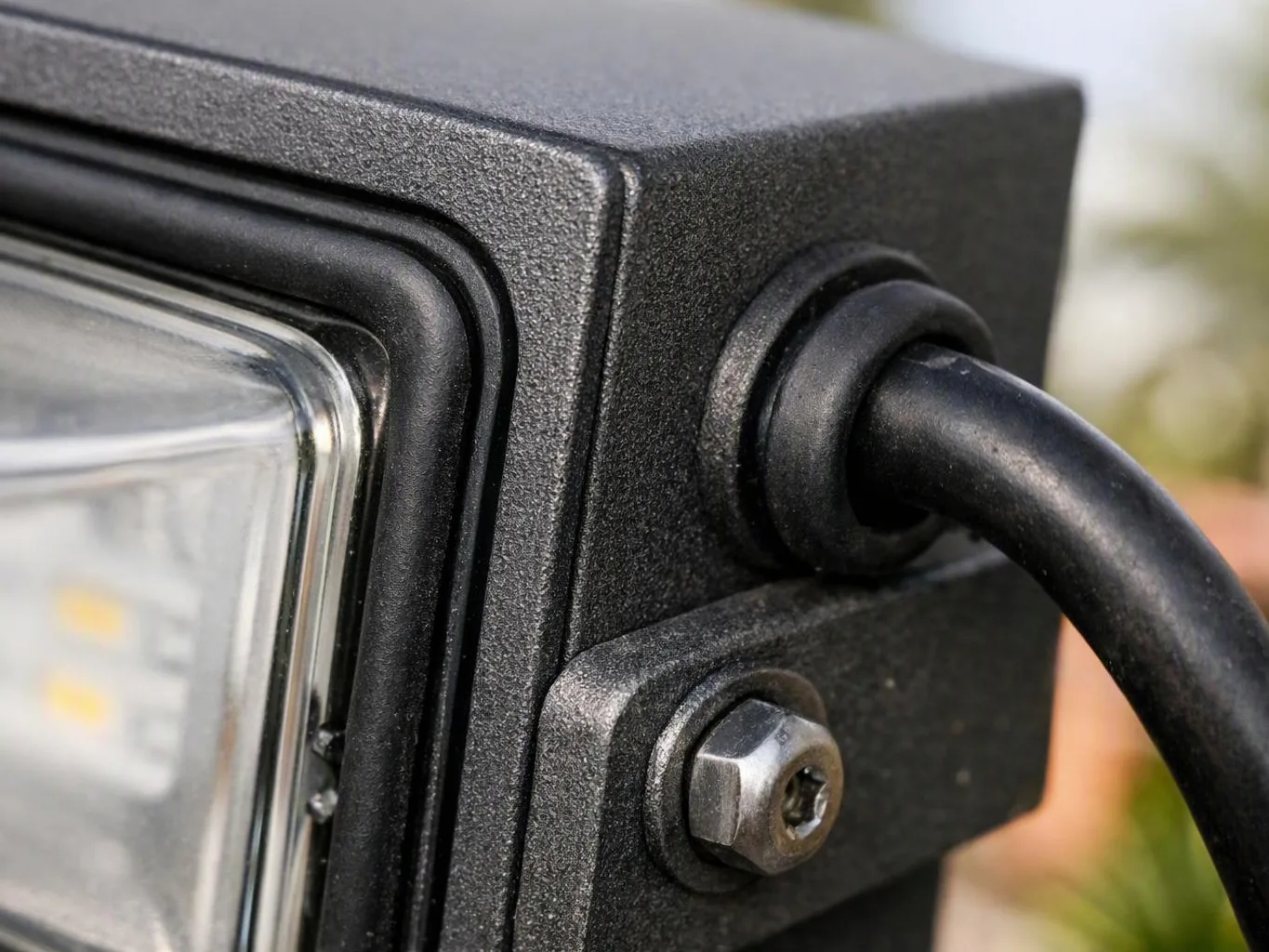
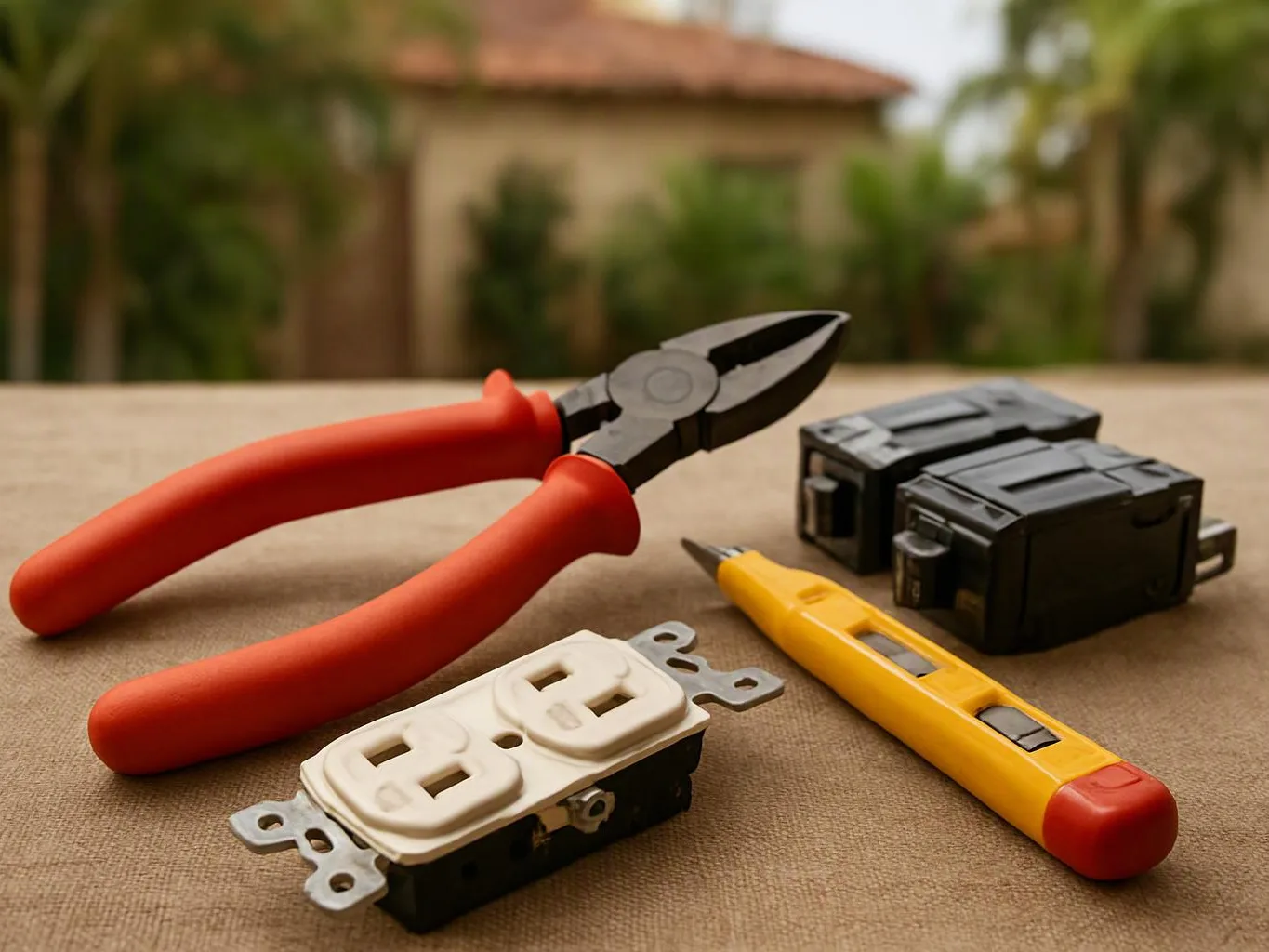
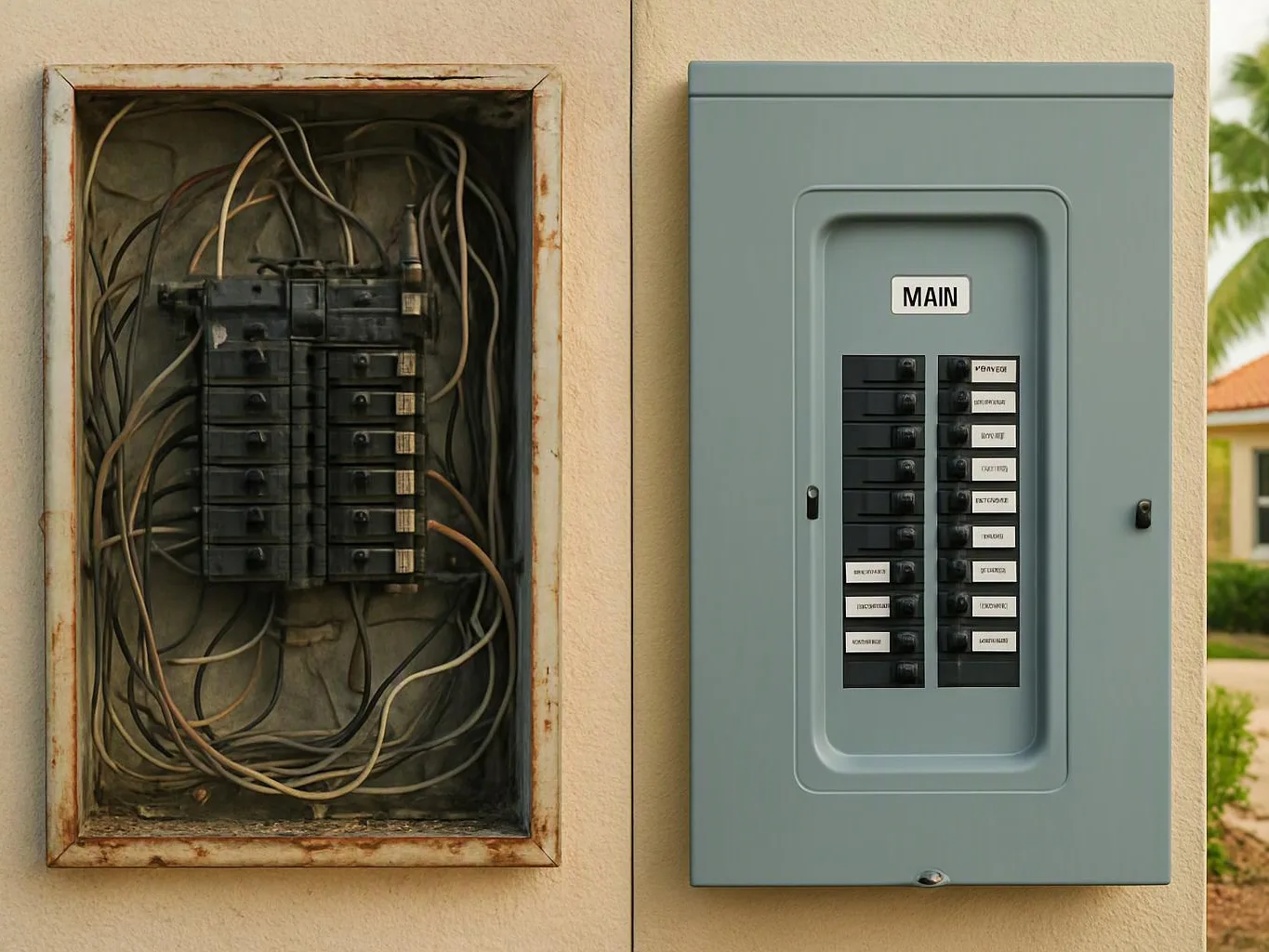
Light fixtures, bulb sockets, transformer fuses, and wire connectors may need replacement during landscape lighting repair. Earth Electric checks each part before recommending replacement. A dark fixture does not always mean the fixture itself has failed. Testing helps identify whether the fault sits in the socket, fuse, connector, or circuit.
How does a repair visit move from the first call to the last step?
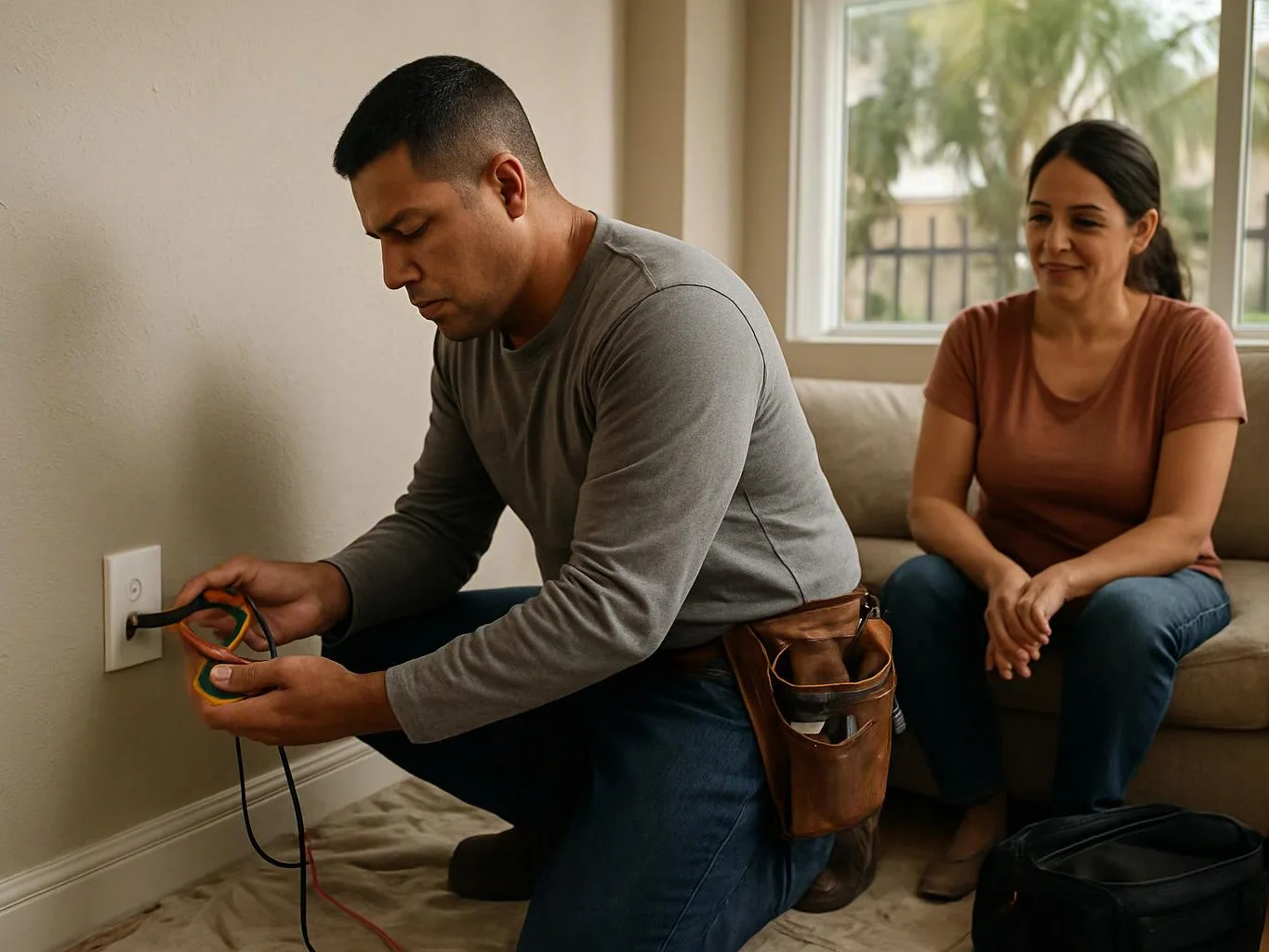
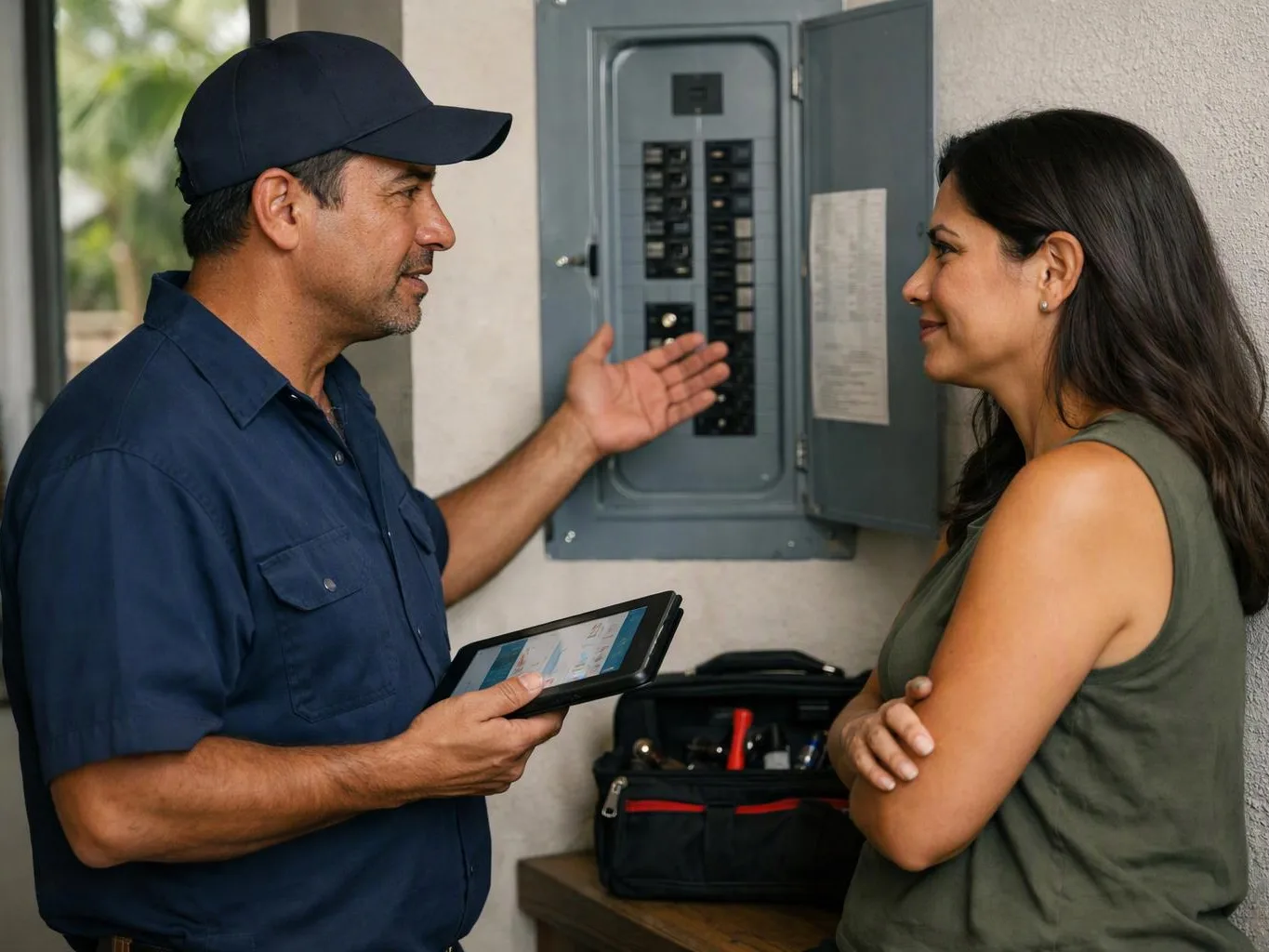
The repair visit moves from symptom review to inspection, circuit testing, part selection, repair, and final verification. We begin with the affected fixture and ask what changed. We then check related electrical parts, explain the scope, complete the approved work, and test the lighting circuit.
How can a customer tell whether repair fits the property?
Repair fits a property when the existing lighting layout is still useful and the fault involves a limited part or circuit. We assess the fixture, fuse, socket, connectors, and wiring before setting the scope. A full redesign or added lighting zones call for new installation planning.
Which part of the property decides the repair scope?
The affected lighting circuit decides the repair scope more than the property size. We check the outdoor fixture, transformer, control point, connectors, and wiring path that serve the failed lights. Access to those parts also affects the work because hidden or damaged connections need closer inspection.
When should landscape lighting be switched off before repair?
Landscape lighting should be switched off when a fixture sparks, smells burnt, feels hot, or shows damaged wiring. Leave the affected circuit off and keep people away from damaged parts. Earth Electric can inspect the fixture and connected circuit to identify the electrical safety concern.
Why does a new bulb fail in the same socket?
A new bulb can fail when the bulb socket, connection, voltage supply, or fixture has another fault. We inspect the socket and trace the circuit before replacing more bulbs. Heat marks, loose contacts, and damaged connectors can point to the part that needs repair.
What should I provide before requesting an assessment?
A description of the failed lights, access to the transformer, and clear photos of visible damage help start the assessment. We still inspect the system in person because photos cannot show every connection or circuit fault. Keep the control location accessible and note any sparking, heat, or burning smell.