Why does a damaged niche make an underwater light flicker or fail?
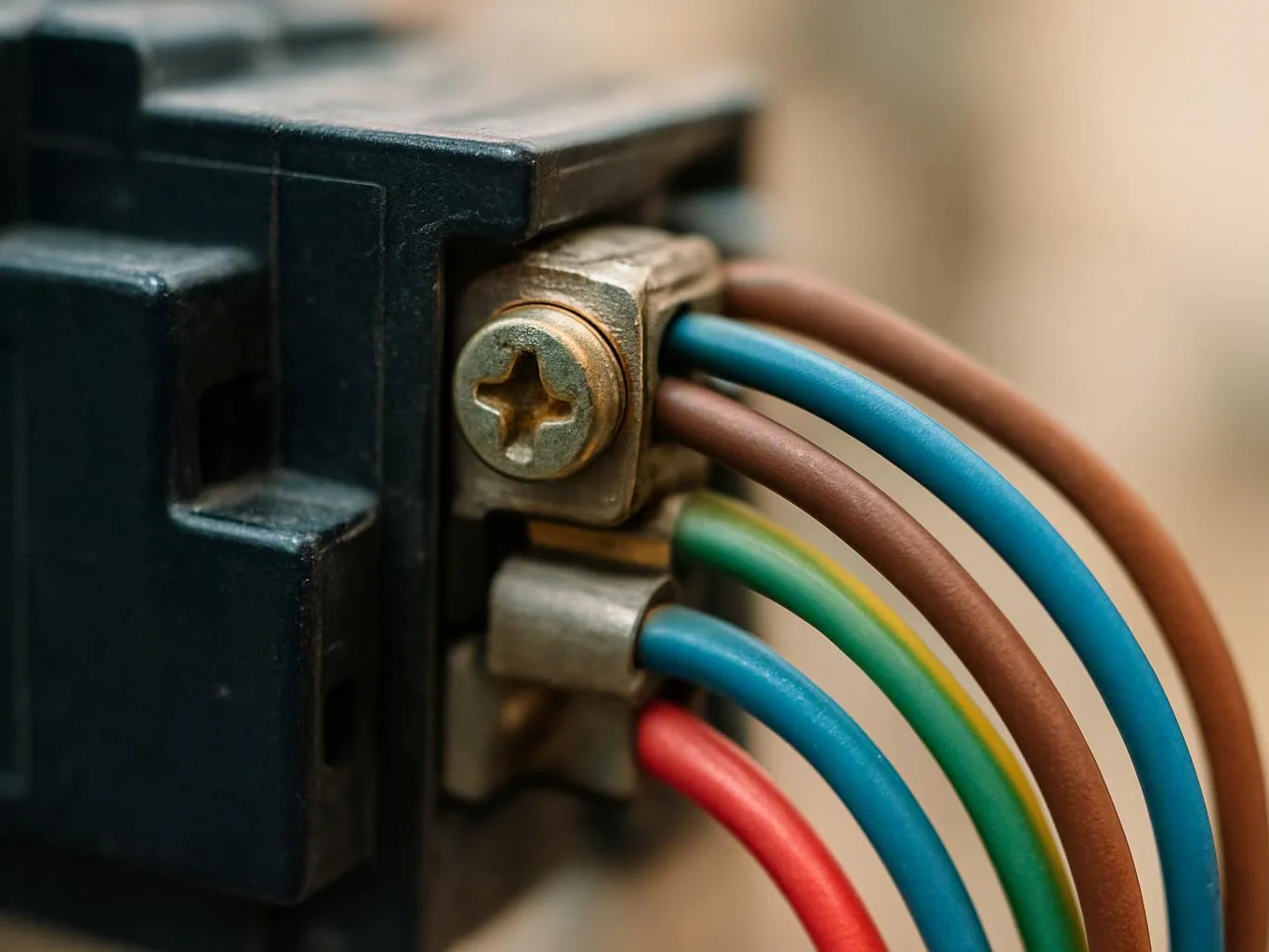
A damaged niche can expose the fixture connection to water and cause unstable lighting. Earth Electric checks the niche, insulation, splice, and terminals before setting the repair scope. We keep the affected circuit isolated during testing. The final recommendation depends on whether the niche, fixture, or connected wiring is damaged.
Who repairs failed pool light transformers and wiring?
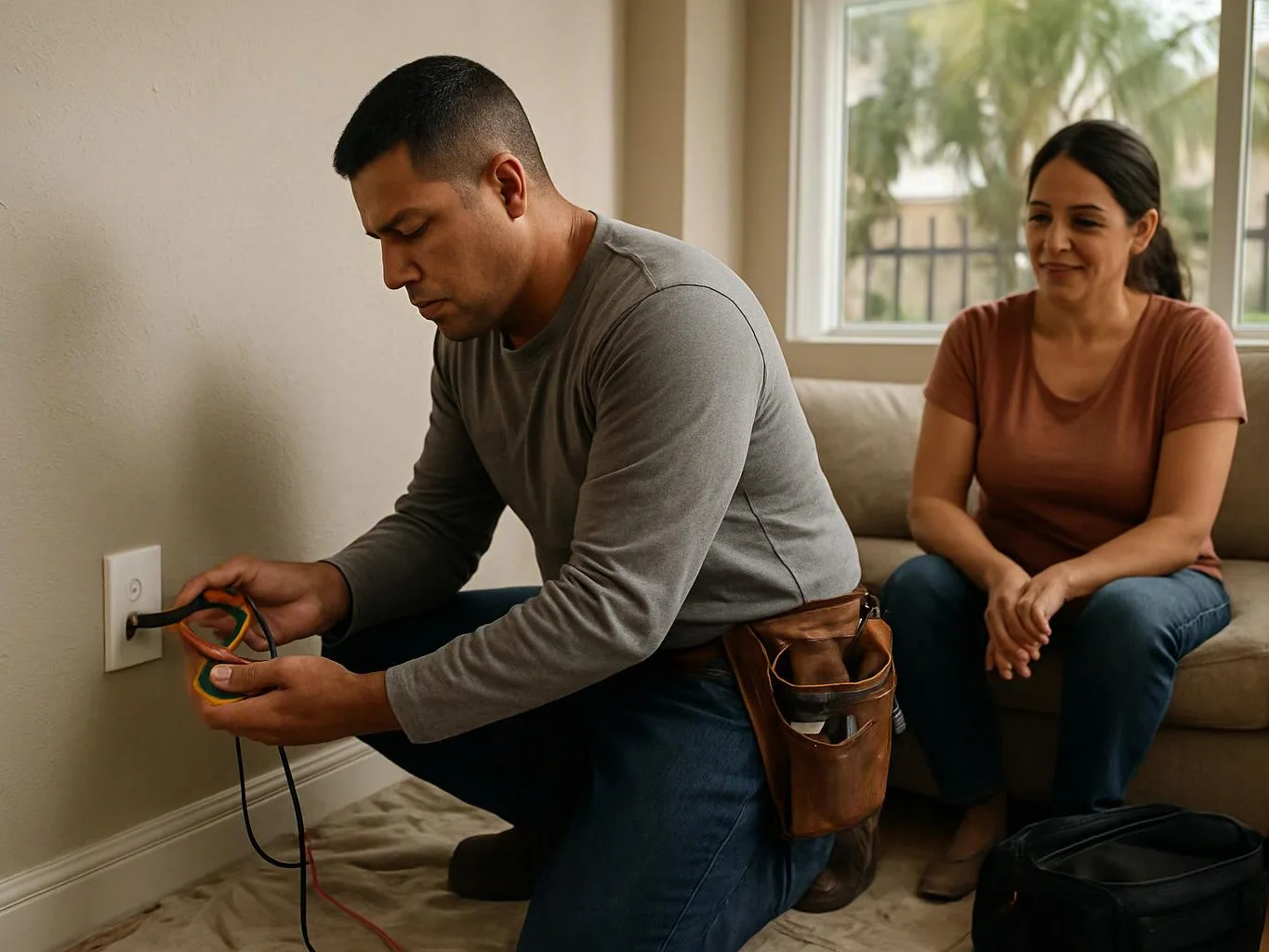
Earth Electric repairs failed pool light transformers and related wiring. The transformer is tested first, then we trace the circuit toward the fixture and connection points. Our team explains whether the transformer, splice, terminal, or another part needs repair. We also complete testing and verification after the electrical work.
What should I ask before agreeing to pool electrical repair?
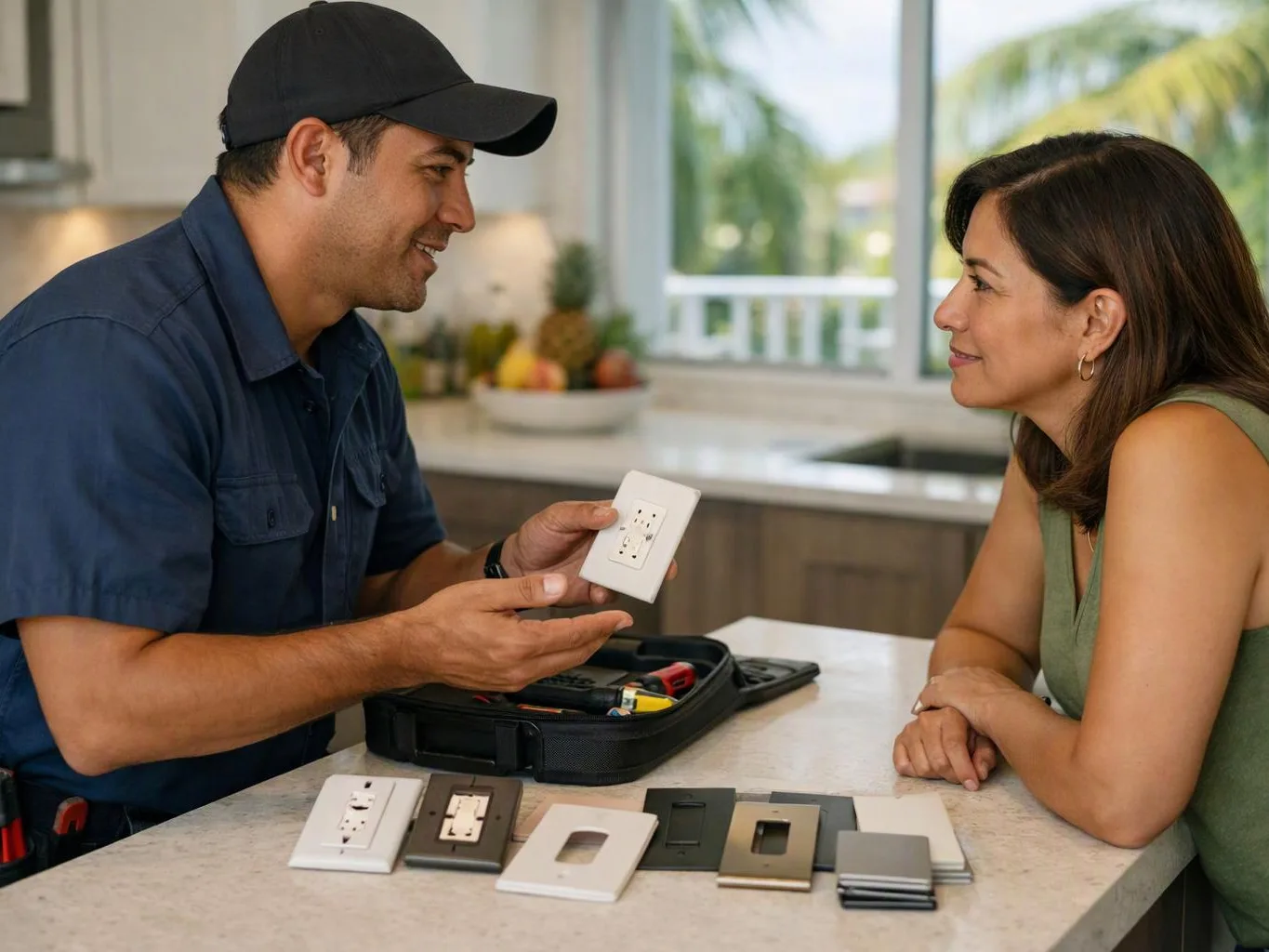
Ask which part failed, how the fault was tested, and whether the work needs permitted electrical work. The repair scope should identify the transformer, niche, splice, terminal, or wiring involved. Earth Electric explains the finding and estimate before proceeding, so you know what the work addresses.
Which property condition changes the time needed for pool light repair?
Access to the pool equipment area, fixture, controls, and electrical panel changes the work time. Water damage, hidden splices, corroded terminals, and unclear circuit paths can require more testing. We check access and circuit condition first, then explain the work scope that follows.
How is pool lighting repair matched to a property before work starts?
Pool lighting repair is matched to the property by checking the fixture, transformer, wiring path, controls, and panel access. Earth Electric reviews the symptom and tests the affected circuit before recommending parts. The assessment also identifies whether the work is a pool lighting fault or a wider electrical issue.
When should I stop using a flickering underwater light?
Stop using a flickering underwater light until the circuit is checked. Flickering can point to water leakage, a loose splice, corroded terminals, or an unstable transformer. Switch off the affected light and keep the pool equipment area accessible for diagnosis.
What information helps you assess a failed pool light?
The affected light, recent symptoms, control settings, and visible moisture help us assess a failed pool light. Photos of the light, transformer, and equipment area can also show access conditions. Do not remove the fixture or open the wiring yourself before the circuit is isolated.