What problems can affect recessed lighting installation?
Improper spacing can cause uneven light, glare, and dark areas. We check the ceiling layout, fixture clearances, wiring path, and switch location before installation. Overheating fixtures, flickering bulbs, and limited ceiling access can also change the scope. Earth Electric explains whether the issue calls for layout changes, electrical repair, or standard installation.
Who installs recessed lights for homes and businesses?
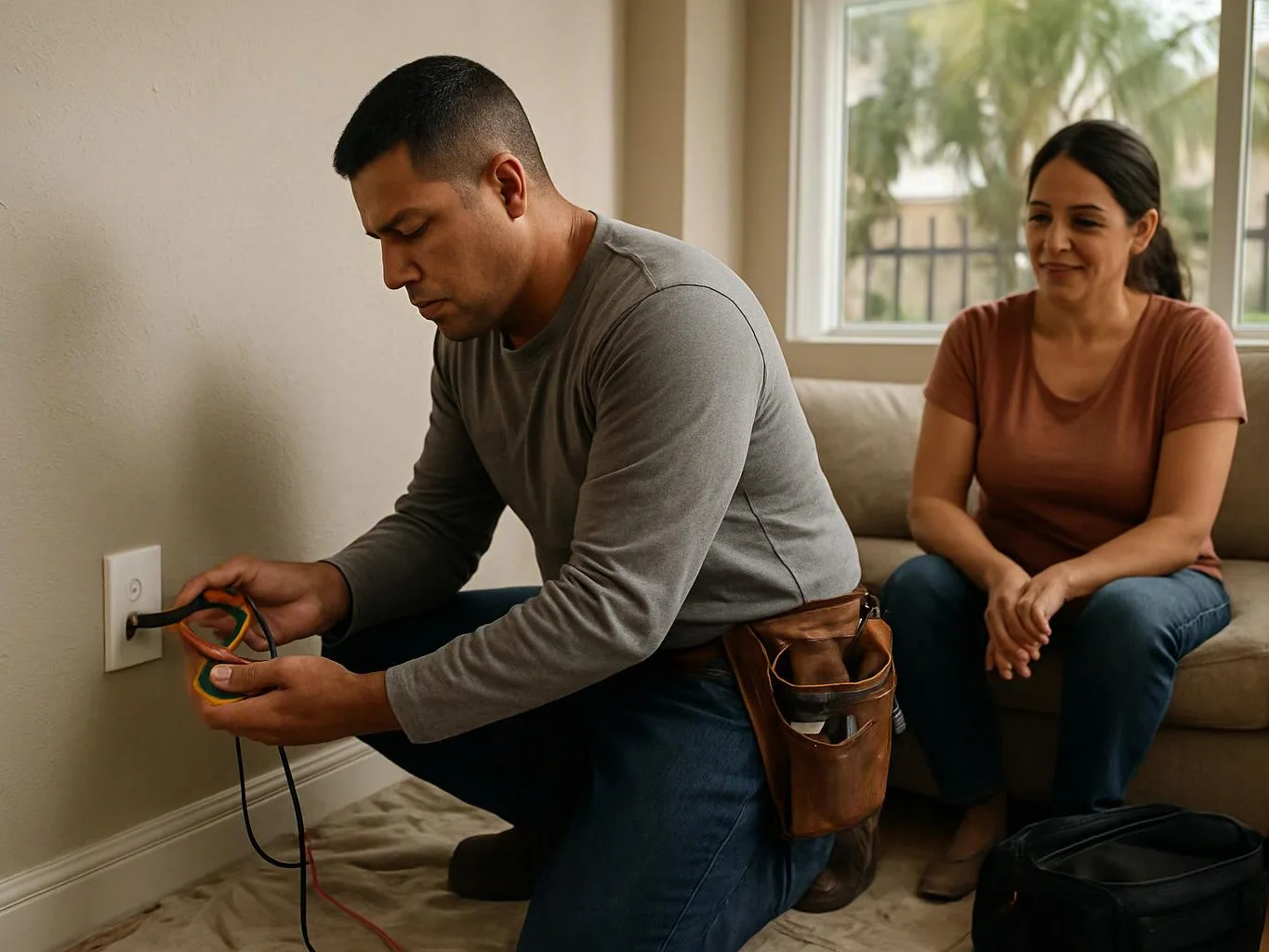
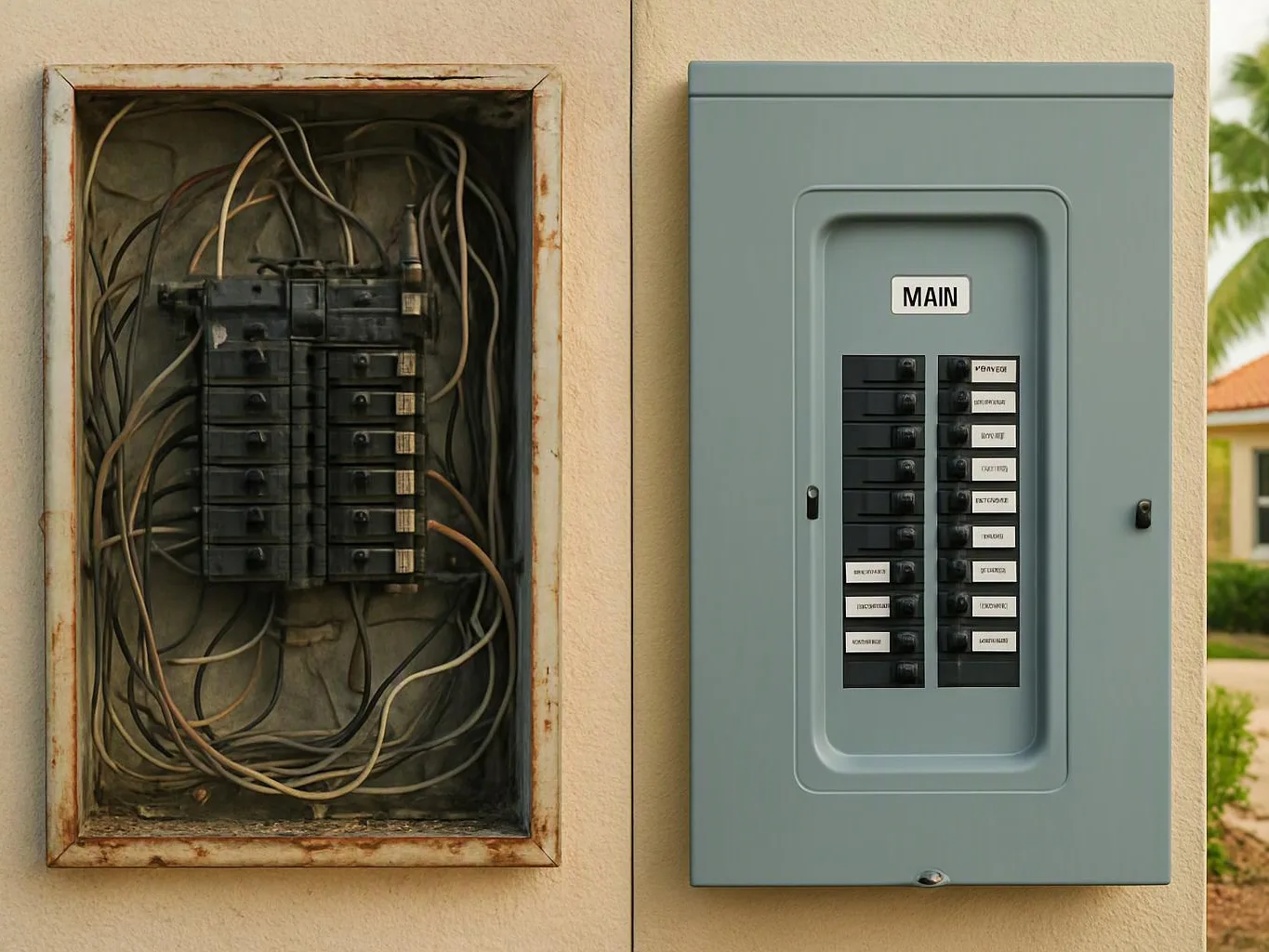
Earth Electric installs recessed lights for homeowners, businesses, and property managers. We review the room, ceiling access, circuit, switch, and planned fixture positions before setting the work scope. Our electricians handle the installation and testing, while related panel or wiring repairs receive separate attention when the inspection finds a broader electrical issue.
What does the crew look at first during recessed lighting work?
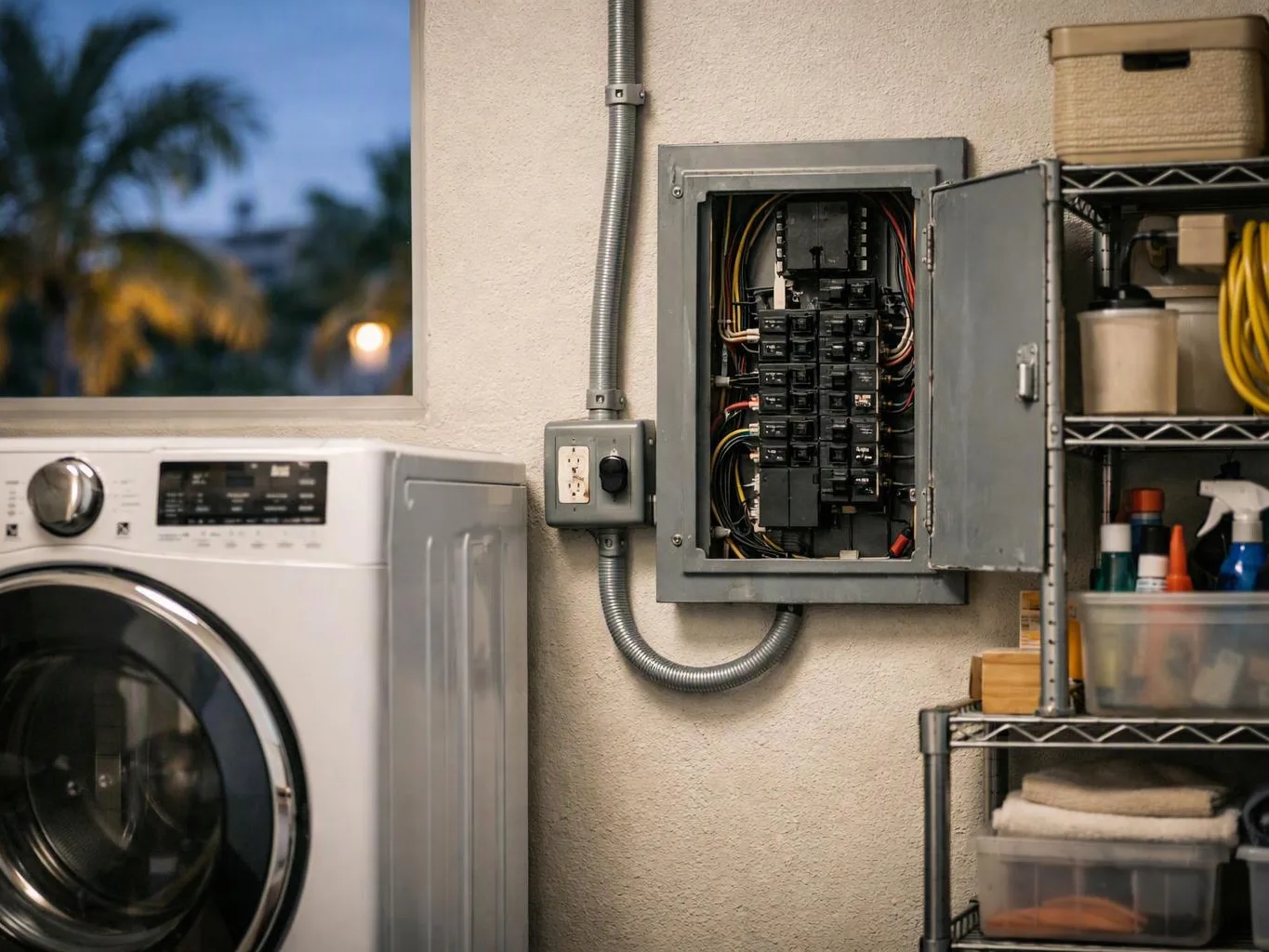
The ceiling layout and existing circuit receive the first review. We check access above the ceiling, fixture locations, switch control, wiring condition, and signs of heat or flicker. This first check helps us identify conflicts before cutting openings and helps customers understand which parts of the work belong in the estimate.
How does limited ceiling access change the job?
Limited ceiling access can restrict the wiring path and fixture locations. We inspect the available space, locate existing wiring, and account for framing or other obstacles before planning the openings. Customers with attic or ceiling access should share that information during scheduling, because access affects the work scope and estimate.
Which part of the job changes the estimate most?
Ceiling access and wiring needs often have the greatest effect on the estimate. We also review fixture locations, switch changes, circuit condition, and the property type. Earth Electric provides a free estimate after reviewing the requested layout and related electrical work, so the scope reflects the actual installation conditions.
When should flickering bulbs be checked before new lights go in?
Flickering bulbs should be checked before new fixtures are connected. The cause can involve a loose connection, faulty fixture, switch issue, or circuit problem. We inspect and test the affected area first, then explain whether the lighting installation can proceed or whether electrical troubleshooting belongs in the work scope.
Why can a recessed fixture overheat?
A recessed fixture can overheat when its housing, bulb, clearance, or connection does not suit the ceiling conditions. We inspect the fixture area and wiring before replacing or adding lights. Customers should stop using a fixture that becomes unusually hot and request an electrical assessment before further installation work.