Where should recessed lights be placed in a room?
The room perimeter should guide recessed light placement, with added fixtures aimed at task areas and balanced beam spacing. Earth Electric reviews the ceiling layout, room use, and switch position before marking openings. Furniture, cabinets, and ceiling access also affect the plan. A placement review helps prevent dark edges and poorly aimed light.
Which material changes how long recessed lighting installation takes?
Ceiling material and access above the ceiling can change the installation work. Drywall, finished ceilings, insulation, and obstructions affect how openings and wiring are handled. We inspect the work area before setting the scope. Customers should also identify hidden beams, ductwork, and other barriers that could affect fixture placement.
How does a recessed lighting installation visit move from the first call to the last step?
The visit moves from lighting goals to layout review, circuit checks, installation, and testing. We first discuss the room and task areas. Next, we mark fixture positions and inspect wiring access. After connecting the lights, we test the switches and circuit, then explain any remaining electrical or inspection needs.
How can a customer tell whether recessed lighting fits the property?
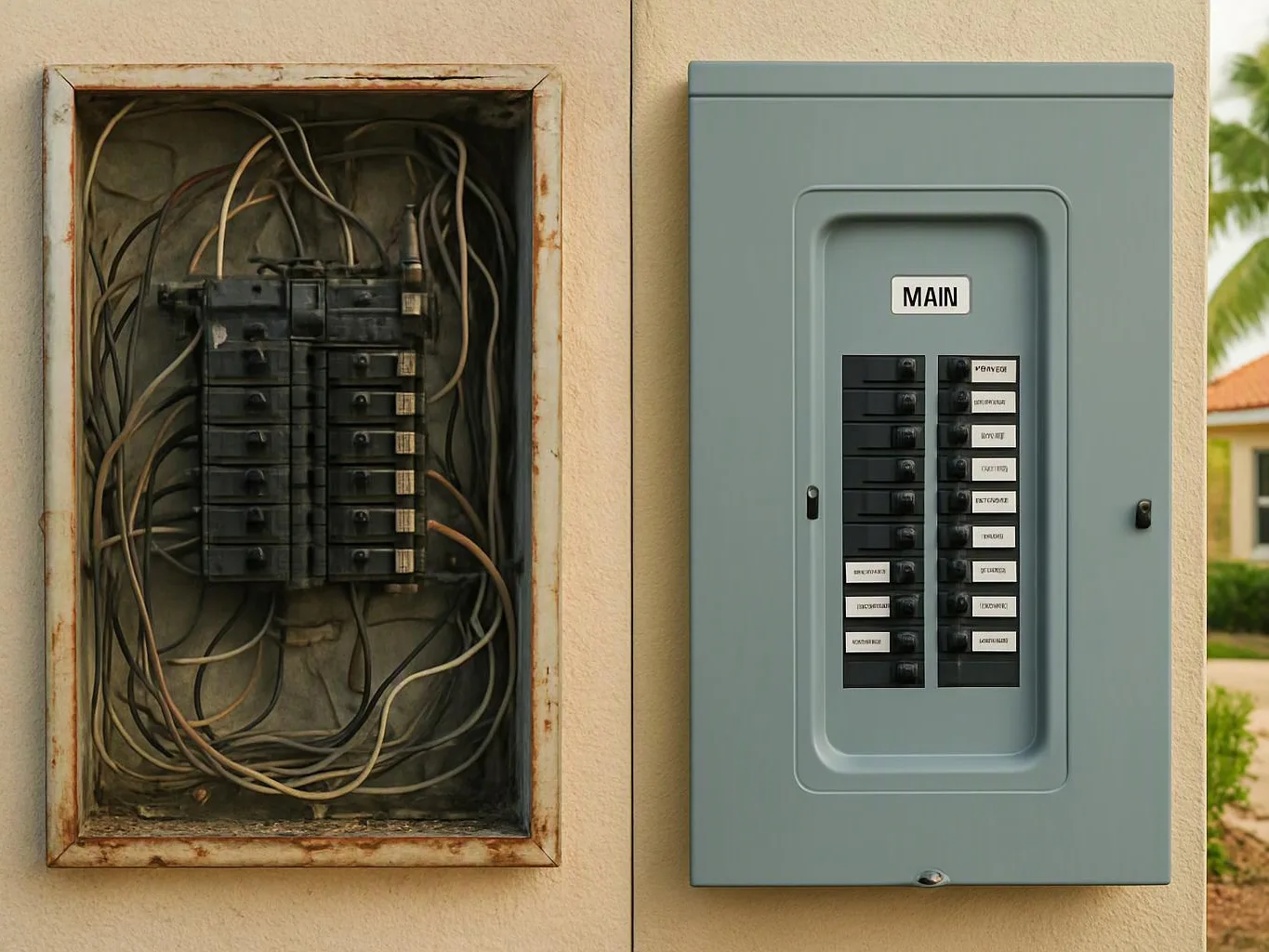
Recessed lighting fits when the ceiling, circuit, and room layout support safe fixture placement. We check ceiling access, wiring condition, switch control, and the areas that need light. North Miami Beach customers with flickering lights, warm switch plates, or repeated breaker trips should request electrical diagnosis before planning new fixtures.
Why should flickering lights be checked before new fixtures are added?
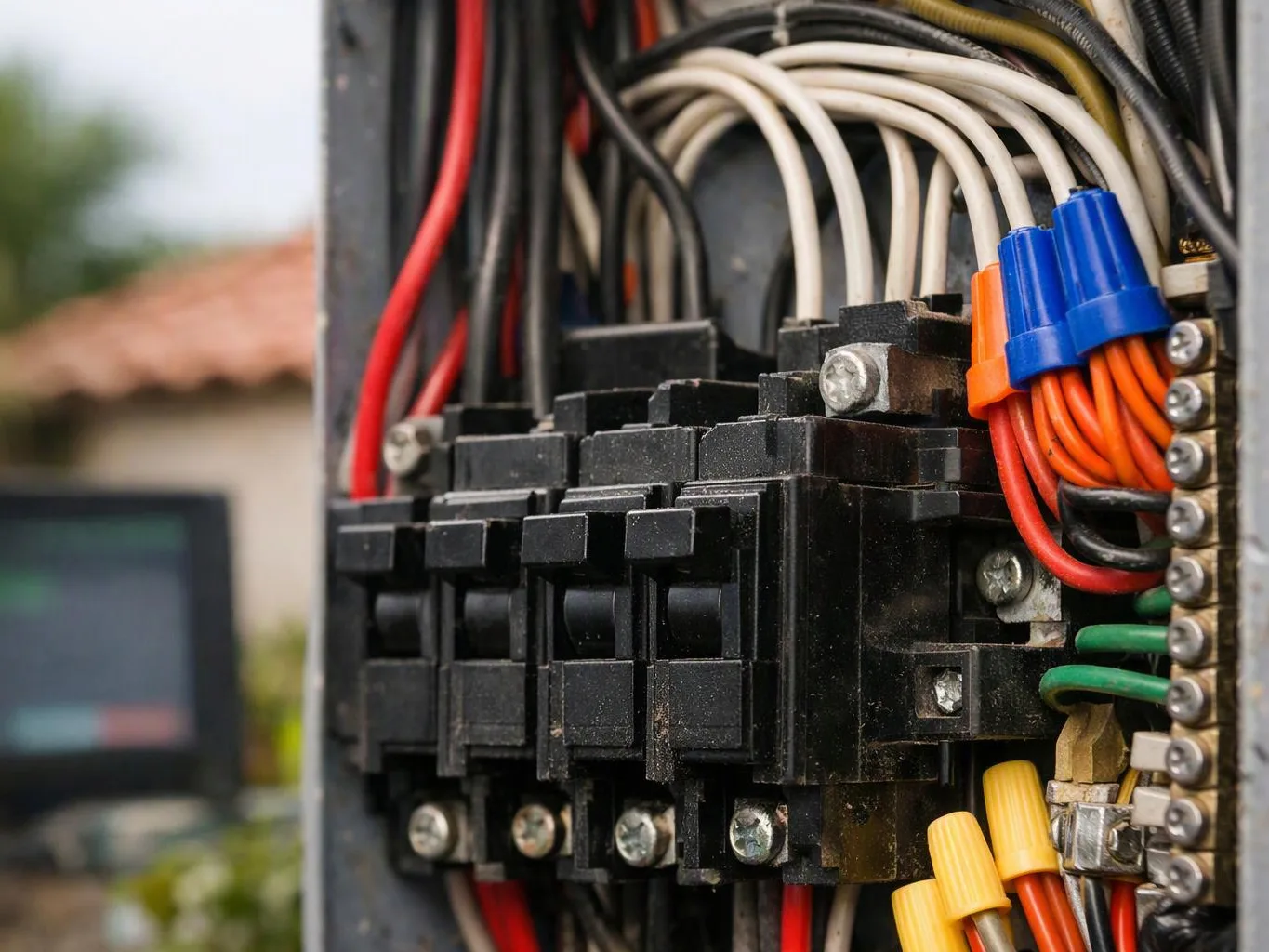
Flickering lights should be checked because a loose connection, failing switch, or circuit problem can affect new fixtures. We isolate the lighting circuit, inspect the wiring, and test the switch. The repair scope should be clear before installation continues, especially when the lights flicker with other electrical symptoms.
What information should I provide when requesting an estimate?
Room use, ceiling type, existing fixtures, switch locations, and visible electrical symptoms help us assess the work. Customers can describe the task areas that need light and provide photos when they show the ceiling or panel clearly. We use those details to discuss fixture placement, circuit checks, access, and the requested estimate.
Which electrical warning means new lighting should wait?
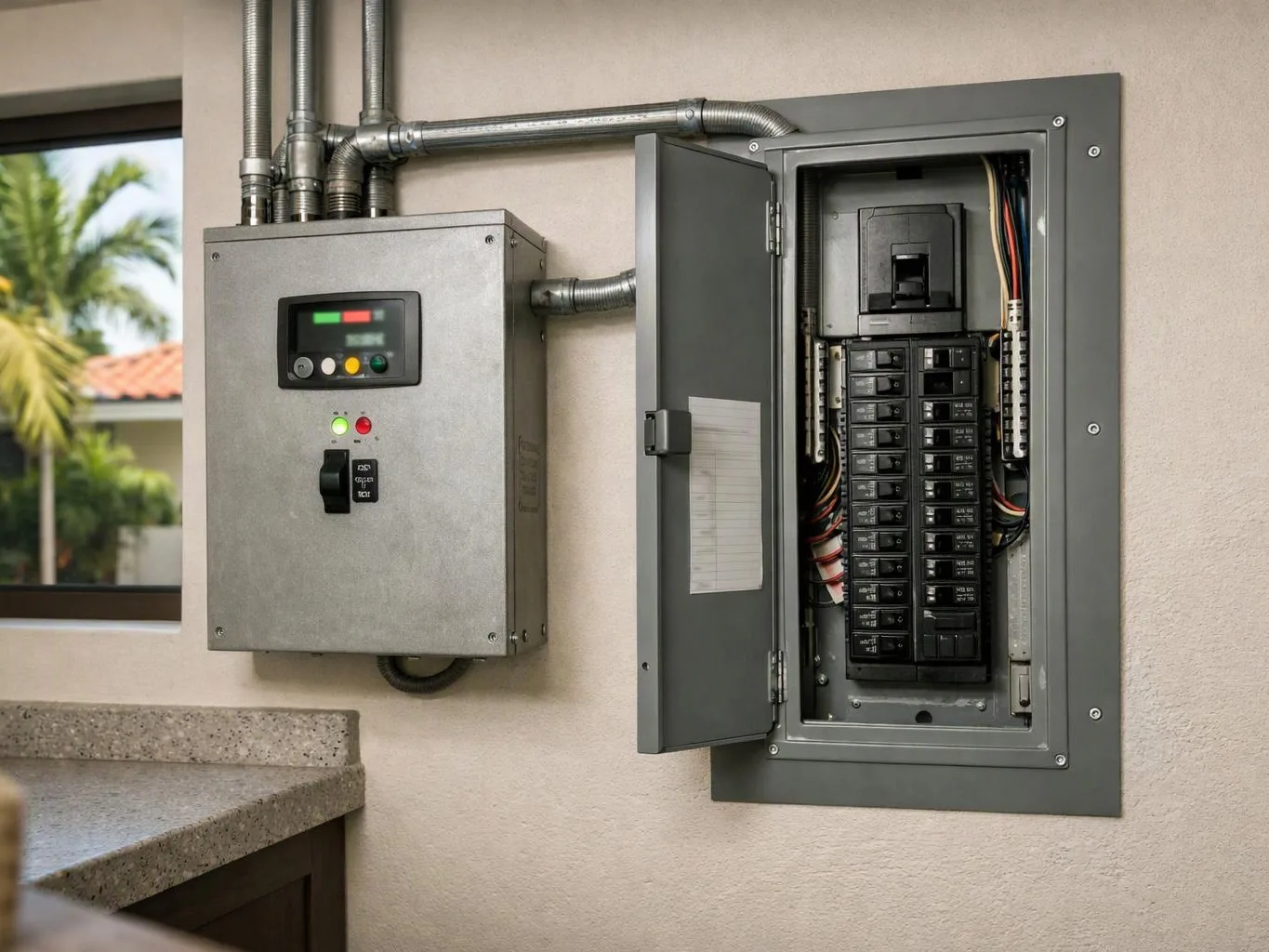
A burning smell, buzzing panel, or frequent breaker trips means new lighting should wait for electrical diagnosis. We isolate the affected circuit and check the panel, wiring, and connections. Customers should stop using the affected lighting when it shows a clear safety warning and tell us what happened before installation planning continues.