How does smoke detector installation work?
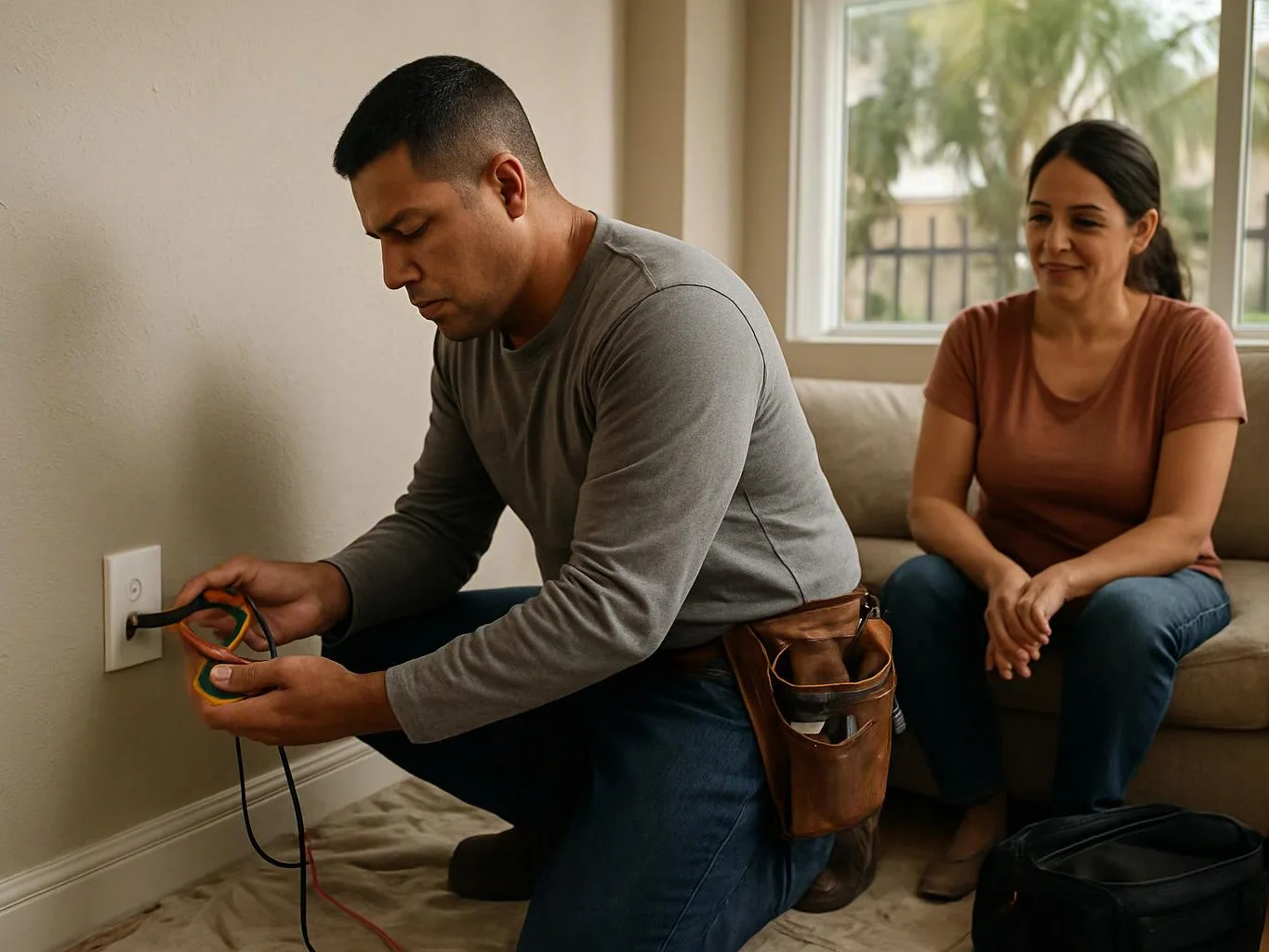
Interconnect wiring determines how linked detectors share an alarm signal. Earth Electric reviews the detector layout, checks the power path, installs the mounting hardware, makes the hardwired connection, and tests each device. The final check covers alarm sound, power, and communication between connected detectors. We explain any wiring repair that falls outside the installation scope.
What should be checked before installation is scheduled?
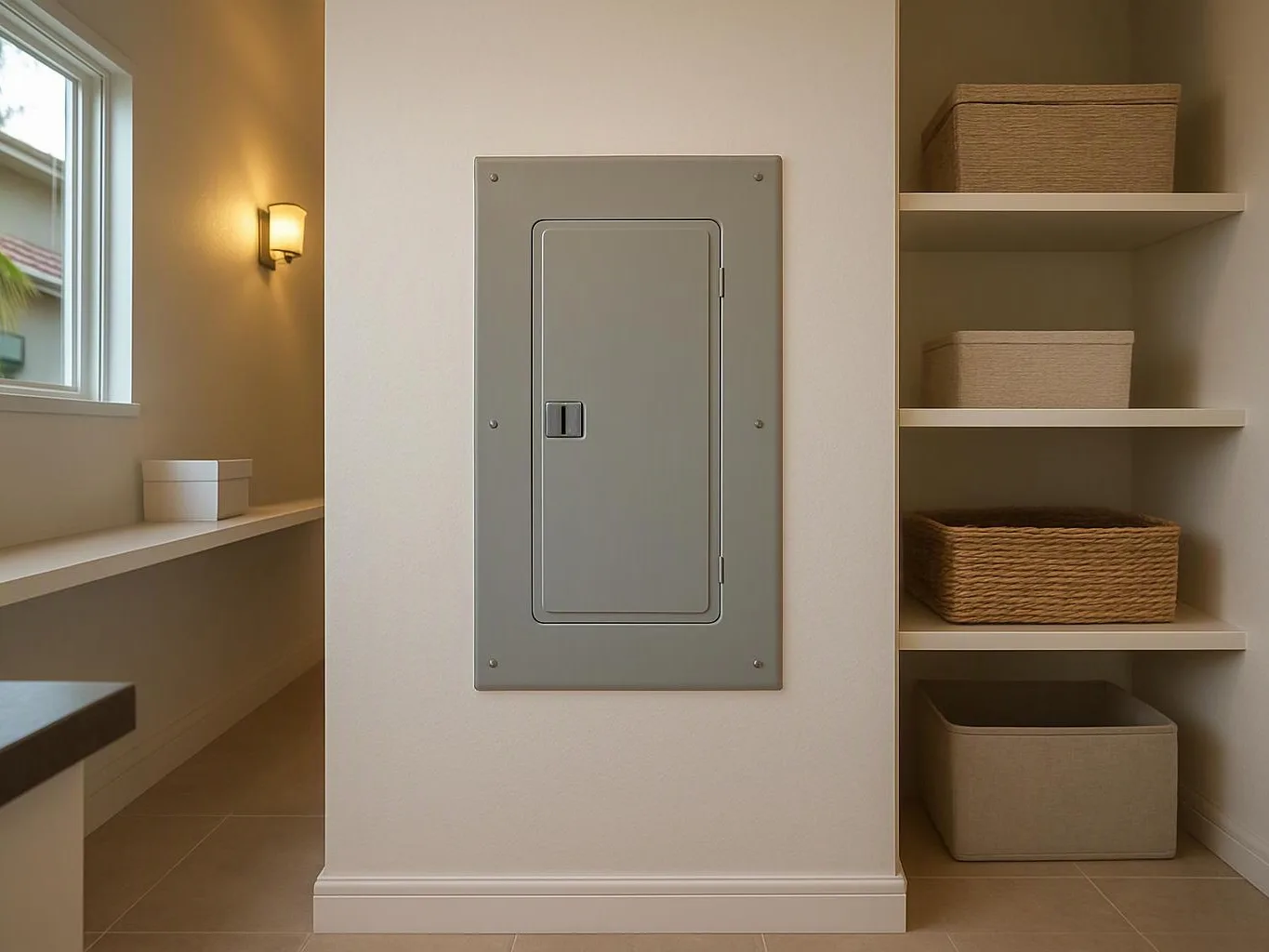
The planned circuit, ceiling access, mounting surface, and existing detector wiring should be checked first. We also need to know whether the property has battery devices, hardwired devices, or linked alarms. Photos of the panel and detector locations can help define the quote, but we verify the conditions on site before work begins.
Who is a good fit for smoke detector installation, and who needs a different service?
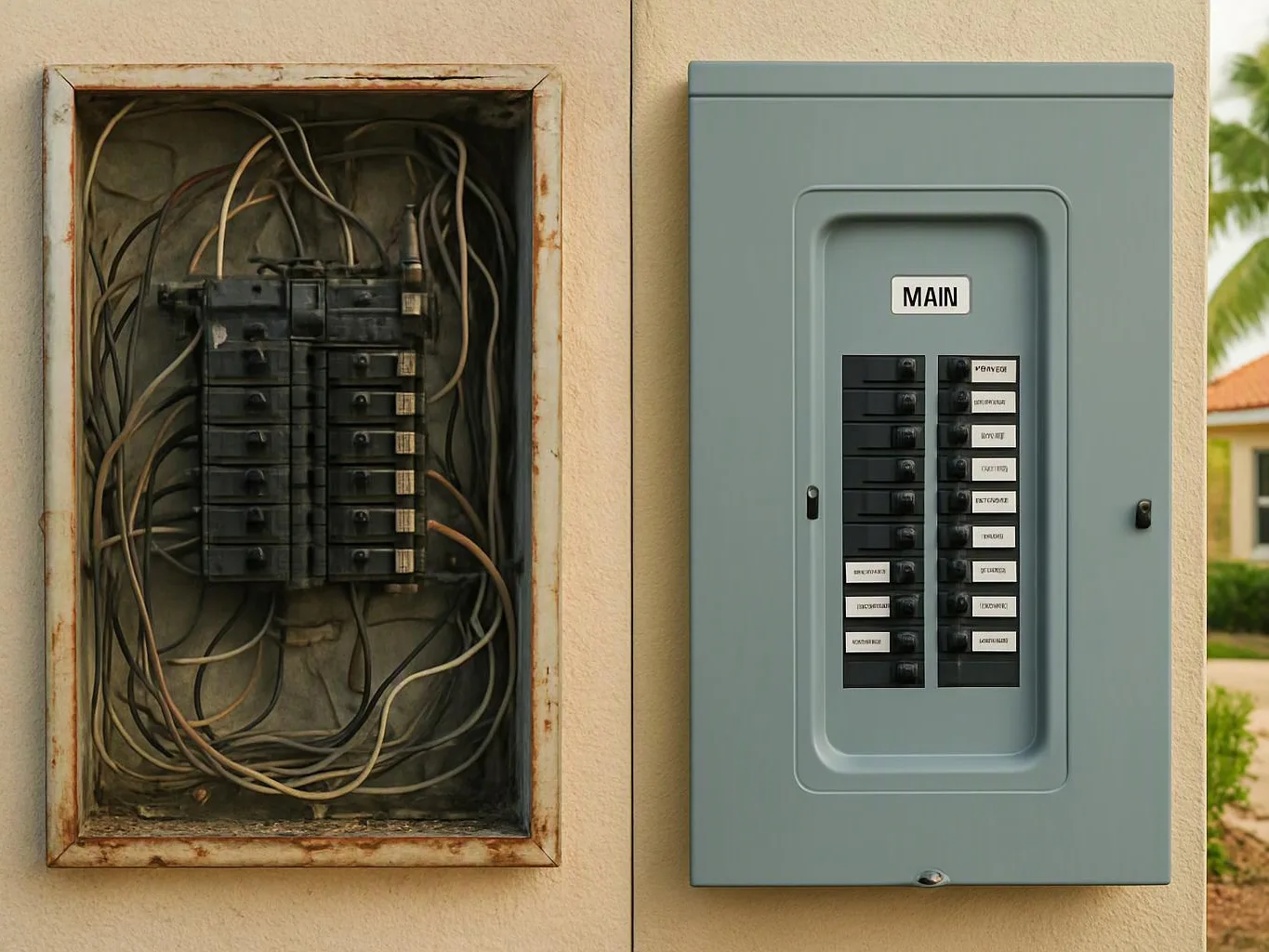
Homes, businesses, and property managers are good fits when detectors need mounting, replacement, wiring, or testing. Earth Electric also handles related electrical checks. A property with a burning smell, buzzing panel, or frequent breaker trip needs urgent electrical diagnosis before routine detector installation proceeds.
What happens at each stage of the installation?
The installation starts with a location and wiring review, then moves to mounting, connection, and testing. We check the ceiling anchors and bracket, connect the hardwired detector, and test linked alarm operation. The final discussion covers what we installed and whether any separate electrical repair remains.
Which part of the job changes the quote?
Existing wiring and ceiling access often shape the installation scope. New hardwired connections, interconnect wiring, extra mounting work, and circuit repairs add distinct tasks. We review those conditions and provide a free estimate based on the actual property rather than treating every detector installation as the same job.
Why does a new detector still chirp or lose power?
A chirp or power loss can come from a loose connection, a battery issue, a circuit fault, or a detector problem. We test the device and inspect the electrical path to separate those causes. Repeated symptoms across linked alarms point to a connection or circuit check, not just a single detector replacement.
Can a detector installation include permitted electrical work?
Yes, permitted electrical work can be included when the installation requires qualifying wiring changes. We identify the electrical scope, complete the work to code, and arrange the required inspection process when applicable. The exact requirements depend on the work being performed and the property conditions.