When does cloth wiring mean a home needs complete rewiring?
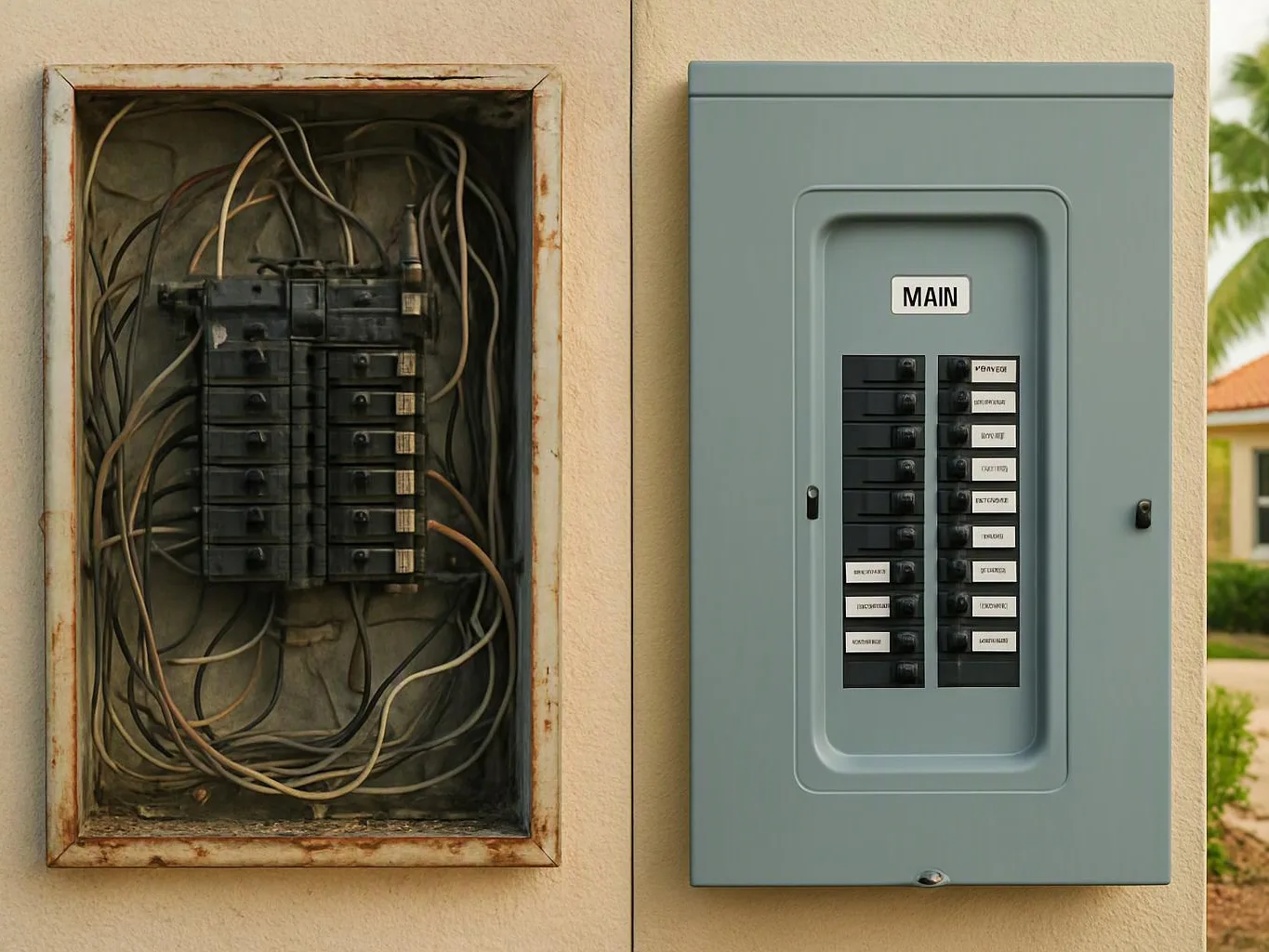
Cloth wiring means a home needs complete rewiring when inspection finds widespread deterioration, unsafe connections, poor grounding, or repeated circuit faults. Earth Electric checks the wiring, panel, circuits, and load before making that recommendation. Localized damage may need a smaller repair, but widespread problems call for a broader replacement plan.
How is whole house rewiring matched to the property before work starts?
The wiring plan matches the property through circuit tracing, load review, access checks, and a panel inspection. Existing outlets, switches, lighting, and equipment shape the circuit layout. We also check grounding and connections so the work addresses the actual electrical system, not just the visible symptoms.
What should be ready before whole house rewiring starts?
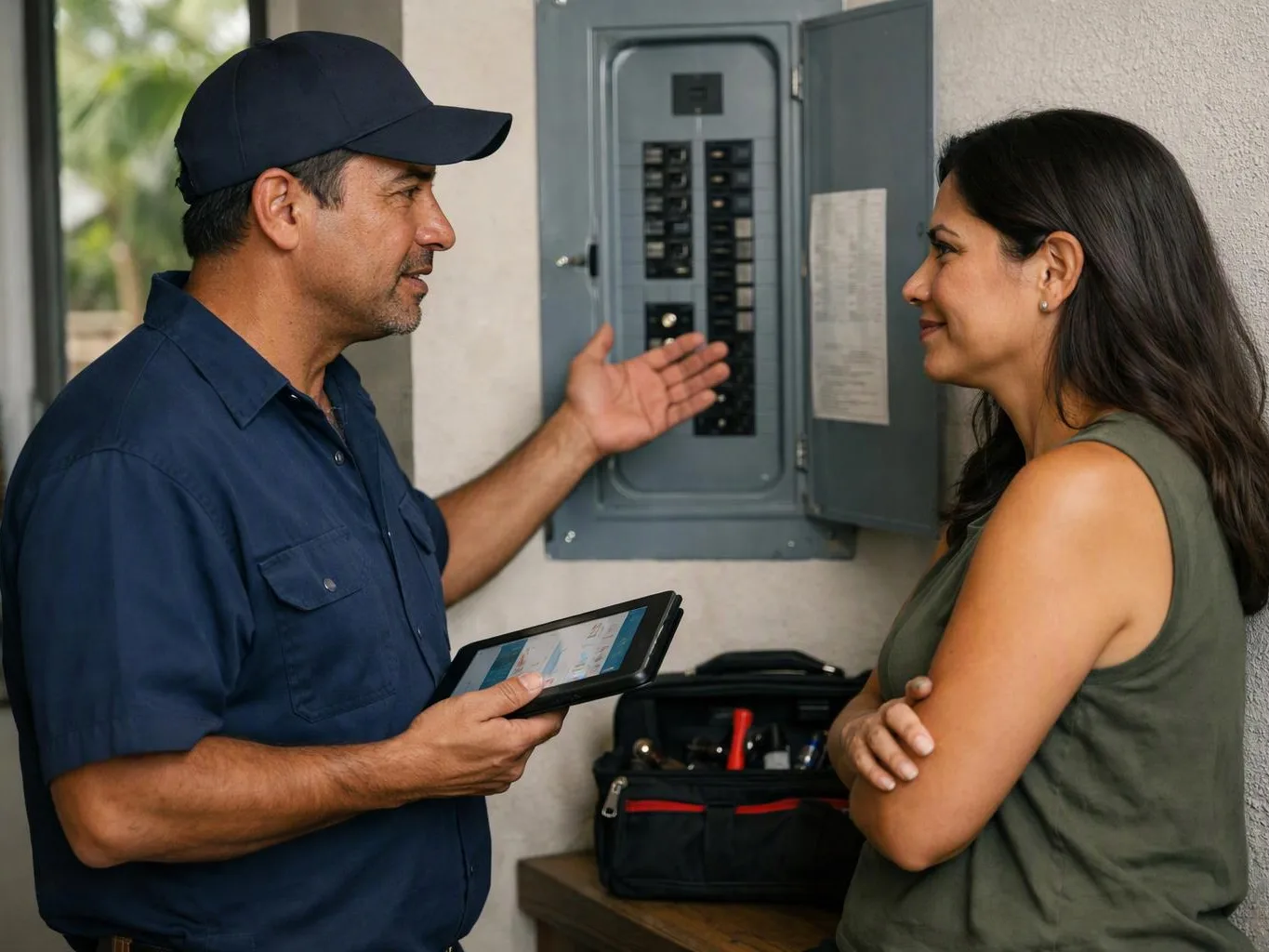
Property access, panel access, and a clear list of known electrical problems should be ready before work starts. Photos of warm outlets, tripped breakers, or damaged wiring can help explain the concern. We then inspect the property, define the scope, and explain any access needed around walls, fixtures, or equipment.
Which property condition changes the time needed for rewiring?
Wall access, circuit layout, panel condition, grounding, and damaged connections change the time needed for rewiring. Properties with hard-to-trace circuits require more inspection before replacement begins. We review those conditions during assessment and explain the work sequence without promising an unsupported completion time.
Who provides whole house rewiring for Hollywood properties?
Earth Electric provides whole house rewiring for homeowners, businesses, and property managers in Hollywood. Our licensed and insured electricians inspect circuits, replace wiring within the agreed scope, correct grounding issues, and complete code-compliant permitted electrical work.
Why do frequent breaker trips matter during a rewiring assessment?
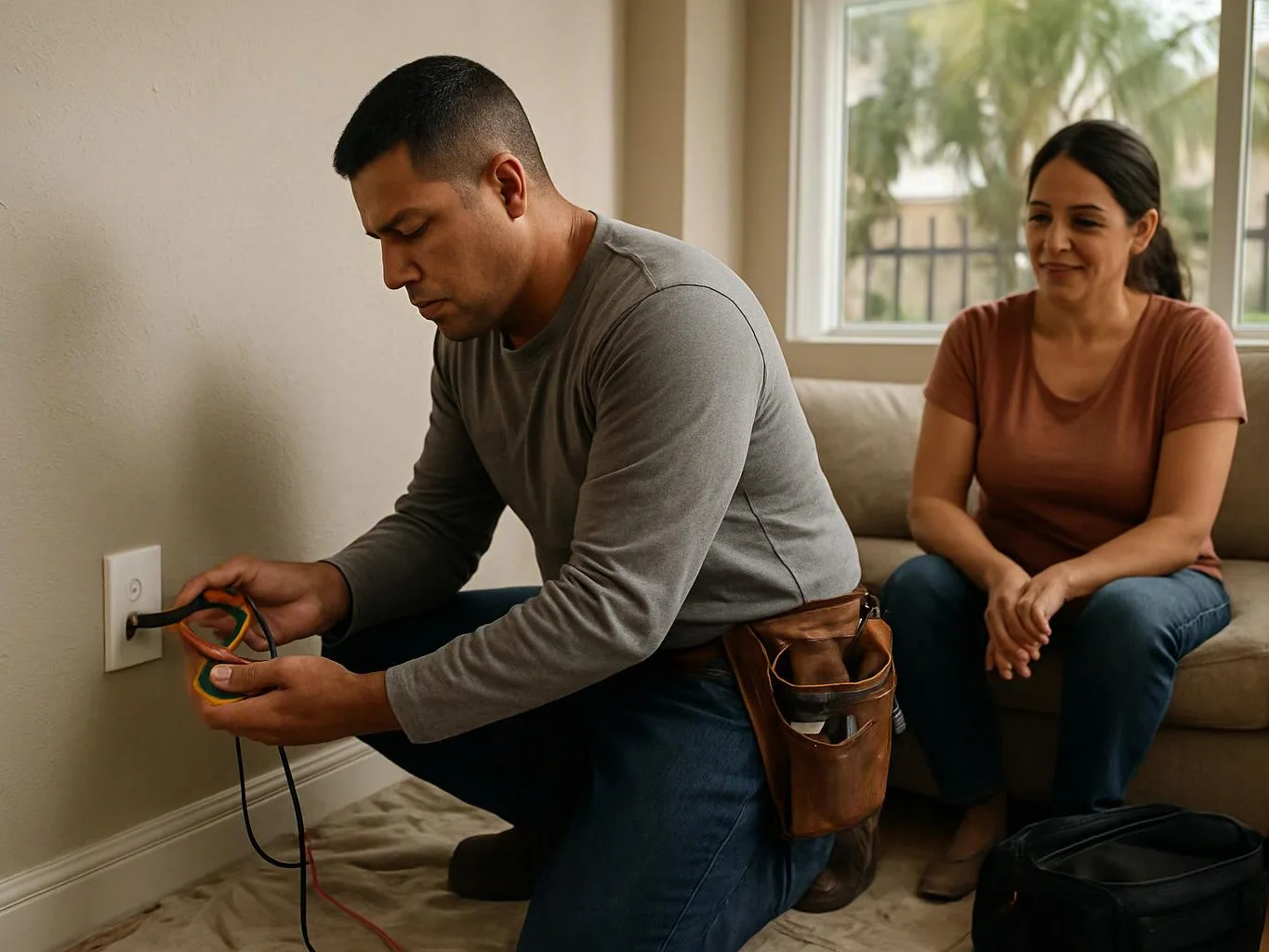
Frequent breaker trips can show overloads, damaged wiring, loose connections, or failing equipment. We identify the affected circuit, inspect the panel and connected devices, and test the wiring before choosing a repair. A repeated trip should not be ignored, especially when it appears with heat, buzzing, or a burning smell.