
What is Grounding Electrode?
Grounding Electrode is a conductive object that connects an electrical system to the earth. Common examples include metal underground water pipe, concrete-encased electrode, ground ring, and copper-clad ground rod. The electrode helps stabilize voltage during normal operation and provides a path for lightning, surges, or fault energy to enter the earth.
Quick Facts About Grounding Electrode
Category
Electrical grounding component
Used for
Connecting an electrical system to earth
Common confusion
It is not the same as an equipment grounding conductor.
Typical materials
Copper-clad steel, copper, galvanized steel, and approved metal piping
Also called
Grounding electrode system, Earth electrode
Often discussed with
Electrical Inspection, Electrical Code Compliance Correction
Key Takeaways About Grounding Electrode
- A grounding electrode connects the electrical system to earth. It does not replace equipment grounding conductors.
- Ground rods, concrete-encased electrodes, and metal water pipes are common electrode types.
- The electrode must connect to the grounding electrode conductor at the service equipment.
- Corrosion, loose connections, and damaged conductors can reduce grounding speed.
- Grounding electrode needs depend on system design, site conditions, and adopted electrical code.
Understanding Grounding Electrode
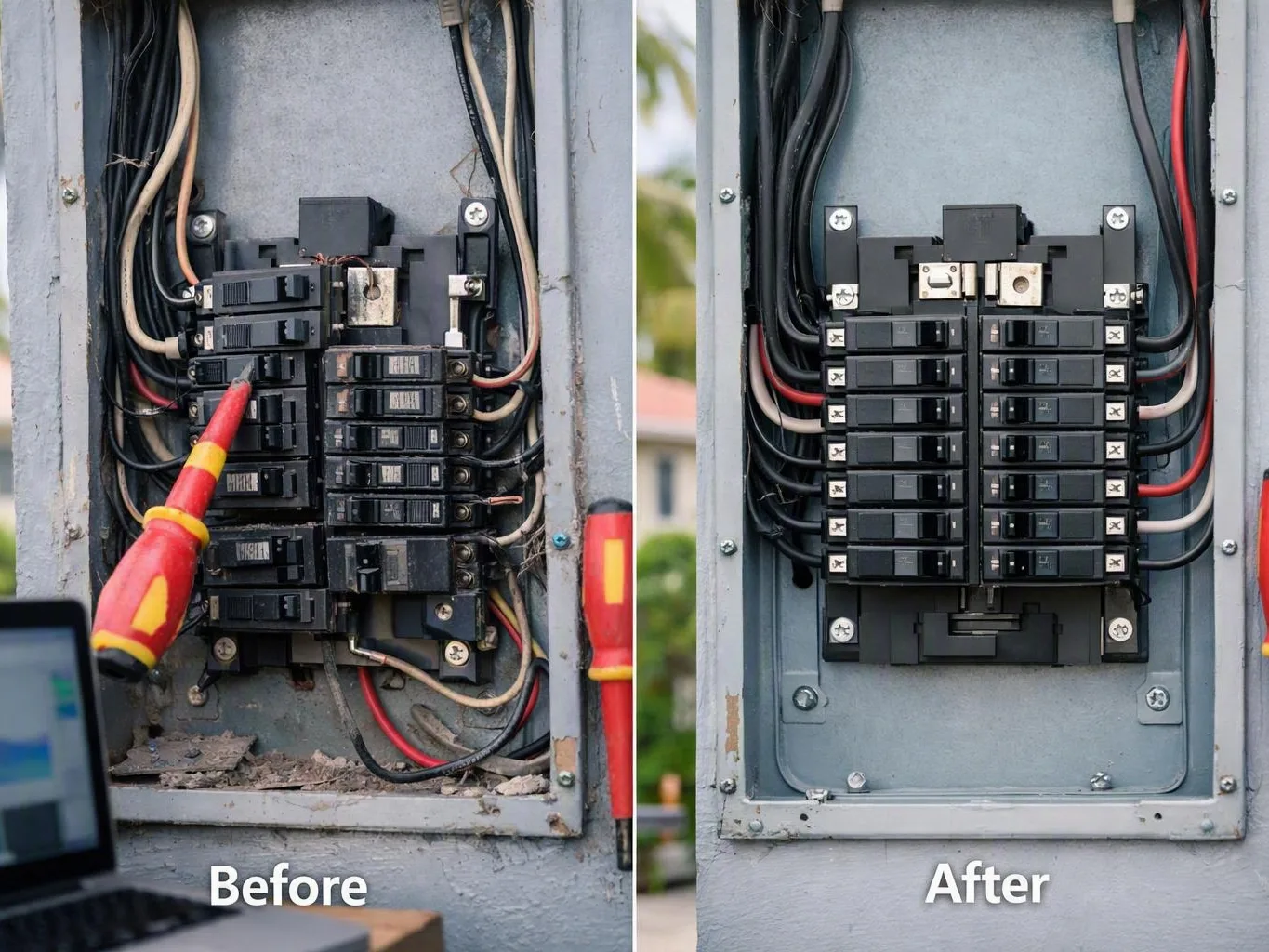
Grounding Electrode is the conductive connection between an electrical system and the earth. The electrode may be a ground rod or a concrete-encased reinforcing bar. It may also be a ground ring or another approved conductive element. Its purpose is to reference the system to earth. It also helps manage lightning, voltage surges, and certain fault conditions.
Related glossary terms: Bonding, Equipment Grounding Conductor, National Electrical Code.
The electrode connects to the service equipment through a grounding electrode conductor. A grounding electrode is part of the grounding electrode system. The system may contain more than one electrode. This can happen when a building has several suitable grounding paths.service equipment, grounded conductor, and electrode connection must follow local electrical code.
How Grounding Electrode Works, Is Measured, or Is Used?
During normal operation, a grounding electrode doesn't normally carry current. It establishes an earth reference for the electrical system. During a lightning event or surge. The grounding system helps direct energy toward earth. Overcurrent devices and protective devices handle other parts of the hazard. The grounding electrode conductor must remain continuous, protected, and securely connected.
Electricians inspect the electrode type, conductor size, connection method, and nearby installation. They also inspect the installation's condition. A ground resistance test may measure resistance between the electrode system and earth. A resistance reading alone doesn't prove code compliance. Soil moisture, soil makeup, electrode depth, corrosion, and nearby metal systems can affect results. Code compliance also depends on bonding and conductor requirements.
- Identify every available grounding electrode at the building.
- Inspect clamps, connectors, and accessible conductor sections for corrosion or looseness.
- Verify that metal water piping and other qualifying electrodes receive the required bonding.
- Check the grounding electrode conductor for damage, improper splices, or poor protection.
Why Grounding Electrode Matters?
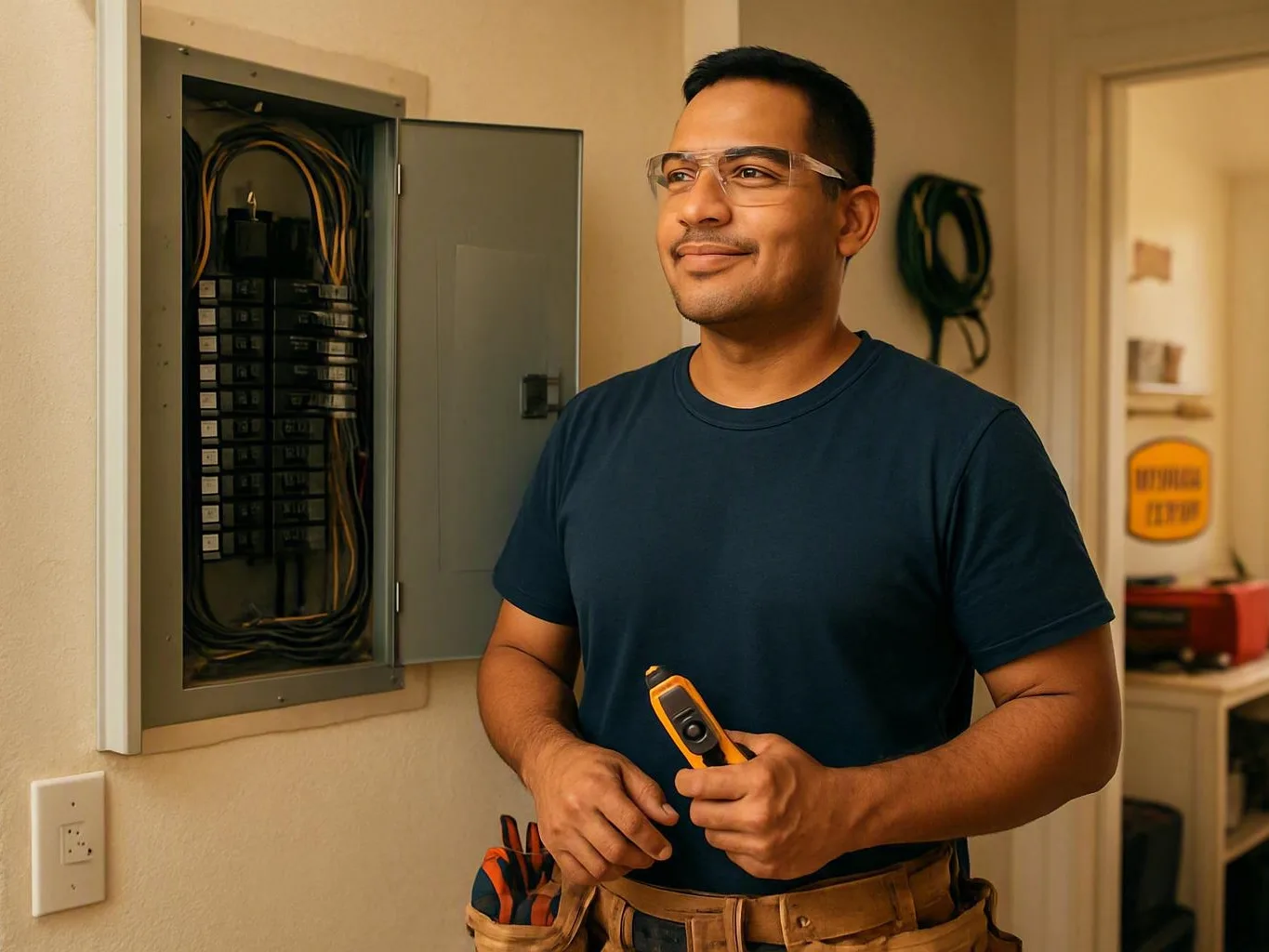
A properly installed electrode system supports electrical safety. It keeps exposed conductive parts and the electrical system at more steady voltage levels. It can reduce voltage differences between a building, nearby grounded objects, and earth. This matters during abnormal events. The electrode doesn't guarantee that a person will avoid shock. It doesn't make a circuit safe when a breaker, bonding link, or wiring system has a defect.
Grounding problems can stay hidden until a lightning strike, utility issue, or damaged service conductor occurs. They can also stay hidden until an equipment fault occurs. Missing electrodes, loose clamps, and corroded connections can increase risk. They can also make troubleshooting harder. A complete inspection checks the entire grounding and bonding system. It doesn't focus on one rod or one resistance number.
When Grounding Electrode Matters Most?
Grounding electrode work becomes especially important during new construction, service changes, and panel replacements. It also matters during generator installations and electrical inspections. Renovations may uncover an old electrode that no longer meets current requirements. They may also uncover a metal water pipe that's no longer continuous. Plastic piping repairs can cause this problem. Concrete foundations can also contain a qualifying electrode. Workers should identify it before covering the construction.
Miami buildings face conditions that deserve close attention. These include high humidity, salt air near the coast, heavy rain, and lightning activity. These conditions can speed up corrosion or expose weak connections. A qualified inspection should document the electrode type and conductor routing. It should also document the connection condition and needed corrections. This work should happen before service equipment is energized or changed.
How to Evaluate Grounding Electrode?
- Identify whether the property has a ground rod, concrete-encased electrode, ground ring, or another qualifying electrode.
- Inspect the grounding electrode conductor for correct routing, secure terminations, physical damage, and corrosion.
- Confirm that all available grounding electrodes are bonded when required by the adopted electrical code.
- Review any ground resistance test with the electrode type, soil conditions, and code requirements in mind.
- Check whether recent plumbing, construction, or service work interrupted an existing grounding path.
Related Concepts Compared
Grounding Electrode vs. Equipment Grounding Conductor
An equipment grounding conductor connects equipment and metal enclosures to the grounding system. A grounding electrode connects the electrical system to earth. These conductors perform related but different jobs.
Grounding Electrode vs. Ground Rod
A ground rod is one type of grounding electrode. The term grounding electrode also covers concrete-encased electrodes, ground rings, and qualifying metal water pipe.
Grounding Electrode vs. Bonding
Bonding joins conductive metal parts so they share a similar electrical potential. A grounding electrode provides the connection between the grounding system and earth.
Grounding Electrode vs. Grounding Electrode Conductor
The grounding electrode conductor is the wire or bus connection between the service equipment and the grounding electrode system. The electrode is the conductive object installed in or connected to the earth.
Expert Note
A single ground rod does not describe the whole grounding system. An inspection should look for other qualifying electrodes, bonding connections, conductor protection, corrosion, and changes caused by plumbing or remodeling. Ground resistance testing can support an evaluation, but code compliance requires more than one test result.
Common Mistakes or Myths About Grounding Electrode
- Assuming a ground rod alone replaces the equipment grounding conductor.
- Ignoring a concrete-encased electrode because it is not visible after construction.
- Attaching the grounding electrode conductor to a corroded or loose clamp.
- Removing metal water piping without checking its role in the grounding electrode system.
- Treating a low resistance reading as proof that every grounding and bonding requirement is satisfied.
Grounding Electrode in Practice: A Real-World Example
A home has a copper-clad ground rod beside the service equipment and a concrete-encased electrode in its foundation. An electrician checks both electrodes, joins them with the grounding electrode conductor, and checks for corrosion before a service upgrade.
Sources & Further Reading on Grounding Electrode
Related Terms
Bonding
Bonding is the intentional connection of exposed metal parts, electrical equipment, and conductive paths so they…
Equipment Grounding Conductor
Equipment Grounding Conductor is a wire or conductive path that connects non-current-carrying metal parts of electrical…
National Electrical Code
National Electrical Code is a set of electrical safety rules published by the National Fire Protection…
Fault Current
Fault Current is the electrical current that flows through a unintended path after insulation fails, conductors…
Earth Electric
Have Questions About Grounding Electrode?
Contact Earth Electric for practical guidance on Grounding Electrode and related 24 hour electrician work in Miami.