
What is Ground-Fault Circuit Interrupter?
Ground-Fault Circuit Interrupter is a protective device that monitors current flowing through an electrical circuit and disconnects power when it detects an imbalance. The device helps protect people from electric shock caused by current flowing through a unintended path, such as a person, wet surface, or grounded metal object.
Quick Facts About Ground-Fault Circuit Interrupter
Category
Electrical safety device
Used for
Shock protection near water and grounded surfaces
Common benchmark
Trips when it detects a small current imbalance
Relevant standard
National Electrical Code requirements vary by location and application
Common confusion
A GFCI is not the same as an arc-fault or standard circuit breaker
Also called
GFCI, GFCI outlet
Key Takeaways About Ground-Fault Circuit Interrupter
- A GFCI detects small differences between current leaving and returning through a circuit.
- The device can reduce shock risk in wet locations. But it does not prevent every electrical hazard.
- A test button should trip the device, while a reset button restores power after safe conditions return.
- GFCI protection may come from a receptacle, circuit breaker, portable unit, or installed equipment.
- A tripping GFCI signals a fault, moisture problem, damaged appliance, or wiring issue that needs attention.
Understanding Ground-Fault Circuit Interrupter
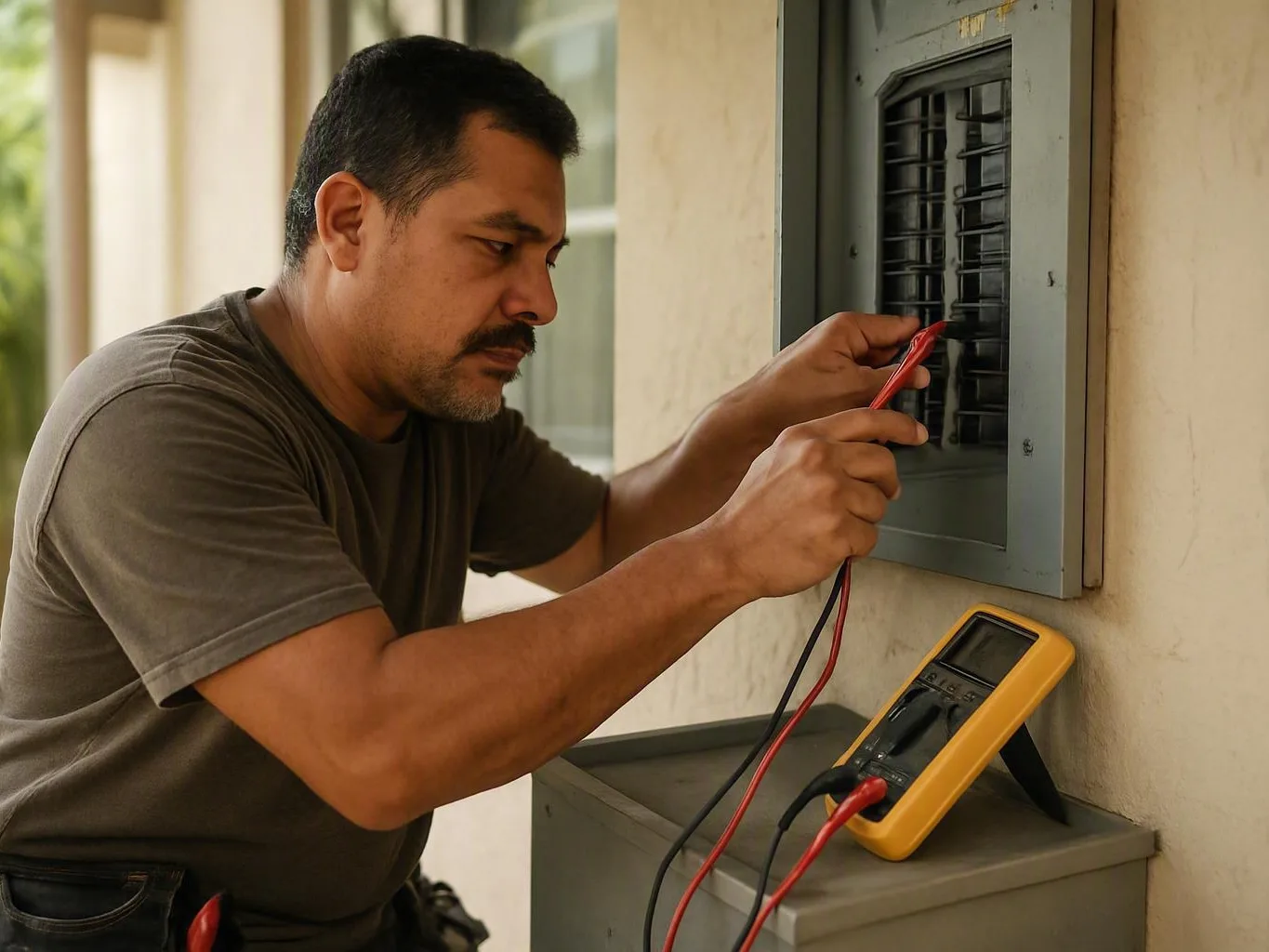
Ground-Fault Circuit Interrupter, often called a GFCI, protects people from electric shock. It's a device that compares outgoing and returning current. A difference means electricity may take another path. That path could go through a person or wet surface.
Related glossary terms: Arc-Fault Circuit Interrupter, Equipment Grounding Conductor, National Electrical Code.
A GFCI opens the circuit when it detects this imbalance. It acts faster than a person can safely react to serious shock. GFCI protection doesn't replace proper grounding, insulation, safe appliance use, or overcurrent protection. Each part addresses a different electrical risk.
How Ground-Fault Circuit Interrupter Works, Is Measured, or Is Used?
Inside a GFCI receptacle or GFCI circuit breaker. A sensing device compares current on circuit conductors. Under normal conditions, outgoing and returning current remain nearly equal. If current leaves the intended path, the device detects the difference. It then releases an internal switch that cuts power.
The device includes a test button and a reset button. Pressing test should create a small imbalance and trip the device. Reset should restore power when the circuit's safe. A portable GFCI provides similar protection for temporary equipment. A qualified electrician can check line and load connections during troubleshooting. They can also check voltage, grounding, and nuisance-tripping causes.
GFCI devices are commonly installed where water increases shock exposure. Grounded surfaces can also increase this exposure. Examples include bathrooms, kitchens, garages, outdoor areas, laundry spaces, crawl spaces, and unfinished basements. Exact placement and protection rules depend on the adopted National Electrical Code. Local amendments, building type, and circuit design also affect these rules.
Why Ground-Fault Circuit Interrupter Matters?
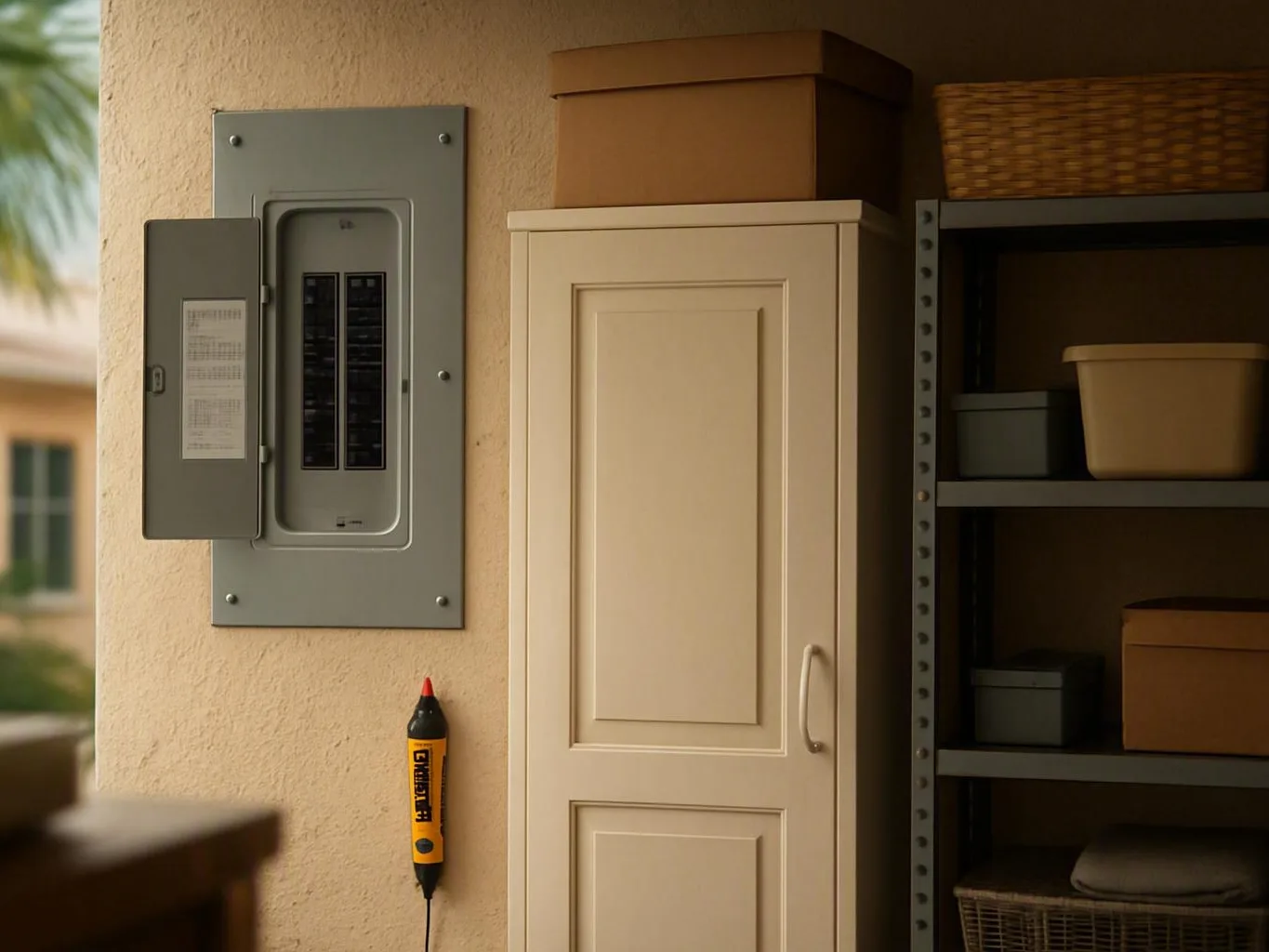
Ground-Fault Circuit Interrupter protection matters because ordinary circuit breakers may not trip during shock. A standard breaker mainly responds to excessive current. Overloads or short circuits can cause this current. A GFCI responds to a much smaller current imbalance. The two devices serve different safety functions.
Repeated trips shouldn't be treated as a simple inconvenience. Moisture, damaged insulation, or a failing appliance can create an imbalance. Loose connections, a shared neutral problem, or incorrect wiring can also cause one. Resetting the device without finding the cause can leave a serious fault in service.
When Ground-Fault Circuit Interrupter Matters Most?
Ground-Fault Circuit Interrupter protection matters where people may touch electrical equipment. This risk increases on damp flooring or near plumbing. Outdoor receptacles, pool equipment, bathroom outlets, kitchen counter receptacles, and garage circuits need close attention. Flooding, heavy rain, condensation, and corrosion can also affect GFCI operation.
During an electrical inspection or renovation, evaluate the device and its circuit. Confirm that the receptacle has correct line and load connections. Confirm that downstream outlets receive protection where required. Check that the enclosure suits its location. Replace a device that fails its test or won't reset. Also replace one that shows heat damage or trips without a safe cause.
How to Evaluate Ground-Fault Circuit Interrupter?
- Press the test button and verify that power turns off at the protected receptacle and any downstream outlets.
- Press reset and confirm that power returns without heat, buzzing, burning odor, or visible damage.
- Check whether the device is rated for the circuit voltage, amperage, weather exposure, and installation location.
- Ask whether a tripping device has been tested for moisture, appliance faults, wiring errors, and shared-neutral problems.
- Confirm that required protection matches the locally adopted National Electrical Code and applicable local amendments.
Related Concepts Compared
Ground-Fault Circuit Interrupter vs. Arc-Fault Circuit Interrupter
An arc-fault circuit interrupter detects dangerous electrical arcing that can start fires. A GFCI detects current leaving its intended path and focuses mainly on shock protection.
Ground-Fault Circuit Interrupter vs. Circuit Breaker
A standard circuit breaker protects wiring from overloads and short circuits by responding to excessive current. A GFCI responds to a current imbalance that may be far smaller than a normal breaker trip level.
Ground-Fault Circuit Interrupter vs. Equipment Grounding Conductor
An equipment grounding conductor provides a low-resistance path for fault current back to the source. A GFCI monitors current balance and can interrupt power even when a grounding path is not carrying the fault.
Ground-Fault Circuit Interrupter vs. Surge Protector
A surge protector limits brief voltage spikes that can damage electronics. A GFCI does not protect equipment from ordinary surges and is designed mainly to reduce electric shock risk.
Expert Note
A GFCI that trips once after rain may have detected temporary moisture, while repeated trips usually need diagnosis. Do not replace the device blindly. Testing the load, enclosure, connected appliances, neutral connections, and downstream receptacles often identifies the actual fault.
Common Mistakes or Myths About Ground-Fault Circuit Interrupter
- Assuming a GFCI protects against overloads, short circuits, or every type of electrical fire.
- Replacing a tripping GFCI without checking moisture, connected appliances, or downstream wiring.
- Installing a receptacle backward on the line and load terminals.
- Using a device that has failed its test button or shows cracks, heat marks, or corrosion.
- Treating a GFCI reset as proof that the circuit is safe.
Ground-Fault Circuit Interrupter in Practice: A Real-World Example
A bathroom receptacle trips when a hair dryer is used near a damp sink. The GFCI cuts power before the current can continue through a unintended path. If the device trips again after reset, the hair dryer, moisture, receptacle, or wiring should be tested before use continues.
Sources & Further Reading on Ground-Fault Circuit Interrupter
Related Terms
Arc-Fault Circuit Interrupter
Arc-Fault Circuit Interrupter is a protective device that detects dangerous electrical arcing and disconnects power before…
Equipment Grounding Conductor
Equipment Grounding Conductor is a wire or conductive path that connects non-current-carrying metal parts of electrical…
National Electrical Code
National Electrical Code is a set of electrical safety rules published by the National Fire Protection…
Receptacle
Receptacle is a wiring device with contact openings that receives an electrical plug and supplies power…
Earth Electric
Have Questions About Ground-Fault Circuit Interrupter?
Contact Earth Electric for practical guidance on Ground-Fault Circuit Interrupter and related 24 hour electrician work in Miami.