
What is National Electrical Code?
National Electrical Code is a set of electrical safety rules published by the National Fire Protection Association as NFPA 70. The code covers wiring, equipment, grounding, overcurrent protection, installation methods, and electrical safety. Local governments adopt and enforce specific editions. Sometimes with amendments that change requirements for a jurisdiction.
Quick Facts About National Electrical Code
Category
Electrical safety standard
Used for
Electrical design, installation, and inspection
Relevant standard
NFPA 70
Common confusion
The NEC is not automatically law everywhere
Also called
NEC, NFPA 70
Often discussed with
Electrical Code Compliance Correction, Electrical Inspection
Key Takeaways About National Electrical Code
- NFPA 70 sets minimum safety rules for wiring, equipment, grounding, and overcurrent protection.
- Local authorities choose the code edition and may add stricter local amendments.
- The code covers installation methods. It does not replace permits, inspections, or maker instructions.
- Electrical plans must account for circuit load, conductor size, protection devices, and equipment ratings.
- Following the code helps lower risks from shock, fire, heat, and equipment damage.
Understanding National Electrical Code
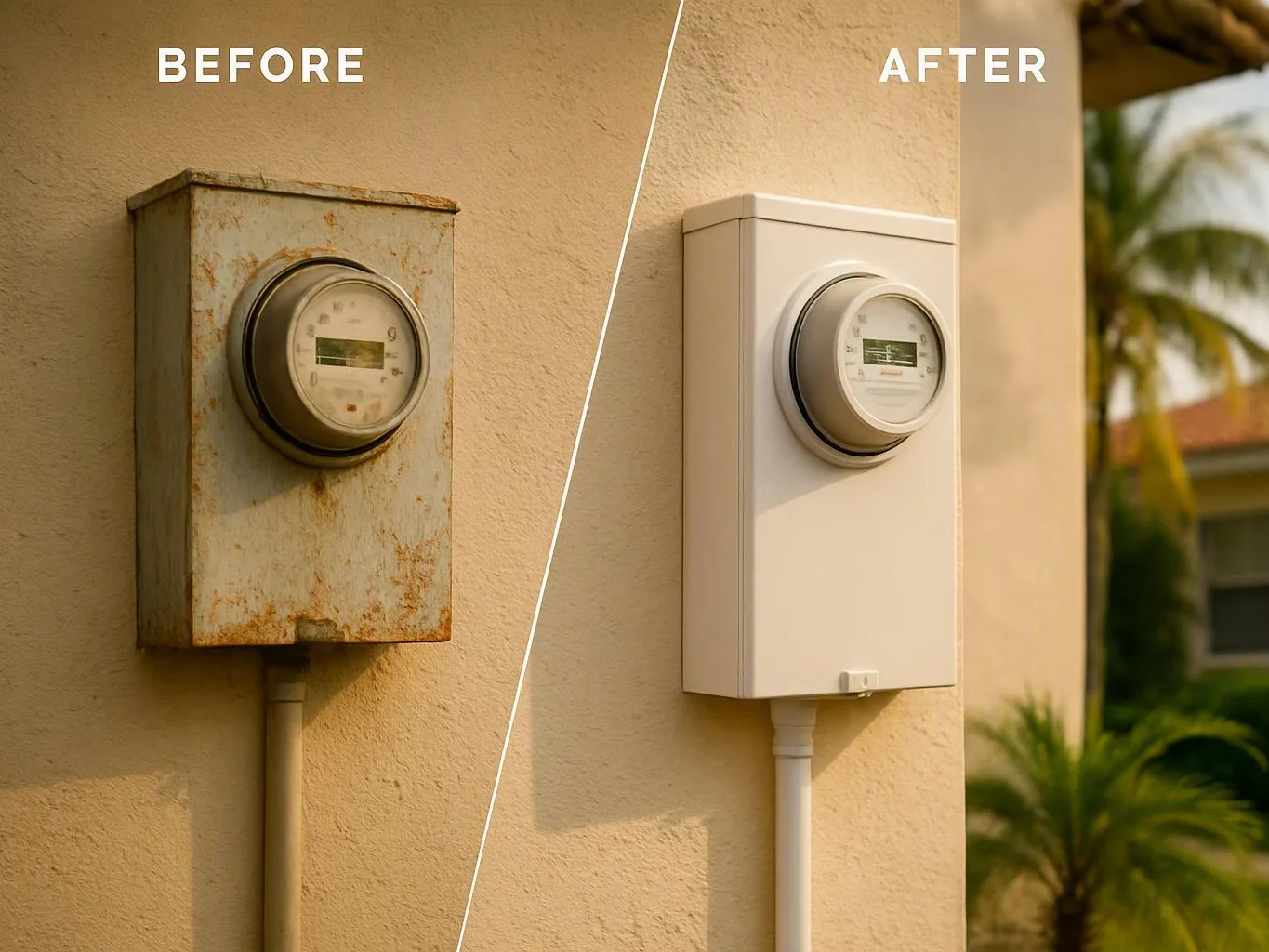
National Electrical Code, commonly called the NEC or NFPA 70, provides minimum rules. These rules support safe electrical work in buildings and other locations. The National Fire Protection Association publishes a new edition on a regular cycle. The code addresses conductors, raceways, panels, receptacles, lighting, grounding, bonding, motors, generators, and many specialized systems.
Related glossary terms: Electrical Code, Electrical Permit, Electrical Load Calculation.
The NEC is a model code rather than a federal law. A state, county, city, or other authority must adopt an edition. The rules become enforceable after adoption in that area. Local amendments may change a requirement.AHJ, interprets and enforces the adopted rules. The code also works alongside building codes, permits, inspection procedures, and equipment manufacturer instructions.
How National Electrical Code Works, Is Measured, or Is Used?
Electrical professionals apply the NEC during design, installation, alteration, and inspection. They identify the system voltage and calculate expected loads. They select conductor sizes and choose matching overcurrent protection. They then verify grounding, bonding, enclosure ratings, and conductor support. They also check working space and required protection for the location.
The NEC is organized by articles and sections that address specific conditions. Rules for a dwelling branch circuit differ from rules for other systems. These include commercial kitchens, wet locations, and photovoltaic systems. A code review may include these checks,
- Confirm the adopted code edition and local amendments.
- Match circuit ampacity with conductor size and termination ratings.
- Check breaker, fuse, and equipment ratings against the calculated load.
- Verify grounding electrodes, equipment grounding conductors, and bonding paths.
- Confirm required GFCI or AFCI protection for the installation.
Compliance isn't measured by one score or a single device. An installation either meets the applicable provisions or requires correction. Inspectors compare the work with approved plans and adopted code language. They also check permit records, product listings, and manufacturer instructions. A listed product must also be installed within its stated conditions. Code approval doesn't permit use outside the product rating.
Why National Electrical Code Matters?
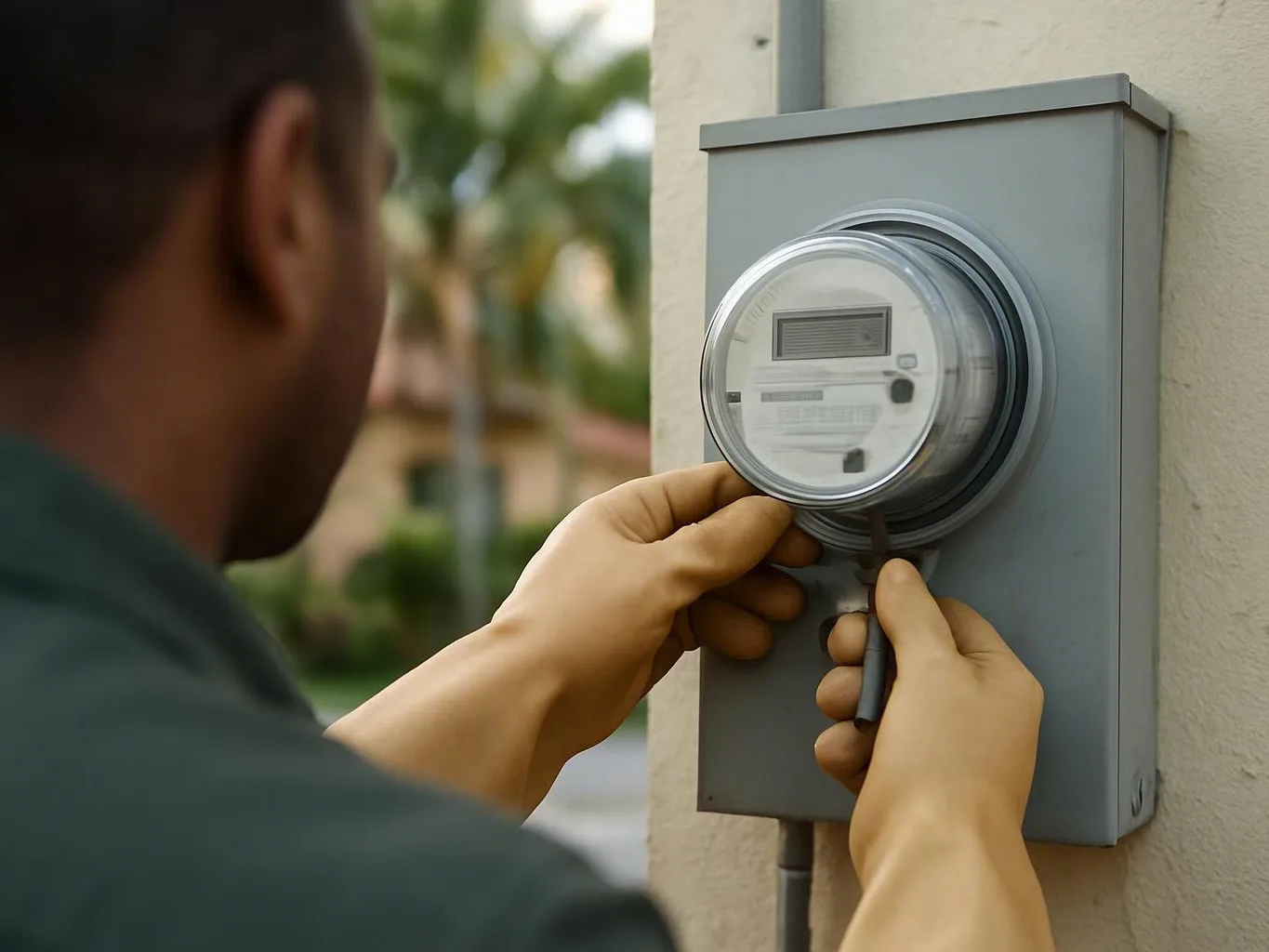
The NEC reduces predictable electrical hazards by setting safety limits. These limits cover heat, fault current, shock exposure, and equipment placement. Correct conductor sizing helps prevent overheating. Proper overcurrent protection limits damage during an overload or short circuit. Grounding and bonding give fault current a low-impedance path. This path can help protective devices operate quickly.
Code compliance also supports reliable project decisions. A correct load calculation can reveal an existing panel lacks capacity. The panel may need to power an air conditioner, electric vehicle charger, generator, or other large load. Identifying that issue before installation can prevent failed inspections and repeated work. It can also prevent equipment damage and unsafe temporary connections. Code rules don't guarantee perfect workmanship. They provide a clear minimum benchmark.
When National Electrical Code Matters Most?
The NEC becomes especially relevant during new construction, remodeling, and panel replacement. It also applies to service upgrades, rewiring, and dedicated circuits. It matters after flooding, fire, storm damage, or an electrical fault. Damaged components may no longer meet their listed conditions. Older work isn't always required to meet the newest edition. Altered portions commonly must follow local authority rules.
Location changes the analysis. Garages, bathrooms, kitchens, outdoor areas, pools, crawl spaces, and flood-prone areas may need special rules. They may need special equipment, protection, wiring methods, or placement. In Miami, Florida, the applicable requirements include the adopted Florida Building Code. They also include local permitting rules and electrical provisions based on the NEC. A permit and inspection can identify visible code issues. They don't replace a careful evaluation of concealed wiring, load capacity, or damaged equipment.
How to Evaluate National Electrical Code?
- Which NEC edition and local amendments does the authority having jurisdiction enforce?
- Does the calculated circuit load match the conductor ampacity, breaker rating, and equipment termination limits?
- Are grounding, bonding, GFCI protection, and AFCI protection provided where the adopted code requires them?
- Do panels, breakers, receptacles, and other products carry suitable listings and ratings for their installation locations?
- Are permits, approved plans, inspection results, and correction records complete and consistent?
Related Concepts Compared
National Electrical Code vs. Electrical Code
Electrical code is a broad term for enforceable electrical rules. The National Electrical Code is the specific NFPA 70 model code that many jurisdictions adopt as part of their legal requirements.
National Electrical Code vs. Florida Building Code
The Florida Building Code is the state building code framework used in Florida. Its electrical provisions rely on an adopted NEC edition and state or local requirements.
National Electrical Code vs. Electrical Permit
An electrical permit is official authorization to perform defined electrical work. The NEC supplies technical requirements, while the permit process documents approval and inspection.
National Electrical Code vs. Electrical Inspection
An electrical inspection checks installed work against applicable code, plans, and product requirements. An inspection is a review process, not the code itself.
Expert Note
A code-compliant design still needs correct installation and maintenance. Pay close attention to local amendments, equipment listing conditions, and concealed damage. Flood exposure can affect wiring methods and equipment even when a circuit worked normally before the event.
Common Mistakes or Myths About National Electrical Code
- Treating the newest NEC edition as automatically enforceable in every location.
- Sizing a breaker without completing the required load and conductor calculations.
- Assuming a permit replaces the need to follow manufacturer installation instructions.
- Ignoring local amendments, flood conditions, or special rules for wet and outdoor locations.
- Replacing a damaged panel or receptacle without checking connected wiring and protective devices.
National Electrical Code in Practice: A Real-World Example
A homeowner adds a 50-ampere circuit for an electric range during a kitchen remodel. Plans must cover load, ampacity, breaker, ground, outlet, cable or conduit, and permit. The inspector compares finished work with the adopted NEC edition and approved plans.
Sources & Further Reading on National Electrical Code
- Florida Building Code, Florida Department of Business and Professional Regulation
Related Terms
Electrical Code
Electrical Code is a set of safety rules for designing, installing, inspecting, and maintaining electrical systems…
Electrical Permit
Electrical Permit is an approval issued by a local building department before certain electrical work begins…
Electrical Load Calculation
Electrical Load Calculation is a simple estimate of the electrical demand a building or circuit may…
Overcurrent Protection
Overcurrent Protection is a safety method that limits electrical current when a circuit carries more electricity…
Earth Electric
Have Questions About National Electrical Code?
Contact Earth Electric for practical guidance on National Electrical Code and related 24 hour electrician work in Miami.