Electrical System Inspection Checklist After Repair, Storm, or Renovation
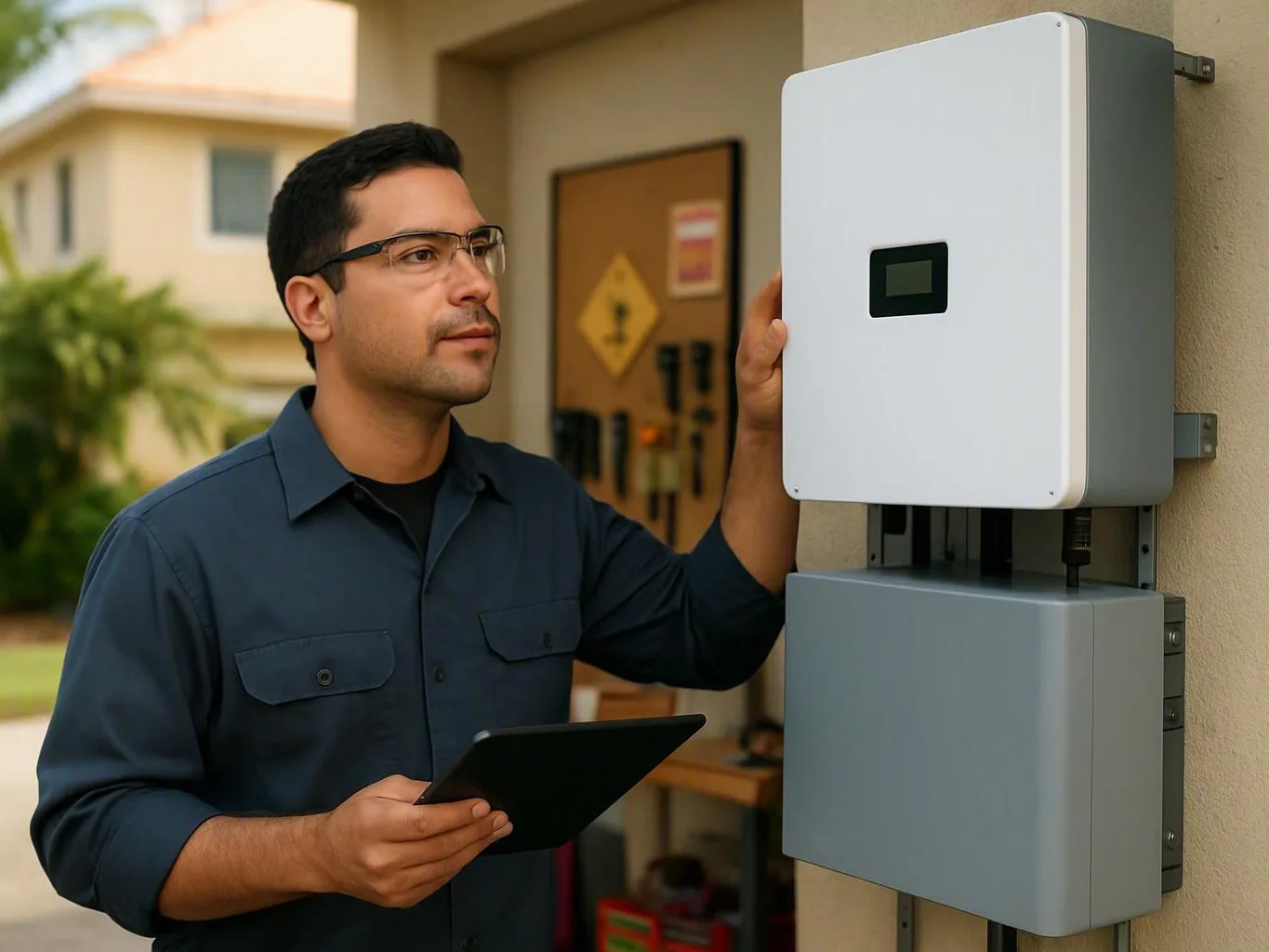
An electrical inspection checks your wiring, panel, outlets, grounding, and safety devices. It helps confirm that your system remains safe after a storm, repair, or renovation. An electrician looks for water damage, loose wires, overloaded circuits, exposed conductors, and damaged parts. Shut off power when you see a hazard. Don’t open panels or test wet equipment yourself. Take photos of visible damage and arrange electrical troubleshooting when problems continue. A qualified electrician can find hidden faults and confirm safe use.
Get a Free EstimateWhen Should You Schedule an Electrical Inspection?
An electrical inspection should follow a storm, major repair, or renovation. Schedule one when wires, circuits, panels, outlets, or fixtures may have damage.
Inspection matters after outages, burning smells, tripped breakers, or flickering lights. It also helps after work changed your electrical layout.
A storm-damaged electrical system may look normal at first. Moisture can remain inside walls, panels, boxes, or light fixtures. Water can rust metal parts and weaken wire covers. It can also send current along an unsafe path. Don’t turn on wet equipment after the storm passes.
Arrange a post-renovation wiring inspection when walls were opened or rooms changed. You should also schedule one after adding new appliances or extending circuits.
Call for help if the same breaker trips again. Flickering lights, dead outlets, or warm plastic smells also need attention.
Stay away from fallen wires, standing water, damaged service equipment, and sparks. Don’t keep resetting breakers or opening the panel. We provide Electrical Inspection in Miami for storm and renovation concerns.
Most simple inspections take about one to three hours. Homes with water damage or many changed circuits may take longer. Time depends on the building’s size and condition.
What Does an Electrical Safety Inspection Check?
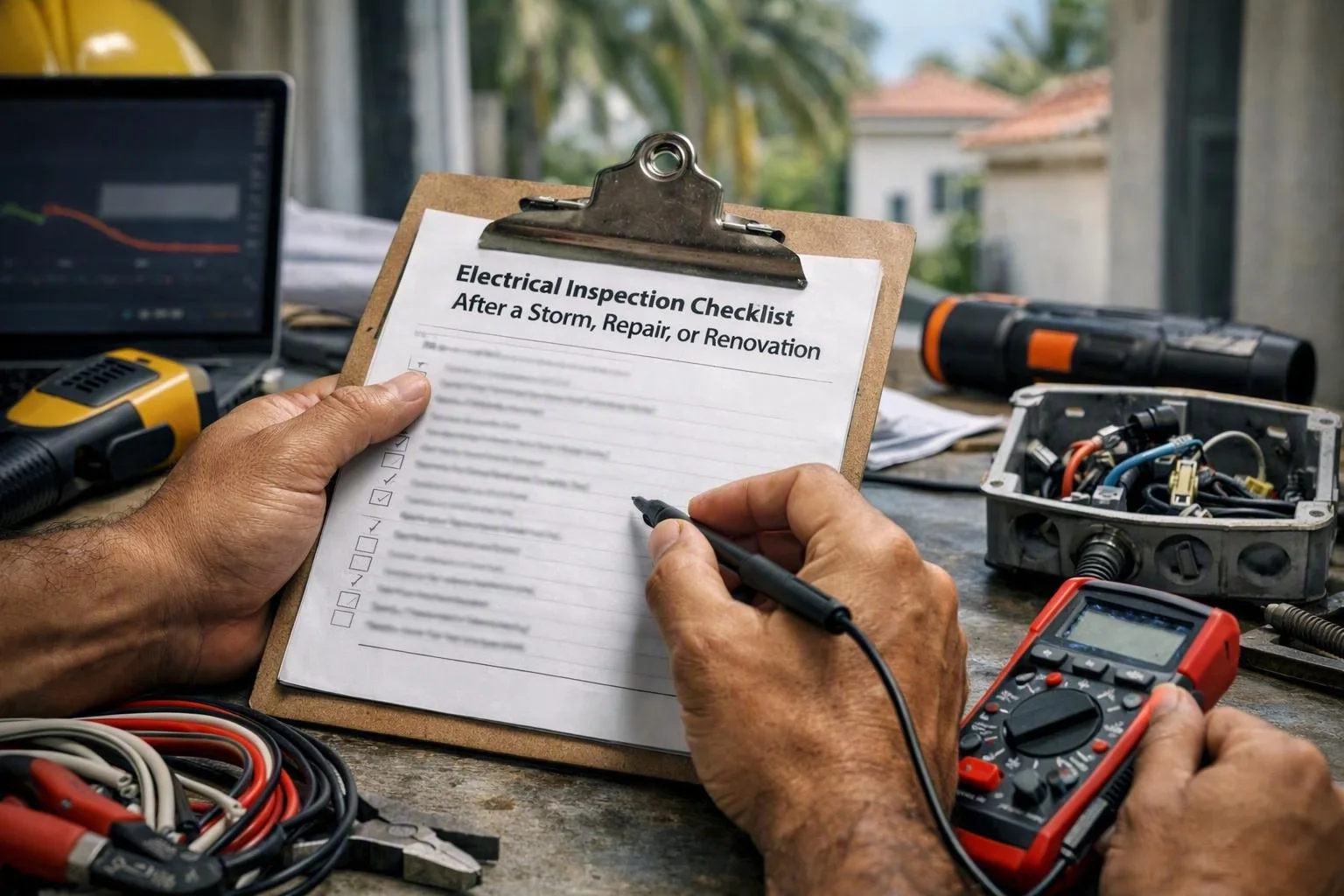
An electrical safety inspection checks the panel, breakers, wiring, outlets, switches, fixtures, grounding, bonding, and safety devices.
It also looks for water, heat, loose wires, exposed wires, overloaded circuits, and unsafe changes. These issues may need electrical code compliance correction.
The electrician follows power from the service equipment to each circuit. A visual check helps, but testing can find hidden faults.
| Area checked | What the electrician looks for | Why it matters |
|---|---|---|
| Electrical panel | Heat marks, rust, loose terminals, wrong breakers, and damaged covers | The panel sends power through the home and helps prevent excess current. |
| Branch circuits | Circuit paths, load levels, wire size, and changed connections | Each circuit must safely serve its devices. |
| Wiring | Damaged covers, exposed wires, loose connections, and poor splices | Bad wires can cause shocks, sparks, or fires. |
| Grounding and bonding | Ground paths, bonding wires, and service connections | A good fault path helps safety devices work fast. |
| GFCI protection | Test and reset action in wet or outdoor areas | GFCI devices help lower shock risk from leaking current. |
| AFCI protection | Device action and coverage in living areas | AFCI protection helps find dangerous sparks in wires. |
Testing may include voltage, continuity, outlet polarity, and breaker checks. The electrician compares the work with current rules that apply.
An older home may not need every old feature replaced. New work and unsafe conditions may still need correction.
Before the Electrician Arrives: Prepare the Home
Make the area safe before the electrician arrives. Write down what happened and list the signs you noticed.
This helps the inspection focus on damaged circuits, recent repairs, moisture, and code changes. It also lowers the risk of shock, fire, or more damage.
Don’t remove panel covers or pull outlets from boxes. Don’t test wet equipment. If water reached electrical parts, keep everyone away. Ask if the main disconnect can be used safely.
Leave the area if you see smoke, sparks, or active arcing. Contact emergency services when needed.
What Should Be Checked After Electrical Repairs?
After repairs, the electrician should check the work, wire connections, breaker size, polarity, grounding, voltage, continuity, and safety devices.
Testing should show that the repaired equipment works under normal use. It should also show that the original fault is gone.
Good repair checks follow the full circuit. They don’t stop at the part that failed.
The electrician checks that wires are tight, covered, and matched to the device. The breaker must also protect the correct wire size.
Testing can find reversed wires, an open ground, weak continuity, voltage drops, or neutral problems. A repaired outlet may work while its protection remains wrong.
A new light may work while a damaged box stays hidden nearby. Electrical troubleshooting helps find the real cause.
We trace the fault and test related devices. We also look for heat, moisture, poor splices, and remodeling changes.
A 24 Hour Electrician may help when damage creates an urgent risk after hours.
During the Inspection: Verify Each Affected Circuit
Each affected circuit should be traced, checked, tested, and compared with its intended use.
The electrician checks breakers, wires, outlet polarity, grounding, load behavior, and safety devices. This helps find hidden storm, repair, or renovation damage.
A circuit-by-circuit check helps when only part of the home has damage. It can separate a service problem from one circuit problem.
It also shows whether a new appliance changed the expected load.
Why Do Electrical Problems Recur After a Repair?
Electrical problems return when the main fault remains. Other causes include loose connections, overloaded circuits, small wires, or hidden water damage.
Repeated trips, flickering, dead outlets, and burning smells need full troubleshooting. Don’t keep resetting the breaker.
A fault may start at one device but appear somewhere else. A loose connection can heat nearby wire covers.
Storm water can stay inside a wall or panel. Rust may then grow worse over time.
Replacing one outlet won’t fix a problem farther along the circuit.
Renovation work can cause trouble when new appliances share old circuits. Small wires or wrong neutral connections can also create risks.
Breaker size must match the wires and the load. Repeated resets can make damage worse.
Our team uses an electrical system assessment to test the circuit and related equipment. We explain the risk and suggest a lasting electrical repair.
Red Flags That Need Prompt Electrical Attention
These signs may point to shock or fire hazards. Stop using the equipment and get professional help.
- Burning smell from an outlet, panel, switch, appliance, or wall
- Scorch marks, melted plastic, smoke, sparks, or visible arcing
- An electric shock, tingling, or unexplained shock from a device
- A warm outlet, buzzing fixture, or repeated breaker trips
After the Inspection: Complete Corrections and Document the Result
After the inspection, fix urgent hazards first. Complete needed electrical repairs and correct code issues.
Retest affected circuits and keep the inspection notes. Records should list repaired parts, limits, changes, and future needs.
Ask for notes that separate urgent safety issues from planned work. Electrical code compliance correction may include new equipment, secure wires, or proper breaker sizes.
It may also include better grounding and bonding. New or changed work may need GFCI or AFCI protection.
These records help with insurance, remodeling, future inspections, and electrical troubleshooting.
They also help another electrician understand past changes. Contact our electrical team to discuss an inspection or correction plan.
Questions About 24 Hour Electrician
Do I Need an Electrical Inspection After a Storm?
Yes, especially after water, outages, trips, lightning, burning smells, flickering, shocks, or damaged wiring. Don’t turn on wet equipment or open the panel. A qualified electrician can check moisture, rust, grounding, and safety devices.
What Should Be Checked After Electrical Repairs?
Check the repair work, wire connections, wire condition, breaker size, polarity, grounding, voltage, continuity, and GFCI or AFCI action. The equipment should work under normal use. Testing should confirm that the first fault was fixed.
Should Wiring Be Inspected After a Renovation?
Yes. Inspect wiring after opening walls, extending circuits, changing rooms, or adding appliances and lights. An inspection can find loose connections, overloads, exposed wires, poor grounding, bad splices, and code issues.
Why Are Electrical Problems Recurring After a Repair?
Recurring problems often mean the main fault remains. Causes include loose connections, overloaded circuits, small wires, hidden water damage, heat damage, or a bad device. Repeated trips and flickering need full electrical troubleshooting.
What Does an Electrical Safety Inspection Check?
It checks the panel, breakers, circuits, wiring, outlets, switches, fixtures, grounding, bonding, GFCI protection, and AFCI protection. Testing may check voltage, continuity, polarity, load behavior, and safety devices.
Related Resources
How Much Does a 24-Hour Emergency Electrician Cost in Miami?
24 hour emergency electrician cost Miami
What It CostsHow Much Does It Cost to Rewire a House in Miami?
house rewiring cost and timeline Miami
How It WorksElectrical Troubleshooting: What the Diagnosis Involves and What It Costs
electrical troubleshooting cost and process
How It WorksElectrical Inspection and Code-Compliance Corrections: Process and Cost Factors
electrical inspection and code compliance correction cost