Electrical Safety Inspections and Code Correction: What Homeowners Should Expect
An electrical safety inspection checklist covers visible wiring, panels, grounding, outlets, protective devices, and safety hazards; Earth Electric uses the findings to explain needed electrical code correction, troubleshooting, or wiring repair.
Get a Free Estimate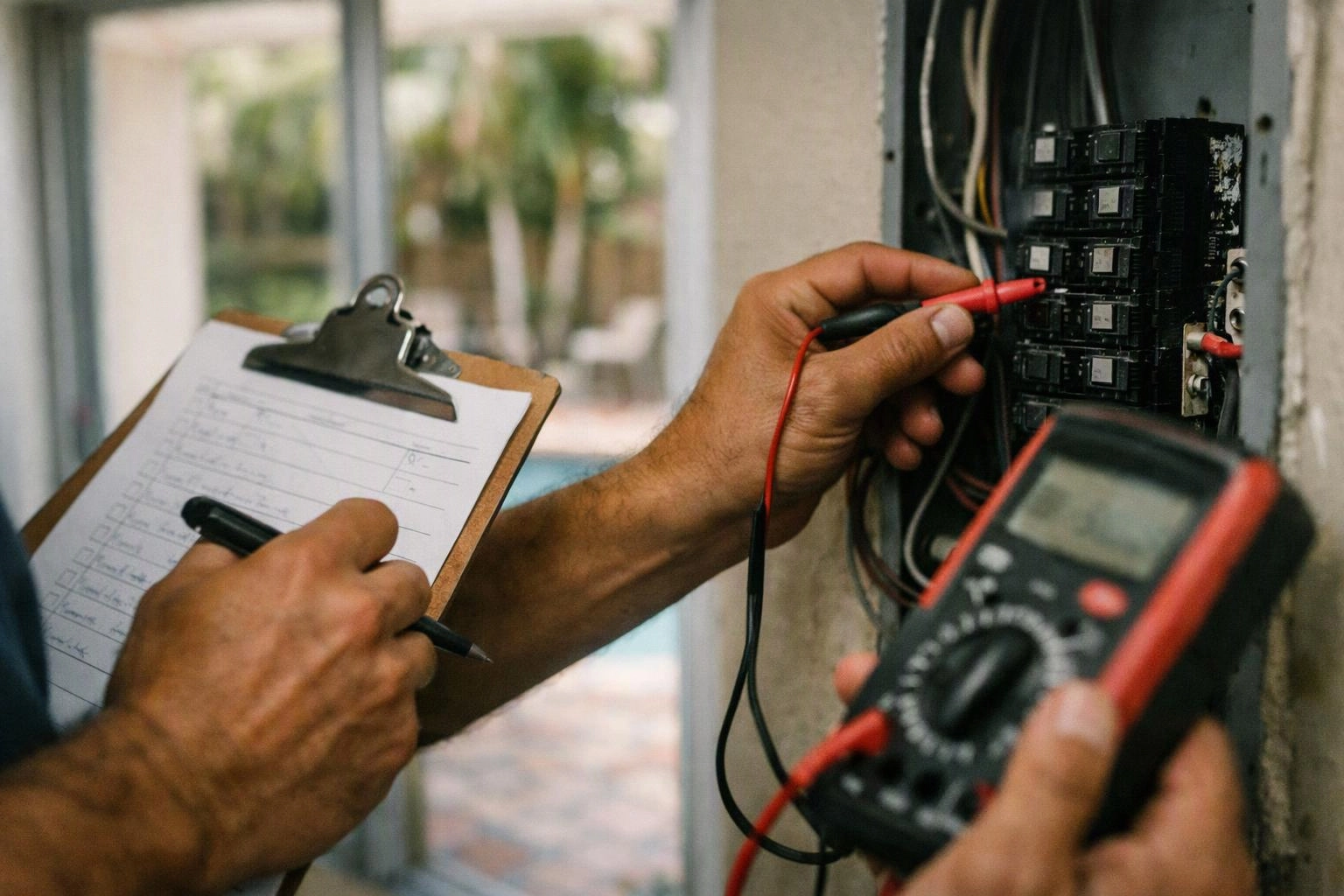
What Does an Electrical Safety Inspection Check?
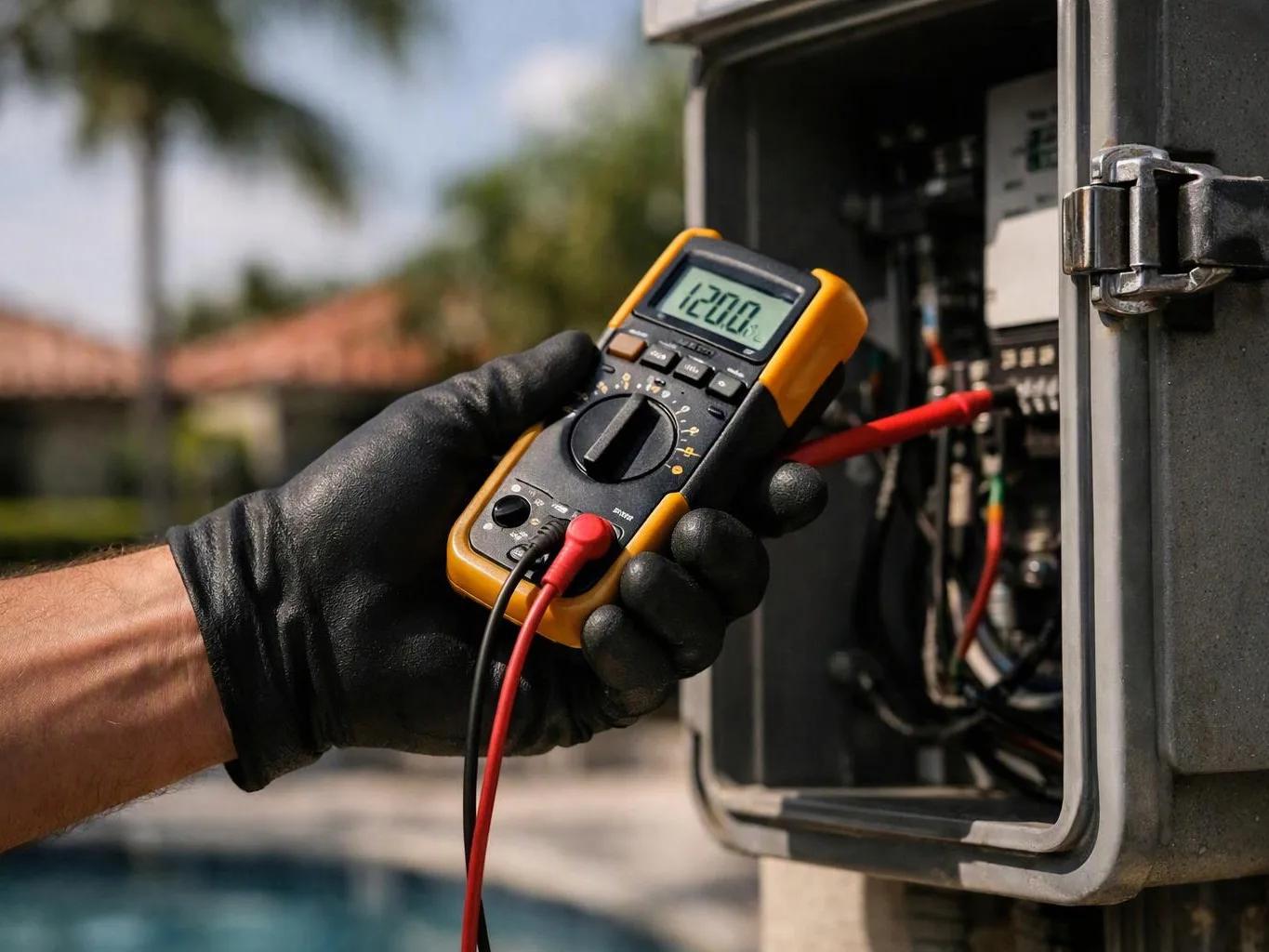
Electrical safety inspection checks accessible electrical components for hazards, damage, unsafe installation conditions, and code-related correction needs. Earth Electric reviews the residential electrical system and explains what each finding means.
We look at visible wiring, the electrical panel, branch circuits, outlets, switches, grounding, and protective devices. An inspection can identify an electrical hazard before it becomes a fire, shock, or equipment problem.
Electrical code provides installation and safety requirements for electrical systems. Our team uses the inspection findings to explain whether a condition calls for electrical code correction, troubleshooting, or wiring repair.
Electrical Safety Inspection Checklist for Homeowners
This electrical safety inspection checklist helps homeowners understand the areas we review. You can use it to note visible concerns, but do not remove covers or handle exposed wiring.
Our crew checks accessible equipment and connects each condition to a practical safety recommendation.
Signs Your Home May Need an Electrical Inspection
Visible symptoms can show that a residential electrical system needs closer attention. Write down when each symptom occurs and tell us what you observed.
We use those details to guide testing and identify whether the issue involves a circuit, connection, device, or damaged conductor.
Common Causes of Electrical Safety Problems
Electrical safety problems often develop through wear, changes to the home, or exposure to damaging conditions. We identify the cause so the repair addresses the underlying fault.
Some conditions are visible, while others require electrical troubleshooting before we can define the repair scope.
What Happens During Electrical Code Correction?
Electrical code correction addresses identified safety or installation deficiencies by documenting the condition, explaining the repair path, completing authorized electrical work, and checking the corrected system. Earth Electric connects each code deficiency to a clear repair plan.
We may inspect the electrical panel, circuit protection, grounding system, and affected electrical wiring. Permit requirements depend on the work and the applicable authority, so we explain that part of the scope before work begins.
Electrical wiring repair can include correcting a connection, replacing damaged conductors, improving circuit protection, or repairing an unsafe installation. We complete the work within the approved scope and perform final verification.
How We Organize the Correction Process
What Changes the Cost of an Electrical Correction Project?
The cost of an electrical correction project depends on the number and severity of deficiencies, access to affected components, required materials, panel or wiring changes, and applicable approval requirements; Earth Electric provides Free Estimates Available after reviewing the work.
Electrical repair scope is shaped by the condition we find and the correction needed. Accessibility can affect the work when wiring is behind finished surfaces or equipment must be safely reached.
Panel capacity, circuit protection, wiring condition, material selection, and permit requirements can also change the project scope. We explain what the estimate includes so you can make an informed decision.
For a service request, contact us about an Electrical Safety Inspection and share the symptoms or inspection concern.
How to Prevent Electrical Problems Through the Seasons
Seasonal electrical maintenance helps homeowners notice changes before they become larger safety problems. We can use your observations to focus a seasonal inspection on exposed or frequently used equipment.
Keep outdoor equipment dry, avoid damaged cords, and prepare before severe weather reaches the property.
What Should Homeowners Do After a Storm or Power Surge?
Post-storm electrical inspection helps identify hazards after a power surge, lightning damage, water intrusion, or other storm impact. Avoid damaged electrical equipment and contact Earth Electric when the system may be unsafe.
Keep water-exposed components de-energized and do not touch service equipment that is wet, damaged, hot, or making unusual sounds. Watch for heat, smoke, or a burning odor, and leave the area if you suspect electrical fire risk.
Do not connect a generator to the home through an improvised connection. We inspect the generator connection, service equipment, and affected circuits before recommending safe next steps.
For questions after an event, ask what equipment was inspected, whether water intrusion was found, what repairs are urgent, and whether final verification is needed after corrective work.
When Is Electrical Troubleshooting or Wiring Repair Needed?
Electrical troubleshooting or wiring repair is needed when inspection findings, recurring electrical symptoms, damaged conductors, or unreliable circuits point to a fault that requires diagnosis and correction. We test the affected circuit and identify the repair path.
Intermittent power can come from a loose connection, damaged conductor, failing device, or circuit overload. Our team traces the symptom instead of treating only the visible device.
Wiring repair may be needed when insulation is damaged, connections are loose, or circuit changes have left the system unsafe. We explain the repair scope before completing authorized work.
If an outlet smells hot or starts sparking, stop using it and keep clear of the area. A dead outlet can also have causes that are not obvious from the breaker position, as explained in “Why an Outlet Is Dead Even When the Breaker Isn’t Tripped.”
How to Prepare for an Electrical Safety Inspection
Homeowner preparation gives us safer access and better information about the residential electrical system. Do not move heavy equipment, remove covers, or handle exposed wiring to prepare.
Gather the details below so our team can connect your observations to the inspection findings.
What Homeowners Receive After the Inspection
Inspection findings give homeowners a clear record of observed conditions, safety priorities, recommended corrections, and the next steps for electrical repair or maintenance. We explain which items need prompt attention and which items can be planned.
A safety recommendation may address an electrical hazard, protective device, connection, grounding concern, or damaged wiring. Our team turns those observations into a code correction plan with a defined repair priority.
The resulting electrical maintenance record can help you track completed work, future symptoms, and changes to the system. We answer questions about the repair scope and perform final verification when correction work is completed.
Questions About Electrical Safety Inspections
Can homeowners perform an electrical safety inspection themselves?
Yes, homeowners can perform a visual safety review, but Earth Electric should handle testing, panel work, exposed wiring, and code-related correction. You can note damaged cords, warm outlets, unusual sounds, odors, and repeated breaker trips without opening electrical equipment.
What should homeowners document before scheduling an electrical inspection?
Homeowners should document the affected room or circuit, visible damage, recurring symptoms, appliance involvement, previous electrical work, and any storm or water exposure. Photos can help when taken from a safe position without touching the equipment.
What questions should homeowners ask after a post-storm electrical inspection?
Ask which components show storm damage, whether water intrusion affected the system, which safety risks need prompt correction, whether the generator connection is safe, and what final verification the repair requires.
Can a power surge damage wiring that still appears to work?
Yes, a power surge can damage wiring connections, protective devices, or connected equipment even when a circuit still appears to work. We inspect suspected surge damage and explain whether testing, replacement, or further electrical troubleshooting is needed.
Contact Earth Electric to discuss your electrical safety inspection, code correction, troubleshooting, or wiring repair needs. We will review the concern, explain the next step, and provide a clear path for safe electrical work.
Get a Free EstimateRelated Resources
How Much Does a 24-Hour Emergency Electrician Cost in Miami?
What It CostsElectrical Panel Upgrade Cost in Miami: Options, Price Factors, and Timeline
How to HireHow to Choose a 24-Hour Electrician in Miami
How It WorksElectrical Troubleshooting: What the Diagnosis Involves and What It Costs