Planning EV Charger Installation and Bidirectional Home Backup
Planning EV charger installation and bidirectional home backup requires matching vehicle capability, charging load, backup equipment, circuits, and panel capacity; Earth Electric assesses the electrical system, coordinates the installation plan, and provides Free Estimates Available.
Get a Free EstimateWhat Should Your EV Charger Installation Plan Include?
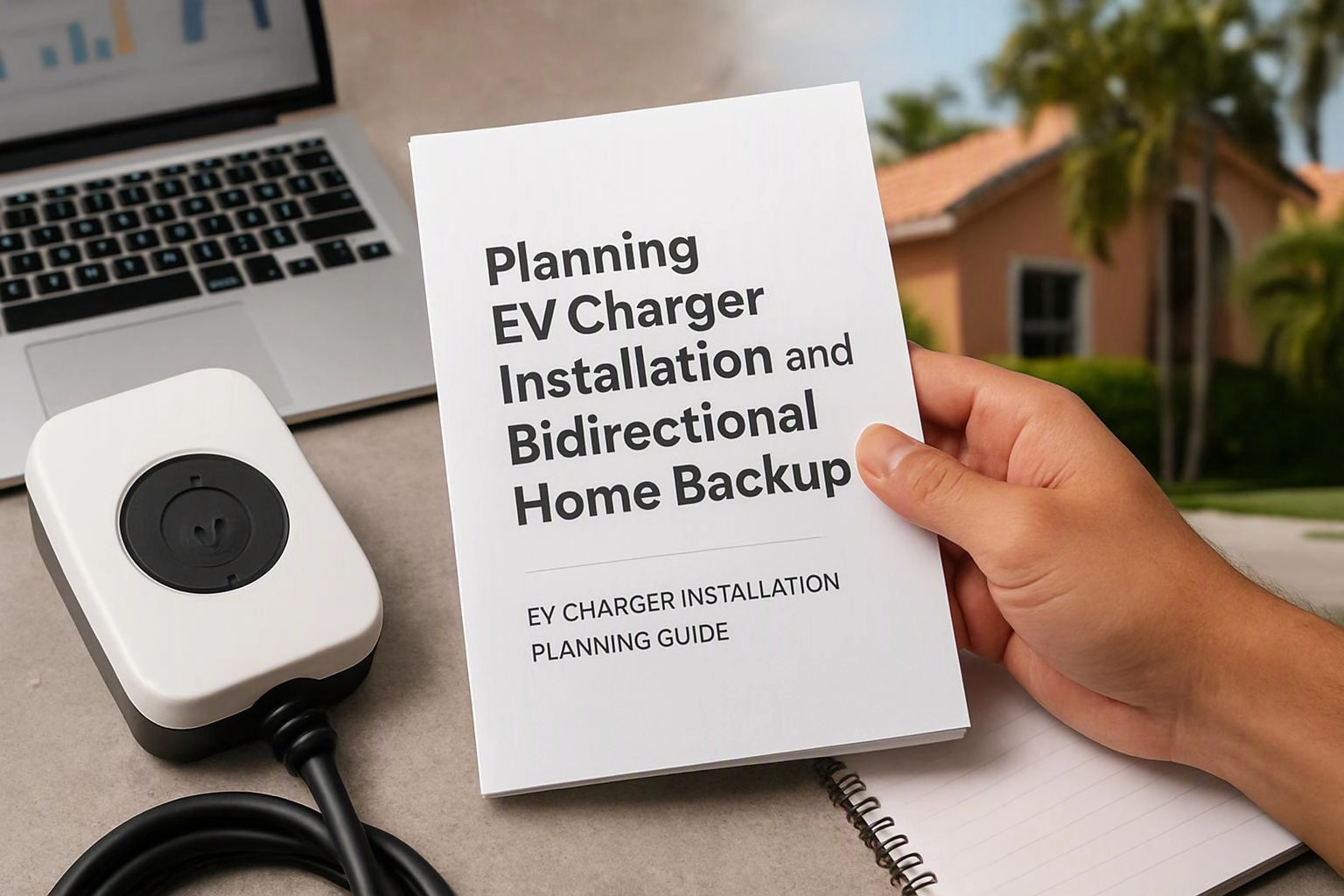
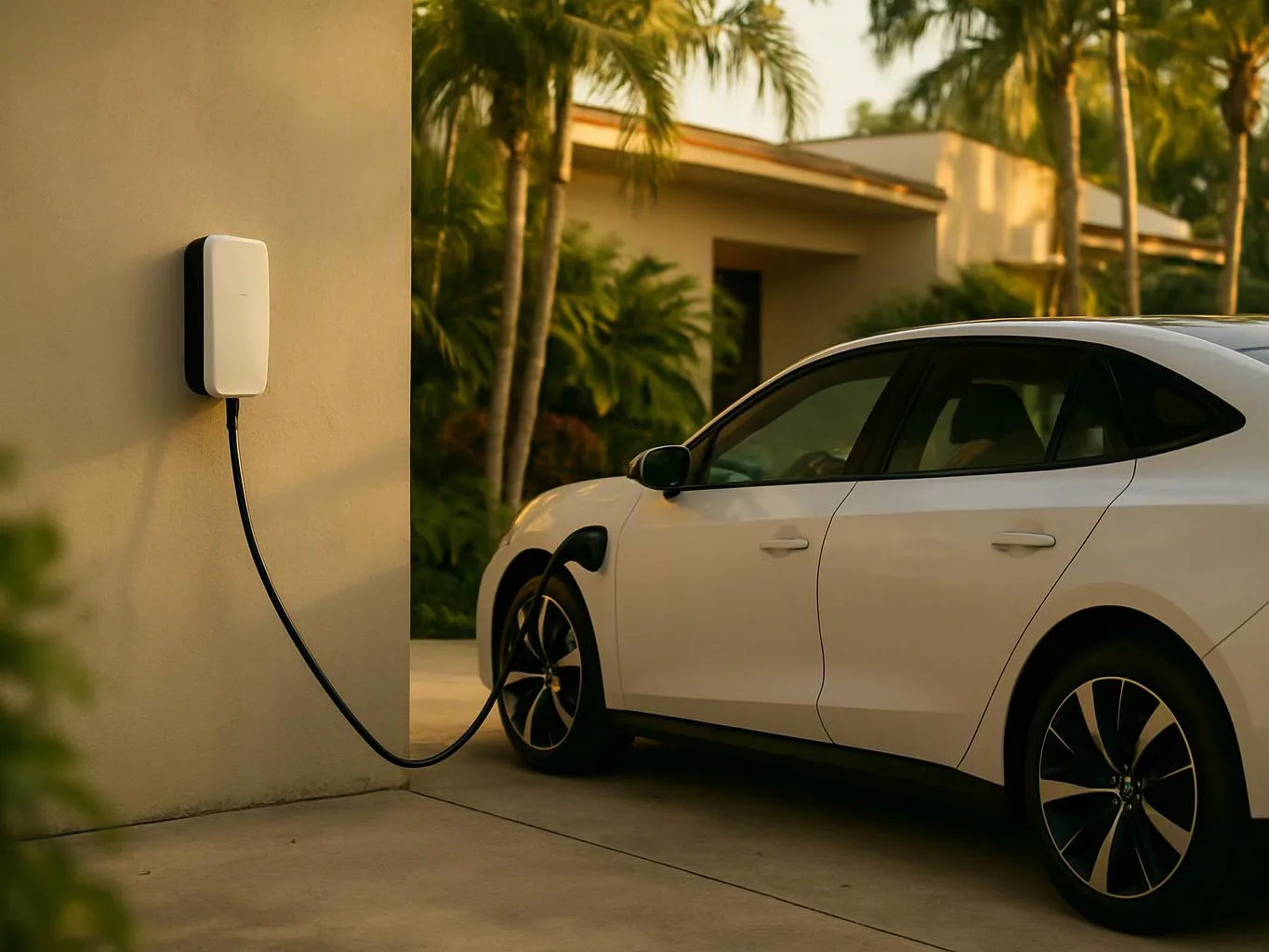
EV charger installation planning should connect the electric vehicle's charging needs with the home's available electrical capacity, equipment location, circuit design, and future backup goals.
We review the vehicle and charger requirements before choosing an installation location. We also consider the electrical service, panel capacity, charging load, wiring path, and access for maintenance.
Level 2 charging can place a significant continuous demand on a home's electrical system. Our team uses the planned equipment and household loads to shape a safe, practical installation plan.
When Do EV Charging and Bidirectional Home Backup Belong in the Same Plan?
Bidirectional charging and home backup belong in the same plan when the electric vehicle may supply selected household circuits during an outage.
Our team confirms whether the vehicle, charger, transfer equipment, and home electrical system can work together before installation decisions are made.
How Do We Evaluate the Existing Electrical System?
Electrical panel evaluation covers service capacity, grounding, circuit routes, and planned loads before we select an installation approach.
We complete a load calculation that considers the existing branch circuits and the proposed charging equipment. This helps us determine whether the electrical service can support the added demand.
Our crew checks grounding and bonding conditions, panel condition, breaker space, and the available route for conduit. We use these findings to define the work clearly and identify whether an electrical panel upgrade is part of the plan.
When Is a Dedicated Circuit Needed for an EV Charger?
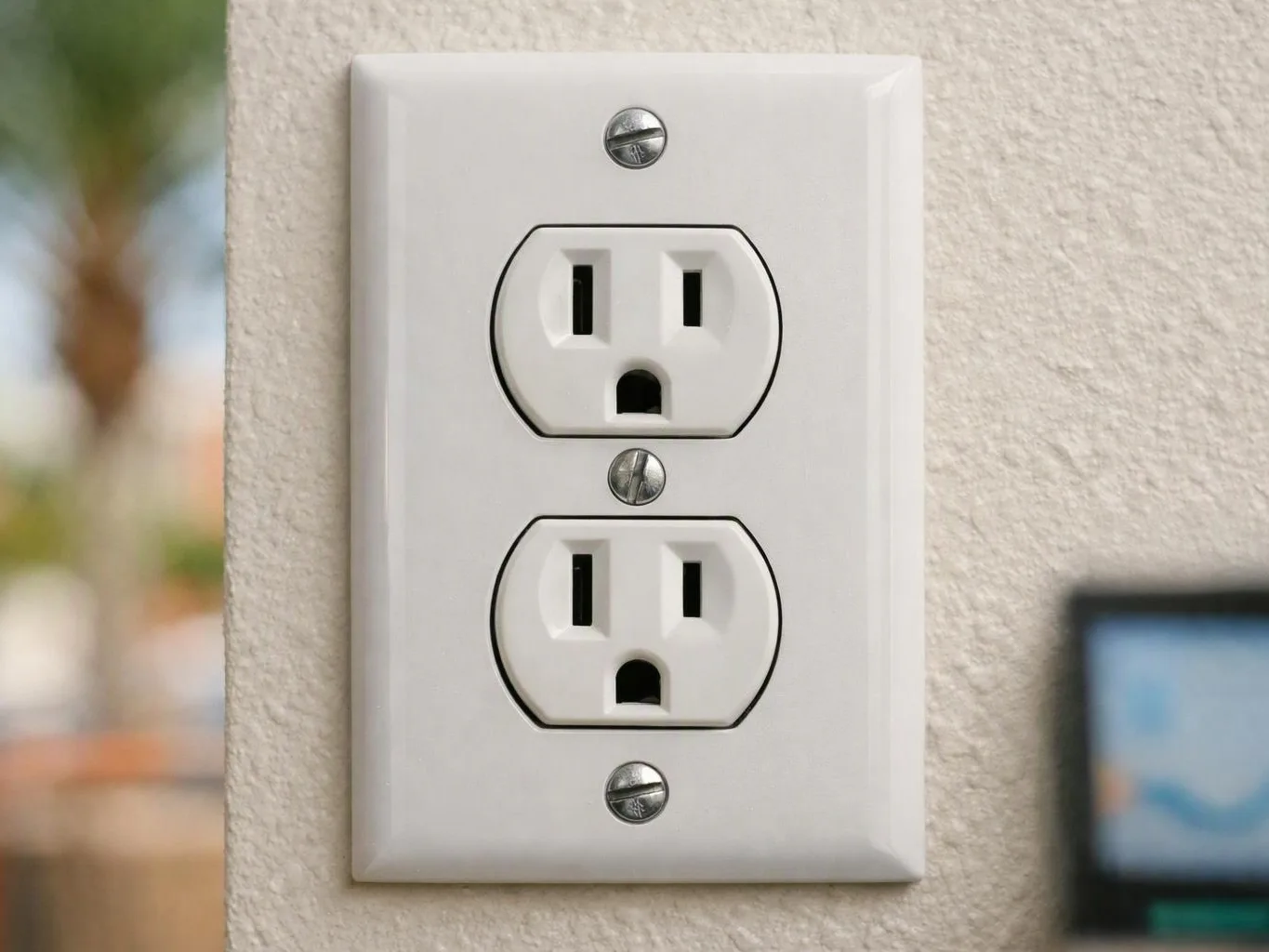
A dedicated circuit is needed when the EV charger requires a separately protected branch circuit matched to its electrical demand and installation instructions.
EVSE normally requires its own circuit so the charging load has suitable overcurrent protection and does not compete with unrelated household equipment. We match the breaker, wiring, conduit, and circuit rating to the equipment requirements.
Our team also accounts for the continuous-load nature of vehicle charging. We inspect the panel and circuit route before completing dedicated circuit installation.
How Do a Dedicated Circuit and Panel Upgrade Work Together?
Dedicated circuit installation and an electrical panel upgrade work together when the existing panel cannot safely support the new charging load or related backup equipment.
We first establish the required load capacity and available breaker space. The final design then accounts for conduit routing, equipment placement, and the separation of ordinary and backup circuits.
What Should You Confirm Before Adding Bidirectional Home Backup?
A bidirectional home backup plan must confirm vehicle compatibility, backup-load design, transfer controls, and utility requirements before equipment is selected.
We coordinate these details before installation so the charging equipment and backup power design support the same operating plan.
Which Scenarios May Require Both Services Together?
EV charger installation and bidirectional EV home-backup integration belong together when charging and backup power rely on the same electrical service and equipment path.
What Determines the Cost of This Electrical Installation Plan?
The cost of an EV charger and bidirectional backup plan depends on the equipment selected, circuit route, panel work, backup-load design, and required installation coordination; Earth Electric provides Free Estimates Available after reviewing the project.
Key cost drivers include installation scope, circuit length, conduit route, panel capacity, backup equipment, permitting, and inspection needs. Existing service conditions can also affect the work required to support the charging load.
We review these factors during the site assessment and describe the planned work in the estimate. The estimate should show the equipment scope, circuit work, panel work, backup integration, and coordination needed for the project.
How We Build the Installation Plan and Quote
Our installation plan and quote begin with a site assessment and end with a clear scope of work based on equipment compatibility and electrical capacity.
We use this process to connect the electrical design with the way you intend to charge and use home backup.
What Should the Final Installation Check Confirm?
The final installation check should confirm safe charging, correct circuit protection, accurate labeling, compatible backup operation, and proper separation of backup and non-backup loads.
Our crew completes EV charger commissioning by checking charging operation, breaker function, connections, and equipment communication. We verify grounding, bonding, panel labeling, and the condition of the installed conduit and wiring.
For bidirectional systems, we check backup transfer and islanding protection as part of the commissioning process. We also confirm that the selected backup loads operate as planned without energizing circuits that should remain outside the backup system.
Questions About EV Charging and Home Backup Planning
Can every electric vehicle provide backup power to a home?
No, every electric vehicle cannot provide backup power to a home. Earth Electric confirms vehicle-to-home capability, compatible charging equipment, transfer controls, and the required home electrical design before planning the integration.
What information should I have ready before planning bidirectional EV backup?
Have the vehicle details, charger information, electrical panel information, preferred installation location, and list of backup loads ready. These details help us assess equipment compatibility, service capacity, circuit routing, and transfer equipment needs.
Can an EV charger share an existing household circuit?
No, an EV charger generally needs a separately protected branch circuit matched to its electrical demand and installation instructions. We inspect the existing circuit and panel before deciding whether dedicated circuit installation is required.
What changes when the electrical panel has limited capacity?
Limited panel capacity may require load management, a revised circuit plan, or an electrical panel upgrade. We complete a load calculation and review service capacity before selecting the final installation approach.
Does bidirectional charging require separate backup-load planning?
Yes, bidirectional charging requires backup-load planning so the system can supply selected circuits safely. We coordinate load selection, transfer equipment, islanding protection, and panel labeling as part of the installation plan.
Earth Electric plans EV charging, dedicated circuits, panel capacity, and bidirectional home backup as one connected electrical project. Request an estimate through our contact page so we can review your vehicle, home system, and installation goals.
Related Resources
Electrical Panel Upgrade Cost in Miami: Options, Price Factors, and Timeline
What It CostsEV-Ready Electrical Installation: Costs, Capacity, and Project Steps
What It CostsEV Charger Installation Cost Factors: Wiring, Dedicated Circuits, and Installation Scope
Compared ToPanel Upgrade vs. Electrical Service Upgrade: Which Does Your Miami Home Need?