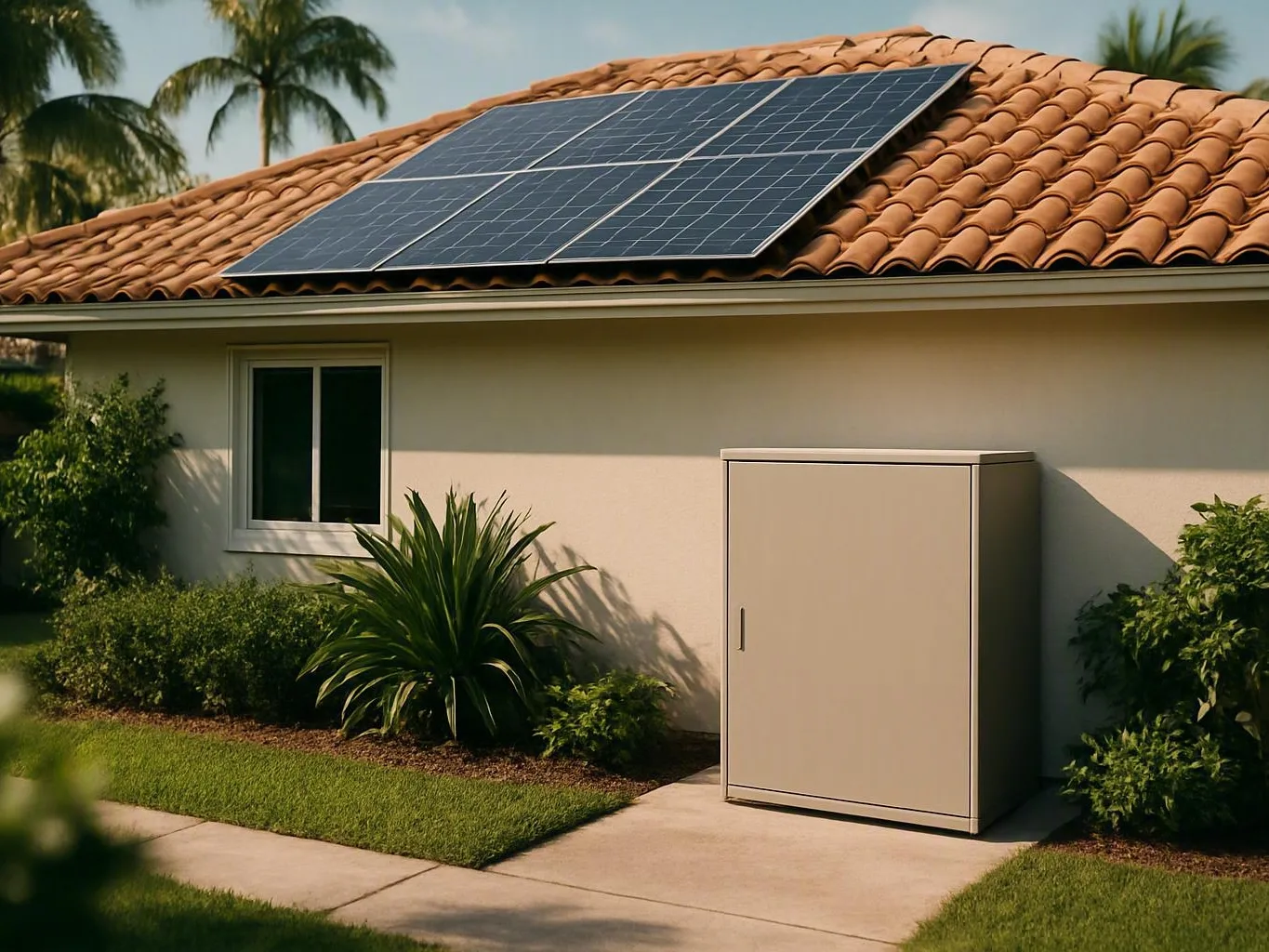
Generator Repair and Transfer Switch Services for Miami Homeowners
Earth Electric provides generator repair, maintenance, backup-generator wiring, transfer-switch installation, flood-compliance retrofits, and electrical inspections for Miami homeowners. A qualified generator electrician can find why a standby generator isn't powering the house. They can also check the automatic transfer switch and test the full system. Miami storms, floods, humidity, and salt air can damage outdoor equipment. These conditions make regular inspections especially helpful. Never bypass a transfer switch or connect a generator straight to home circuits. Wrong wiring can cause shock, fire, or utility backfeed.
Get a Free EstimateWhy Miami Homeowners Need Professional Generator Electrical Service?
Miami homeowners need professional generator electrical service because storms, humidity, floods, and salt air can damage generators. An electrician can check the generator, transfer switch, wiring, grounding, and panel. This can help prevent backfeed, failed starts, shutdowns, and lost power.
Hurricane season can cause long outages. Homes may need cooling, food storage, phones, pumps, or medical devices. A generator that starts but cannot transfer power isn't a complete backup system. The generator, fuel source, battery, disconnect, panel, and controls must work together.
Good systems include clear load planning and weather-resistant equipment. They also need corrosion protection, easy shutoffs, and tested wiring. A qualified generator electrician should explain what the system can support during an outage.
Common problems include old batteries, wet connections, tripped breakers, fuel issues, alarms, and small generators. A transfer switch may also fail to sense a utility outage. We check the full backup system instead of treating the generator as one appliance.
Generator Repair and Maintenance for Miami Homes
Generator repair and maintenance help restore dependable standby power. Service may address starting, fuel, battery, controls, cooling, or output problems. A Miami electrician can test the system and find storm or rust damage. Service before hurricane season can help prevent failures.
Generator Repair And Maintenance in Miami works best before tropical storms become more likely. A visit may start with a check of the generator, cover, battery, wires, fuel supply, exhaust, and disconnect. The technician can then test alarms, controls, transfer action, and output.
A generator repair visit involves more than changing a battery. The cause may be a blocked fuel line, low pressure, a bad sensor, or a loose connection. It may also involve a damaged breaker or transfer circuit. Testing each part helps avoid guesswork.
Generator maintenance should follow the maker's instructions. It should also match the home's outdoor conditions. Miami equipment faces moisture, salt air, standing water, bugs, and debris. These issues can affect terminals, seals, boards, vents, and fuel parts. We explain which repairs need attention first.
A load test checks whether the system can supply power to working circuits. It may find unstable voltage, heat, weak connections, or an undersized generator. Most residential service visits take about one to three hours. Repairs, rewiring, hard access, or load testing may take longer. This range isn't a promise for every home.
Keep the area around the generator clear. Report odd sounds, fuel smells, alarms, slow cranking, or shutdowns. Don't open live equipment or connect a generator directly to the panel. If an outage creates an urgent danger, a 24 Hour Electrician may provide a quick safety check. Our 24 Hour Electrician work also covers other urgent home electrical problems.
| Service check | What it can identify |
|---|---|
| Battery and starting system | Low charge, weak cranking, poor terminals, or charging faults |
| Fuel system | Interruption, leakage, pressure concerns, or restricted delivery |
| Electrical output | Voltage concerns, breaker trips, loose conductors, or overload |
| Transfer operation | Sensing, switching, panel connection, and return-to-utility behavior |
How Transfer Switch Installation Makes Backup Power Safer?
A generator transfer switch separates utility power from generator power. It does this before backup power reaches home circuits. An automatic or manual switch connects the generator to the panel through a controlled path. This lowers backfeed risk and helps manage key circuits. Installation requires a review of loads, circuits, and equipment.
Generator Transfer Switch Installation should match the home's panel, generator, service size, and priority circuits. The switch may serve a few circuits or much of the home. That choice depends on the generator and service design. Air conditioning, refrigerators, pumps, and medical devices need special load planning.
An automatic transfer switch watches utility power. It changes sources when it senses an outage. A manual transfer switch requires the homeowner to follow set steps. Both types must keep utility and generator power from energizing the same wires.
Bad connections can cause utility backfeed. This may energize lines that workers believe are off. It can hurt workers and neighbors. It may also damage appliances, overload wires, or start a fire. We check the service equipment, breakers, grounding, disconnect, and work space before suggesting a switch.
Miami-Dade may require permits, inspections, and approvals for home electrical work. Rules depend on the property and project. Homeowners should check local needs before work begins. An electrical contractor can explain the planned work. Local authorities decide which approvals apply.
What Miami Homeowners Should Know About Generator Wiring?
Backup generator wiring must connect the generator, transfer equipment, disconnect, panel, and circuits. The wires and safety devices must fit the system. Review the wiring plan before work starts. Extra care helps when a home has many panels, additions, pool equipment, electric heat, or large air conditioning loads.
Backup generator wiring electrician Miami searches often show a real safety concern. Homeowners want a safe connection and clear circuit choices. We can trace wires and find overloaded or changed circuits. We can also explain whether partial-home or full-home backup makes sense. Never use a male-to-male cord. Never connect a generator through a normal outlet.
Why Is My Standby Generator Not Powering My House?
A standby generator may not power a house because of a weak battery, fuel issue, tripped breaker, failed control, bad wiring, or transfer-switch problem. A qualified electrician should test the generator and transfer path in order. Never bypass safety devices. Backfeed can endanger people and utility workers.
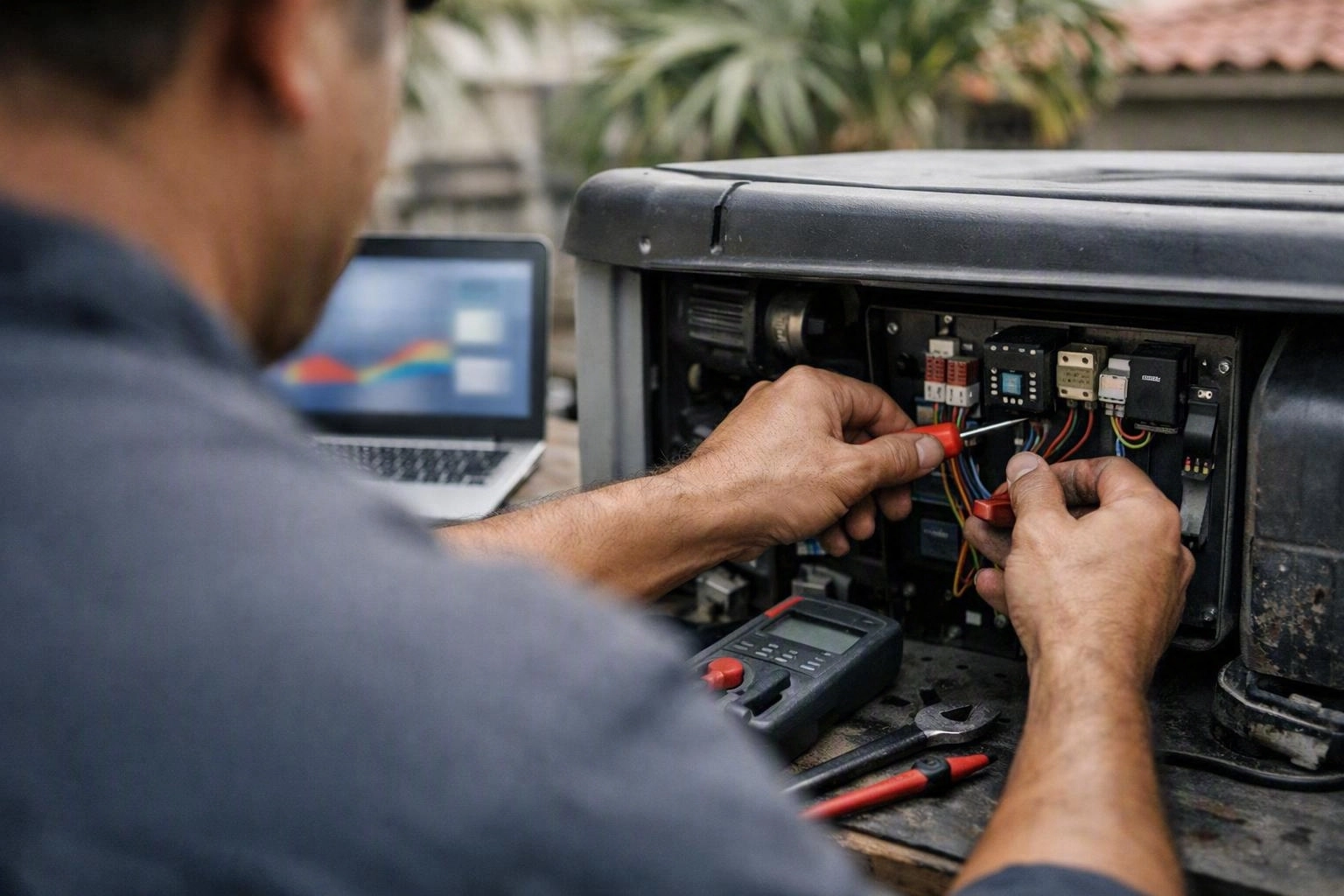
Start by viewing the control panel. Don't open the equipment. A warning light, fault code, low-battery message, or stop signal may show the first problem. Check if the generator starts and stays on. Check if the panel receives generator power. Don't reset a breaker again if it trips.
Common causes of standby generator failure include:
The diagnosis should follow the power path. Start at the generator output. Then check breakers, wires, transfer controls, panel connections, and branch circuits. This method separates an engine problem from a generator electrical repair problem. It can also show if the loads exceed system capacity.
Don't bypass the automatic transfer switch or bridge breakers. Don't plug the generator into a home outlet. A direct connection can send power into utility lines. It can cause a deadly hazard. If water, rust, burning, or floods affected the system, keep it off. A professional inspection should confirm safe operation.
Storm-Resilient Transfer Switch and Flood-Compliance Retrofit Options
Storm-resilient generator systems improve reliability by addressing location, floods, rust, covers, disconnect access, and transfer-switch setup. An electrical inspection can find weak points and suggest useful upgrades. Each property has its own height, layout, flood risk, and local rules.
Flood compliance requires more than moving one part. The generator, transfer switch, disconnect, conduits, boxes, panel, fuel parts, and control wires may all face water risks. A site review should check grades, drainage, water paths, mounting, and safe service access.
Miami-Dade homes may face storms, heavy rain, humidity, salt air, and floods. These conditions can damage outdoor generators, covers, disconnects, and wires. A flood-resistant setup should fit the actual property. It shouldn't be copied from another home.
Local permits, inspections, and approvals may affect a retrofit. We can explain visible conditions and possible options. The owner should confirm rules for the address and project. The review may suggest service, replacement, higher equipment, better covers, or new switching.
What to Expect During a Generator Electrical Inspection?
An electrical inspection checks equipment, wiring, grounding, transfer operation, panel connections, clearances, and storm damage. The electrician records unsafe conditions and explains which circuits can run. The inspection also identifies needed repairs or service. It doesn't replace local approval rules.
We begin by discussing outage concerns, alarms, service history, fuel type, and key home circuits. Then we follow the system from the generator to the transfer switch, panel, disconnects, grounding, and loads.
The visit may include a visual check and control-panel review. It may also include output readings, transfer testing, connection checks, and a load test. Water-damaged or live equipment may need to stay off until safe testing is possible.
The final review should separate urgent hazards from suggested upgrades. Homeowners should learn about generator size, key circuits, service needs, rust, flood risks, and follow-up work. Clear findings help families prepare for the next outage.
Questions About 24 Hour Electrician
How Often Should a Home Standby Generator Be Serviced?
Most home standby generators should receive service on the maker's schedule. Routine checks should happen before hurricane season and after major storms. Service often includes the battery, fuel system, oil, filters, connections, controls, cover, transfer operation, and electrical tests. Humidity, salt air, floods, and frequent use may require more checks.
How Much Does It Cost to Install a Transfer Switch for a Generator?
Transfer-switch installation costs depend on the generator, switch, panel access, wire length, circuits, site, and approvals. A simple job can cost much less than a retrofit. Multiple panels, long conduit runs, flood risks, rust, and hard access can add work. An on-site review is needed for a fair scope. The switch alone can't provide a safe estimate.
Can an Electrician Install a Transfer Switch for a Portable Generator?
Yes, a qualified electrician can install a suitable manual transfer switch for many portable generators. The electrician must check output, inlet location, circuits, wire size, grounding, bonding, disconnect access, and panel fit. The generator must stay outdoors in a safe, open area. Keep it away from doors, windows, and openings. Never connect it through a home outlet.
Can a Generator Power a Whole House Without a Transfer Switch?
No. A generator shouldn't connect to home wiring without an approved transfer method. The setup must prevent utility backfeed. A whole-house system still needs proper switching, protection, grounding, wiring, and load planning. Direct connections can hurt people, damage equipment, start fires, or endanger utility workers.
How Do I Know What Size Generator My Miami Home Needs?
Generator size depends on the loads you want to run and their starting demand. It also depends on service size, fuel type, and the circuits served. Miami cooling loads can be large. Refrigerators, pumps, internet equipment, security systems, and medical devices may matter too. A load check and site review are safer than choosing by home size alone.
We can review generator repair, maintenance, backup generator wiring, transfer-switch operation, flood exposure, and storm-readiness concerns. Schedule a safe inspection through our contact page before the next outage.
Related Resources
How Much Does It Cost to Rewire a House in Miami?
house rewiring cost and timeline Miami
How It WorksElectrical Inspection and Code-Compliance Corrections: Process and Cost Factors
electrical inspection and code compliance correction cost
Compared ToGenerator Repair and Transfer Switch Installation: Costs and Options
generator repair vs transfer switch installation cost
Compared ToWhole-Home Surge Protection: Cost, Benefits, and Installation Options
whole home surge protection cost and options