Is a Buzzing or Hot Outlet, Switch, or Panel Dangerous?
A buzzing or hot outlet, switch, or panel can signal an electrical danger. Loose wires, heavy loads, bad wiring, or a weak breaker may cause it. Turn off the breaker if you can do so safely. Keep people away from the area. Don’t remove covers or try repairs. Smoke, sparks, burning smells, dark marks, or a hot panel need urgent help.
Get a Free Estimate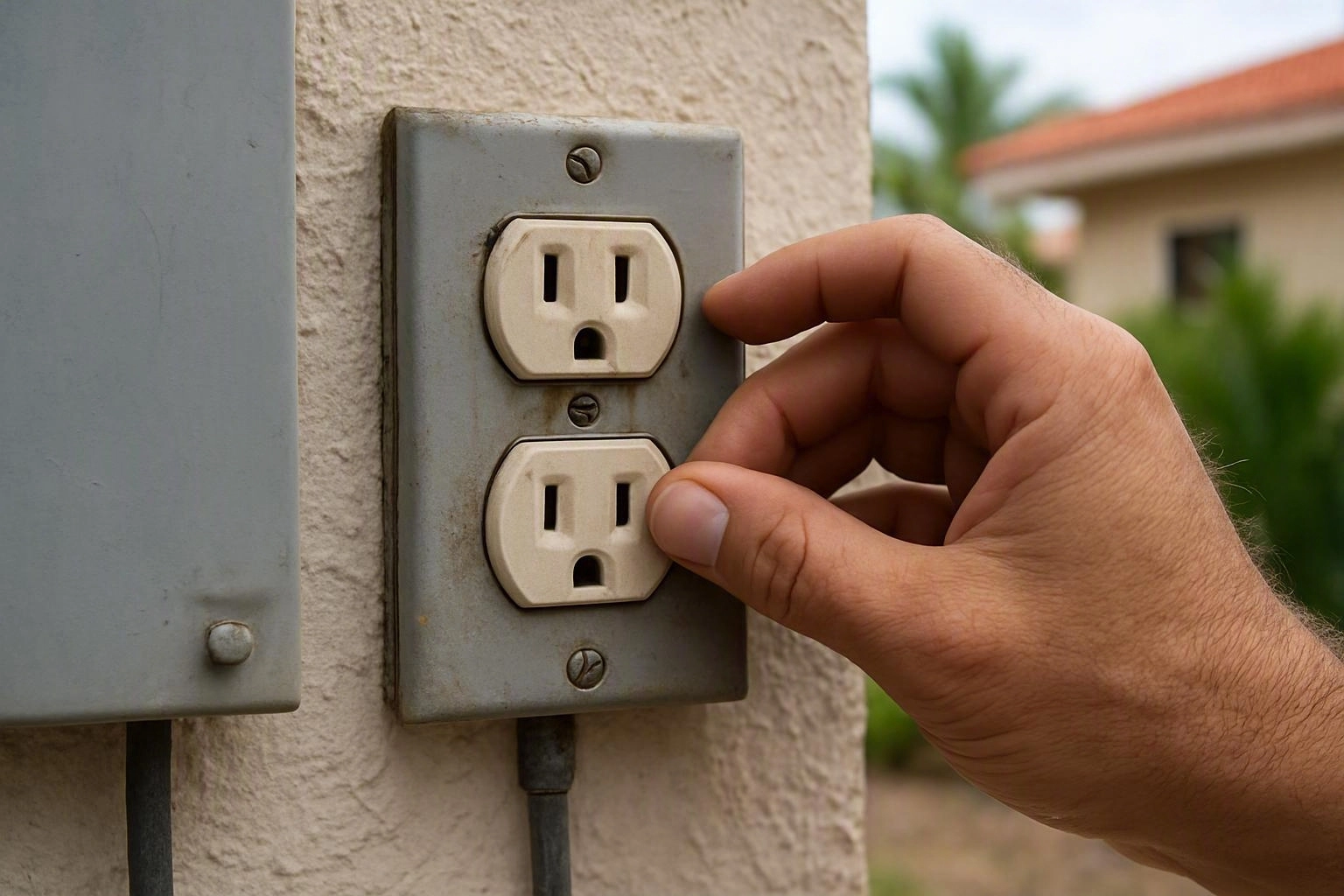
What Warning Signs Should You Check First?
Warning signs include buzzing outlets, hot switch plates, and humming breaker panels. Look for dark marks, melted plastic, burning smells, sparks, and flickering lights. Repeated breaker trips also signal a problem. Don’t ignore these signs.
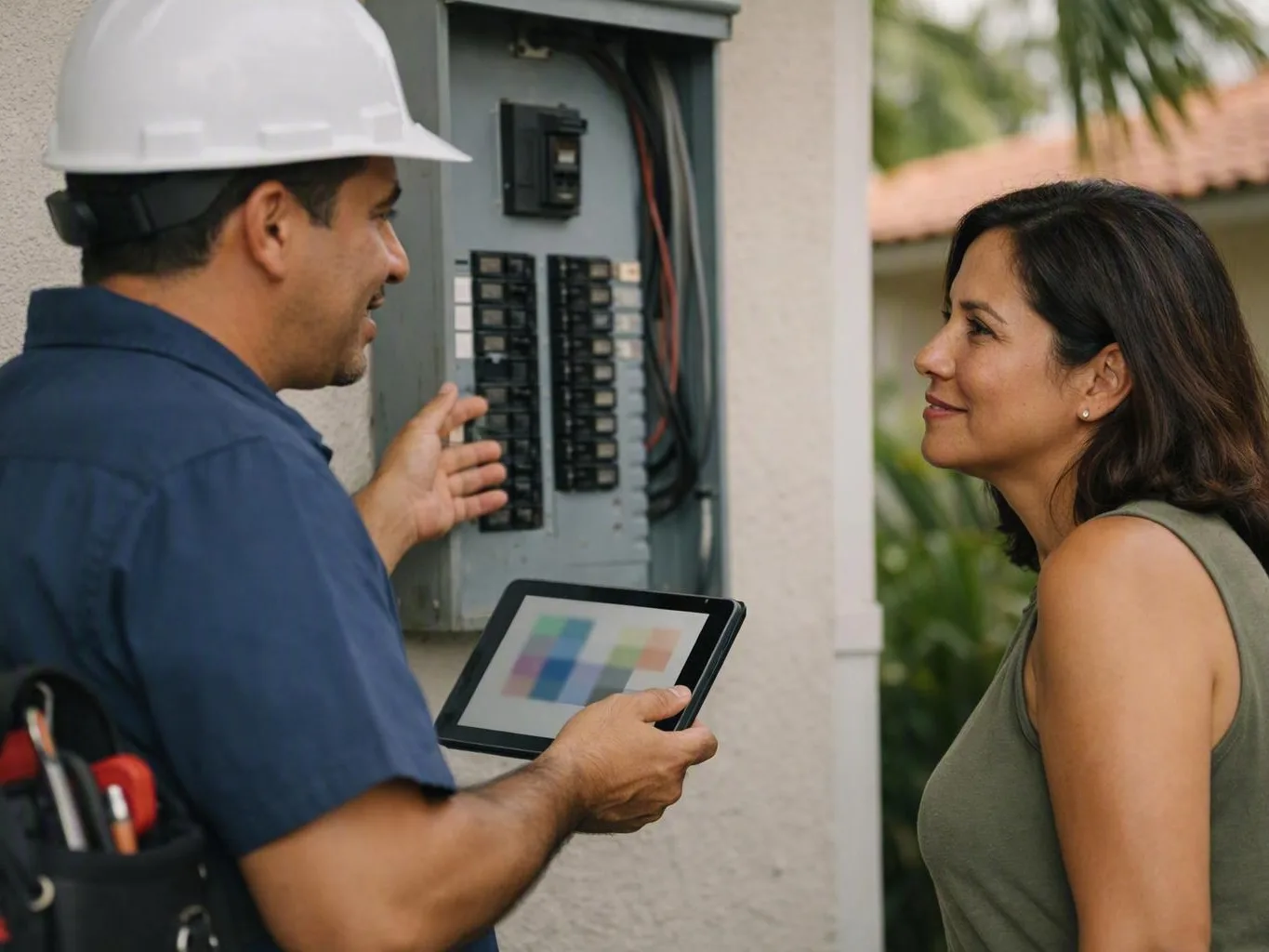
Start by looking, not touching. Don’t touch warm devices or remove covers. Don’t move wires to find the sound. Renters should call the landlord or property manager. Keep people and pets away. Homeowners can check for visible damage. A professional must find hidden faults.
Keep children, guests, tenants, and pets away. An inspection may cover one circuit and several outlets. Time depends on access and damage.
Why Is My Electrical Outlet Buzzing or My Breaker Panel Humming?
A buzzing outlet may have loose wires, a bad outlet, or too much load. A panel may hum from normal vibration, loose wires, a bad breaker, or heavy use. New, loud, or uneven sounds need attention. Heat, smells, flickering, or trips make them more serious.
Loose wires create electrical resistance. Resistance changes some power into heat. Heat can damage outlets, wire covers, or panel parts. Worn outlet parts can also buzz. A loose plug may cause the same sound.
Some equipment makes a soft, steady hum. A transformer may hum as its parts move. This sound usually has no heat or burning smell. New or louder sounds need a professional check.
Heavy loads make breakers work harder. A short circuit may trip the breaker right away. A weak connection may heat up first. Repeated trips aren’t harmless. Stop using that circuit and arrange testing.
Homeowners may turn off a labeled breaker when the area is dry and calm. Renters should call the landlord or manager. Property managers should block off the area and request help. We first find the affected circuit. Then we test it before suggesting Electrical Repair. Electrical Repair in Miami should be done by a qualified professional.
What Does Crackling in a Wall Mean?
Crackling in a wall may mean electrical arcing (electricity jumping across a gap). It can happen near loose wires, damaged cables, outlets, switches, or boxes. Arcing creates heat and can start a fire. Turn off the circuit if safe. Don’t open the wall. Arrange urgent electrical troubleshooting.
Hidden wires sit inside the wall. The sound may come from another spot. A loose wire or damaged cable may arc across a gap. The sound may come and go. It may change when lights or appliances turn on.
Don’t cut drywall or remove box covers. Wood and insulation can hide heat damage. The fire risk may remain after the sound stops. Turn off only the affected circuit. Do this only when the area is calm.
Use the main disconnect when you can’t identify the circuit. Use it when several circuits show signs. A qualified worker may also direct you to use it. Leave if you see smoke, flames, or strong heat. Call emergency services from a safe place. Emergency electrical service can follow after the danger ends.
Why Is My Outlet or Switch Plate Hot?
A hot outlet or switch plate may have a heavy load or loose wire. A bad device, damaged wire, or high resistance may also cause heat. Slight warmth may come from a device. Noticeable heat is not normal. Stop using it and arrange an inspection.
A large device can warm an outlet. It shouldn’t make the wall plate very hot. Compare heat by looking only. Don’t touch the plate again and again. Unplug equipment only when the plug and outlet are cool and undamaged.
Loose terminals heat up as power passes through a small contact point. Backstab connections may loosen over time. The exact cause needs testing. Worn metal can create more heat. It may also cause humming or sizzling.
Stop using a hot outlet or switch. Don’t reset a tripped breaker again and again. Don’t move damaged equipment to another outlet. Our team can test the circuit and check its wires. We can replace unsafe parts through professional Electrical Troubleshooting.
Homeowners should stop use first. They can turn off a labeled breaker when there’s no smoke or arcing. Renters should report the issue quickly. Landlords and property managers should block access. They should arrange a qualified inspection.
Can a Buzzing Electrical Panel Cause a Fire?
A buzzing electrical panel can cause a fire. Arcing, loose wires, heavy loads, or bad breakers may create heat. Don’t remove the panel cover. Don’t tighten parts yourself. Leave if you see smoke, damage, or strong heat. Call emergency services.
A soft, steady hum may come from a transformer. A new, loud, or uneven hum needs attention. Flickering lights and repeated trips add concern. A bad breaker may not stop power before parts overheat.
Never open the panel to inspect it. Some parts stay live after breakers turn off. Most people should only look at the closed panel. This includes homeowners, renters, landlords, and property managers.
If the panel feels warm, keep clear. Turn off the circuit if it’s labeled and easy to reach. Use the main disconnect when several circuits have problems. Don’t approach a hot or damaged main disconnect. Don’t approach one that’s arcing.
Leave at once for smoke, flames, great heat, or active arcing. Reach safety first. Then request emergency electrical service.24 Hour Electrician may be needed for urgent hazards.
DIY vs. Professional Help: What Is Safe?
Homeowners can stop using a noisy or hot device. They can turn off a labeled breaker when conditions are calm. Professionals should test circuits and repair wiring. They should replace devices and inspect panels. Don’t remove covers or test live wires. Don’t use damaged equipment.
Live parts can cause shock or burns. Testing also needs special tools. Turning off power lowers risk. It doesn’t prove every wire is safe. Repeated trips and hidden wires need qualified electrical troubleshooting.
| Factor | DIY | Professional |
|---|---|---|
| Power shutoff | Stop use and turn off a labeled breaker when stable. | Choose the safest breaker or main disconnect. |
| Electrical testing | Don’t test live wires or open equipment. | Use safe meters and methods to find faults. |
| Circuit isolation | Keep people away and avoid unknown breakers. | Confirm the circuit and check connected devices. |
| Panel work | Never remove the panel cover or tighten parts. | Check breakers, wires, and panel parts. |
| Electrical repair | Don’t replace parts when heat damage is possible. | Repair or replace unsafe parts and test them. |
| Emergency response | Leave and call emergency services for smoke or fire. | Provide emergency electrical service after the area is safe. |
Our crews can tell normal vibration from an electrical danger. We check the circuit, load, wires, and devices together. A visit may focus on one circuit and nearby points. Hidden damage may take more time. Don’t restore power before the fault is checked.
Renters should call the landlord when access is limited. Property managers should record the signs and keep people away. We can explain the safest next step before repairs.
Questions About 24 Hour Electrician
Why Is My Electrical Outlet Buzzing?
A buzzing outlet may have loose wires, a bad outlet, or a heavy load. Stop using it. Arrange professional testing. Heat, burn marks, smells, sparks, or melted plastic need urgent help.
Why Is My Breaker Panel Humming?
A breaker panel may hum from normal transformer vibration, loose wires, heavy loads, or a bad breaker. New, loud, or uneven sounds need more care. Heat, flickering, smells, or repeated trips add concern. Don’t remove the cover.
What Does Crackling in a Wall Mean?
Crackling may mean arcing near hidden wires, an outlet, switch, or box. Arcing can heat insulation and start a fire. Don’t open the wall. Request urgent electrical troubleshooting.
Why Is My Outlet or Switch Plate Hot?
Heat may come from a heavy load, loose wire, bad connection, damaged wire, or failing device. Stop using the outlet or switch. Dark marks, smells, buzzing, or melted plastic need a qualified electrician.
Can a Buzzing Electrical Panel Cause a Fire?
Yes. Arcing, heavy loads, loose wires, or bad breakers may create dangerous heat. Leave if you see smoke, damage, strong heat, or a burning smell. Call emergency services. Never open or repair the panel yourself.
Get Safe Electrical Help
Don’t ignore buzzing, heat, crackling, sparks, or repeated breaker trips. Our team can find the affected circuit. We can explain the safest power shutoff. We can also suggest repair or emergency help.
Contact our electrical team for professional guidance.
Related Resources
How Much Does a 24-Hour Emergency Electrician Cost in Miami?
24 hour emergency electrician cost Miami
What It CostsElectrical Panel Upgrade Cost in Miami: Options, Price Factors, and Timeline
electrical panel upgrade cost Miami
How It WorksElectrical Troubleshooting: What the Diagnosis Involves and What It Costs
electrical troubleshooting cost and process
How It WorksElectrical Inspection and Code-Compliance Corrections: Process and Cost Factors
electrical inspection and code compliance correction cost