Planning Smoke and Carbon Monoxide Detector Installation
Smoke and carbon monoxide detector installation planning starts with reviewing coverage areas, power sources, placement, interconnection, testing, and access. Earth Electric uses that plan to coordinate both services, identify project requirements, and provide an estimate based on the home's conditions.
Get a Free Estimate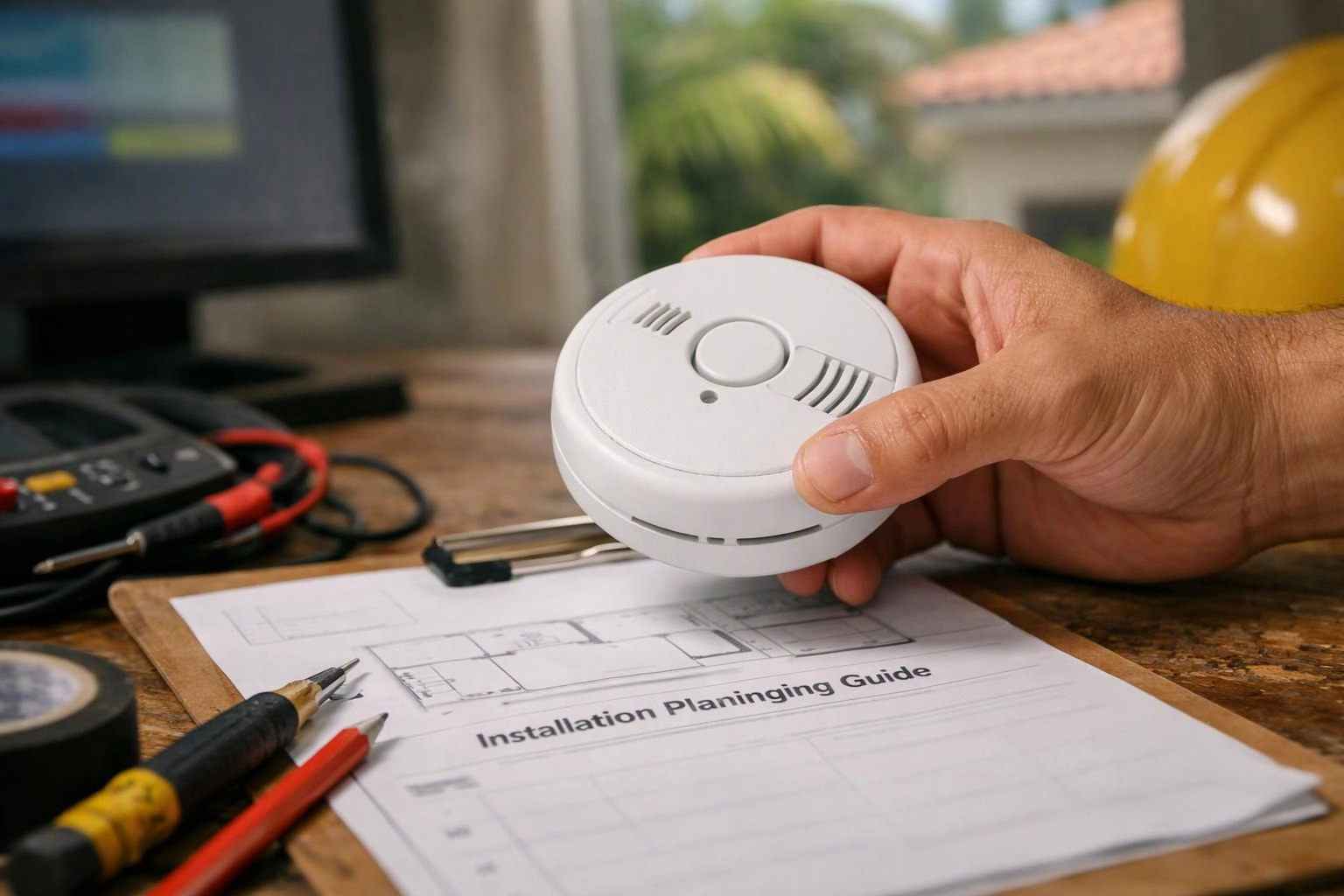
What Should a Detector Installation Plan Cover?
Detector installation planning should cover the home's risk areas, detector type, placement, power source, interconnection, accessibility, and final testing. We review these details so the finished life safety device system fits the home's layout and electrical conditions.
A smoke detector responds to smoke from a fire. A carbon monoxide detector monitors for carbon monoxide from sources such as fuel-burning equipment. We also check whether the devices should operate as an interconnected alarm system, where one alarm signal can alert other units.
Power may come from batteries, an electrical circuit, or a hardwired connection with battery backup. We confirm the available power source, mounting points, junction box conditions, and access before preparing the installation scope.
When Do You Need Smoke and Carbon Monoxide Detectors Together?
Smoke and carbon monoxide detectors work together when a home has both fire risks and possible carbon monoxide sources. We use the home's layout and equipment to decide how the two services should be coordinated.
How Do Smoke and Carbon Monoxide Detector Services Work Together?
Smoke and carbon monoxide detector services work together through a shared site assessment, coordinated electrical connection, and final testing. We plan the devices as one residential alarm system when the home's layout and equipment call for it.
How Should You Map Detector Locations Before Installation?
A floor plan helps map detector locations before installation. Mark each sleeping area, hallway, living area, kitchen, utility room, and garage so we can review the coverage plan with you.
Ceiling placement is common when the structure and device instructions support it. Wall placement may be used when ceiling access or construction makes that location more suitable. We check the planned mounting surface, nearby obstructions, and access for future testing or service.
Keep smoke detectors away from conditions that may cause nuisance alarms, such as cooking activity, while maintaining the required coverage for the home. We use the site conditions to refine the alarm placement and installation scope.
Which Areas Need Smoke Detection?
Smoke detection is needed near sleeping areas, along egress routes, and within living spaces. We review ceiling placement first when it provides suitable coverage and access.
A smoke alarm may also be mounted on a wall when the location follows the device instructions and the home's construction makes wall placement more practical. We consider hallways and paths from sleeping areas so the alarm can support early awareness during an emergency.
Which Areas Need Carbon Monoxide Detection?
A carbon monoxide alarm is needed near areas affected by fuel-burning appliances and near sleeping areas. We review the locations of the furnace, water heater, fireplace, and attached garage.
Carbon monoxide can move through a home, so placement should support monitoring beyond the immediate appliance room. We also check whether the proposed carbon monoxide detector can connect with other alarms and receive reliable power.
What Should You Check Before Scheduling Installation?
A detector installation checklist should identify the existing detector type, available wiring, alarm compatibility, and access conditions. These checks help us prepare the right installation plan before work begins.
How Does Earth Electric Plan and Complete the Work?
Earth Electric reviews the property, confirms detector locations and connection requirements, completes the installation, and tests the finished system. We connect the planning work to the home's electrical wiring and safety needs.
Our team begins with a site assessment and installation plan. We then prepare electrical wiring when needed, install detector mounting plates, connect compatible devices, and configure interconnection according to the planned scope.
Functional testing follows the physical installation. We check the alarm signal, power supply, battery backup, and communication between interconnected alarms.
Smoke Detector Installation can be coordinated with carbon monoxide detector installation when the home's coverage and electrical requirements call for both.
What Changes the Cost of a Detector Installation Project?
Detector installation cost depends on the detector type, wiring access, existing electrical connections, interconnection requirements, and total installation scope. Earth Electric can review those conditions and provide a quote for the planned work.
Hardwired connections may require different work from battery-powered alarms when new wiring or a junction box is needed. Existing wiring can reduce the work involved when it is accessible and compatible with the selected devices.
Accessibility also affects the installation scope. We include the planned detector locations, electrical connection, interconnection, mounting work, and functional testing when preparing an estimate. Free Estimates Available.
How Can You Prepare for Detector Installation?
Preparation starts with collecting the home's floor plan, existing alarm details, and information about fuel-burning appliances. We use those details to make the site assessment more focused.
What Should Final Detector Testing Confirm?
Final detector testing should confirm power, alarm operation, communication between interconnected units, and the correct response from smoke and carbon monoxide devices. We complete the functional testing after installation and connection work.
The test button should activate the alarm signal on each device. For an interconnected alarm system, we check that the related alarms respond as intended.
We also verify the power supply and battery backup. Smoke detection and carbon monoxide detection require the installed devices to remain powered and accessible for future testing.
Questions About Detector Installation Planning
Can smoke and carbon monoxide detectors be interconnected?
Yes, compatible smoke and carbon monoxide detectors can be interconnected when the devices and wiring support that setup. Earth Electric checks alarm compatibility, electrical connections, and the response of each interconnected alarm during functional testing.
Should a carbon monoxide detector be installed near a furnace or water heater?
Yes, a furnace or water heater is an important part of the carbon monoxide monitoring review. We consider those appliances, nearby sleeping areas, airflow, access, and the complete home layout when planning detector placement.
Can existing hardwired smoke detectors be replaced with combination alarms?
Yes, existing hardwired smoke detectors may be replaced with combination smoke and carbon monoxide alarms when the wiring, mounting, power, and interconnection systems are compatible. We verify the existing wiring and alarm system before selecting replacement devices.
What should you do if an existing detector has no accessible wiring?
An existing detector without accessible wiring needs a placement and power review before replacement. We check whether the location can support new wiring, a junction box, or a suitable battery-powered device.
Does a detector installation require access to the electrical circuit?
Detector installation requires electrical circuit access when the planned devices are hardwired or interconnected through the home's wiring. We review circuit access, existing wiring, junction boxes, and device compatibility as part of the installation plan.
Plan Your Detector Installation
Earth Electric connects detector placement, electrical wiring, interconnection, and final testing into one practical installation plan. Contact us to review your home's conditions and request an estimate for the planned work.
Get a Free EstimateRelated Resources
Planning an Electrical Panel Upgrade for Changing Household Needs
What Goes With ItPlanning Generator Installation, Repair, and Transfer Switch Service
What Goes With ItPlanning EV Charger Installation and Bidirectional Home Backup
What Goes With ItPreparing for Ceiling Fan, Lighting, and Chandelier Installation