What to Do About Water-Damaged Electrical Wiring After a Storm or Flood
Water-damaged electrical wiring after a storm or flood should remain de-energized until Earth Electric inspects the electrical system, identifies affected components, and repairs or replaces unsafe wiring, panels, outlets, and generator connections.
Get a Free EstimateWhat Should You Do When Water Reaches an Electrical Outlet or Panel?
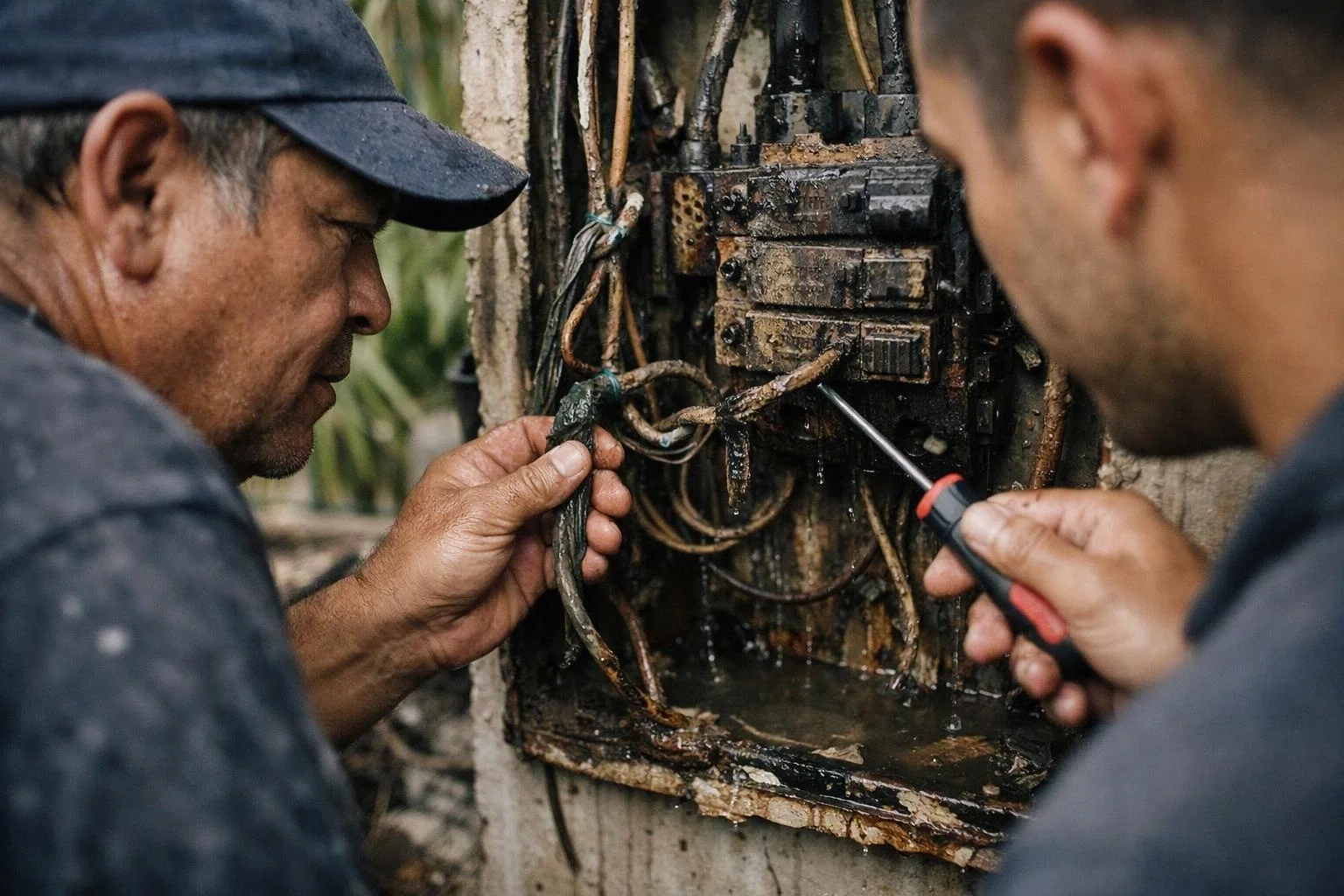
Water-damaged electrical equipment requires safe isolation; Earth Electric inspects the hazard and provides emergency electrical service without asking you to touch wet components.
Signs of Water Damage in an Electrical System
Visible and unusual electrical changes can point to a water-damaged electrical system. We inspect the source of each warning sign before attempting power restoration.
Smoke, sparks, and a burning odor indicate an active electrical hazard. Leave the area and contact our team for emergency electrical service.
How Storms and Floods Damage Electrical Wiring
Storm and flood exposure can damage both visible equipment and concealed parts of the building electrical infrastructure. We trace water intrusion through the system before deciding whether components can remain in service.
Storm surge can also affect equipment that was not visibly submerged. Our electrical inspection looks for hidden moisture and corrosion before energization.
Can You Turn the Power Back On After an Electrical Flood?
Power restoration after an electrical flood is not safe until Earth Electric completes an electrical inspection and confirms that the system can be safely energized.
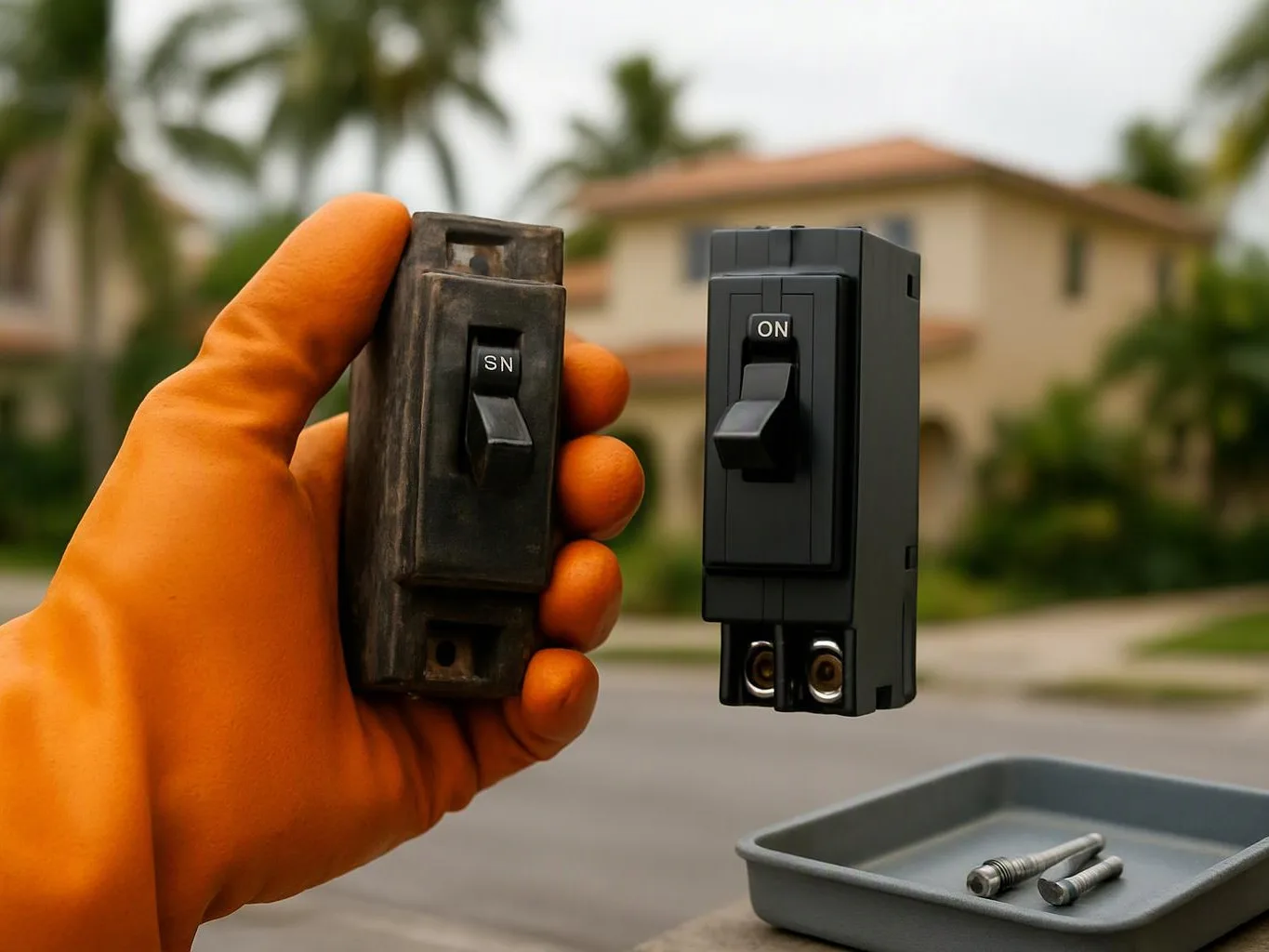
A circuit breaker may appear normal while flooded wiring, outlets, or panel parts remain contaminated. We test before energizing and identify components that need repair or replacement.
Do not reset a breaker repeatedly. Repeated breaker trips can indicate moisture, damaged insulation, a short circuit, or another unsafe condition.
How We Inspect Water-Damaged Electrical Wiring
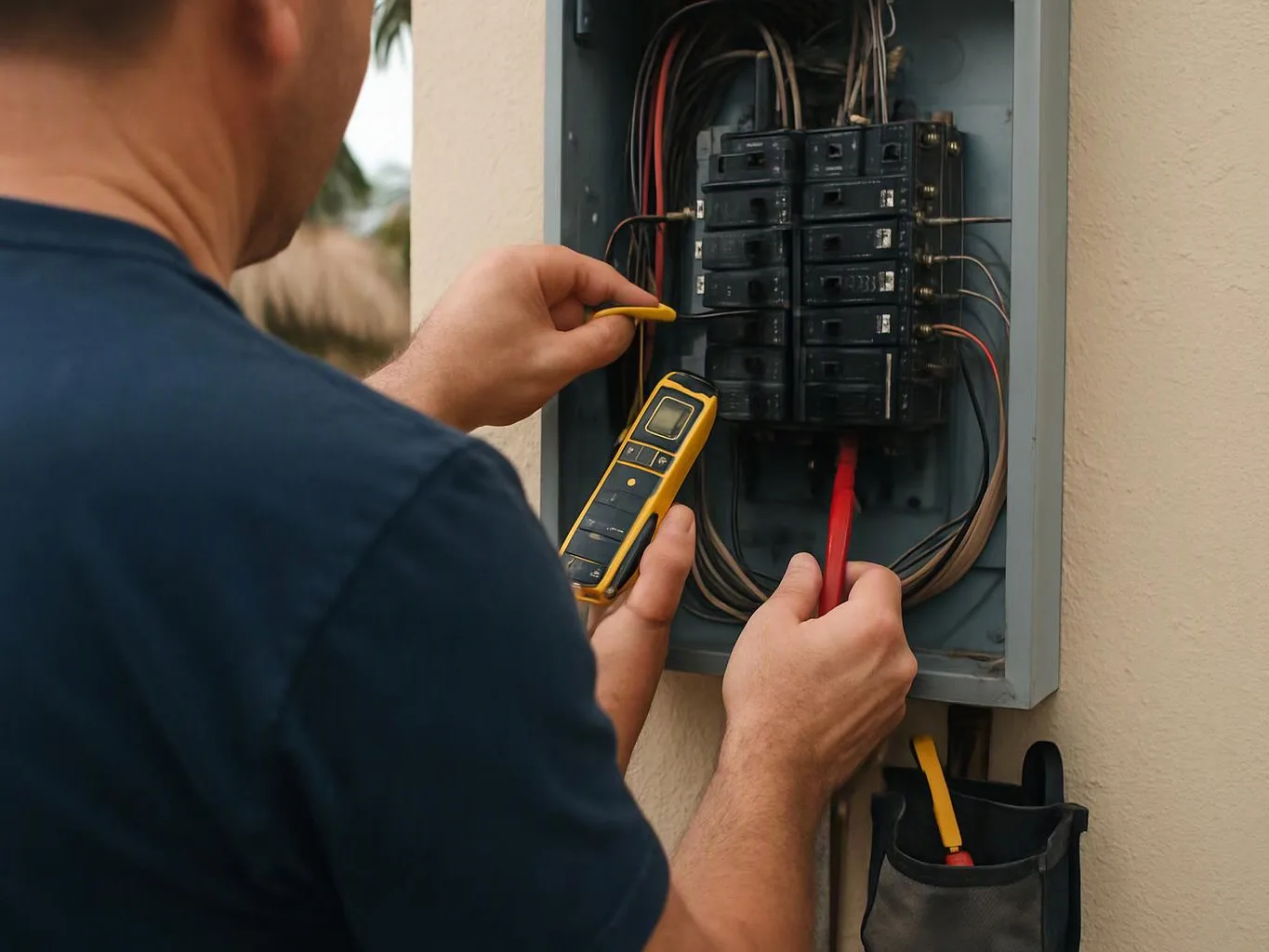
Our electrical inspection follows the path of power from the service entrance through the electrical panel and branch circuits. We document affected parts before we prepare an electrical repair plan.
We separate components that require replacement from parts that can be repaired safely. Our team does not energize a questionable circuit to see whether it works.
Does a Flooded Electrical Panel Need Replacement?
A flooded electrical panel may need replacement when water reaches internal components because drying alone cannot restore contaminated or corroded electrical parts to a safe condition.
Circuit breakers, the busbar, terminals, and other internal parts can retain contamination or develop corrosion. We assess the panel enclosure and internal components before recommending panel replacement.
Our repair scope depends on the depth of water intrusion, the condition of connected wiring, and whether safe operation can be verified. We replace electrical components that no longer meet safe operating conditions.
When Water-Damaged Wiring Can Be Repaired or Must Be Replaced
Water-damaged electrical wiring can be repaired only when the affected parts remain safe to test and restore. We base the decision on the condition of the insulation, conductors, connections, and enclosures.
| Condition | Likely action | What we check |
|---|---|---|
| Cable insulation remains sound and the affected area is accessible. | Electrical repair may be possible. | We test insulation, connections, and circuit safety. |
| Insulation is damaged, brittle, contaminated, or exposed. | The affected electrical wiring may require replacement. | We trace the damaged section and inspect connected parts. |
| Wire connections or a junction box show corrosion or water contamination. | Connections, boxes, or conductors may need replacement. | We look for heat damage, corrosion, moisture, and secure terminations. |
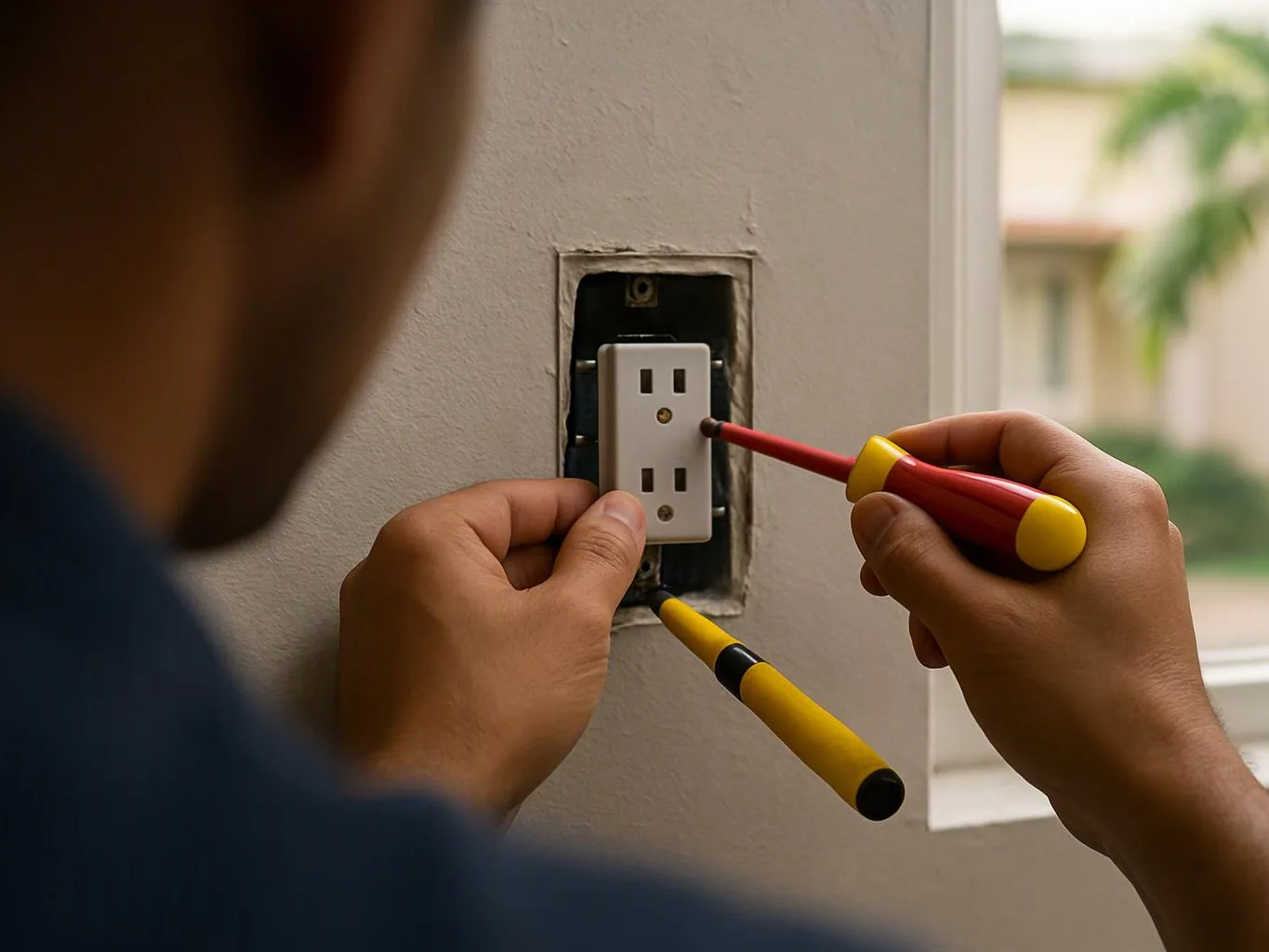
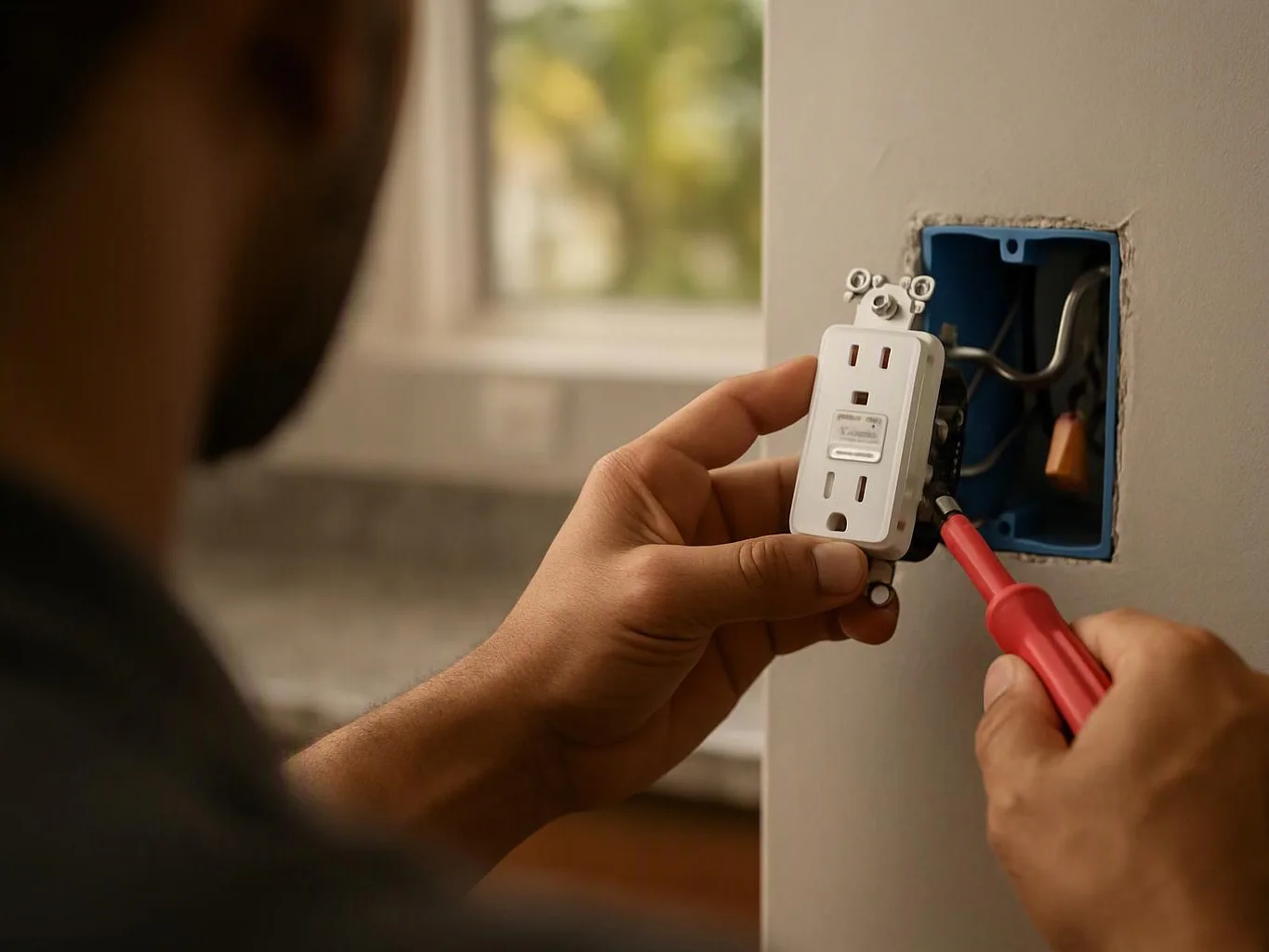
| An outlet or receptacle was submerged or shows damage. | Outlet replacement is commonly required. | We inspect the box, wiring, grounding, and connected circuit. |
We explain the repair scope before work begins. Free Estimates Available applies to the estimate process, while the recommended work depends on the damaged components we find.
Is It Safe to Use a Generator After Water Damage?
A water-exposed generator is not safe to use until Earth Electric inspects the equipment, connections, and related electrical system.
A portable generator can create carbon monoxide hazards if used in an enclosed or poorly ventilated area. Keep generators away from occupied spaces and never connect one through an improvised cord or outlet.
A damaged generator inlet or transfer switch can create generator backfeed, which can energize wiring that should be off. We inspect the generator inlet, transfer switch, grounding connections, and panel before approving operation.
Storm-Resilient Generator and Transfer-Switch Upgrades
Storm-resilient generator upgrades reduce exposure by addressing equipment location, enclosure protection, and transfer-switch connections. We review the existing standby generator system before recommending changes.
A flood-compliance retrofit may include elevated equipment, a suitable generator enclosure, improved weather protection, or changes to the generator transfer switch. The correct approach depends on site conditions and the equipment already installed.
Our generator repair and maintenance work includes checking connections and controls for signs of moisture or corrosion. We test the system after repairs so the generator can operate without unsafe backfeed.
How to Reduce Electrical Flood Damage Before the Next Storm
Preparation can limit water intrusion and make storm recovery safer. We help identify vulnerable equipment and practical protection measures during an electrical inspection.
What Earth Electric Checks Before We Quote the Repair
Our electrical inspection identifies the damaged components, the affected circuits, and the safety conditions that shape the repair scope.
We review water intrusion, corrosion, damaged insulation, panel condition, outlet condition, grounding, bonding, and generator connections. We also look for code-related safety conditions that could affect the repair.
We explain whether the work involves electrical repair, component replacement, panel replacement, wiring replacement, or generator-related work. We then provide a clear estimate based on the actual conditions we found.
When to Request Emergency Electrical Service
24-Hour Emergency Electrical Service is appropriate when storm or flood damage creates an immediate electrical hazard.
Leave the area and contact Earth Electric when you see smoke, sparks, exposed wiring, active water near electrical equipment, or repeated loss of power. Do not touch wet equipment or attempt to restore power while the hazard remains.
Our team can inspect the affected electrical system, isolate unsafe components, and explain the next repair step. Use the contact link to request service, and follow the safety instructions provided while you wait.
Get a Free EstimateQuestions About Water-Damaged Electrical Wiring
Can water-damaged electrical wires dry out and be reused?
Water-damaged electrical wires can be reused only when our inspection confirms that the conductors, insulation, connections, and surrounding components remain safe. Earth Electric tests the affected circuit and replaces parts that are contaminated, corroded, or damaged.
What happens if water gets inside an electrical panel?
Water inside an electrical panel can contaminate circuit breakers, the busbar, terminals, and other internal parts. We keep the panel de-energized, inspect the damage, and determine whether panel replacement or related wiring work is required.
Should I replace outlets after a flood?
Outlets exposed to floodwater should remain out of service until we inspect them. Earth Electric checks the receptacle, electrical box, wire connections, grounding path, and circuit before deciding whether outlet replacement is needed.
Can a wet generator cause backfeed?
A wet generator or damaged transfer switch can contribute to generator backfeed if the system is connected or operated incorrectly. We inspect the generator, inlet, transfer switch, grounding, and panel before the system is used.
What should I do if a breaker keeps tripping after a storm?
A breaker that keeps tripping after a storm should remain off until Earth Electric checks the circuit. Repeated trips can signal wet wiring, damaged insulation, corrosion, or a short circuit.