Whole-Home Surge Protection Options and Cost in Miami, FL
Whole-home surge protection in Miami, FL often uses a Type 2 surge protective device at the electrical panel. Some homes may use service-entrance protection when allowed. Cost depends on the device, panel condition, wiring access, permits, and job size. Panel protection often works well for existing homes. Meter-based protection may add another layer when available. Surge protection can limit damage from lightning, utility work, and inside electrical events. It won't stop every outage. It also won't replace proper grounding. Earth Electric can check your panel and explain your choices.
Get a Free EstimateHow Much Does Whole-House Surge Protection Cost?
Whole-home surge protection cost depends on the device, panel, wiring access, labor, and local rules. A basic panel installation usually costs less. An old panel or hard access can raise the price. Grounding repairs or a panel upgrade can also add cost. An electrician should inspect the system before giving a firm price.
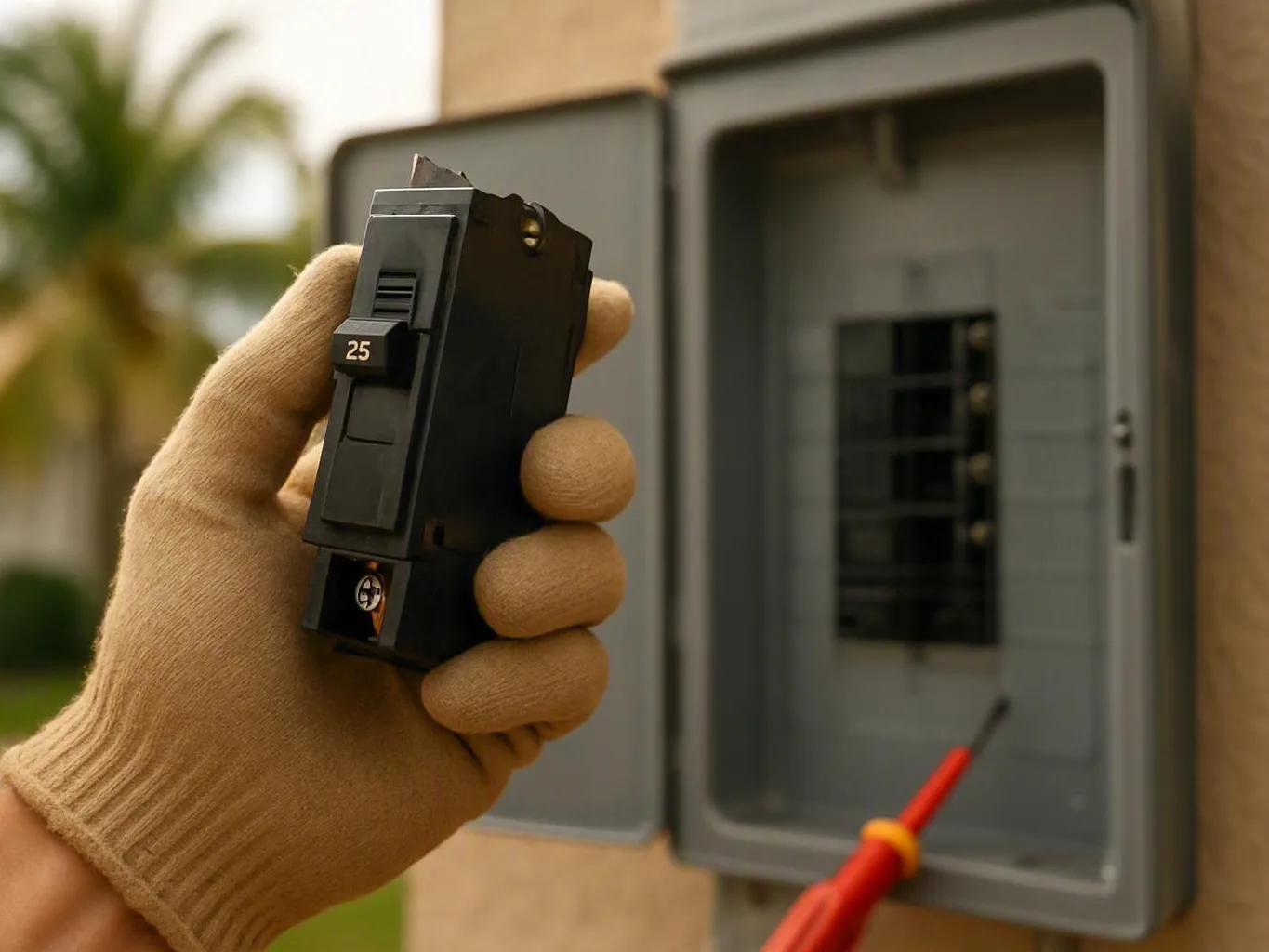
Most simple Miami, FL homes need one planned visit. The job often uses a panel-mounted Type 2 SPD. Larger jobs may need a new breaker or longer wires. They may also need enclosure work or grounding repairs. Older main panels may need changes. Heat, humidity, and coastal salt air can cause corrosion. That damage may add labor and material costs.
Permit rules depend on the work. A permit or inspection may apply when service equipment changes. It may also apply during wiring repairs or a panel upgrade. The device is only one part of the job. The panel, grounding system, and wire connections must all be safe.
Earth Electric can review your equipment and explain the main costs. We can also outline Surge Protection Installation in Miami. A 24 Hour Electrician can help with urgent issues. These issues include a surge, burning smell, or damaged equipment.
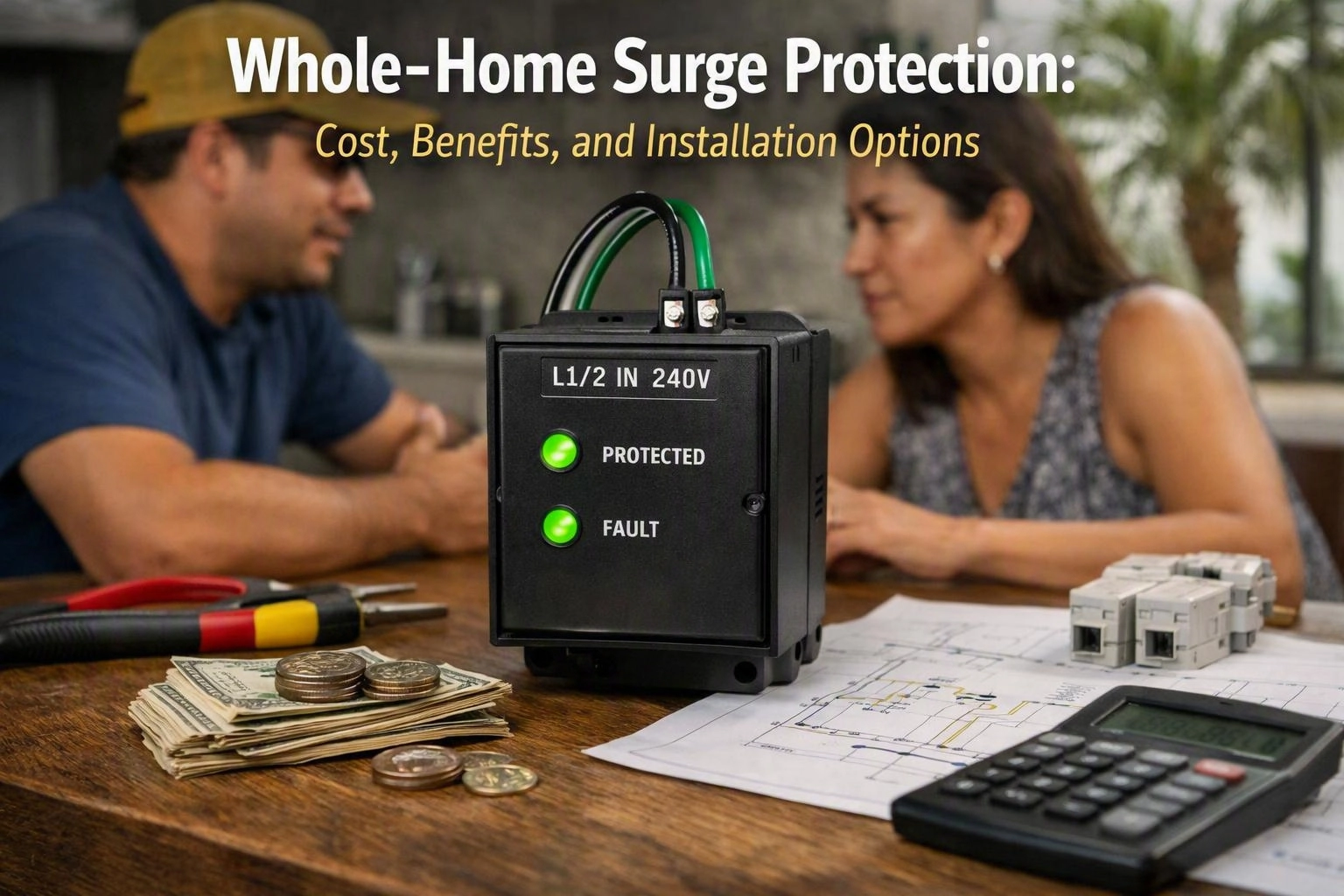
Compare Whole-Home Surge Protection Options
Panel-mounted and service-entrance protection are the main options. Panel protection goes at the main electrical panel. It fits many existing homes. Meter-based protection sits near the meter. It may add protection when the utility allows it. Cost, timing, upkeep, and fit should guide your choice.
The best choice depends on your electrical service and panel access. It also depends on your current protection. Some homes may use more than one device. Each device must fit its location. It must also follow the maker's instructions.
| Factor | Option A: Panel-Mounted Surge Protector | Option B: Service-Entrance or Meter-Based Protection |
|---|---|---|
| Cost | Usually costs less when the panel has space and proper grounding | May cost more when service gear, meter fit, or utility work is involved |
| Timeline | Often takes one planned electrical visit | May need more checks, equipment work, or service planning |
| Maintenance | Check the status lights during service and replace the device after major damage | Check the device and service connection as the maker and utility require |
| Best for | Existing homes needing protection at the main power point | Homes that need layered protection and meet service rules |
Most basic jobs take about one to three hours. Service work or repairs can take longer. This range helps with planning. It isn't a promise for every home.
Pros and Cons of Each Whole-Home Surge Protection Option
Panel-mounted surge protective device protection connects to the home's power panel. Service-entrance protection sits closer to incoming power. Both options have limits. Point-of-use protectors can help one device. They can't replace whole-home surge protection.
Option a: Panel-mounted Surge Protector
This option goes at the electrical panel. It protects circuits from the main power point.
Pros
Cons
Option B: Service-entrance or Meter-Based Protection
Service-entrance protection sits near incoming power. Meter rules may limit access and device choice.
Pros
Cons
A point-of-use power strip can help a TV or computer. It protects only the device plugged into it. The grounding system still needs a full check.
Can Surge Protection Be Installed in an Existing Panel?
Surge protectioncan often go in an existing panel. The panel must be compatible and have an approved connection point. It must also have enough space and proper grounding. An electrician should check the panel's age, condition, and capacity. An unsafe or old panel may need.electrical panel upgrade.
Older Miami homes may have old panels or loose connections. They may also have little breaker space or poor grounding. These problems can stop a basic installation. The main disconnect location also matters. Short wires help the device work as designed.
We check for heat damage, corrosion, missing covers, and damaged parts. We also look for signs of past surges. If the panel needs more work, we plan the device with the Electrical Panel Upgrade.
How Long Does Whole-Home Surge Protection Installation Take?
Surge protection installation may take one planned visit. This applies when the panel is easy to reach and safe to use. The electrician checks the system and connects the device. The electrician then tests the setup and records the work. Old panels, repairs, permits, and inspections can add time.
A basic panel visit often takes one to three hours. Service-entrance work may need more planning. The meter area may need utility approval. Corrosion, damaged wires, or a weak enclosure can also delay the job.
Homes with generators need extra care. We check the surge protector.generator transfer switch. We also check the grounding and required disconnects.
What Does a Whole-Home Surge Protector Protect?
Whole-house surge protection helps limit brief voltage spikes. It can protect HVAC systems, fridges, appliances, electronics, and generator controls. It may help with utility work, nearby lightning, and loads inside the home. It won't stop outages or every voltage problem. It also can't promise that equipment won't fail.
A lightning surge may enter through power or other connected wires. Miami has frequent storms and lightning. That makes surge protection worth discussing. No home device promises full lightning protection. Proper grounding remains important.
Motors and compressors can create surges inside the home. HVAC systems, fridges, alarms, and electronics may benefit. Generator transfer controls may benefit too. Sensitive devices may still need listed point-of-use protection.
Is Whole-House Surge Protection Worth It in Miami, FL?
Home surge protection can be useful in Miami, FL. Homes face storms, lightning, utility work, and heavy HVAC use. A surge device adds another layer of protection. It works best with proper grounding and safe wiring. Its value depends on your equipment and repair costs.
Surge protection matters more with costly HVAC controls and smart appliances. It also helps protect computers, medical gear, and generator controls. It may limit damage from brief voltage spikes. It can't fix loose wires, low voltage, outages, or bad circuits.
Insurance rules vary by company and policy. Installing a protector doesn't guarantee coverage. Ask your insurer if you need proof of installation. A strong safety plan includes an inspection, proper grounding, and correct installation.
We can compare the likely benefits with your panel's condition. We'll also consider the equipment you want to protect. Then we'll explain a practical choice for your home.
Questions About 24 Hour Electrician
How Much Does Whole-House Surge Protection Cost?
Cost depends on the device, panel, grounding, wiring, labor, and permits. A basic panel job usually costs less than service work or a panel upgrade. An inspection is needed for a firm price.
Is Whole-House Surge Protection Worth It?
It can help homes with frequent storms, sensitive electronics, HVAC systems, or generators. Its value depends on equipment costs and system condition. It works best with proper grounding and point-of-use protection.
What Does a Whole-Home Surge Protector Protect?
It helps limit voltage spikes from utility work, inside events, and nearby lightning. HVAC systems, fridges, appliances, electronics, and generator controls may benefit. It doesn't prevent every outage or equipment failure.
Can Surge Protection Be Installed in an Existing Panel?
Often, yes. The panel needs compatible equipment, space, and proper grounding. An electrician should check the panel's age, condition, and capacity. Unsafe equipment may need an electrical panel upgrade first.
How Long Does Surge Protection Installation Take?
Most basic panel jobs take about one to three hours. Repairs, old panels, service equipment, permits, inspections, or generator work can take longer.
Our team can inspect your panel and review grounding and bonding. We'll explain which option fits your home and equipment. Contact us for a clear installation plan.
Related Resources
Electrical Panel Upgrade Cost in Miami: Options, Price Factors, and Timeline
electrical panel upgrade cost Miami
What It CostsEV-Ready Electrical Installation: Costs, Capacity, and Project Steps
EV ready electrical wiring installation cost Miami
What It SolvesSigns Your Electrical Panel Needs Repair or an Upgrade
electrical panel problems and upgrade warning signs
What It SolvesWhy Your Generator Isn’t Working When the Power Goes Out
generator not working during power outage