Skip to content

Bidirectional EV Home-Backup Integration in Cutler Bay, Florida

Battery limits are checked before bidirectional backup work begins in Cutler Bay. We match the vehicle, circuits, and home wiring to the planned setup.

Licensed & InsuredFree EstimatesWarranty AvailableSame-Day Service

Quick Summary: EV Home-Backup Integration in Cutler Bay, Florida

Bidirectional EV Home-Backup Integration in Cutler Bay is provided by Earth Electric for homes, businesses, and property managers. The service covers vehicle checks, circuit tracing, wiring review, and backup connection planning, with licensed and insured electricians available day and night.

  • What we do: Earth Electric provides bidirectional EV home-backup integration for residential and commercial properties in Cutler Bay, Florida.
  • What is included: vehicle compatibility checks, battery-limit review, circuit tracing, wiring inspection, load review, and testing.
  • What you get: The final setup has a defined backup scope, checked circuits, and documented next steps.

Why can battery limits stop an EV from supplying backup electricity?

Battery limits can stop backup power when the vehicle cannot safely support the selected load or discharge level. We check the vehicle limits, firmware status, circuit demand, and wiring before recommending a connection. Earth Electric also checks whether the backup plan fits the home panel and intended circuits.
Bidirectional EV Home-Backup Integration in Cutler Bay

This service suits property owners who want an EV to support selected circuits during a power interruption. The job focuses on the connection between the vehicle, charging equipment, panel, grounding, and home wiring.

The main decision is whether the vehicle and property can support the planned backup load. An incompatible vehicle, firmware error, overloaded circuit, or wiring fault can change the scope. We explain those limits before installation work proceeds.

The service is different from a standard EV charging installation. Charging sends power into the vehicle, while bidirectional work also checks the return path into the building. That two-way path needs careful circuit mapping and testing.

  • Confirm that the vehicle supports the planned bidirectional function.
  • Check battery limits and firmware status before setting the backup scope.
  • Trace circuits that the backup connection may supply.
  • Inspect wiring, grounding, panel capacity, and circuit protection.
  • Test the completed connection and explain the selected backup circuits.
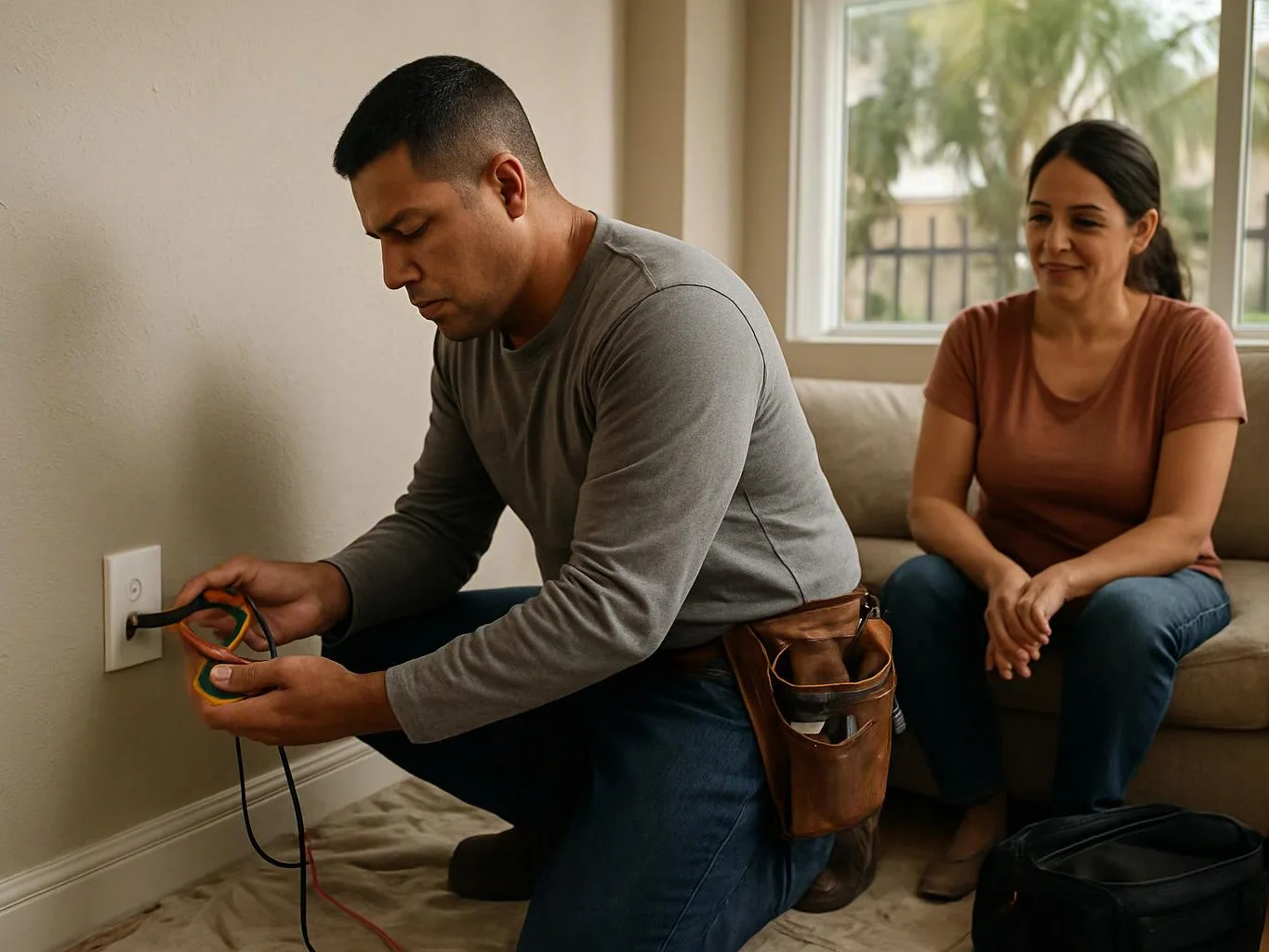
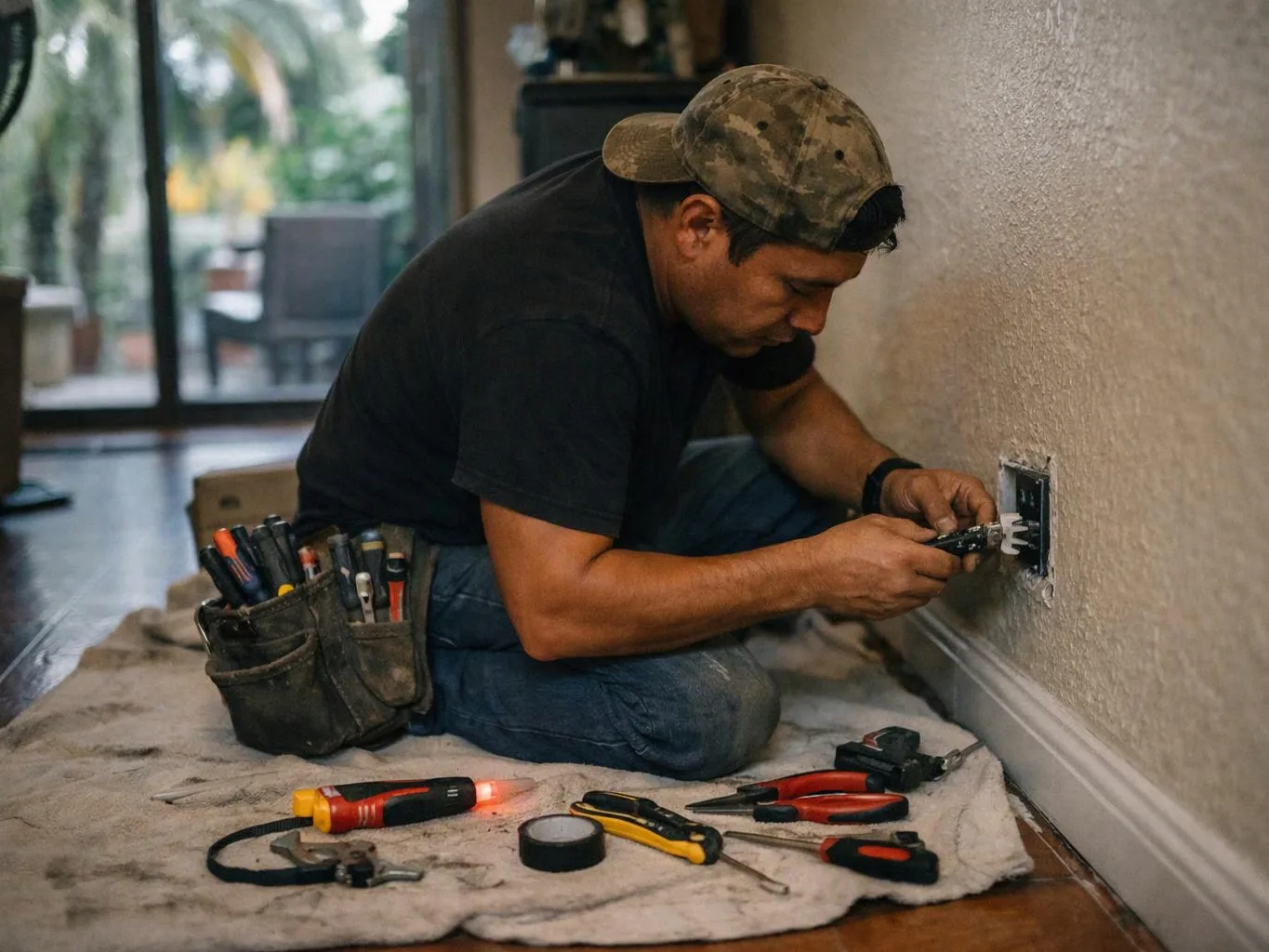
A kneeling electrician works on a wall outlet, surrounded by tools on a cloth-covered floor

Service Overview

Bidirectional EV home-backup integration is an electrical service that lets a compatible EV send stored power to selected building circuits.

  • It differs from EV charging installation because the work must review power flow from the vehicle back into the property.
  • Earth Electric provides this service for homes, businesses, and property managers in Cutler Bay.

What EV Home-Backup Integration Includes

Earth Electric provides comprehensive Bidirectional EV Home-Backup Integration in Cutler Bay. Here's what you get:

  • We review vehicle compatibility and the planned battery discharge limits.
  • We inspect the panel, grounding, wiring, and circuit protection tied to the backup plan.
  • We perform circuit tracing so the selected loads are clearly identified.
  • We check for overloaded circuits that could affect safe backup operation.
  • We review firmware errors and other vehicle-side issues that can block power flow.
  • We complete testing and verification after the electrical work.
Process

How We Complete EV Home-Backup Integration

1

Review the vehicle and battery limits

We identify the vehicle's bidirectional capability, battery controls, and firmware status. This establishes whether the planned backup function fits the vehicle.

2

Map the intended backup circuits

We trace the selected circuits and review the panel, breakers, grounding, and connected loads. The load calculation helps set a practical backup scope.

3

Inspect wiring and protection

We check conductors, terminations, circuit protection, and the path between charging equipment and the panel. Wiring faults are addressed before power transfer testing.

4

Test the completed connection

We test the connection and verify the selected circuits. We explain the result, the usable backup scope, and any work that still needs attention.

How We Approach EV Home-Backup Integration

Vehicle fit decides the first step

The vehicle and its battery controls must support two-way power flow. We check that fit before we set the electrical scope. A standard charging-only vehicle is the wrong fit for this service.

Circuit load shapes the backup plan

Large or stacked loads can exceed the planned circuit capacity. We trace the circuits and review panel demand so the selected backup loads have a defined path.

Wiring faults need direct testing

Loose connections, damaged conductors, or grounding problems can interrupt power flow. We inspect and test the affected wiring before completing the connection.

What This Backup Connection Changes

You get a defined list of circuits that the EV backup plan can support.

Early testing can expose vehicle or wiring limits before installation work expands.

Circuit mapping gives homeowners and property managers a clearer way to manage backup loads.

A checked grounding path supports safer power transfer between the vehicle and building.

The work can help separate an EV charging issue from a wider electrical fault.

Charging-Only and Bidirectional EV Connections

The main difference is the direction of power flow and the checks needed at the building panel.

Connection typePower directionMain electrical focus
Charging-only EV installationBuilding to vehicleCharger circuit, panel capacity, grounding, and protection
Bidirectional EV home backupBuilding to vehicle and vehicle to selected circuitsVehicle fit, battery controls, circuit mapping, wiring, grounding, and testing

The Earth Electric Standard

  • Residential Commercial Support
  • Diagnosis Before Repairs
  • Urgent Electrical Care
  • Safe Electrical Operation

Questions About EV Home-Backup Integration

Why can battery limits prevent an EV from supplying backup electricity?

Battery limits can prevent backup power when the vehicle cannot support the requested discharge level or connected load. We check the vehicle controls, battery status, firmware, and planned circuits. Earth Electric then explains whether the issue needs electrical work, vehicle-side service, or a smaller backup scope.

Which part of the property decides the backup integration scope?

The electrical panel and selected circuits decide most of the backup integration scope. We review panel capacity, breaker protection, grounding, circuit paths, and connected loads.

  • Panel capacity sets the available electrical path.
  • Circuit tracing identifies the intended loads.
  • Wiring checks reveal faults that need repair.

What material changes how long the electrical work takes?

Existing wiring condition changes the work time more than a single material choice. Copper conductors, aluminum wiring, damaged insulation, and older terminations need different checks. We inspect the actual conductors and connections before setting the work plan, so the estimate reflects the property rather than a generic installation.

How does an integration visit move from the first call to the last step?

The visit moves from vehicle review to circuit mapping, wiring checks, scope approval, and final testing.

  1. We review the vehicle and backup goal.
  2. We trace circuits and inspect the panel.
  3. We explain the estimate and required work.
  4. We test the completed connection and selected loads.

What does a firmware error mean for EV backup power?

A firmware error can block bidirectional power even when the charging connection works. We record the error, check the vehicle-side controls, and confirm the electrical system is ready for testing. The vehicle maker or its service channel may need to address software issues before electrical work can continue.

Which circuits should a property owner select for EV backup?

The selected circuits should match the owner's essential power needs and the available electrical capacity. We review the panel and connected loads before marking the backup circuits. High-demand equipment can change the plan, so we document the circuits that fit the tested scope.

When is a standard EV charging installation the better service?

A standard EV charging installation is the better service when the vehicle only needs power delivered to its battery. Bidirectional integration is for vehicles and properties that support power flowing back into selected circuits. We can review the requested function and identify the correct electrical scope.
Contact

Get a Free Estimate for EV Home-Backup Integration in Cutler Bay

Are battery limits or circuit faults blocking your backup plan? Request a free estimate from Earth Electric, and urgent requests get priority scheduling.

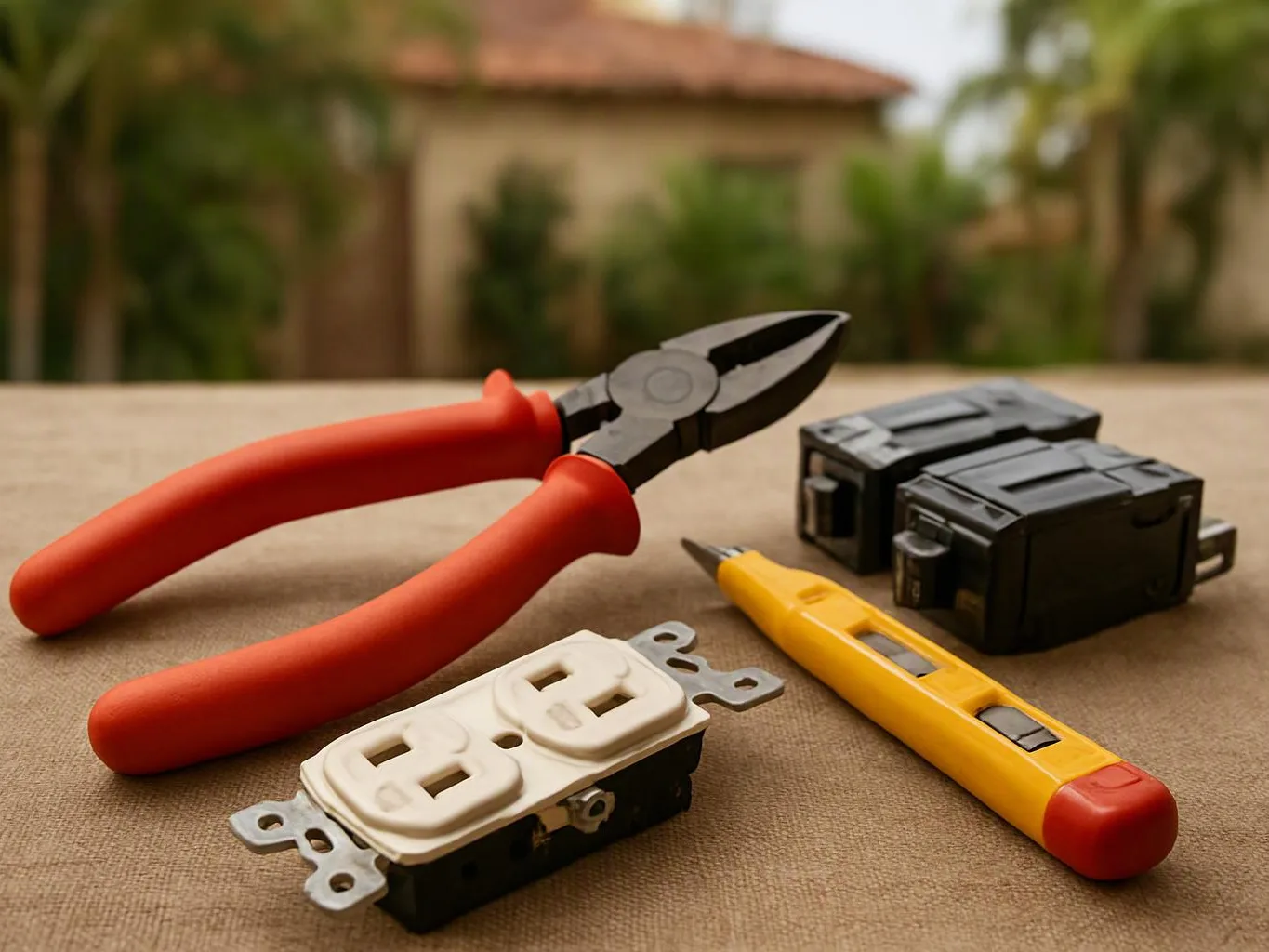
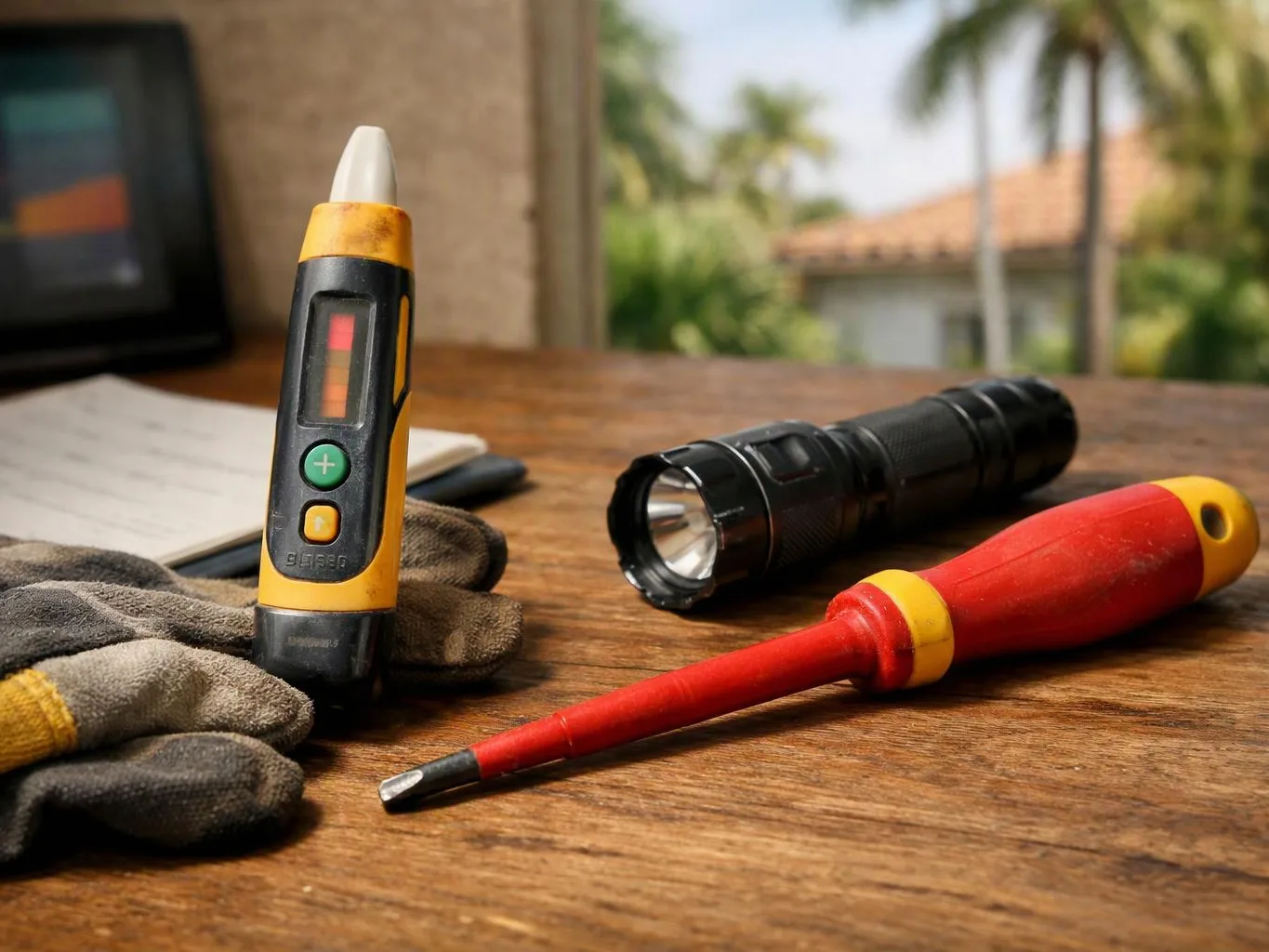
Gloved hands rest beside a voltage tester, flashlight, and screwdriver on a wooden table by a window

Bidirectional EV Home-Backup Integration in Other Areas

(786) 917-4169