How does carbon monoxide detector installation work?
Outlet placement sets the starting point for carbon monoxide detector installation. Earth Electric reviews the location, checks the power source, mounts the detector, connects hardwired or interconnect wiring when needed, and tests operation. The work may also include circuit tracing when the power source is unclear. We explain any separate wiring repair before adding it to the scope.
What does the crew look at first during detector installation?
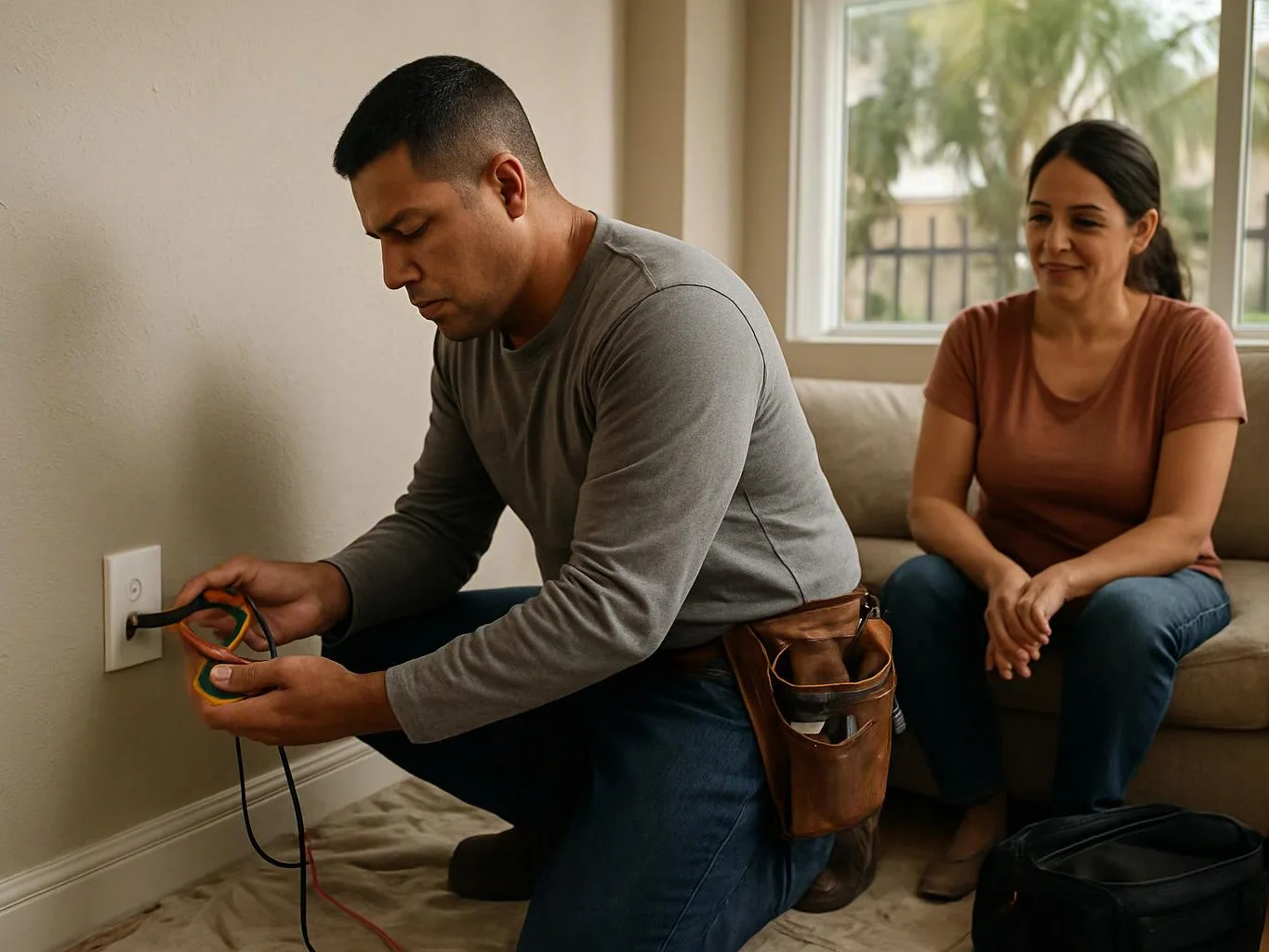
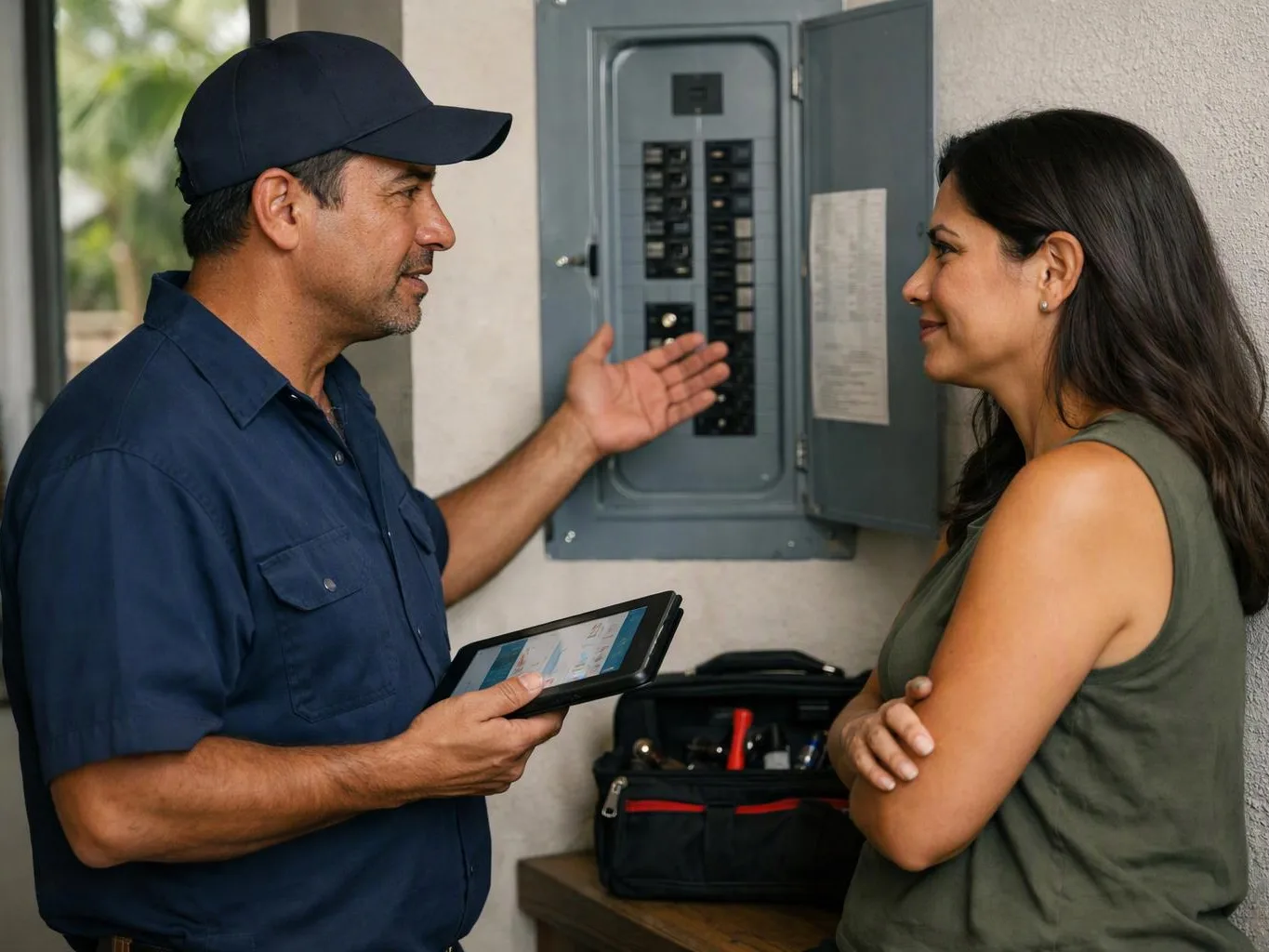
The power source is the first check during detector installation. We inspect outlet placement, wiring access, the mounting surface, and signs of loose or damaged connections. That review helps us decide whether the job needs mounting only, a hardwired connection, or related electrical repair. We then explain the recommended scope before installation begins.
Who is a good fit for this service, and who needs different work?
Homeowners, businesses, and property managers are good fits for detector installation. Earth Electric installs and tests the electrical parts of the work. An active carbon monoxide alarm, suspected gas leak, or appliance failure needs immediate safety action and separate diagnosis, not detector installation alone.
Which part of the job can change the quote?
The wiring path can change the quote when the detector needs a new hardwired connection or interconnect wiring. Access, the number of detectors, mounting surfaces, and related outlet repairs also affect the scope. We review those conditions and provide a free estimate before work starts.
When should I request a detector installation assessment?
A detector installation assessment makes sense when a property lacks a detector, an existing unit loses power, or a renovation changes the electrical layout. We check the mounting point and connection before recommending work. Request an assessment when you want the detector scope separated from broader electrical repairs.
Why does a hardwired detector lose power?
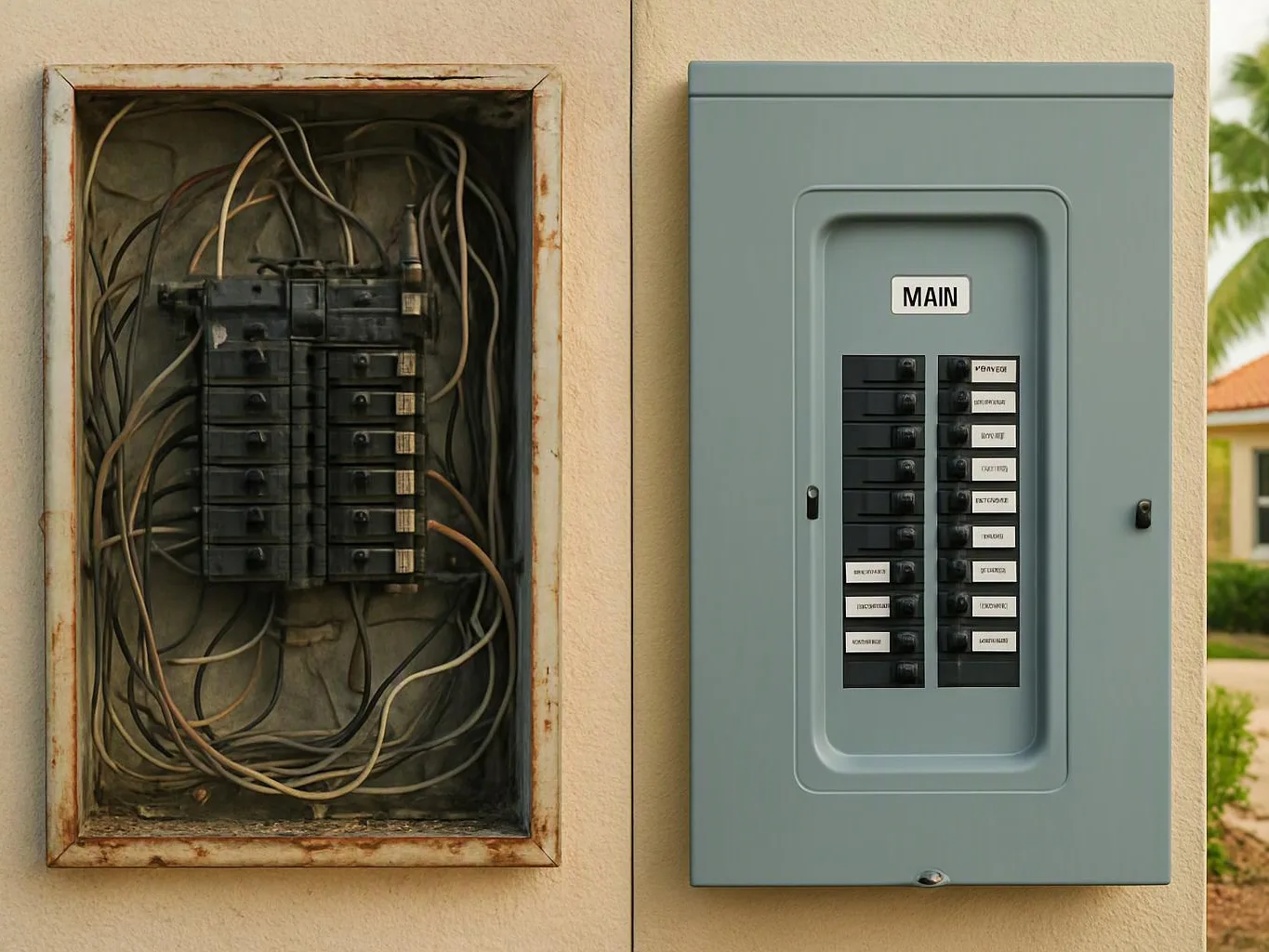
A hardwired detector can lose power because of a tripped breaker, loose connection, damaged cable, or a problem at the supply point. We inspect the circuit and test the connection before replacing the detector. If the issue reaches the panel or another circuit, we explain that added electrical scope.
What should I share before requesting an assessment in University Park?
The detector location, property type, visible warning, and access to the electrical panel help us review the request. Photos can show the mounting surface, outlet, or wiring condition. We use those details to prepare a focused assessment for a home, business, or managed property.