Where should an outdoor electrical outlet be installed?
Conduit fitting should follow a protected wiring route, and the outlet should sit where equipment can reach it without crossing walkways. Earth Electric installs the box on a suitable surface, fits the right cover, and checks GFCI protection. The final location also depends on access, circuit capacity, and how the outlet will be used.
How does an outlet installation visit move from the first call to the last step?
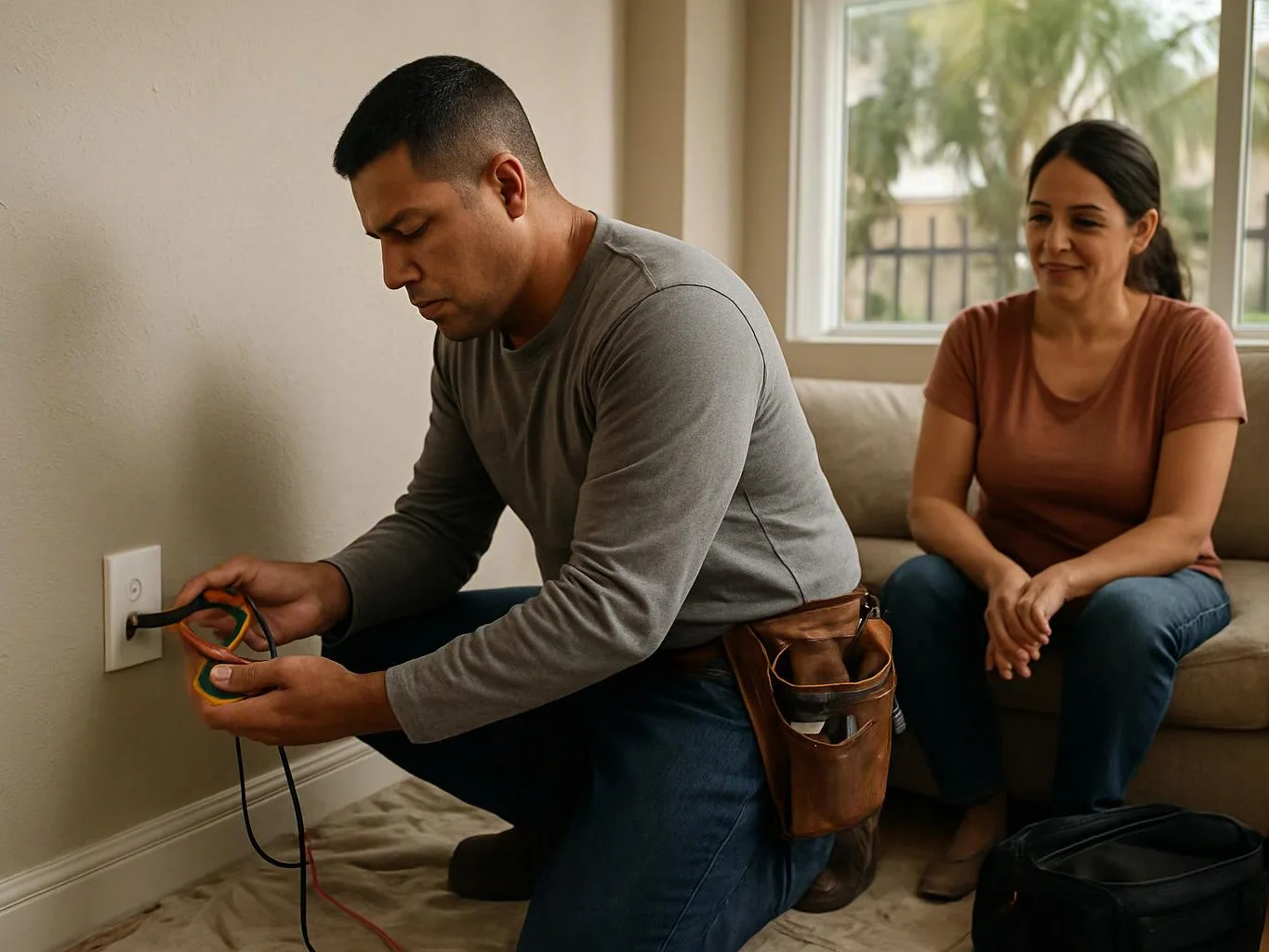
The visit moves from location review to circuit checks, installation, and testing. We first discuss the outlet's use and inspect access. Then we check the circuit, set the box, route wiring, fit the cover, and test the receptacle. Any panel or wiring issue that falls outside the outlet scope is explained before work continues.
Which material changes how long outdoor outlet installation takes?
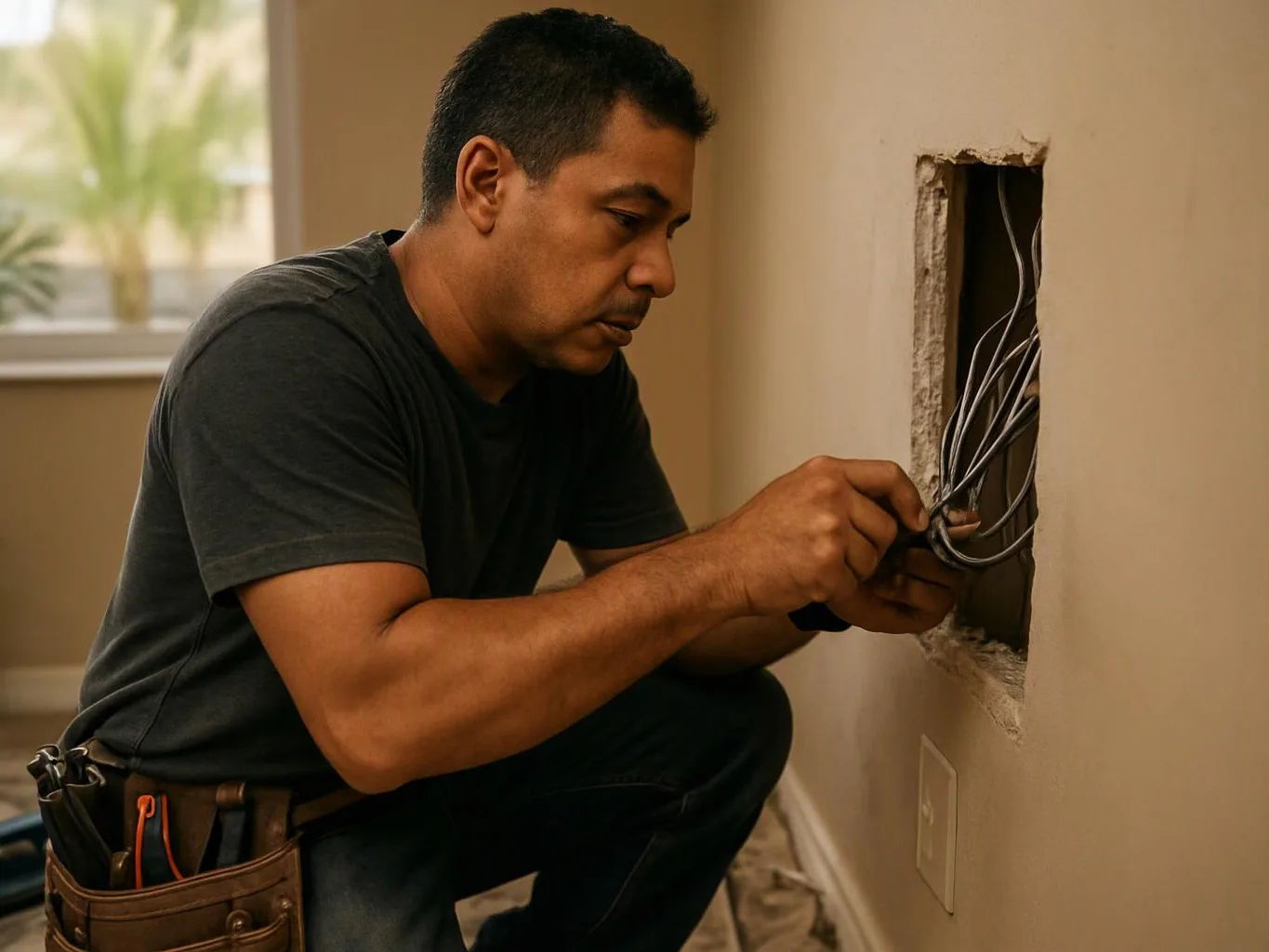
The wiring route and conduit material can change the work time because access and fitting needs differ. Surface-mounted conduit may require careful bends and supports, while concealed wiring requires a different access plan. The box, cover, circuit condition, and wall surface also affect the work. We review these parts before giving an estimate.
How can a customer tell whether outlet installation fits the property?
Outlet installation fits when the property needs power at a defined location and the serving circuit can support that use. A dead outlet, buzzing panel, burning smell, or repeated breaker trip points to troubleshooting first. We inspect the outlet, circuit, and panel so the work matches the actual fault.
What should I do before requesting an outdoor outlet assessment?
Keep the area accessible and note what equipment will use the outlet. Photos of the receptacle, cover, breaker panel, and wiring route can help explain the issue. Don't reset a breaker repeatedly if the outlet sparks, smells hot, or trips again. We use those details to plan the inspection and quote.
When does a new outlet need GFCI protection?
GFCI protection is needed when the outlet location and circuit require protection from electrical shock risk. We check the receptacle, grounding, circuit path, and protective device during the visit. A tripping GFCI can point to moisture, damaged wiring, or faulty equipment, so repeated resets should stop until the cause is checked.
What makes an outdoor cover different from an indoor cover?
An outdoor cover protects the receptacle enclosure from exposure that an indoor cover isn't designed to handle. A weatherproof cover protects an unused outlet, while an in-use cover protects the receptacle while a plug remains connected. We match the cover to the outlet position and intended use.