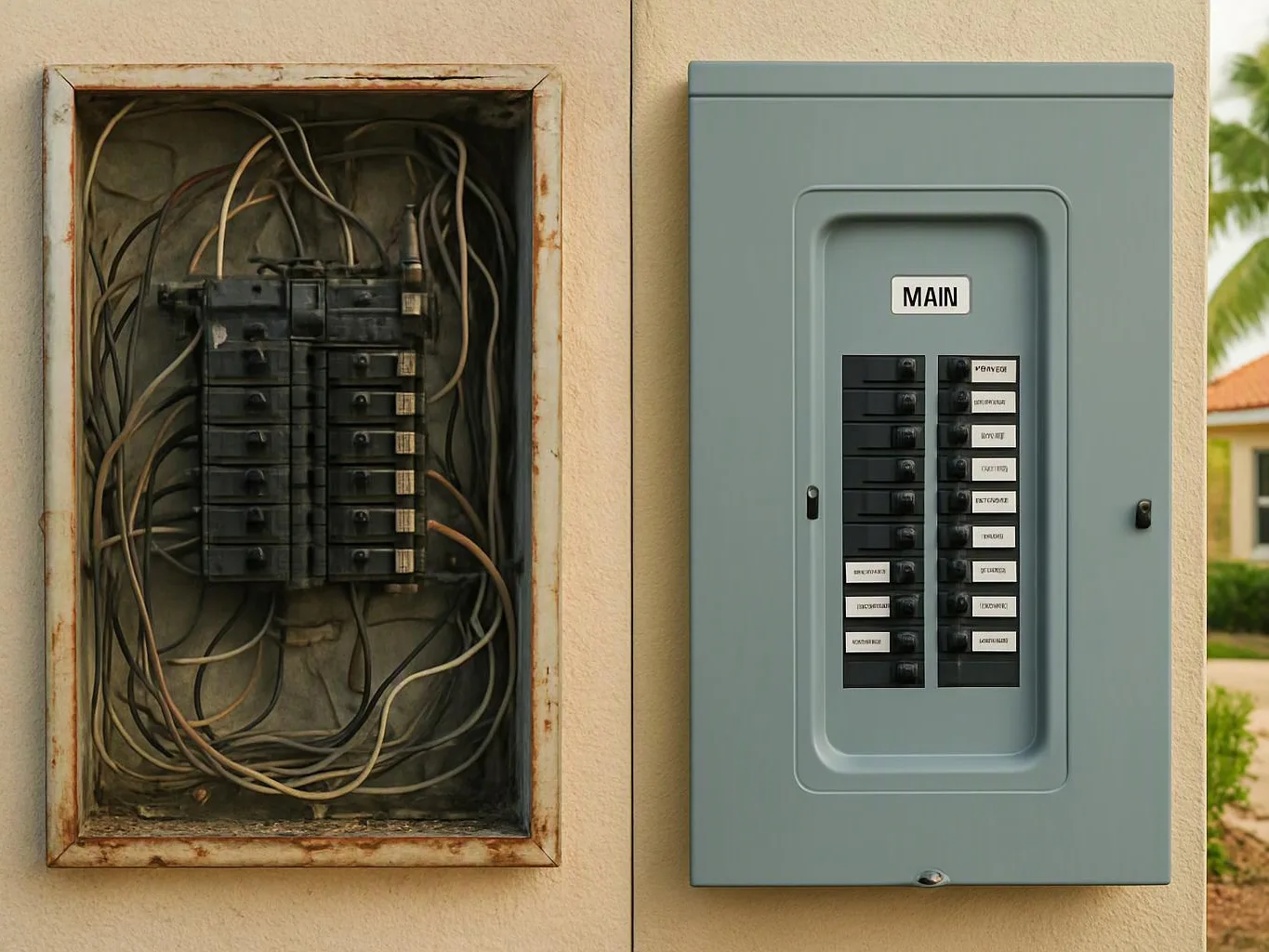
What type of outlet should be installed for each room?
Tamper-resistant outlets suit child-accessible rooms, GFCI outlets suit areas exposed to moisture, and weather-resistant outlets suit suitable exterior locations. Earth Electric also checks whether AFCI protection applies to the circuit. Room use, connected equipment, wiring, and grounding decide the final selection. We explain the choice before installation.
How does an outlet installation visit move from the first call to the last step?
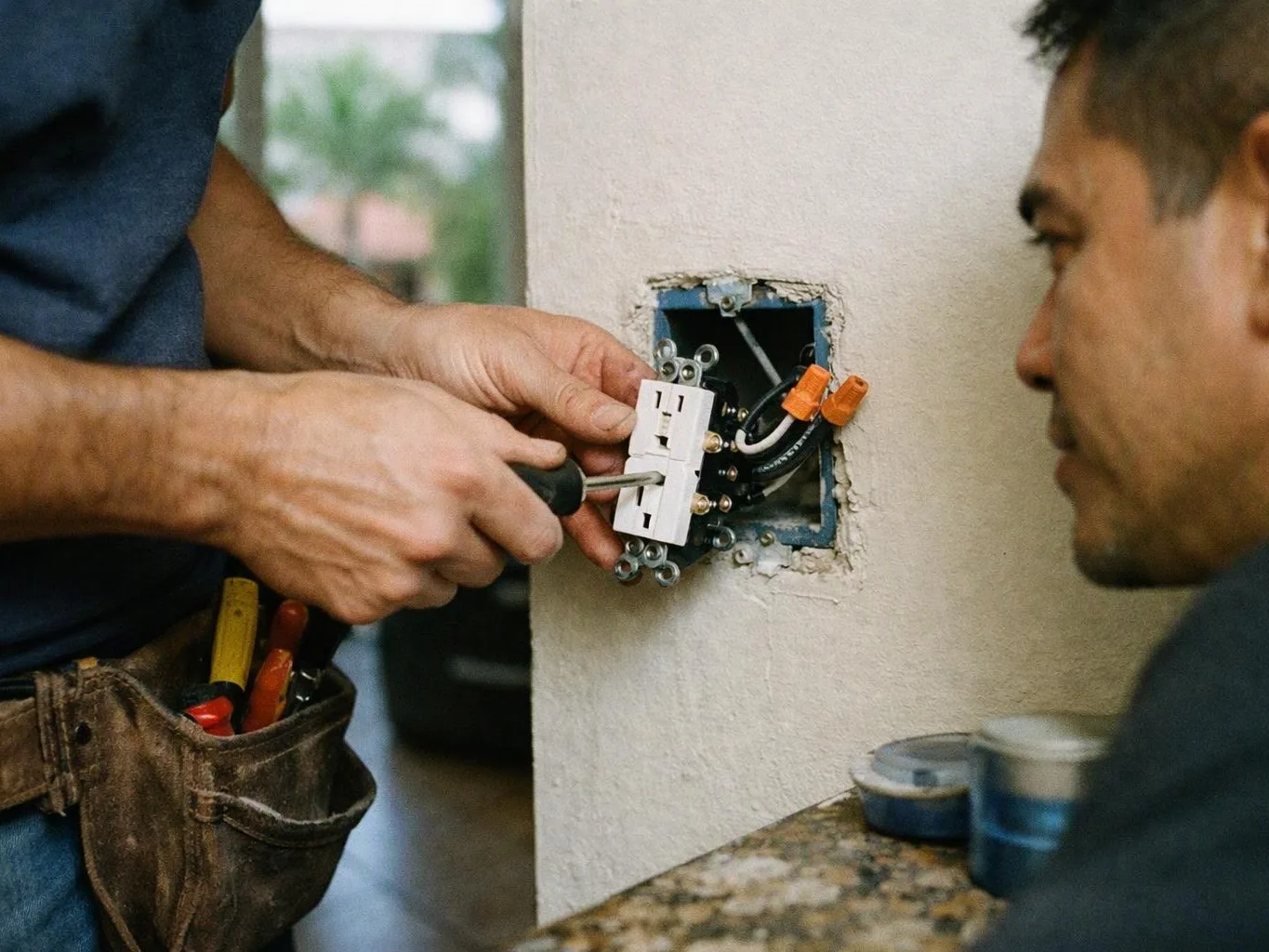
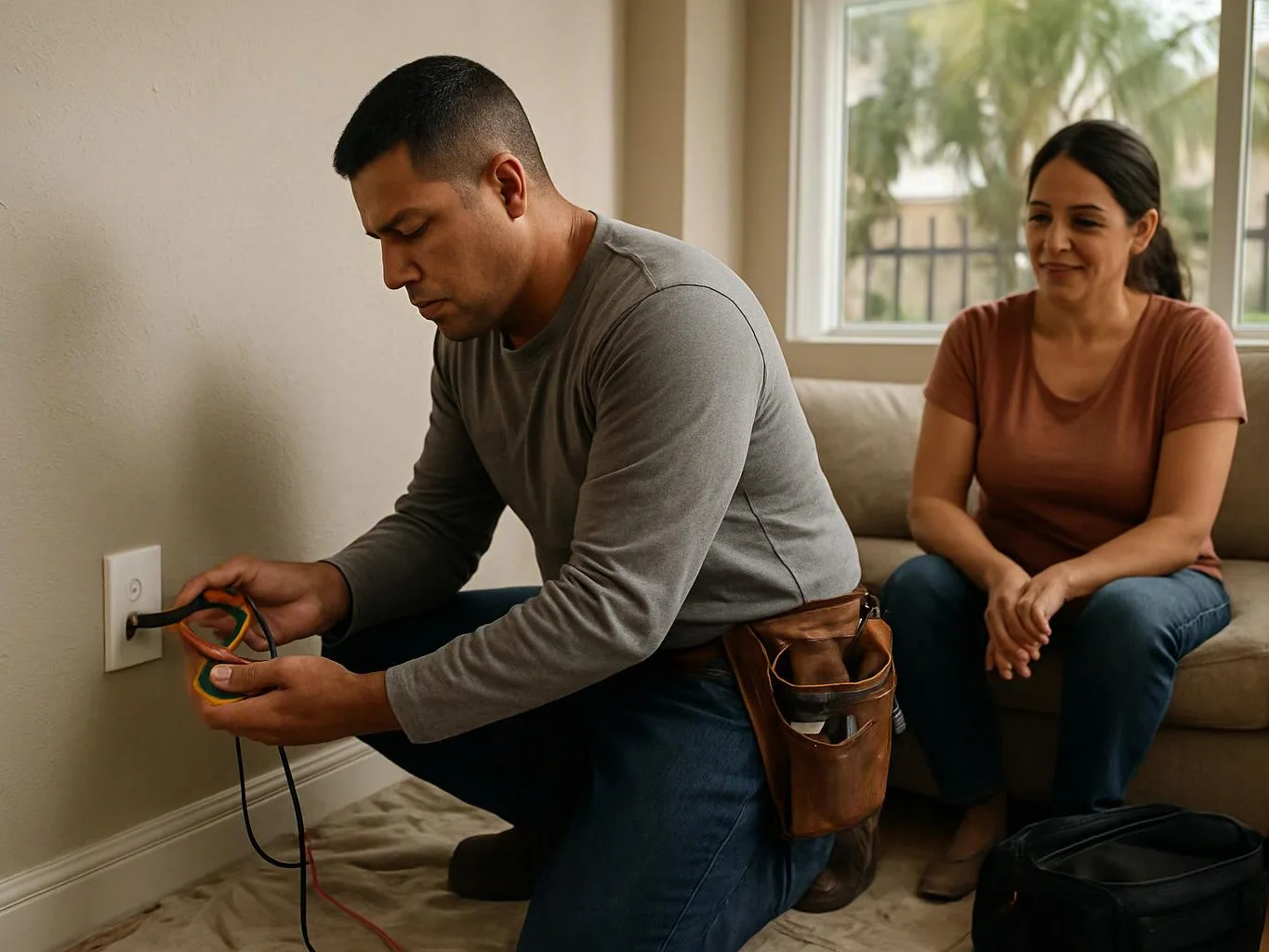
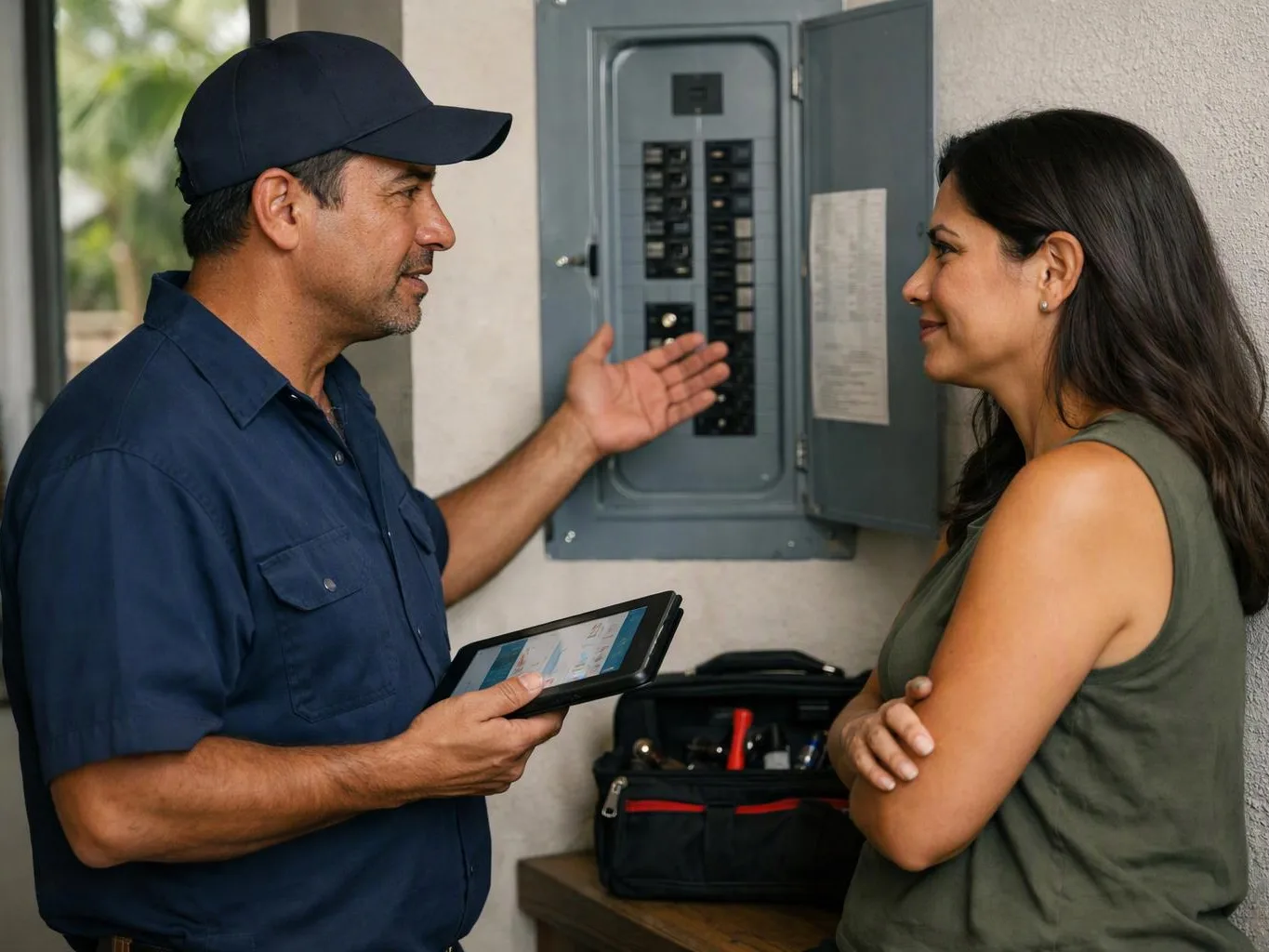
The visit moves from room review to circuit checks, outlet selection, installation, and testing. We first inspect the receptacle, box, wiring, and grounding. Circuit tracing identifies the breaker and helps isolate power. After fitting the outlet, we test polarity, grounding, operation, and protective-device function before discussing related repairs.
What makes an outlet installation fit a property?
Property fit depends on the room, outlet location, circuit capacity, box condition, and wiring method. Homes, offices, retail spaces, and managed properties can have different access and equipment needs. We check the existing circuit before recommending a receptacle. A panel upgrade or rewiring service may be needed when the circuit cannot support the planned use.
Which part of the property decides the outlet installation scope?
The outlet location and the circuit supplying it decide most of the installation scope. Kitchen, bathroom, garage, exterior, bedroom, and office locations can call for different protection. We inspect the wall box, conductor condition, grounding, breaker, and nearby receptacles. Those findings determine whether the job is an outlet replacement or a broader repair.
When should a dead outlet lead to more than outlet replacement?
A dead outlet needs broader diagnosis when the breaker keeps tripping, nearby outlets also fail, or the receptacle shows heat damage. We trace the circuit and inspect the panel, box, and conductors. The fault may involve a loose connection, failed protective device, damaged wiring, or insufficient circuit capacity. We explain the repair scope before proceeding.
Why does a new outlet need GFCI or AFCI protection?
GFCI protection helps reduce ground-fault risk, while AFCI protection helps detect certain arc-fault conditions. We select the protection based on the room, circuit, equipment, and installation requirements. The receptacle alone does not correct damaged wiring or poor grounding. Testing confirms that the selected protection operates after installation.
How should I prepare for an outlet assessment?
Access to the outlet and electrical panel helps us inspect and trace the circuit. Clear the area around the receptacle, note any breaker trips, and identify the equipment that will use it. Photos can help describe visible damage, but they do not replace testing. We use the site findings to set the safe work scope.