Skip to content

Electrical Safety Inspection in Country Club, Florida

Loose connections need inspection before they become a fire concern in Country Club. We check wiring, panels, circuits, and outlets for unsafe conditions.

Licensed & InsuredFree EstimatesWarranty AvailableSame-Day Service

Quick Summary: electrical safety checks in Country Club, Florida

Electrical Safety Inspection in Country Club is provided by Earth Electric for homes, businesses, and property managers. The service checks panels, wiring, circuits, outlets, and grounding, with electrical services available throughout Miami and surrounding communities.

  • What we do: Earth Electric provides Electrical Safety Inspection for homes, businesses, and property managers in Country Club, Florida.
  • What is included: We inspect panels, circuit breakers, wiring, outlets, switches, grounding, and surge protection.
  • What you get: You receive a clear finding about electrical safety and the repairs or follow-up work that the property needs.

Why do loose connections keep causing electrical warning signs?

Loose connections create heat and unstable power at terminals, outlets, panels, or switches. An inspection traces the affected circuit, checks for heat damage, and identifies related arc faults or overloaded circuits. Turn off power to a visibly damaged device and request an assessment when you notice burning smells, buzzing, sparking, or repeated breaker trips.

Electrical safety inspection for Country Club properties

This service helps property owners decide whether an electrical problem needs repair, replacement, or closer review. We inspect the parts that carry and control power, then connect visible symptoms to the circuit behind them.

Loose connections receive close attention because heat can build at a terminal without an obvious outage. We also check for overheated wiring, arc faults, overloaded circuits, damaged insulation, dead outlets, and warm switch plates.

The inspection is a decision point. It can support repair planning after flickering lights, a breaker that keeps tripping, or a burning smell, but it doesn't replace emergency repair when an active hazard needs immediate isolation.

  • Check the electrical panel for heat marks, damaged breakers, buzzing, and poor terminal contact.
  • Trace circuits linked to flickering lights, dead outlets, or repeated breaker trips.
  • Look for overheated wiring, damaged insulation, arc-fault signs, and overloaded circuits.
  • Test outlets, switches, grounding paths, and visible connections.
  • Explain which findings call for repair, replacement, or further diagnosis.
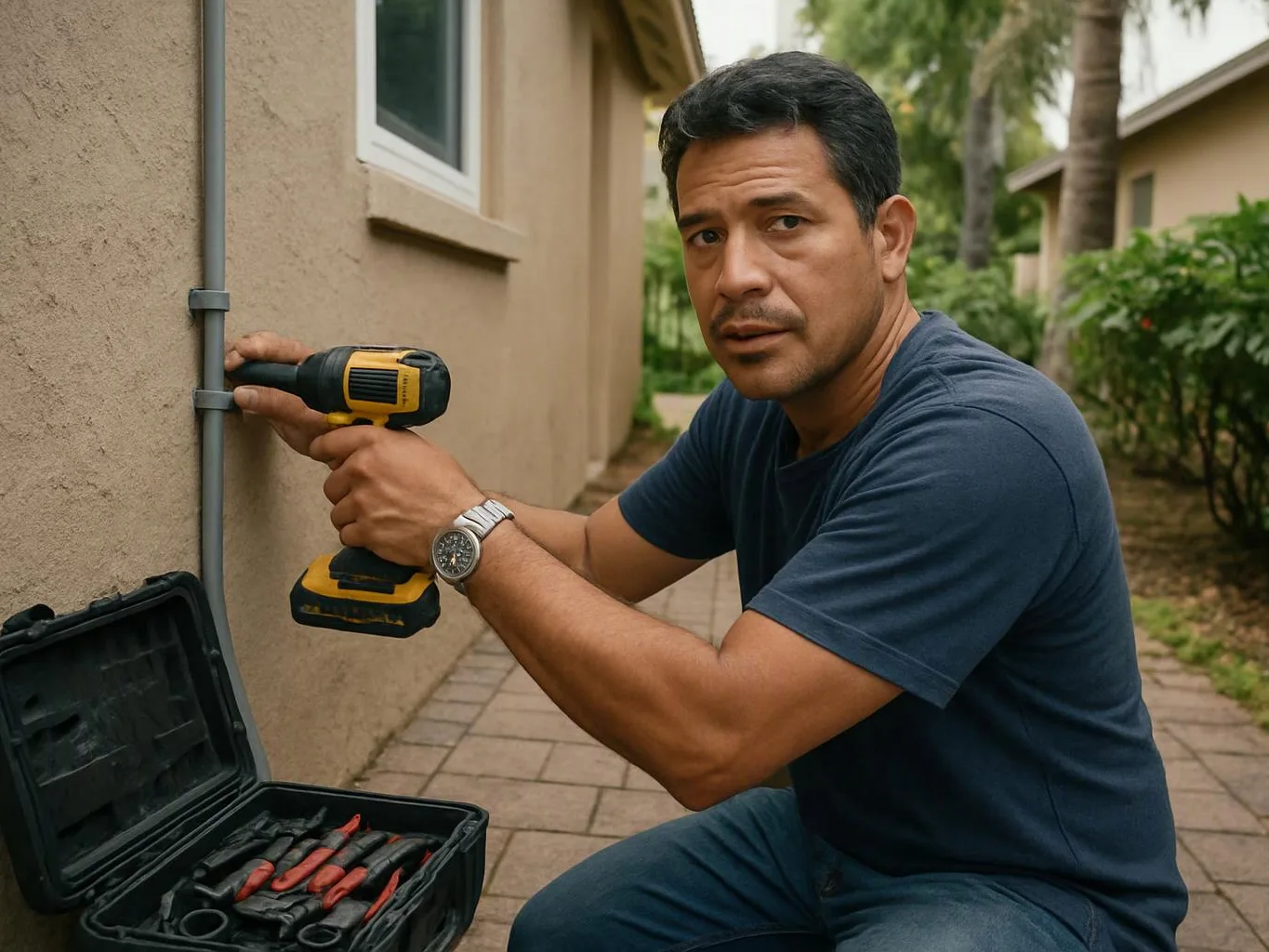
A man kneels outdoors beside a stucco wall, using a cordless drill near a metal conduit with an open tool case nearby

Service Overview

Electrical safety inspection is a planned check that finds unsafe wiring, damaged parts, poor connections, and circuit problems.

  • An inspection identifies hazards and repair needs, while troubleshooting focuses on finding the source of a current fault.
  • Earth Electric provides this coverage for homes, businesses, and property managers in Country Club.

What the electrical safety check includes

Earth Electric provides comprehensive Electrical Safety Inspection in Country Club. Here's what you get:

  • We inspect the main panel, circuit breakers, and visible wiring for damage or unsafe contact.
  • We trace circuits connected to flickering lights, dead outlets, or repeated breaker trips.
  • We check outlets, switches, grounding points, and visible junctions for signs of heat or poor connection.
  • We look for overloaded circuits and wiring that shows heat damage or insulation wear.
  • We explain findings and identify the repair or installation work that may follow.

What safer electrical findings help you decide

You get a clearer reason for symptoms such as flickering lights or repeated breaker trips.

Early identification of heat at a terminal can help you address a fire risk before damage spreads.

A circuit review helps separate a repair need from a panel upgrade or added circuit need.

Property managers can use documented findings to plan access, repairs, and tenant communication.

The inspection gives you a practical basis for requesting a quote for follow-up work.

Process

How we complete the electrical safety check

1

Review the warning signs

We discuss flickering lights, buzzing, warm plates, sparking, burning smells, dead outlets, and repeated breaker trips.

2

Inspect the panel and connections

We examine breakers, terminals, visible wiring, grounding, and signs of heat or damaged insulation.

3

Trace the affected circuit

Circuit tracing follows the problem through outlets, switches, junctions, and connected loads.

4

Test and verify the findings

We test the affected parts and compare the results with the condition seen during the inspection.

5

Explain repair scope

We identify the needed repair, replacement, panel work, or added diagnosis and explain how to request a quote.

When this service is the right fit

A property with flickering lights and a breaker that keeps tripping may have a loose terminal, an overloaded circuit, or damaged wiring. We isolate the affected circuit, inspect the panel and connected devices, and test the wiring before setting repair scope. Permitted work is handled as code-compliant electrical work when the repair requires it.

What this inspection helps you decide

Trace the source of the warning sign

Circuit tracing links a symptom to its source, such as a loose terminal, damaged outlet, or overloaded branch circuit. We explain the finding in plain terms.

Separate inspection from repair

The inspection identifies unsafe conditions and repair scope. We can provide electrical repairs, panel upgrades, rewiring, and related installations when the property needs follow-up work.

Know when another service fits

An inspection is the wrong first job when smoke, active sparking, or a strong burning smell needs immediate emergency repair. We handle urgent electrical problems and explain the safest next step.

Inspection findings and the next electrical service

These findings point to different next steps after the inspection.

FindingWhat it may indicateLikely next step
Loose connectionHeat or unstable power at a terminalRepair or replacement of the affected connection
Overloaded circuitConnected demand exceeds circuit capacityLoad review, circuit changes, or panel work
Arc-fault signDamaged insulation, poor contact, or faulting equipmentCircuit isolation and targeted electrical repair

The Earth Electric Standard

  • Residential Commercial Support
  • Diagnosis Before Repairs
  • Urgent Electrical Care
  • Safe Electrical Operation

Questions about electrical safety checks

How can an electrical inspection identify fire hazards?

Loose connections can create heat that an inspection identifies through visual checks, testing, and circuit tracing. We look for heat marks, damaged insulation, buzzing, arc-fault signs, and poor terminal contact. The inspection also checks whether an overloaded circuit or damaged breaker is adding risk. We explain which condition needs repair first.

Which part of the property decides the inspection scope?

The affected circuit and the condition of its panel, wiring, outlets, switches, and connected loads decide the inspection scope. A single symptom may require tracing beyond the device where it appears. Access to the panel and affected rooms helps us test the full circuit and separate one damaged part from a wider problem.

What material changes how long the inspection takes?

Aluminum wiring can require closer review because its connections and terminations need specific attention. We check the wiring type, terminal condition, heat marks, and related devices before setting the work scope. Older wiring methods, damaged insulation, and limited access can also add diagnostic steps.

When should I request an inspection after a breaker trips?

Request an inspection when a breaker trips repeatedly, especially with flickering lights, buzzing, heat, or a burning smell. Repeated trips can point to an overloaded circuit, damaged wiring, or a failing breaker. Leave the circuit off if the warning continues and tell us what was running when the trip occurred.

Why does a panel buzz during normal use?

A buzzing panel can signal vibration, a poor connection, a failing breaker, or another electrical fault. We inspect the panel, breaker seating, terminals, wiring, and connected load to identify the source. Do not remove the panel cover or touch the equipment. Turn off the affected circuit when it is safe to do so.

How does an inspection visit move from the first call to the last step?

The visit moves from symptom review to visual inspection, circuit tracing, testing, and repair-scope discussion. We start with the warning signs and affected area, then inspect the panel and connected parts. The final step explains the findings and the work needed, including whether a quote should cover repair, replacement, or further diagnosis.

Which warning signs need urgent electrical attention?

Burning smells, sparking outlets, smoke, a buzzing panel, and hot switch plates need urgent electrical attention. These signs can indicate heat, damaged wiring, or an active fault. Stop using the affected device or circuit when safe, keep clear of damaged parts, and request emergency electrical service.
Contact

Request an Electrical Safety Inspection Estimate

Get a clear finding on your property's electrical safety, and urgent requests get priority scheduling.

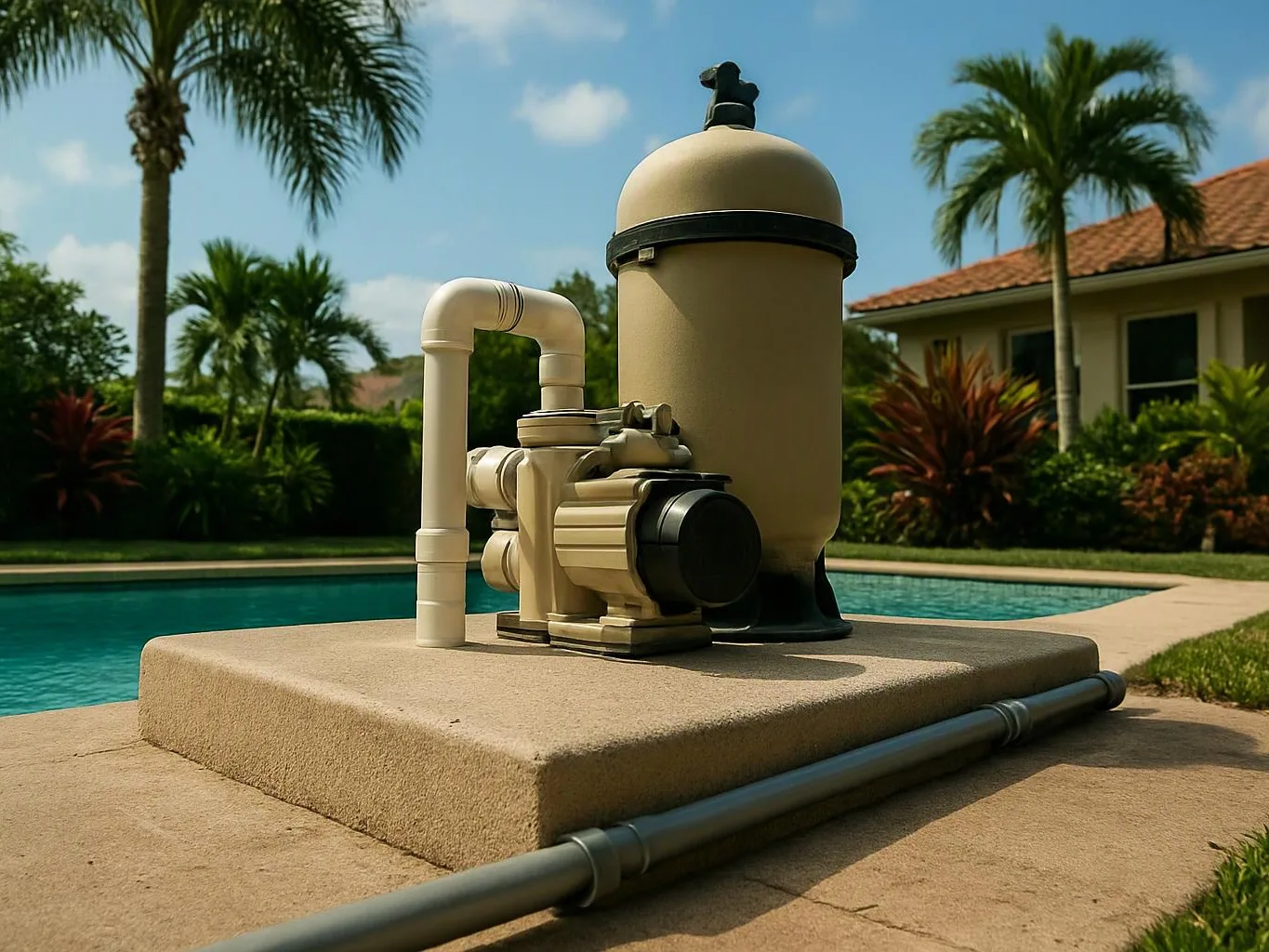
A beige pool pump and filter sit on a concrete pad beside a backyard swimming pool and palm trees
(786) 917-4169