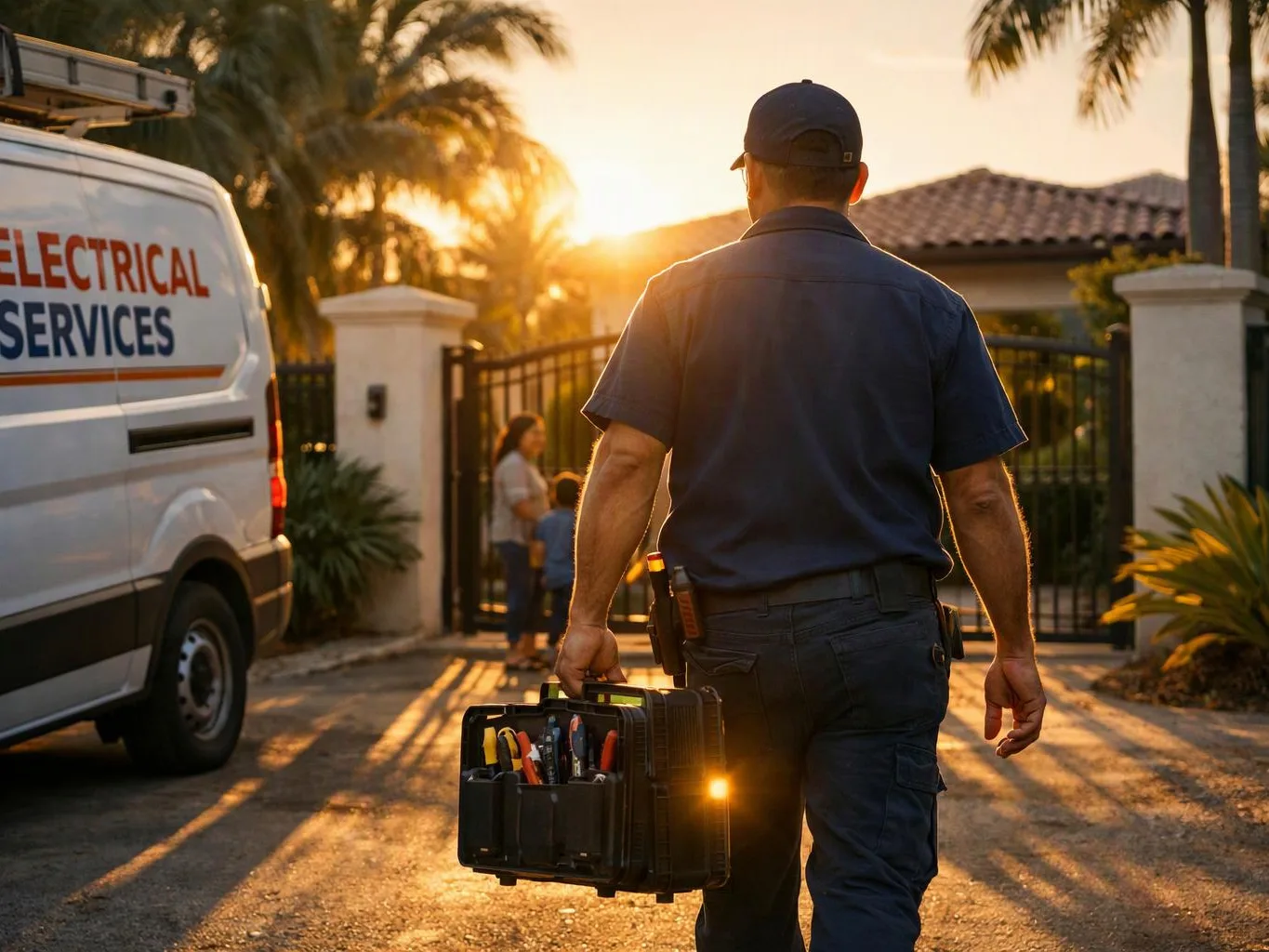
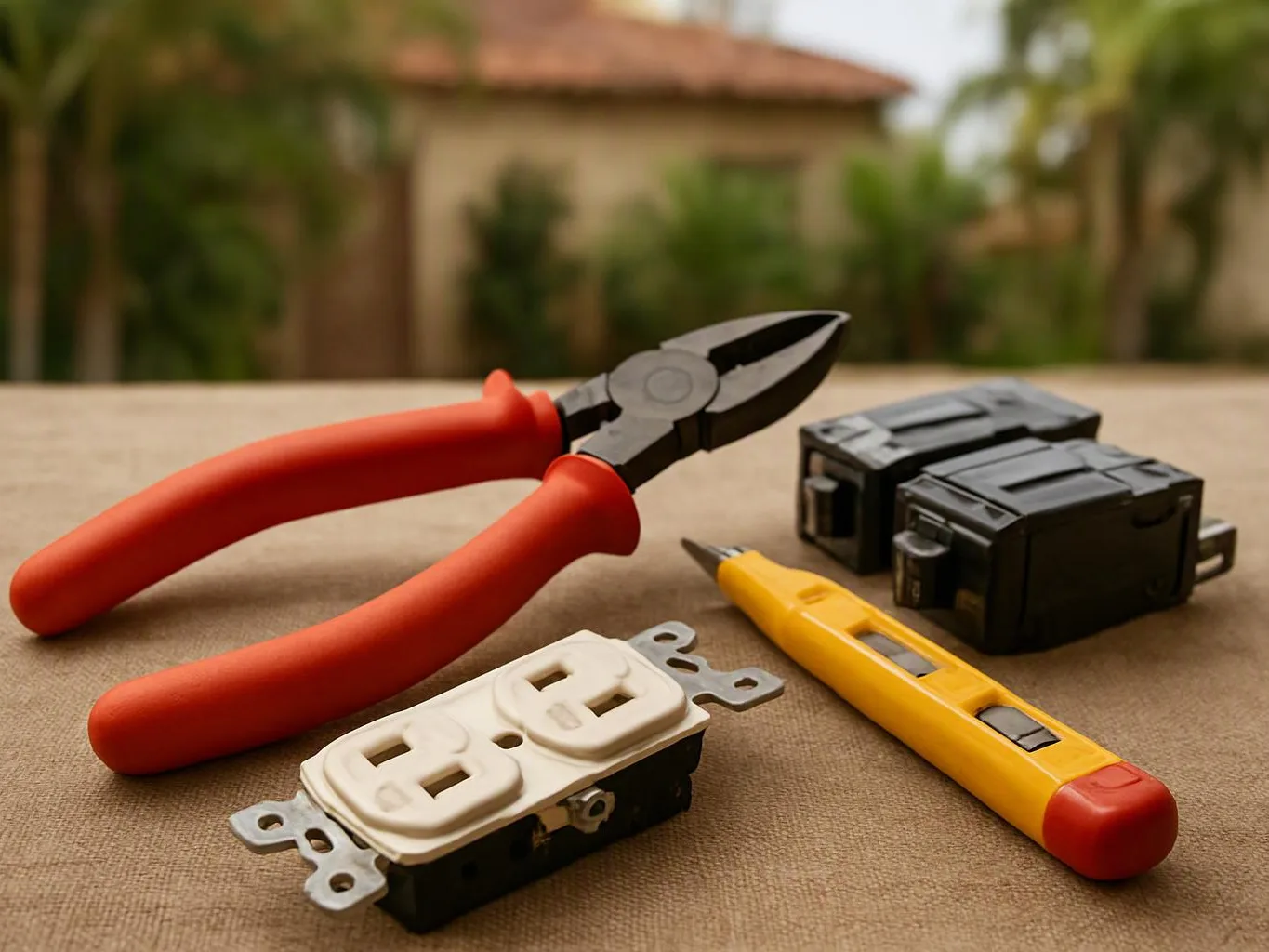
What electrical safety issues should homeowners watch for?
Warm switches can signal a loose connection, damaged switch, overloaded circuit, or wiring fault. We inspect the switch, box, circuit, and panel path to identify the cause. Flickering lights, burning smells, buzzing, sparks, and repeated breaker trips also need attention. Stop using the affected area when heat or odor appears, and request an inspection.
How does an inspection visit move from the first call to the last step?
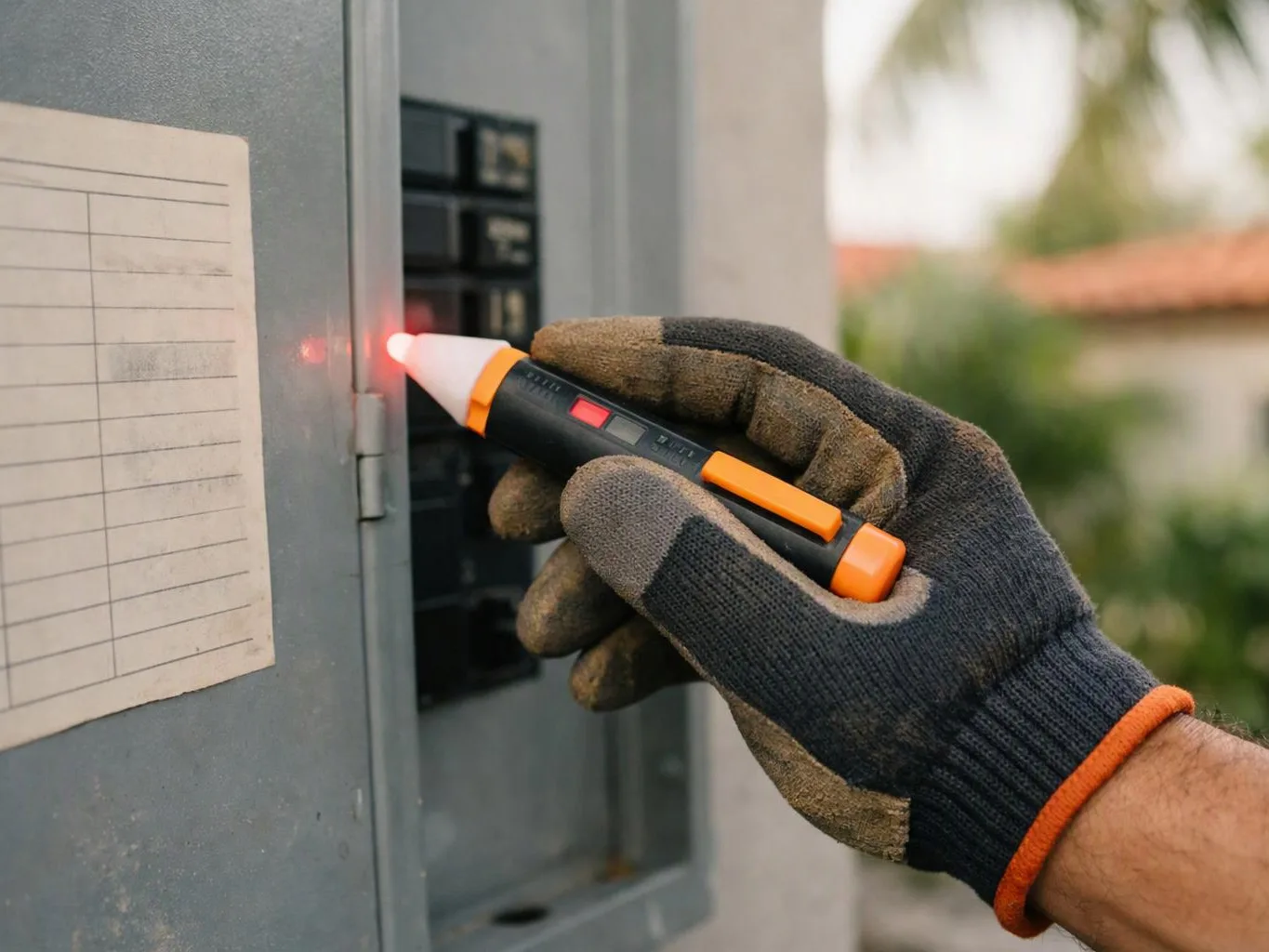
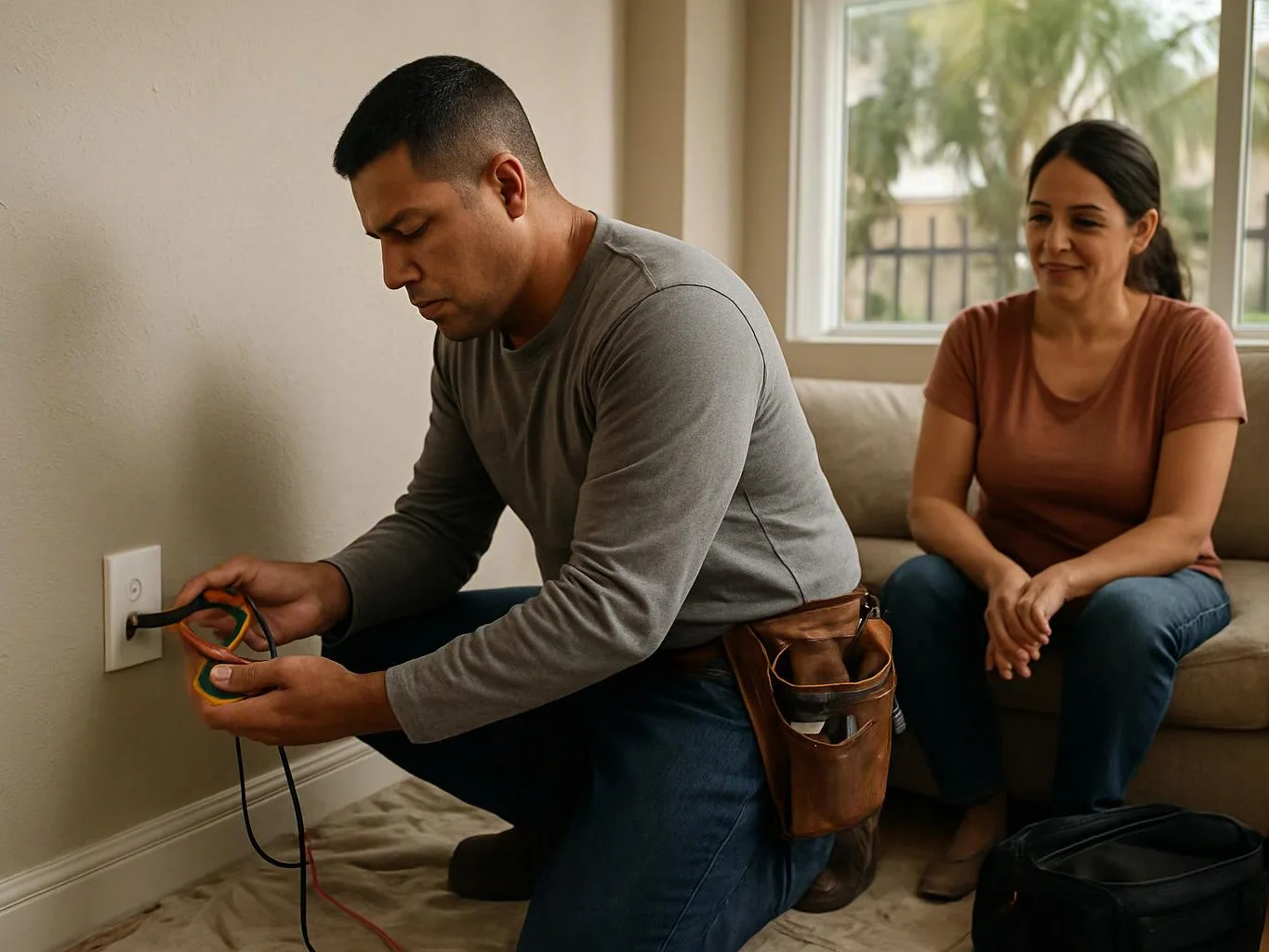
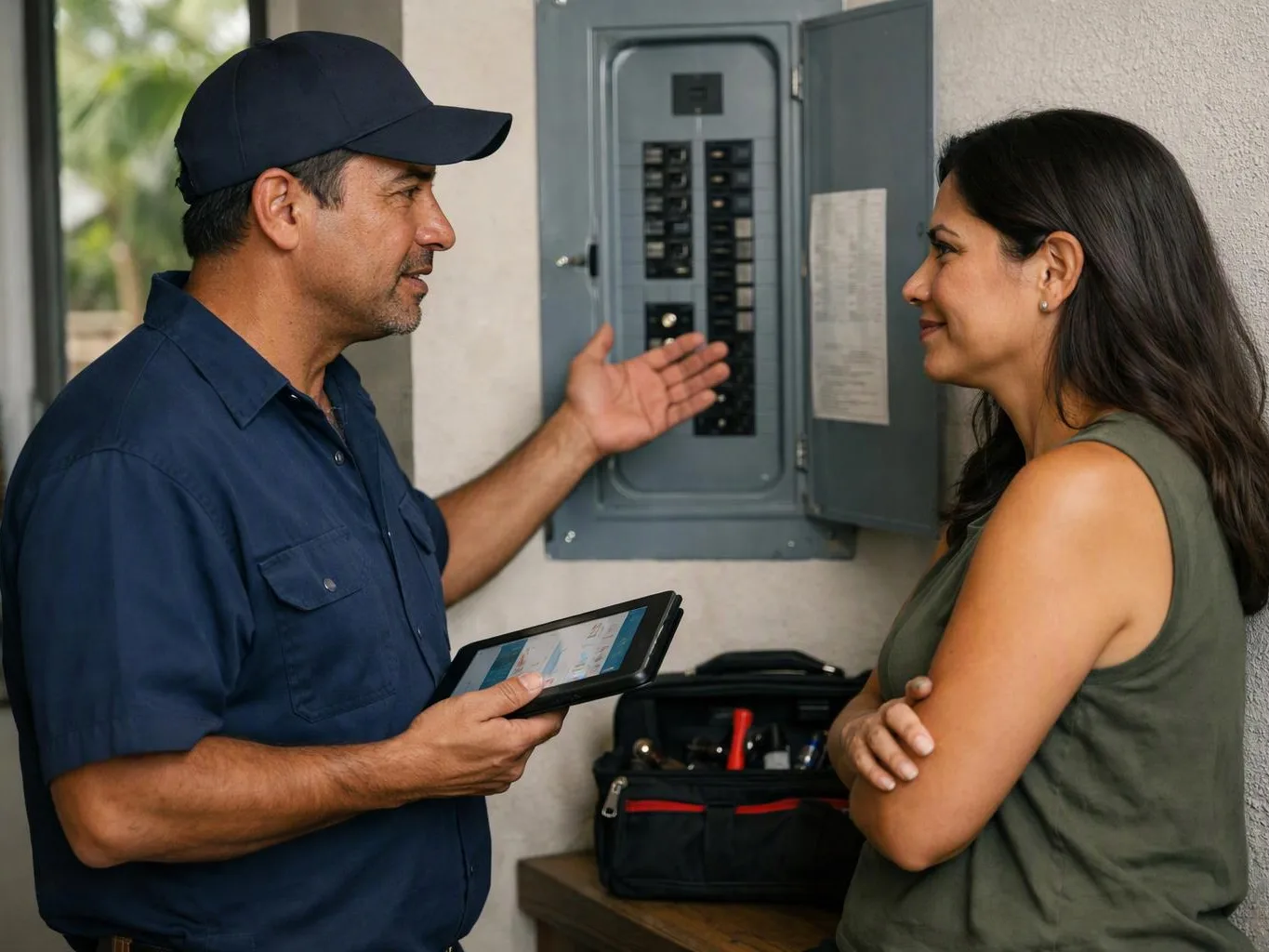
The visit moves from symptom review to circuit inspection, testing, findings, and a repair decision. We first discuss the warning signs and affected areas. Next, we inspect the panel and trace the circuit. Testing supports the finding, and we explain whether adjustment, replacement, repair, or added electrical work fits the property.
How can a customer tell whether an electrical safety inspection fits the property?
An electrical safety inspection fits when warning signs, planned work, or uncertainty about electrical condition calls for a broader review. The service suits homes, businesses, and managed properties. We inspect the electrical system and explain the next scope. A known failed part may need direct repair or replacement instead.
Which part of the property decides the inspection scope?
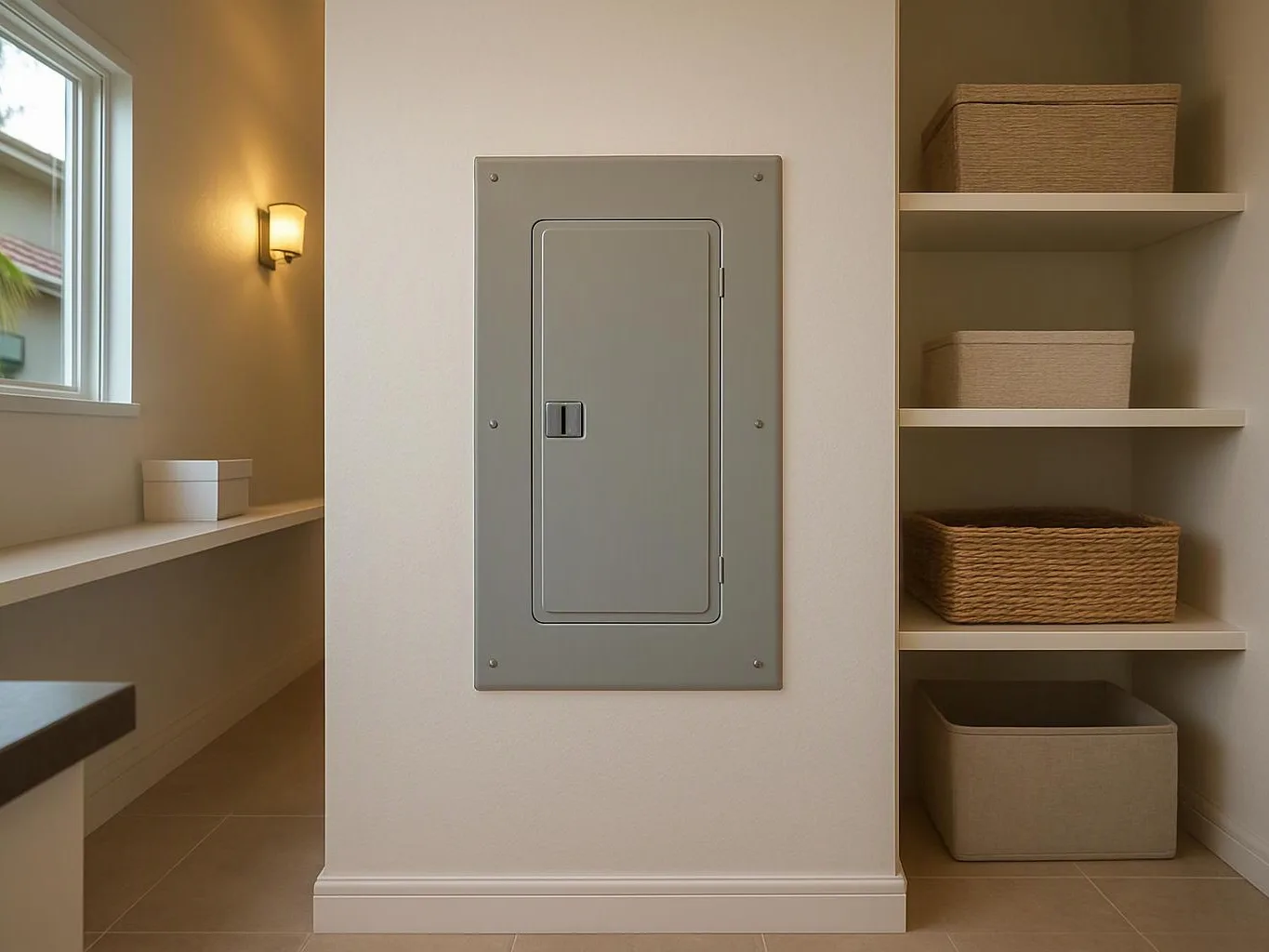
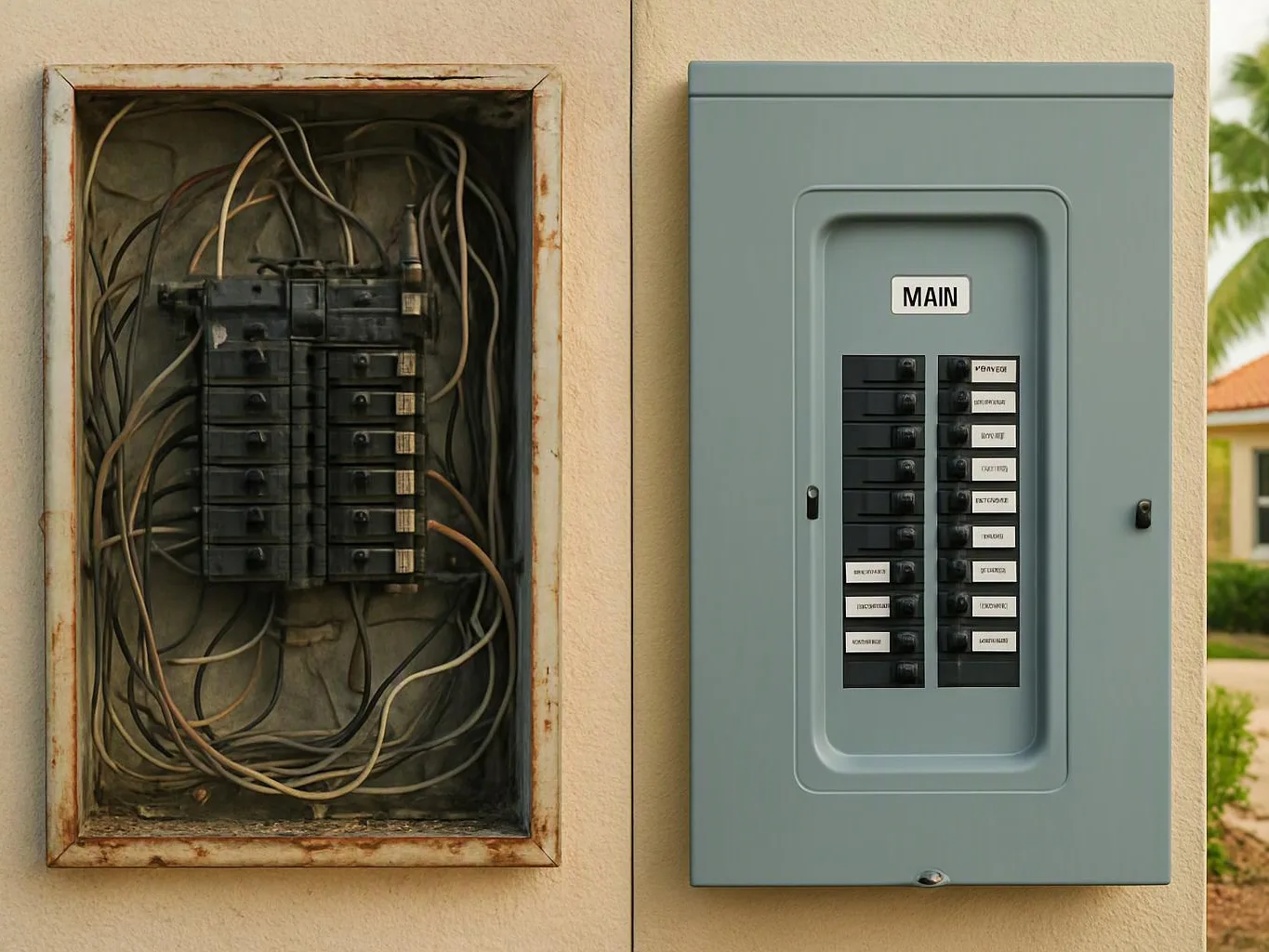
The affected circuit and accessible electrical equipment decide the inspection scope. Panel condition, breaker behavior, wiring access, connected loads, outlets, switches, and lighting all guide the review. Property managers should arrange access to electrical rooms and occupied areas before the visit so we can trace the suspected circuit.
When should repeated breaker trips become an urgent concern?
Repeated breaker trips become urgent when they occur with heat, burning odor, buzzing, sparks, smoke, or visible damage. We inspect the breaker, connected load, wiring, and panel path to find the fault. Keep the affected circuit off when safe to do so, and avoid repeated resets until we assess it.
What information should I share when requesting this inspection?
The most useful details are the warning sign, affected room, equipment in use, breaker behavior, and any odor or heat. Photos of the panel or damaged device can help if they can be taken safely. Do not remove covers or touch damaged wiring. We use these details to discuss access and inspection scope.
Does a panel upgrade or rewiring project need a different service scope?
Yes, a panel upgrade or rewiring project needs a repair or installation scope beyond a safety inspection. The inspection can identify conditions that affect that work, such as load concerns, damaged wiring, grounding issues, or circuit capacity. Earth Electric can explain the needed electrical work and code-compliant permitted process.