Can a damaged outlet be replaced safely?
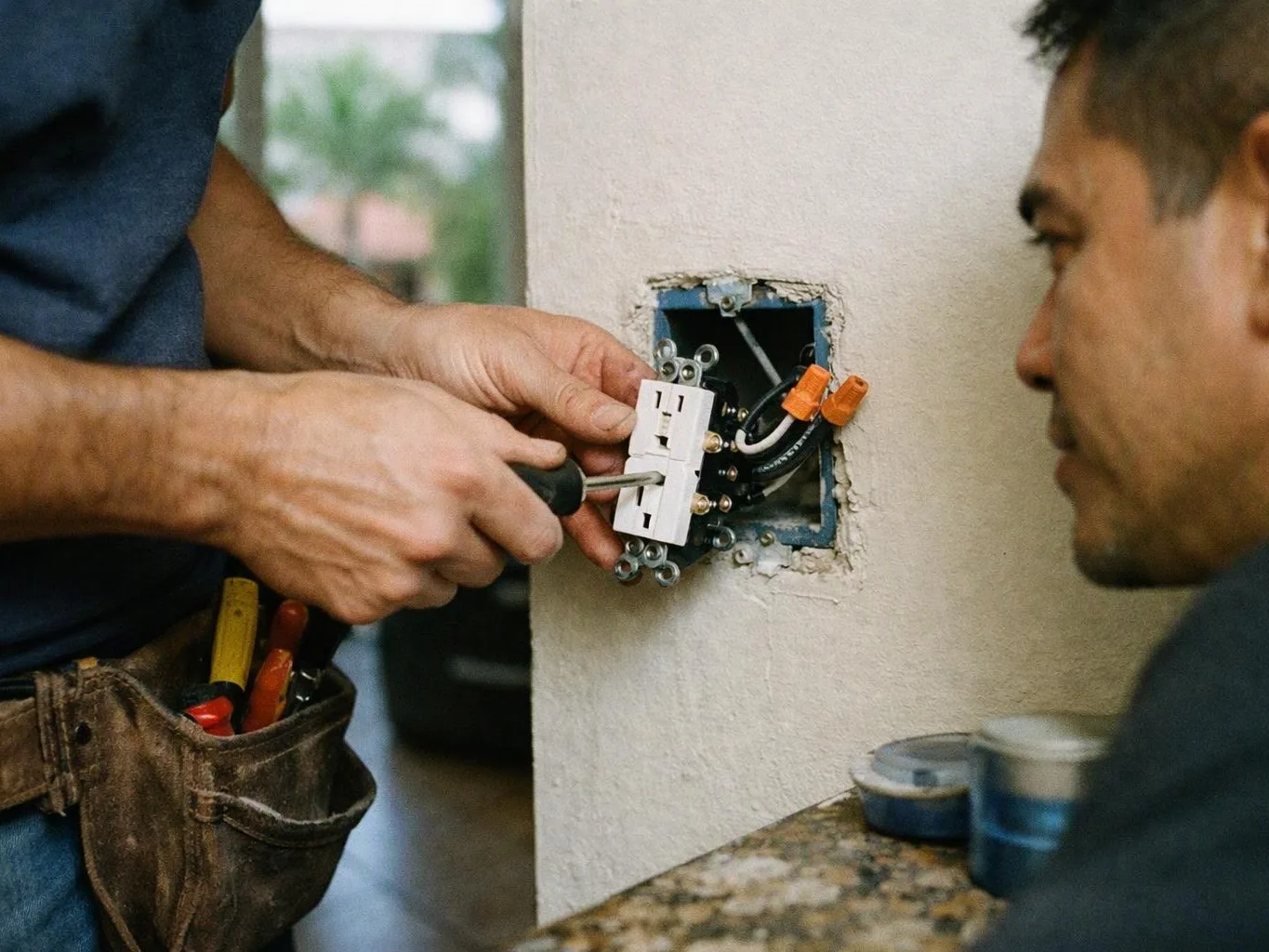
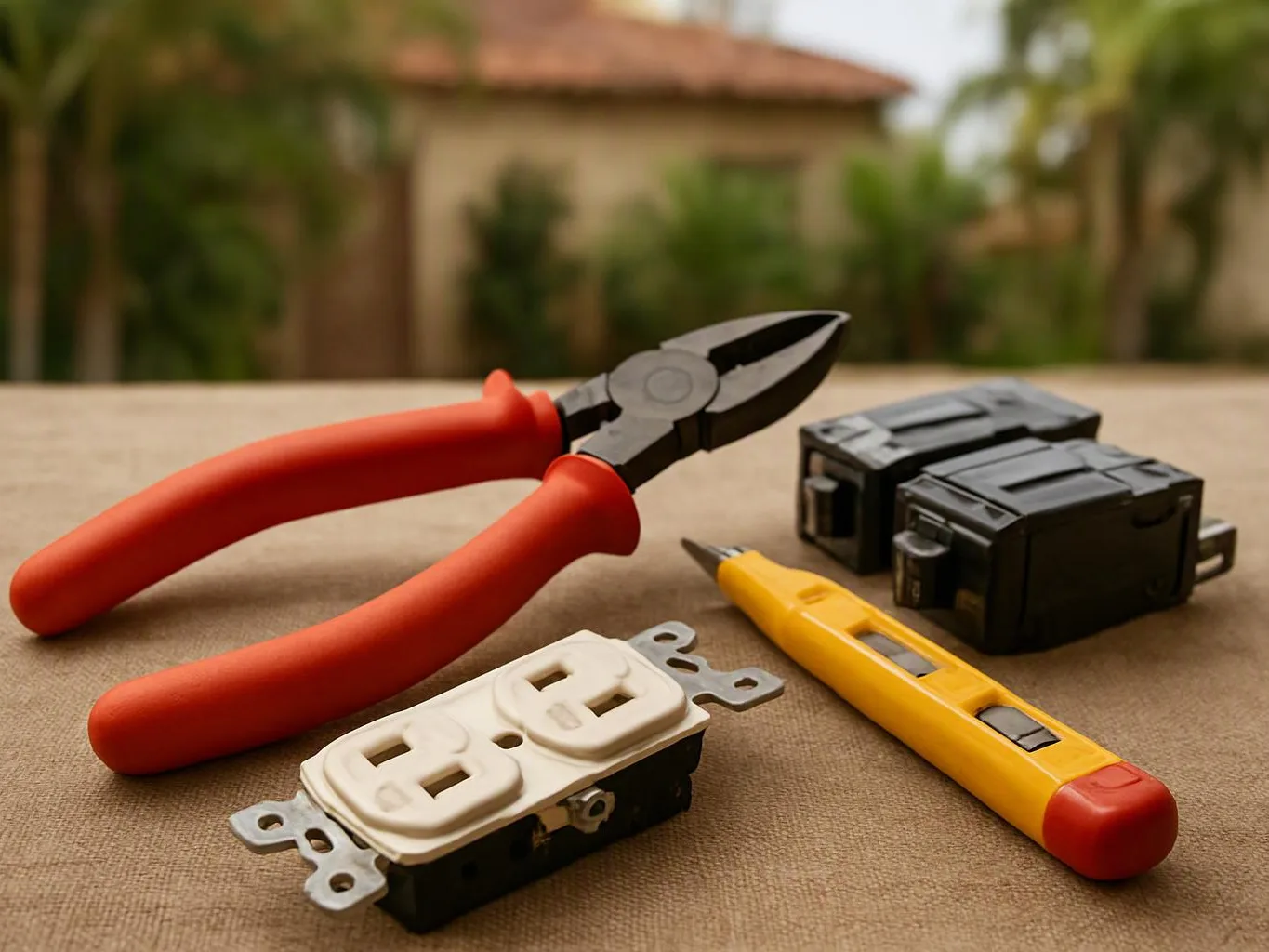
Tamper resistance checks help determine whether a damaged outlet can be replaced safely. Earth Electric first isolates the circuit and checks the box, conductors, polarity, and grounding. A replacement is suitable when the surrounding wiring supports it. A wider circuit fault requires a broader electrical repair.
What should be checked before outlet repair is scheduled?
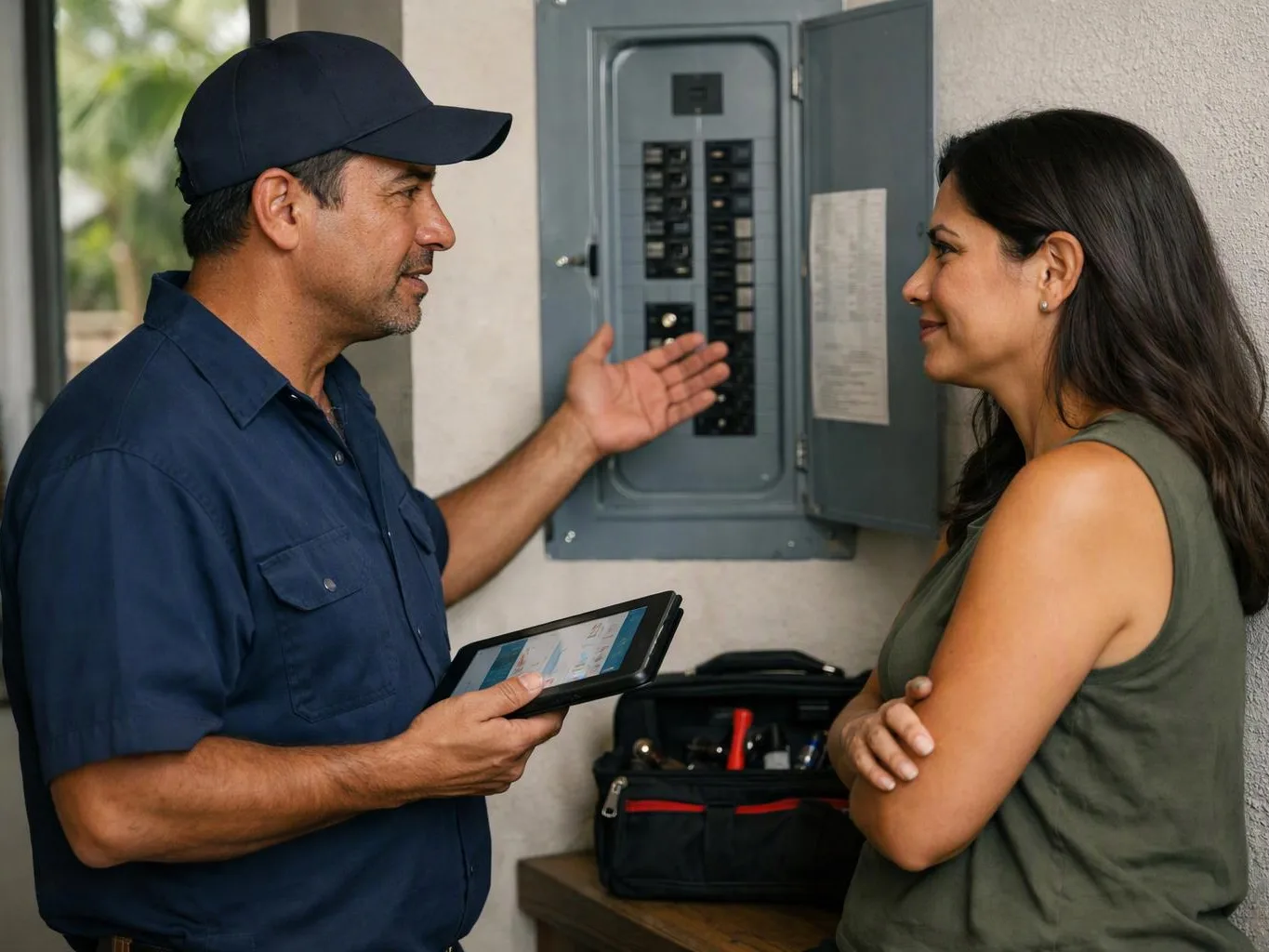
The outlet condition, circuit status, and access to the electrical panel should be checked first. Note whether the receptacle is loose, cracked, warm, discolored, or dead. Customers can share photos and describe recent breaker trips. We use that information to plan the inspection and quote.
Who is a good fit for outlet repair, and who needs a different service?
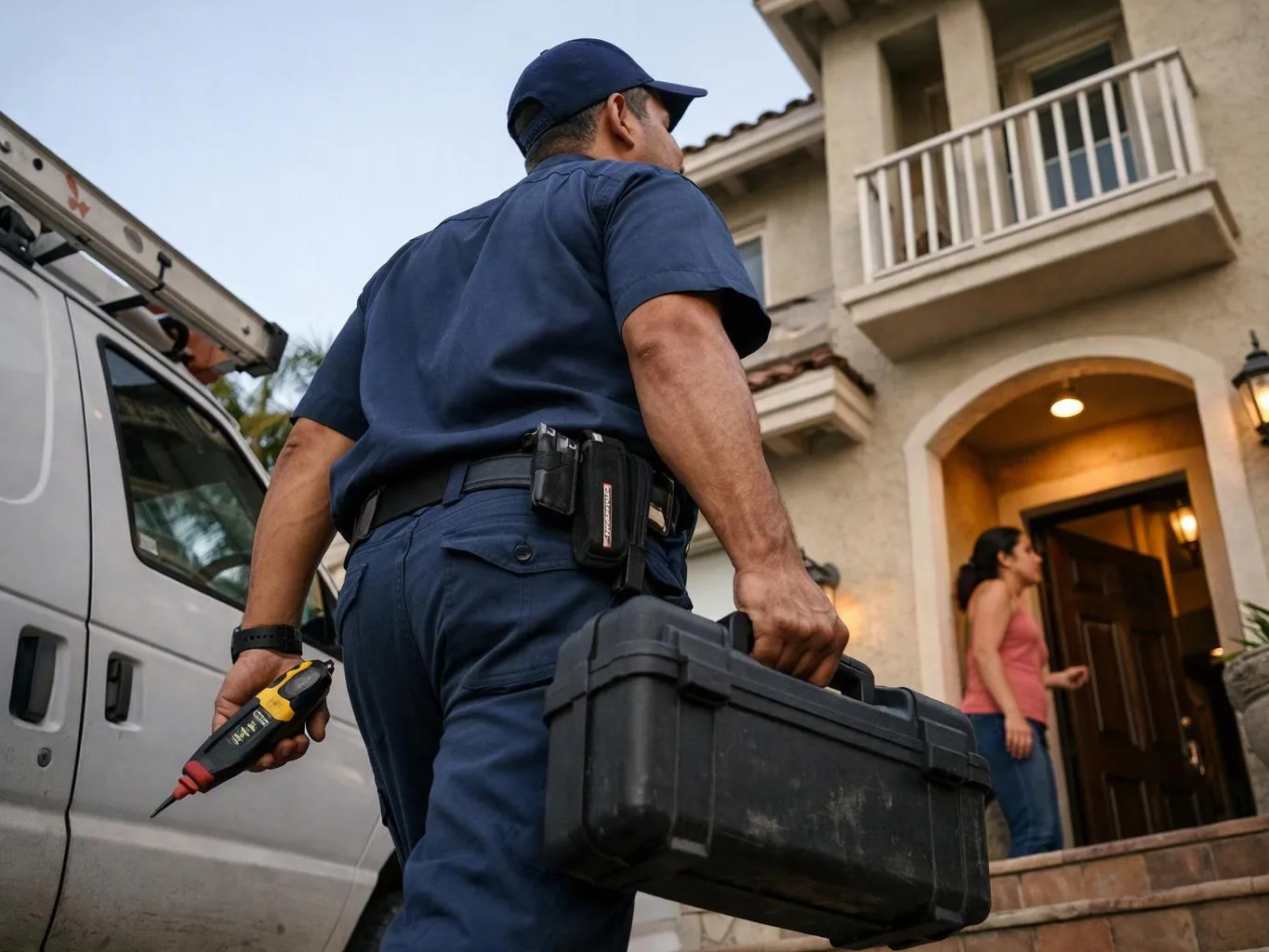
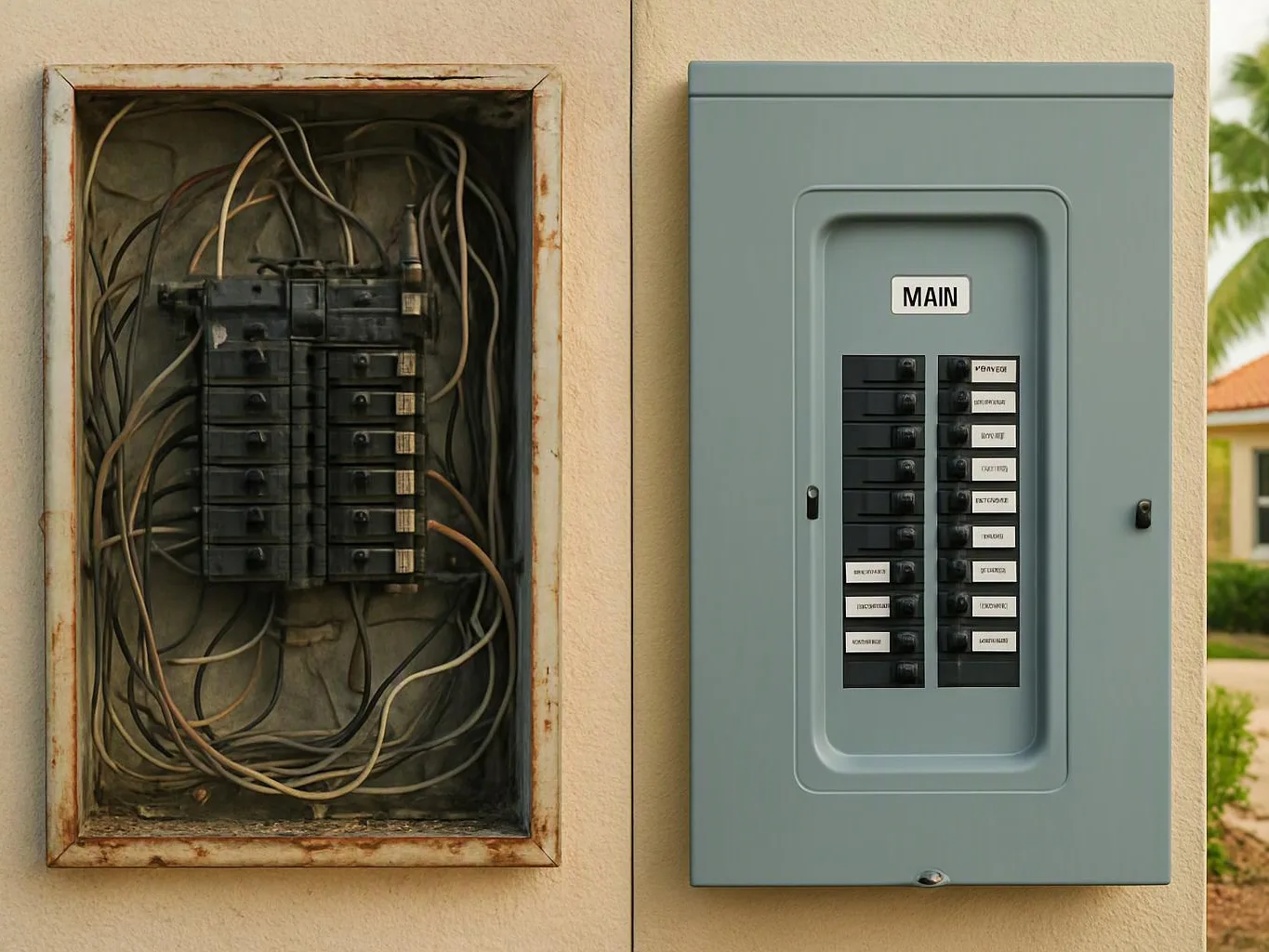
Outlet repair suits a single damaged, loose, or unsafe receptacle. Earth Electric handles that focused work for homes, businesses, and property managers. A panel upgrade, service entrance issue, or repeated circuit failure needs a wider electrical assessment because the outlet may not be the source.
What happens at each stage of outlet repair?
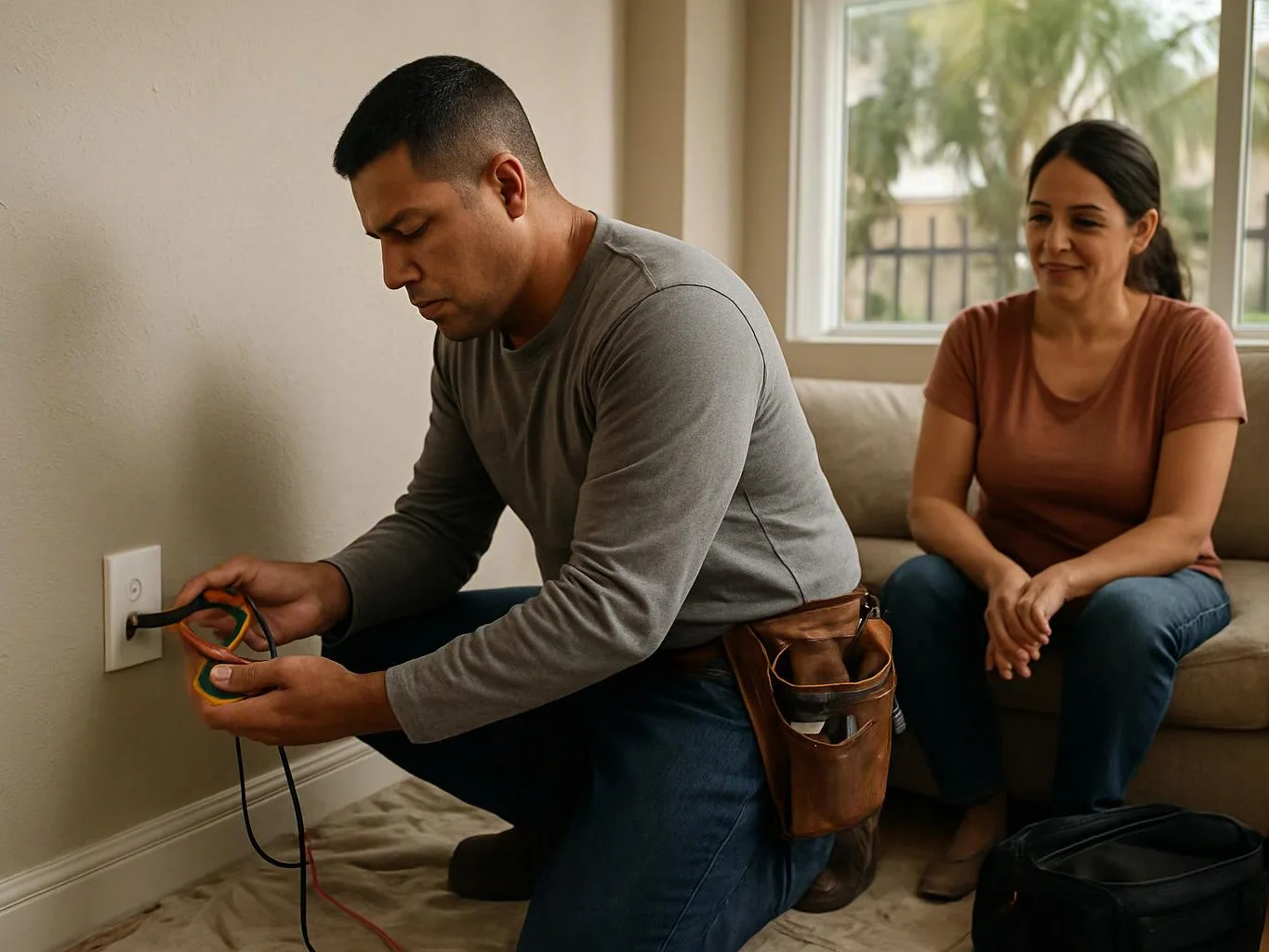
The repair starts with circuit isolation, followed by an outlet and box inspection. We then test polarity and grounding, choose repair or replacement, and verify the finished receptacle. Customers receive a scope based on the actual fault, including whether a GFCI receptacle belongs in the repair.
Which outlet parts change the repair scope?
The receptacle, outlet box, conductors, grounding path, and circuit protection can change the repair scope. Damaged terminals may need a connection repair, while damaged wire may require more access. A GFCI receptacle also calls for testing beyond the outlet face.
When should a damaged receptacle be treated as urgent?
A burning smell, buzzing sound, sparking, heat, or dark marks makes a receptacle issue urgent. Stop using the outlet and keep clear of exposed parts. Earth Electric handles emergency electrical calls and checks the circuit before repair.
Why does a new outlet still need polarity and grounding tests?
A new outlet can still be unsafe if the circuit wiring is reversed, loose, or ungrounded. Polarity and grounding tests check the connection behind the device. We complete those checks after replacement so the finished repair addresses the wiring, not only the outlet cover.