What should be checked when an outlet sparks?
Loose terminals should be checked first when an outlet sparks. We also inspect the receptacle contacts, box, conductors, grounding, breaker, and nearby signs of heat or arcing. Turn off the circuit if you can do so safely, and keep the outlet out of use until the cause is found. Earth Electric then explains the repair scope.
Who is a good fit for outlet repair, and who needs a different service?
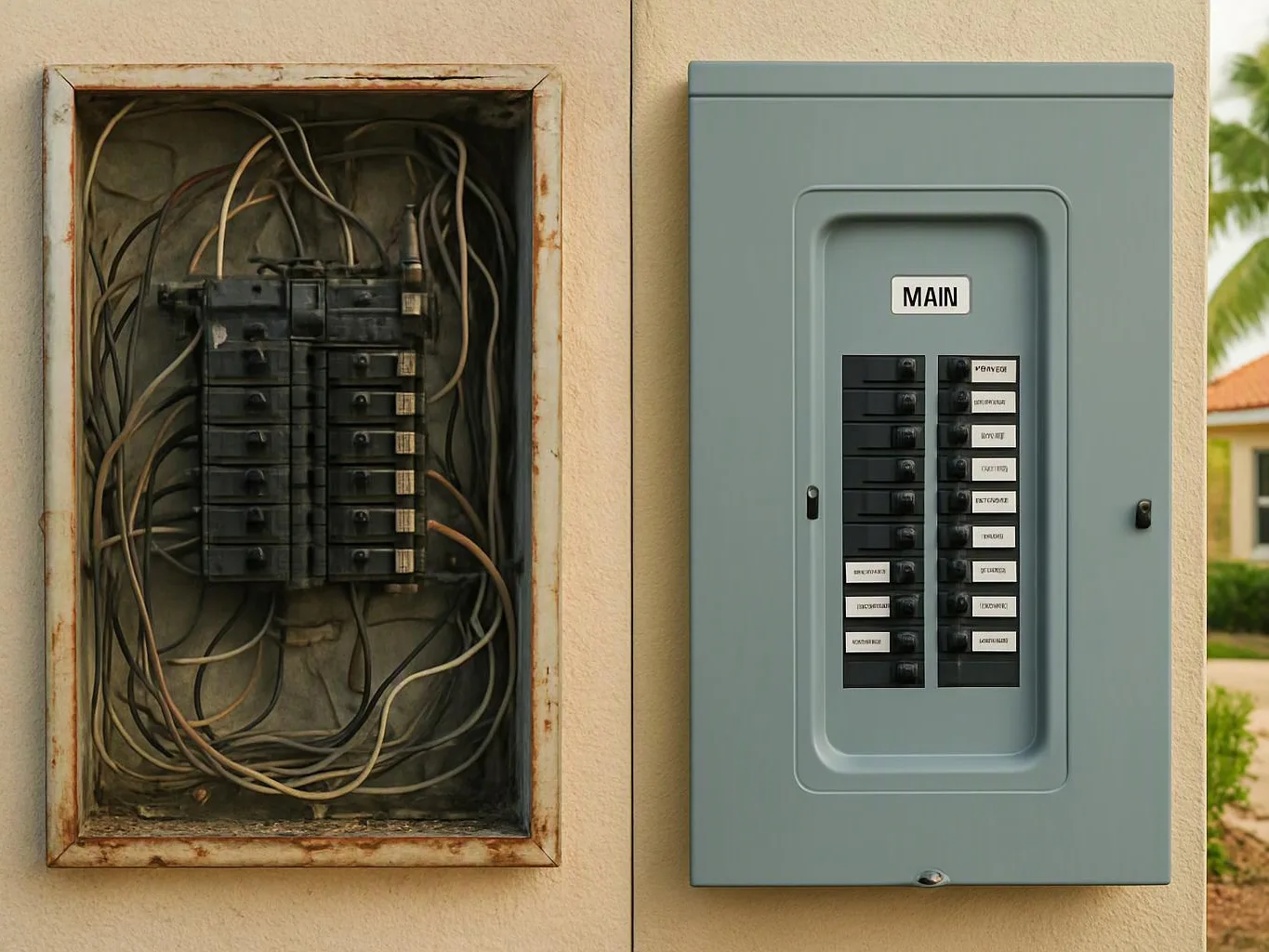
Outlet repair fits a damaged, dead, warm, or sparking receptacle with a localized fault. A panel upgrade or rewiring service fits a wider power problem, repeated circuit failure, or insufficient capacity. We inspect the outlet and circuit first, so the recommended service matches the fault instead of stopping at the visible part.
What happens at each stage of outlet repair?
The work starts with circuit isolation, followed by inspection, circuit tracing when needed, repair or replacement, and testing. We check power, polarity, grounding, terminals, and visible wiring at each relevant point. The final explanation covers what we repaired and whether the inspection found a separate circuit concern.
What does the crew look at first during outlet repair?
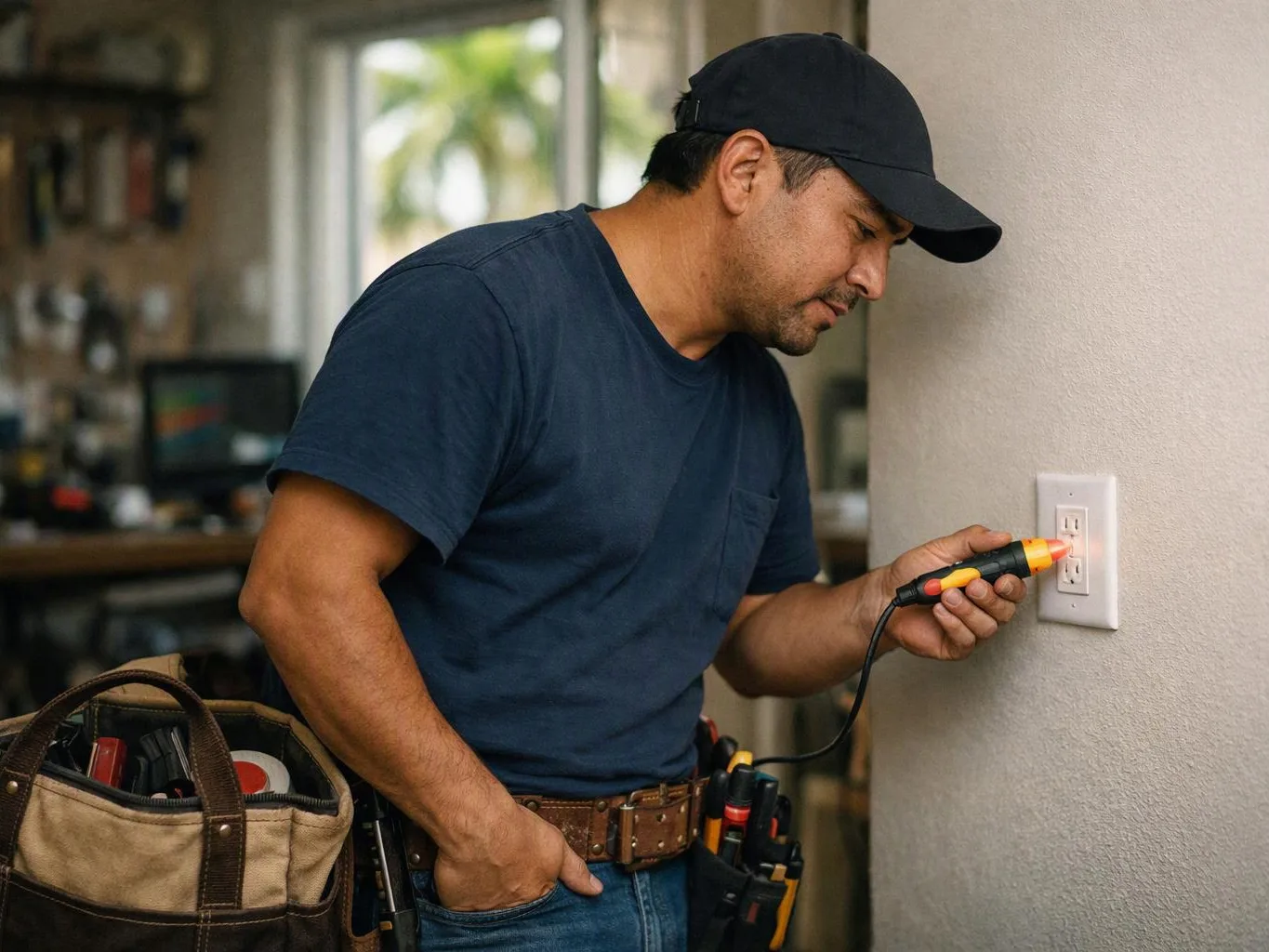
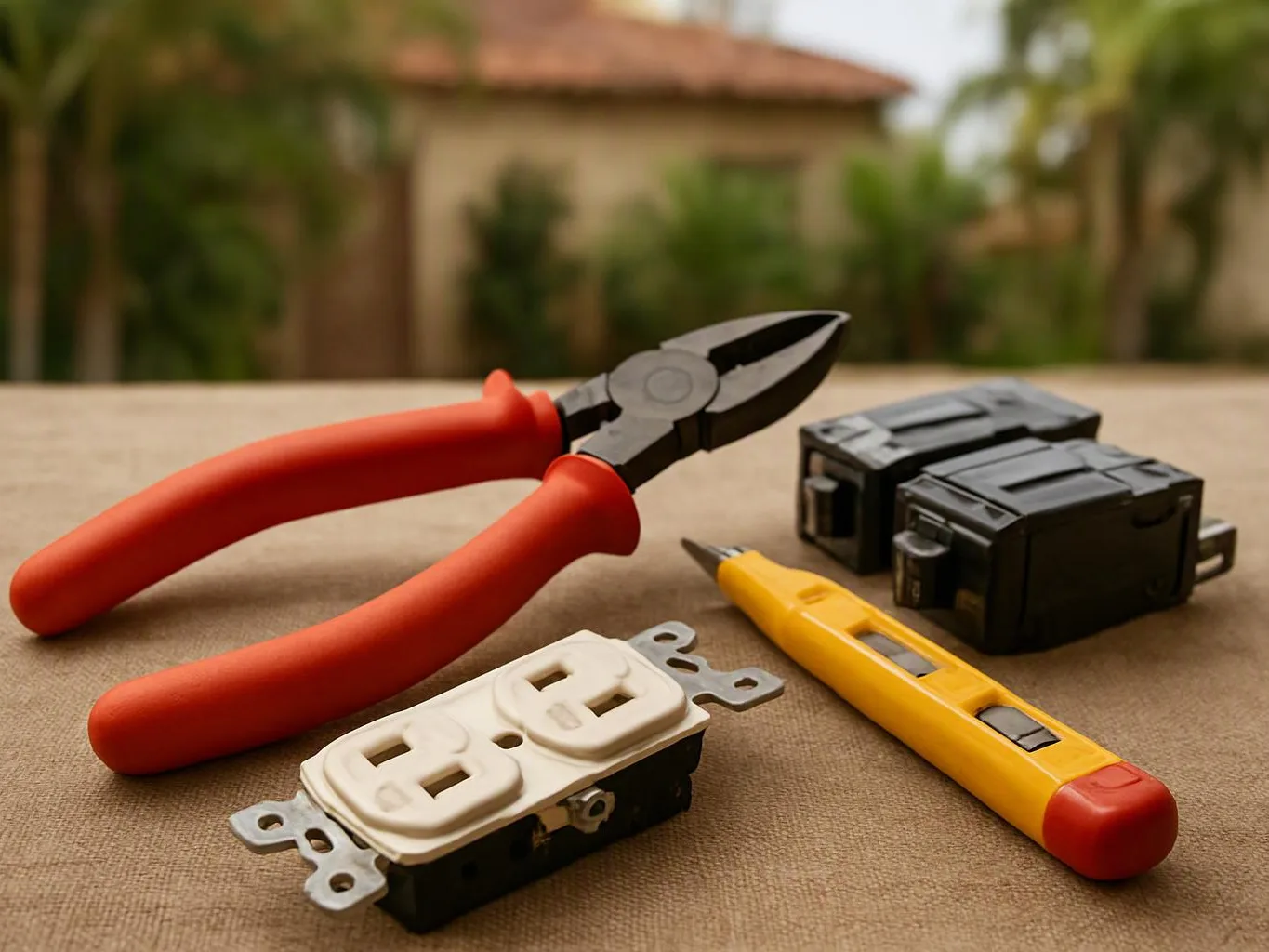
The receptacle, cover, box, and visible conductors are checked first. We look for heat, arcing, damaged contacts, loose connections, and signs that the breaker has tripped. Nearby outlets may need testing when the same circuit supplies them or the symptoms do not stay at one receptacle.
Which outlet signs make the issue urgent?
Burn marks, smoke, buzzing, heat, and repeated sparks make an outlet issue urgent. Stop using the receptacle and switch off its breaker when you can do so safely. We treat those signs as possible electrical fire risks and inspect the outlet, box, wiring, and circuit for damage.
How does circuit overload affect an outlet repair?
Circuit overload can make an outlet warm, trip the breaker, or fail during appliance use. We check connected loads and the breaker path, then determine whether the receptacle alone is damaged. A circuit change, panel work, or load review may be needed when the circuit cannot safely support its equipment.
Why might a new outlet still need circuit tracing?
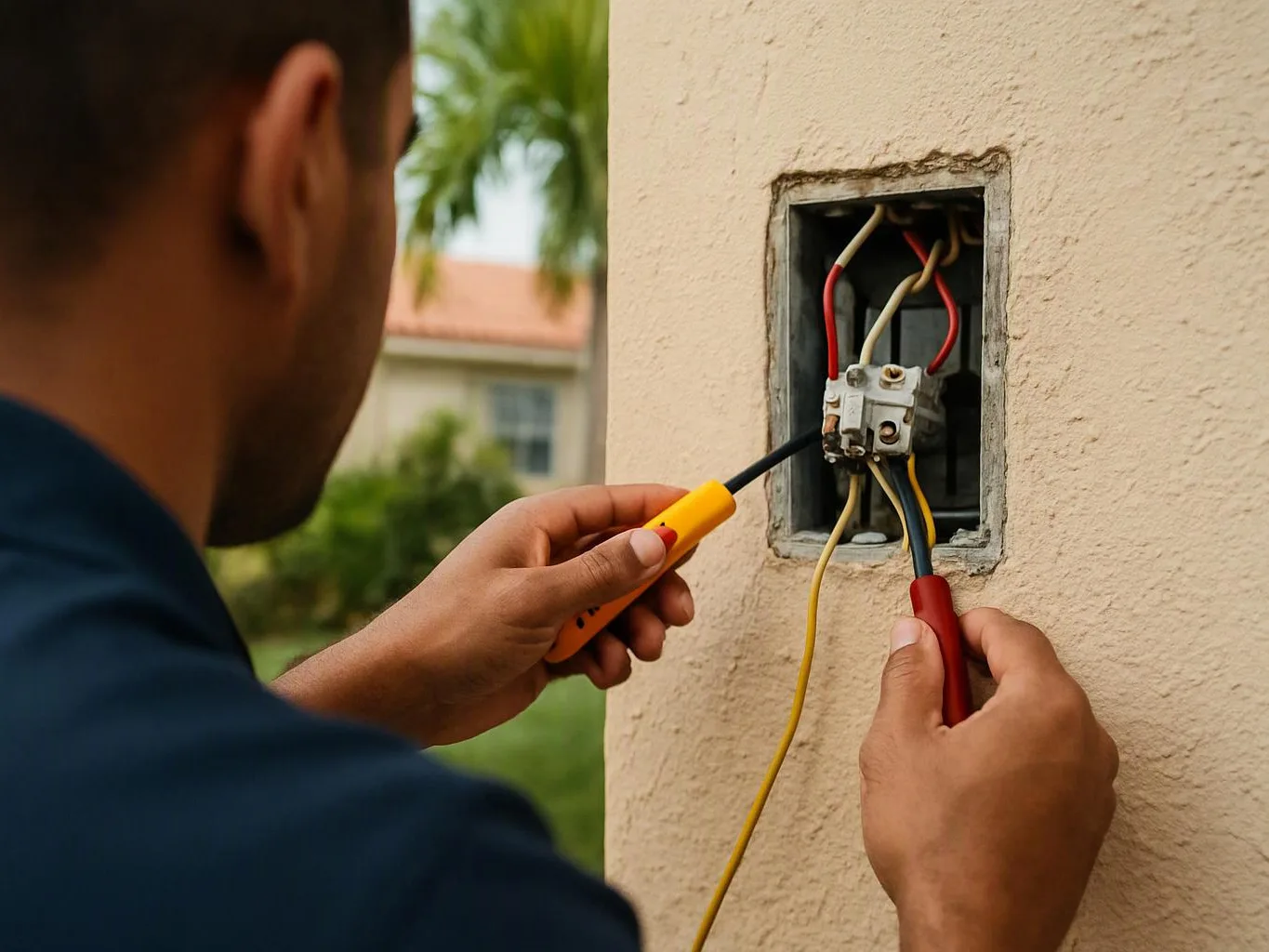
A new outlet can still fail when the fault sits upstream in the circuit. We trace power from the breaker through connected receptacles and switches, then test each relevant point. This check matters when one replacement does not explain repeated trips, dead outlets, or heat at another location.