What problems can an incorrect breaker cause?
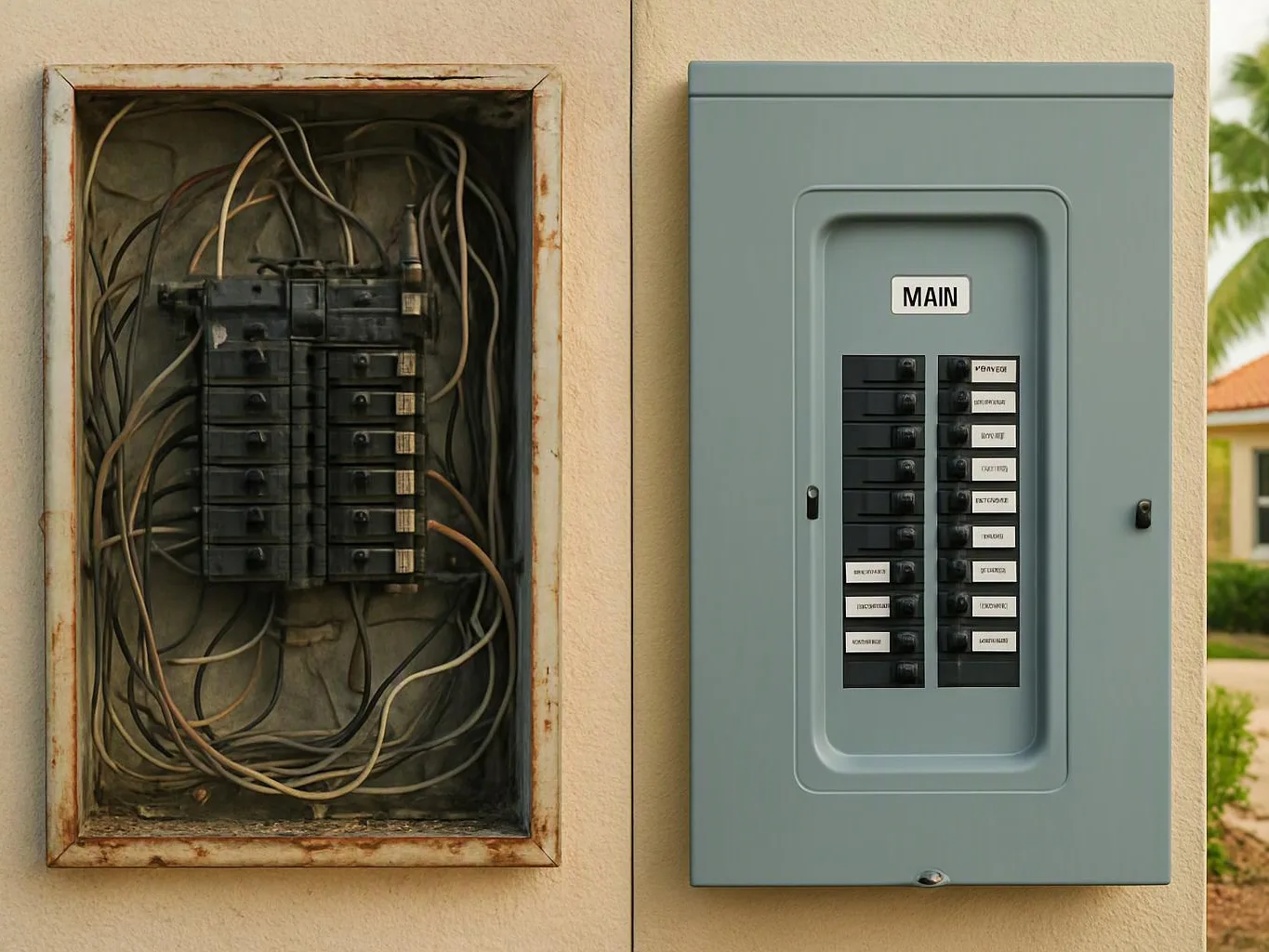
Nuisance trips, wire overheating, arc faults, and fire hazards can follow an incorrect breaker choice. Earth Electric checks the panel type, circuit wiring, breaker fit, and connected load before replacement. A breaker with the wrong rating may fail to protect the wire as intended. We explain any wiring or panel issue that must be corrected with the breaker.
What does the crew look at first during breaker replacement?
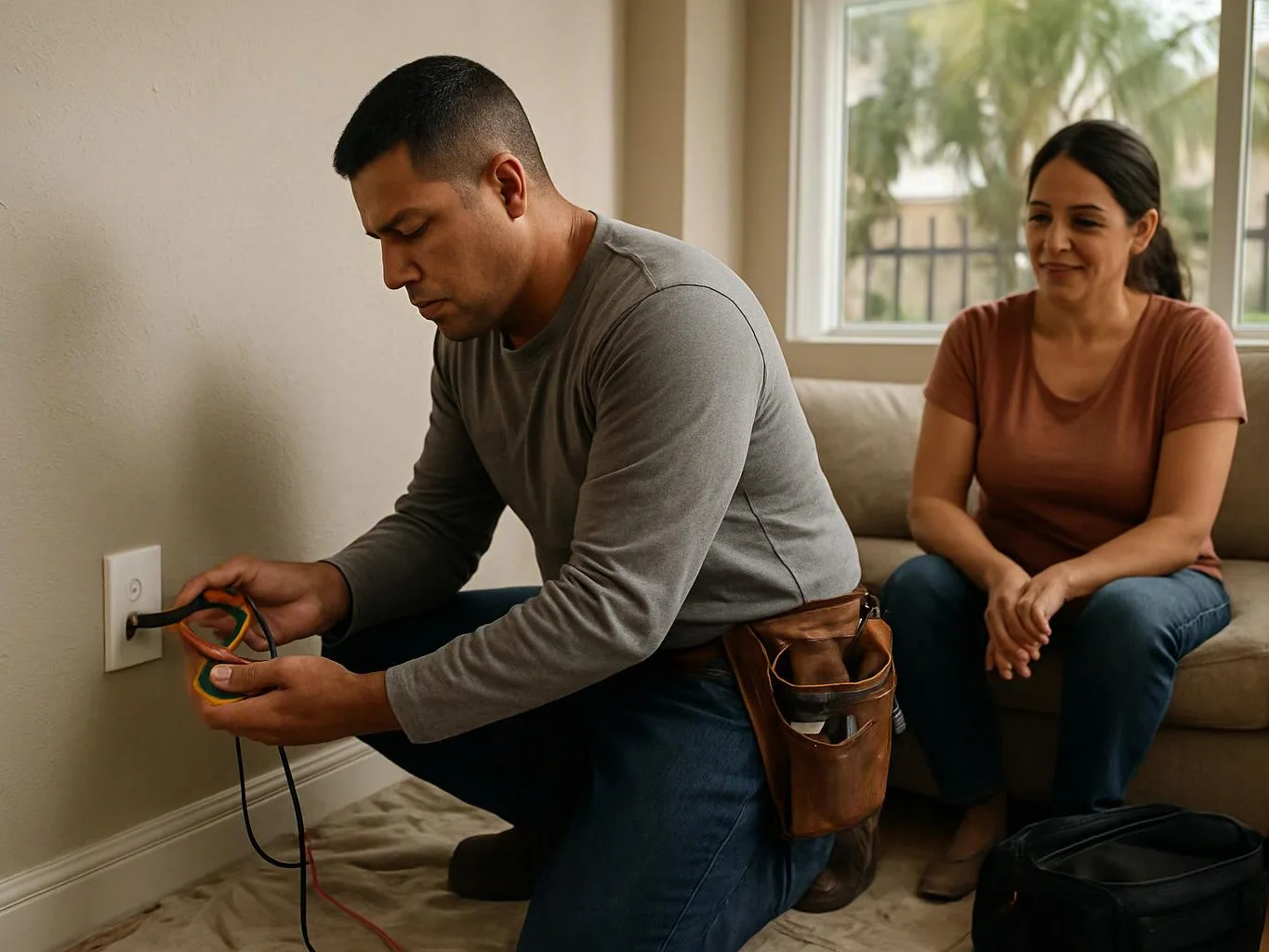
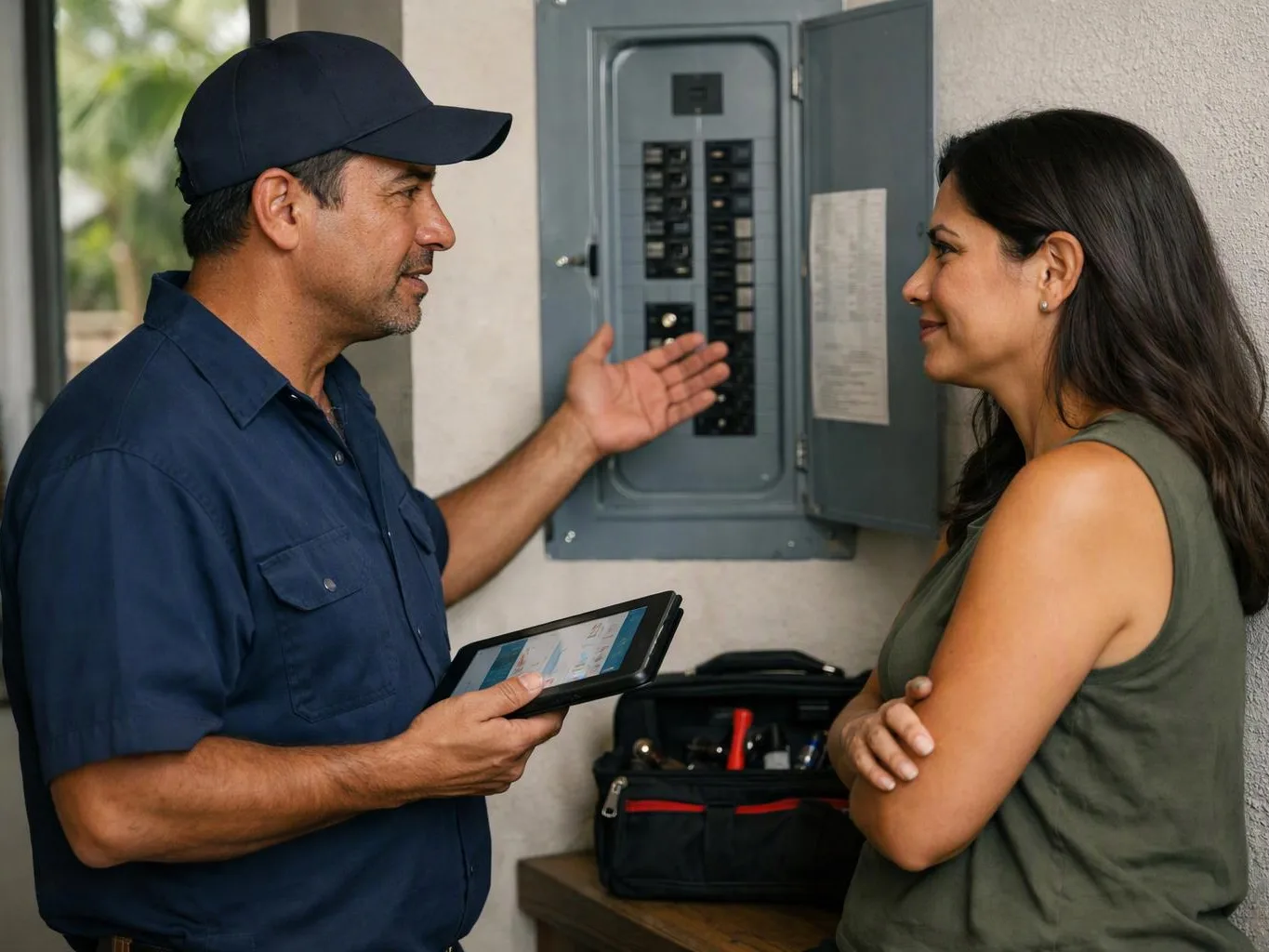
The panel and affected breaker receive the first inspection. We check heat marks, terminal connections, visible wire condition, breaker fit, and signs of arcing. We then trace the circuit and review connected equipment. These checks help separate a failed breaker from an overload, damaged conductor, or loose connection.
What happens at each stage of breaker replacement?
The work starts with panel inspection, circuit tracing, fault checks, scope review, installation, and testing. We isolate the affected circuit before handling the breaker. After installation, we verify the circuit and discuss any remaining concern. Customers receive a clear explanation when the panel needs work beyond the breaker.
Which part of this job changes the price?
Panel condition, breaker type, circuit access, wiring damage, and added electrical repairs change the project cost. A breaker replacement may require more work when heat has damaged a terminal or bus. We review those conditions during the assessment and provide a free estimate for the approved scope.
When is a tripped breaker an urgent electrical problem?
A tripped breaker becomes urgent when the panel buzzes, smells hot, shows scorch marks, or trips again after reset. Leave the circuit off and keep clear of visible damage. Our 24/7 emergency electrical response addresses urgent electrical concerns, while testing identifies the safe repair.
Why can a new breaker fail to stop repeated trips?
A new breaker cannot stop trips caused by overloaded wiring, a damaged appliance, a short, or a loose connection. We test the circuit and connected loads before deciding that the breaker is the only fault. The repair scope may include wiring work, equipment diagnosis, or a panel upgrade.
How should I prepare before the assessment?
Access to the electrical panel and information about recent equipment changes help us assess the circuit. Keep the affected breaker off if you notice heat, buzzing, smoke, or a burning smell. Photos of the panel label and breaker position can also help explain the issue when scheduling.