What type of smoke detector should I install?
An ionization sensor is one option, but the right detector depends on the property layout, room use, power source, and safety goals. Earth Electric reviews those factors before recommending a unit. A photoelectric sensor or dual sensor may fit the job better. We also check battery backup and test the installed alarm.
What does the crew look at first during installation?
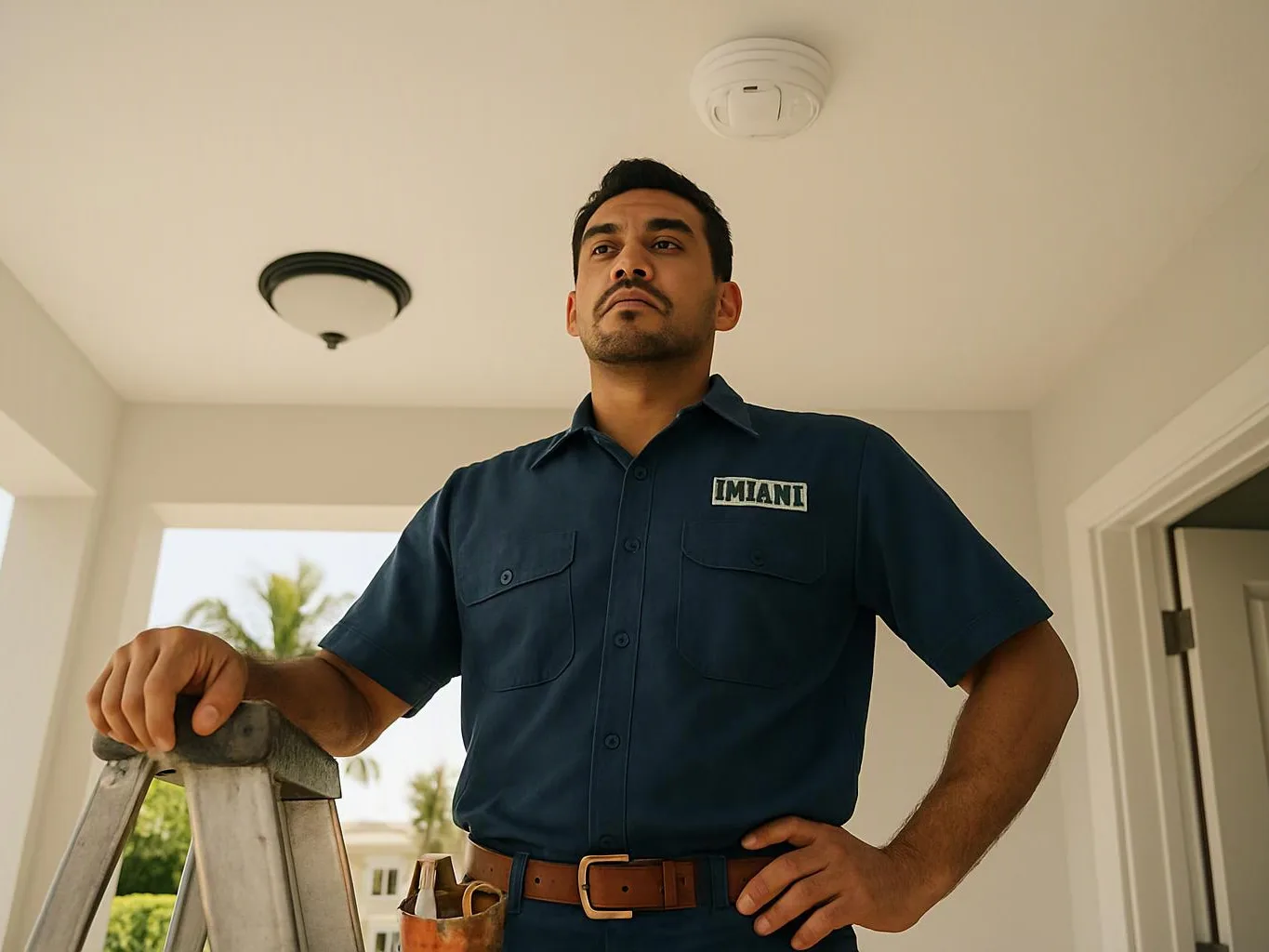
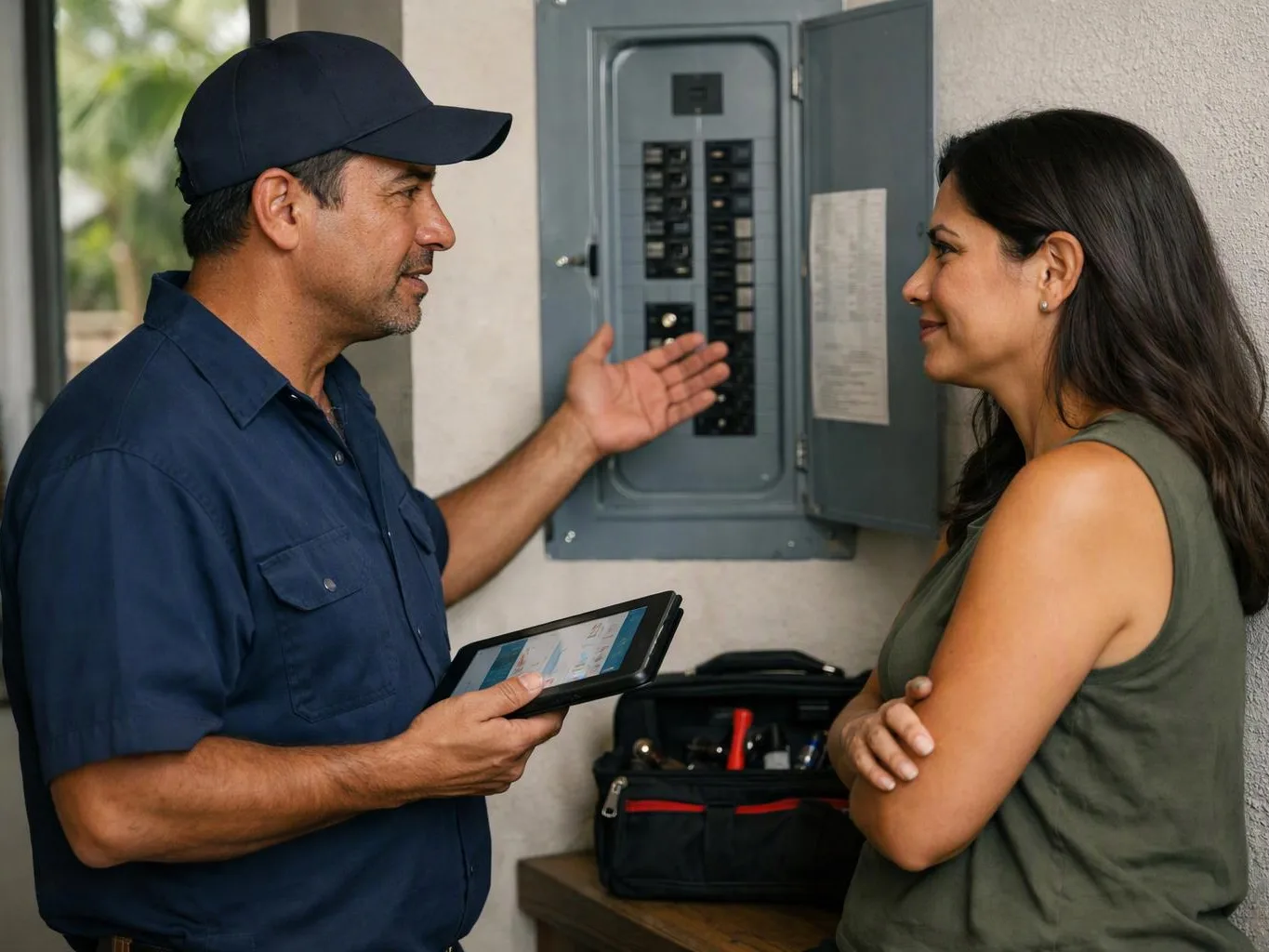
The existing power source and mounting point come first. We then check visible wiring, the current alarm layout, battery backup, and the condition of nearby connections. These checks show whether the job needs a detector installation, a replacement, or separate electrical troubleshooting.
What happens at each stage of the installation?
The installation includes an assessment, detector selection, mounting, connection, and testing. We first review the alarm setup and power source. Next, we fit the selected detector and check its battery backup. The final step confirms that the test function works and explains basic use.
Who is a good fit for smoke detector installation?
Homeowners, businesses, and property managers are good fits when alarms need installation, replacement, or testing. We review the existing system before setting the scope. A panel fault, damaged circuit, or wider wiring problem needs electrical troubleshooting along with, or instead of, detector work.
How does existing wiring change the installation?
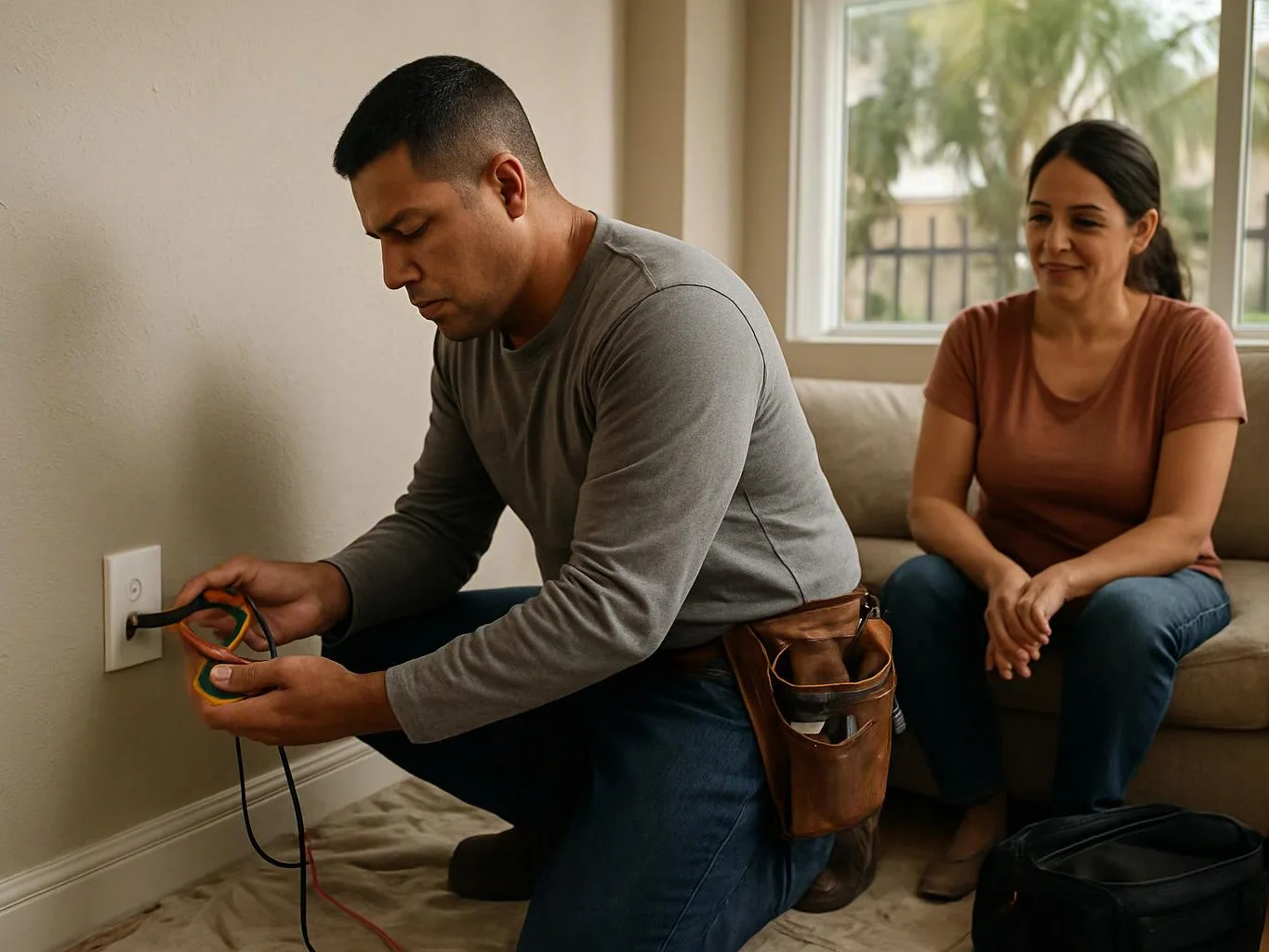
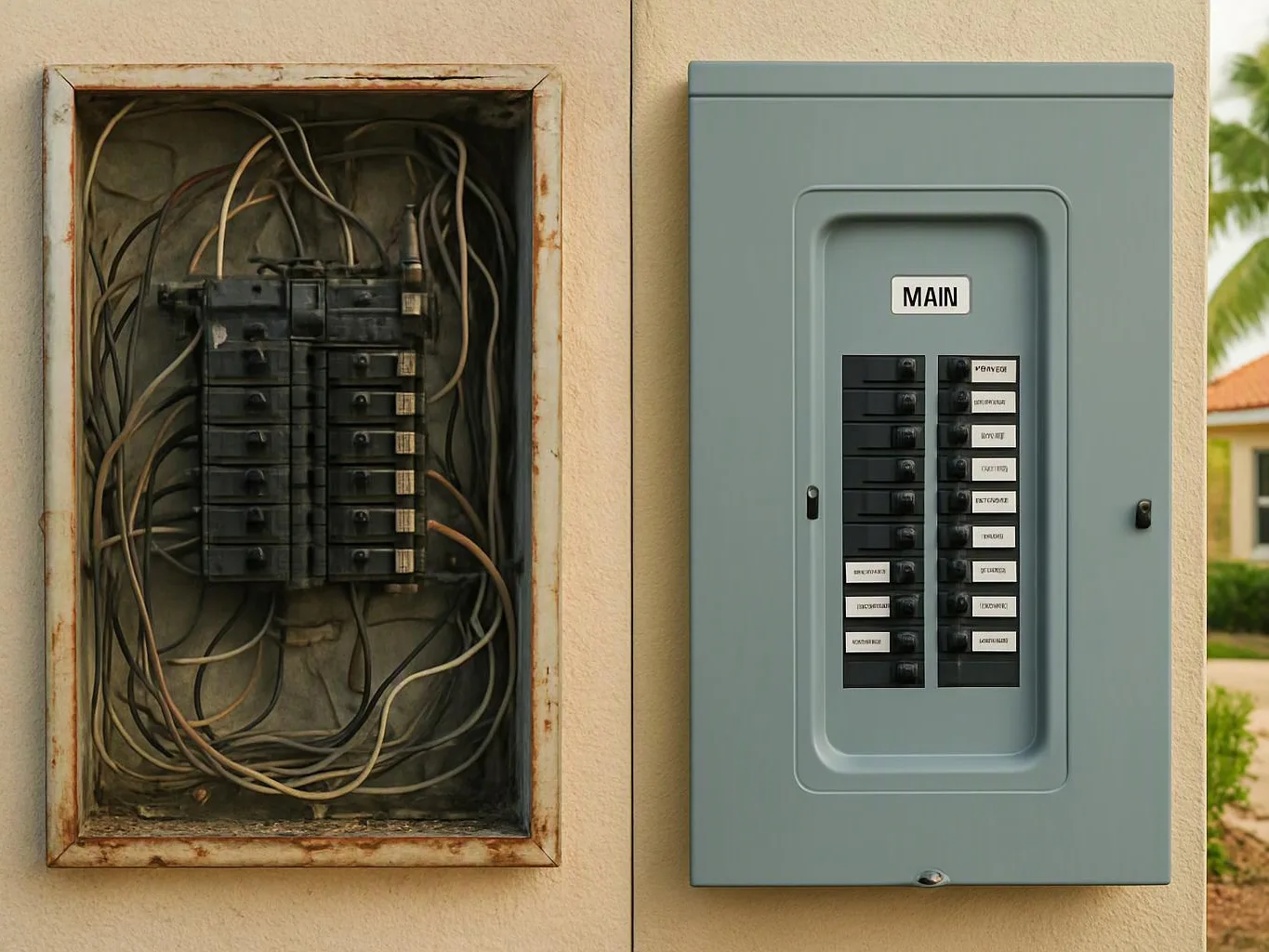
Existing wiring changes the work when the detector uses a hardwired power source or connects with other alarms. We inspect the connection point and test the circuit before installation. A damaged or unsuitable connection may require separate repair before the alarm can be fitted safely.
When should a property manager request new detectors?
A property manager should request new detectors when alarms are missing, damaged, outdated, or failing their test. We can review units, shared areas, wiring, and battery backup as part of the requested scope. Clear records help the manager track which alarms were checked and which need more work.
Why does a new detector still chirp?
A new detector can chirp because of a weak battery, loose connection, power fault, or unit defect. We test the battery, wiring, power supply, and alarm function to isolate the cause. Replacing the detector alone will not address a separate circuit or connection problem.