
What is a Conduit?
Conduit is a tube or raceway that protects and routes insulated electrical conductors. It may be made from metal, PVC, or other approved materials. Electricians install conduit in walls, ceilings, slabs, outdoor areas, and exposed locations to reduce physical damage, organize wiring, and support electrical code requirements for a safe installation.
Quick Facts About Conduit
Category
Electrical wiring raceway
Used for
Routing and protecting conductors
Common confusion
Conduit is not the same as cable
Relevant standard
National Electrical Code, NFPA 70
Also called
Electrical conduit, Electrical raceway
Often discussed with
Electrical Wiring Installation, Electrical Code Compliance Correction
Key Takeaways About Conduit
- Conduit protects conductors from impact, moisture, chemicals, sunlight, and other site hazards.
- Common types include electrical metallic tubing, rigid metal conduit, and nonmetallic PVC conduit.
- Conduit size depends on conductor count, wire size, insulation type, and allowed fill.
- Fittings, supports, grounding, and bend limits affect a conduit installation’s safety and code compliance.
- Conduit protects wires, but it does not replace circuit breakers or other overcurrent protection.
Understanding Conduit
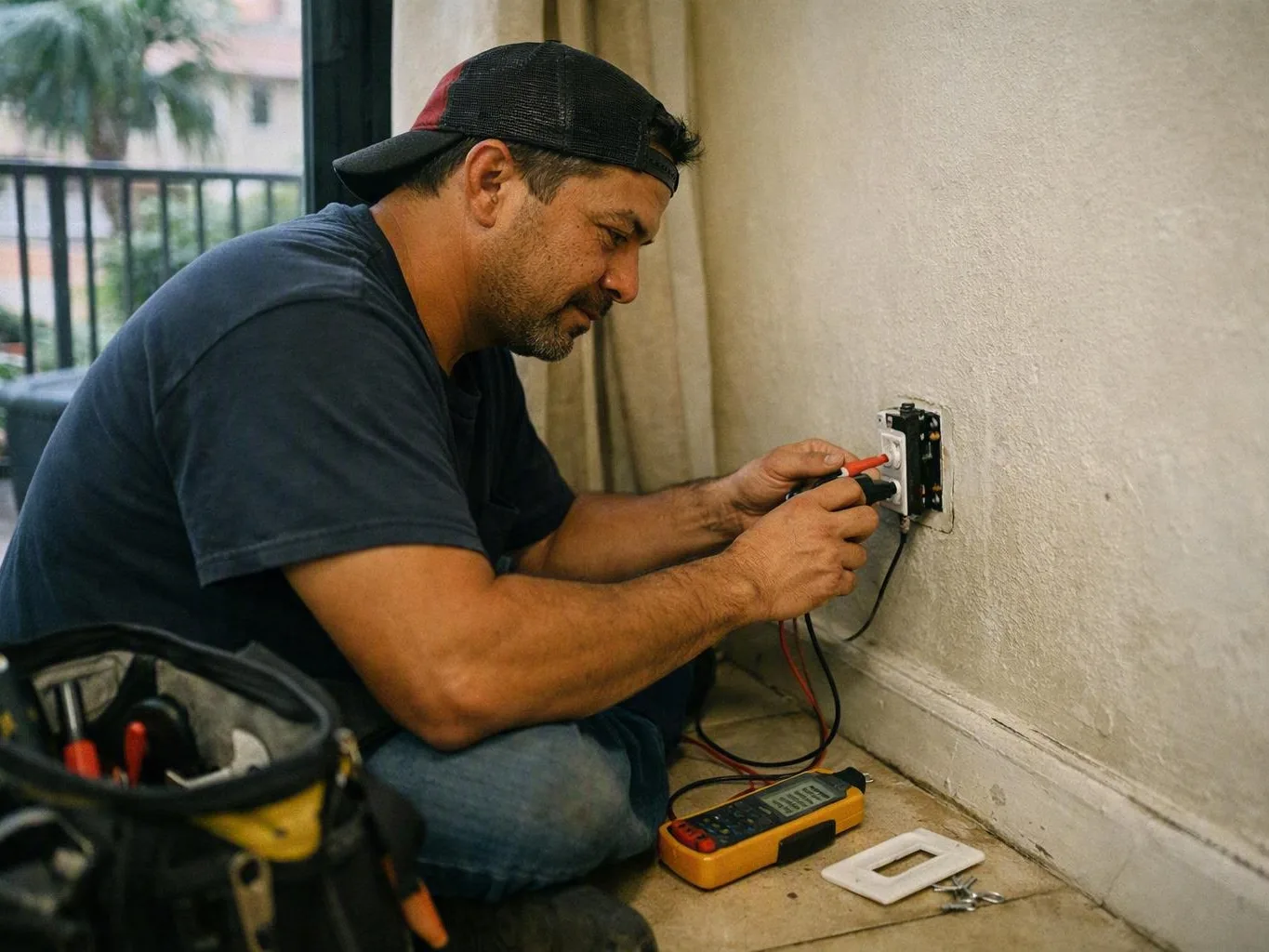
Conduit is a safe path for electrical conductors. Its hollow space lets electricians pull wires between devices. These include panels, junction boxes, switches, receptacles, and motors. The raceway may show on a wall or hide inside framing. It may also run inside concrete, ceilings, or underground paths.
Related glossary terms: Ampacity, Bonding, Branch Circuit.
Common types include electrical metallic tubing, rigid metal conduit, intermediate metal conduit, flexible metal conduit, and PVC conduit. Each type has different strengths. Metal gives physical protection and may support an equipment grounding path. PVC resists rust and doesn't conduct electricity. The chosen type must suit the location, wiring method, moisture, heat, and local code needs.
How Conduit Works, Is Measured, or Is Used?
Electricians choose a raceway by checking the number and size of conductors. They also check insulation type, bend count, work area, and available space.conduit fill calculation limits the space wires can use inside. Too much fill makes wires hard to pull. It can damage insulation and cause heat buildup. The National Electrical Code gives fill rules for conductor and raceway types.
A typical job starts with a planned route between equipment and boxes. The installer cuts and joins sections with approved conduit fittings. The installer secures the raceway at set points. Bends must stay within accepted limits. Workers then pull conductors through the finished path. They identify, connect, and test the conductors. The installer also checks bonding and grounding when required. This check matters most with metal raceways.
Conduit is measured by trade size, material, length, and shape. Trade size doesn't equal the exact outside or inside diameter. For example, a raceway marked three-quarter inch follows its product standard. The usable space changes with material and wall thickness. Electricians must use the correct table or maker data. They shouldn't estimate capacity.
Why Conduit Matters?

Conduit systems lower the chance of cuts, crushing, wear, water, and chemical damage. They also keep conductors in order. This can make checks, repairs, and future replacement easier. A well-planned raceway may let workers replace a damaged conductor. They may do this without opening a wall or removing finished surfaces.
Conduit doesn't make an electrical circuit safe by itself. The circuit still needs the right conductors and overcurrent protection. It also needs grounding, bonding, and proper boxes and fittings. Poor support, sharp edges, water entry, or crowded conductors can create hazards. Wrong fittings can also create hazards, even when wires stay inside a tube.
When Conduit Matters Most?
Conduit selection matters in garages, business spaces, and outdoor jobs. It also matters in unfinished areas and parking structures. These needs grow in places exposed to impact or moisture. Underground raceways need protection from water, soil, and backfill damage. Outdoor PVC needs care with sunlight and transition fittings. These fittings help when the route enters a building.
Conduit also affects remodel plans and urgent repairs. A visible raceway can provide a useful route when opening walls costs too much. A hidden route may better fit finished rooms. Before work starts, review the local electrical code and permit needs. Check conductor fit, pulling space, and existing boxes or panels.
How to Evaluate Conduit?
- Confirm that the conduit material is approved for the location, including wet, damp, outdoor, underground, or corrosive areas.
- Check conduit fill against the applicable National Electrical Code requirements for conductor count and size.
- Inspect fittings for secure connections, sharp edges, water entry, and compatibility with the raceway material.
- Verify that the raceway is supported, protected from damage, and routed without excessive bends.
- Review grounding and bonding continuity, especially where metal conduit forms part of the grounding path.
Related Concepts Compared
Conduit vs. Cable
Cable contains two or more insulated conductors, and it may include a grounding conductor, inside one outer jacket. Conduit is the separate raceway that routes and protects individual wires or cable.
Conduit vs. Raceway
Raceway is the broader term for an enclosed channel or pathway for electrical conductors. Conduit is one type of raceway.
Conduit vs. Wire Loom
Wire loom usually protects and groups low-voltage or automotive wires from abrasion. It is not automatically an approved wiring method for building electrical circuits.
Conduit vs. Grounding Conductor
A grounding conductor provides a fault-current path for protective devices. Conduit is a wiring pathway, although some metal conduit systems can also serve as an equipment grounding path when installed correctly.
Expert Note
Conduit routes should be planned before conductors are pulled. A route with too many bends or crowded fittings can damage insulation and make later repairs difficult. Experienced installers leave practical pulling access, keep boxes accessible, and account for moisture at every outdoor or underground transition.
Common Mistakes or Myths About Conduit
- Treating conduit as a substitute for circuit breakers, grounding, or correct wire sizing.
- Exceeding the permitted conduit fill because the wires appear to fit loosely at one end.
- Using indoor raceway or fittings in a wet, outdoor, underground, or corrosive location.
- Leaving sharp cut edges that can damage conductor insulation during installation.
- Installing too many bends without an accessible junction box or pulling point.
Conduit in Practice: A Real-World Example
A homeowner adds a detached workshop and needs a new circuit from the main panel. An electrician runs approved PVC conduit underground and uses suitable fittings at each building. The electrician pulls correctly sized conductors and bonds or grounds the system as required. The raceway protects the wiring from soil and accidental impact.
Related Terms
Ampacity
Ampacity is the maximum continuous current, measured in amperes, that a conductor can carry safely under…
Bonding
Bonding is the intentional connection of exposed metal parts, electrical equipment, and conductive paths so they…
Branch Circuit
Branch Circuit is the wiring section that carries electricity from a circuit breaker or fuse to…
Electrical Code
Electrical Code is a set of safety rules for designing, installing, inspecting, and maintaining electrical systems…
Earth Electric
Have Questions About Conduit?
Contact Earth Electric for practical guidance on Conduit and related 24 hour electrician work in Miami.