
What is Junction Box?
Junction Box is an enclosed electrical container that protects and houses wire connections where conductors join, split, or change direction. Junction boxes may be metal or nonmetallic and must remain accessible after installation. The enclosure helps prevent accidental contact, protects connections from damage, and supports compliance with electrical installation rules.
Quick Facts About Junction Box
Category
Electrical enclosure
Used for
Protecting wire connections
Common confusion
A junction box is not an electrical panel
Relevant standard
National Electrical Code
Also called
Electrical junction box, Splice box
Often discussed with
Electrical Troubleshooting, Electrical Code Compliance Correction
Key Takeaways About Junction Box
- A junction box holds wire splices, taps, and connections in an electrical circuit.
- The box must fit the wiring method, conductor count, and installation setting.
- Each conductor connection needs an approved cover that stays accessible after installation.
- Overfilled boxes can overheat, harm insulation, and make future repairs hard.
- A junction box does not replace grounding, bonding, or overcurrent protection.
Understanding Junction Box
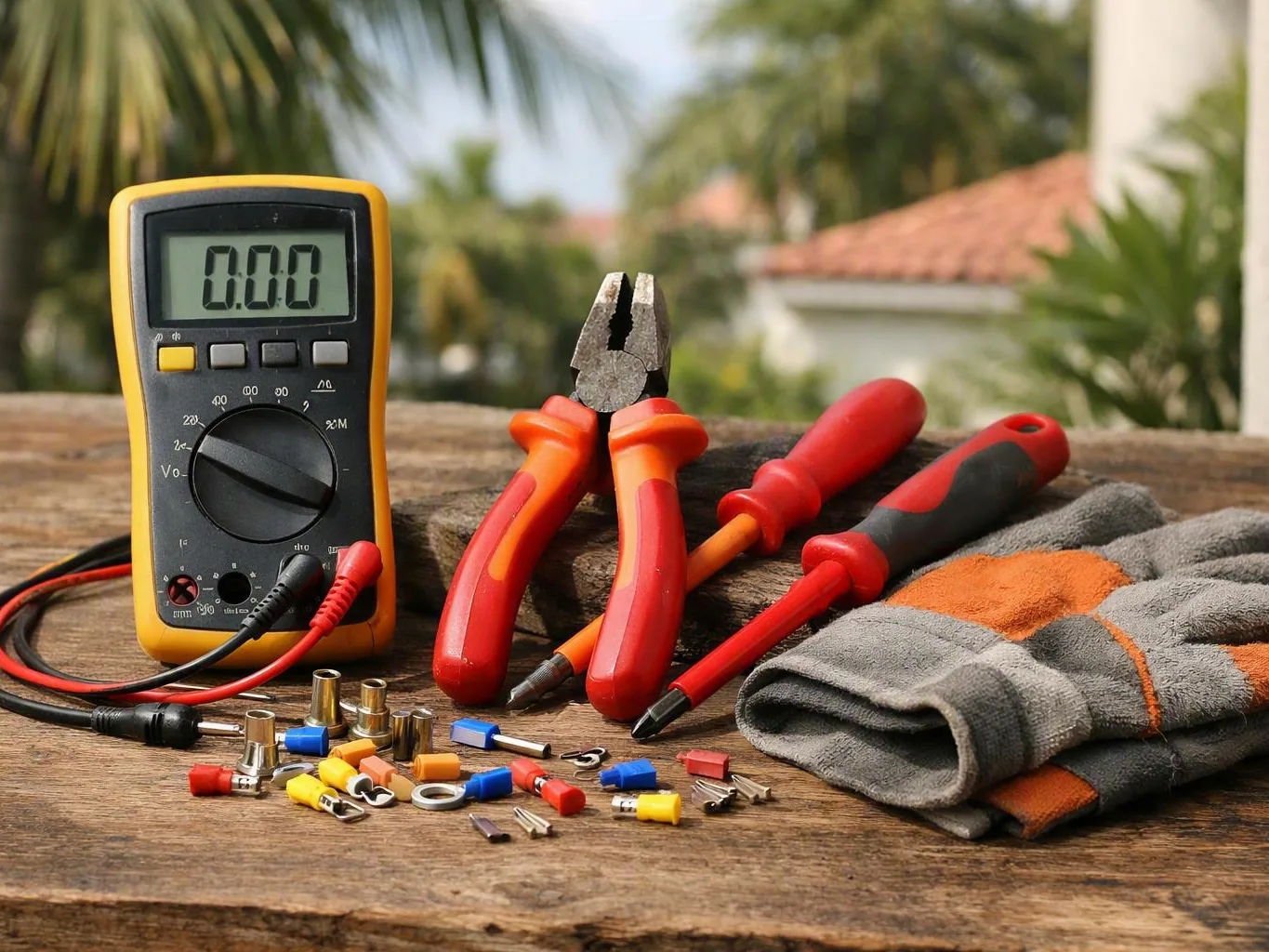
Junction Box is an enclosure that contains electrical connections. Electricians use it when two or more conductors join. They also use it when a circuit branches or wiring changes direction. The enclosure protects wire splices from physical damage. It also helps keep people from touching energized parts.
Related glossary terms: Branch Circuit, Conduit, Electrical Code.
Boxes come in metal and nonmetallic forms. The correct choice depends on the wiring method, location, moisture exposure, and grounding needs. A box may be installed in a wall, ceiling, attic, crawl space, or exterior location. The box and its cover must suit that setting. A hidden box that can't be reached later isn't usually acceptable for a routine splice.
How Junction Box Works, Is Measured, or Is Used?
A junction box holds conductors and approved connectors. These connectors are often called wire connectors or terminals. The connectors join wires without leaving exposed copper. A cover closes the opening. The box protects the connection from impact and helps contain electrical faults. Metal boxes may also form part of the equipment grounding path with proper bonding.
Box choice depends on its volume and the number of conductors. It also depends on wire size, grounding wires, cable clamps, and inner fittings. An electrician counts these items under code rules. The electrician compares the result with the box volume marked by the maker. The box also needs suitable cable entries and secure fittings. It needs enough room to avoid sharp bends or crushed insulation.
During setup, the wiring method enters the box through listed openings or fittings. Conductors stay long enough for safe termination. Each connection is secured with a matching connector. The electrician then folds the wires with care and installs the cover. The electrician identifies the circuit when needed. Testing can include continuity, grounding, polarity, and circuit operation checks.
Why Junction Box Matters?

A properly installed junction box lowers the chance of loose connections and damaged insulation. It also lowers the chance of accidental contact with live parts. Loose or crowded connections can create heat at the splice. This heat may damage insulation or start an electrical fire. The enclosure also gives a future electrician a clear access point. This point supports inspection and repair.
Junction boxes support reliable branch circuits, lighting systems, receptacles, appliances, and control wiring. They don't increase circuit capacity or fix an overloaded circuit. The circuit still needs suitable overcurrent protection, conductor ampacity, grounding, and bonding.
When Junction Box Matters Most?
This term matters during remodeling, rewiring, equipment replacement, and troubleshooting. A new light, receptacle, or appliance may need a connection point. This is common when existing cable lengths don't reach the new device. In those cases, the box must stay accessible. It must also be large enough for the conductors and connectors.
Junction boxes also need close attention after water intrusion, storm damage, overheating, or an unexplained breaker trip. Moisture can corrode terminals and reduce insulation reliability. Heat can loosen or discolor a connection. Warning signs include a warm cover, buzzing, a burning odor, visible scorch marks, or repeated circuit interruptions. Turn off the affected circuit. Arrange an electrical inspection before opening a damaged enclosure.
How to Evaluate Junction Box?
- Check whether the box remains accessible without removing permanent building finishes.
- Compare the box volume marking with the conductor and fitting count.
- Confirm that the cover fits securely and has no cracks, gaps, or missing screws.
- Look for approved connectors, intact insulation, secure cable fittings, and no exposed copper.
- Verify that the box type matches indoor, damp, wet, corrosive, or outdoor conditions.
Related Concepts Compared
Junction Box vs. Electrical Panel
An electrical panel distributes power and houses circuit breakers or fuses. A junction box normally contains wire connections and does not provide circuit overcurrent protection.
Junction Box vs. Outlet Box
An outlet box supports a receptacle, switch, or other device. A junction box primarily encloses connections, although some boxes can serve both purposes when listed and installed correctly.
Junction Box vs. Pull Box
A pull box provides space for pulling conductors through a wiring system. It may contain splices only when the box and installation meet applicable requirements.
Junction Box vs. Conduit Body
A conduit body provides access for pulling and routing conductors inside a conduit system. A junction box is a broader enclosure used for connections in several wiring methods.
Expert Note
Box fill is not a rough visual estimate. Each conductor, grounding wire, clamp, and fitting can affect the required volume. A box that looks spacious may still fail the calculation, especially after a circuit gains another cable or device.
Common Mistakes or Myths About Junction Box
- Burying a splice behind drywall, tile, or another permanent finish.
- Using a box that is too small for the conductors, clamps, and connectors.
- Leaving the cover loose, cracked, missing, or blocked by stored materials.
- Treating a junction box as a substitute for a circuit breaker or grounding connection.
- Combining incompatible wire types or connectors inside the same enclosure.
Junction Box in Practice: A Real-World Example
During a kitchen remodel, an existing cable cannot reach a moved receptacle. An electrician adds an accessible junction box and a properly sized cable section. The electrician secures the conductors with listed connectors and covers the box. The receptacle keeps the circuit's existing grounding and overcurrent protection.
Sources & Further Reading on Junction Box
- National Fire Protection Association, National Electrical Code
- Occupational Safety and Health Administration, Electrical Safety
- Florida Building Commission, Florida Building Code
Related Terms
Branch Circuit
Branch Circuit is the wiring section that carries electricity from a circuit breaker or fuse to…
Conduit
Conduit is a tube or raceway that protects and routes insulated electrical conductors. It may be…
Electrical Code
Electrical Code is a set of safety rules for designing, installing, inspecting, and maintaining electrical systems…
Equipment Grounding Conductor
Equipment Grounding Conductor is a wire or conductive path that connects non-current-carrying metal parts of electrical…
Earth Electric
Have Questions About Junction Box?
Contact Earth Electric for practical guidance on Junction Box and related 24 hour electrician work in Miami.