
What is Line Voltage?
Line Voltage is the electrical potential supplied to a building, circuit, or device from a power source. It's measured in volts and drives current through connected loads. In North American homes, common line-voltage circuits operate at about 120 volts or 240 volts, although actual readings vary with system design and load.
Quick Facts About Line Voltage
Category
Electrical measurement and supply voltage
Measured by
A properly rated digital multimeter
Used for
Powering lighting, receptacles, appliances, and equipment
Common benchmark
About 120 volts or 240 volts in U.S. Homes
Common confusion
Line voltage is not the same as low-voltage control wiring
Also called
Mains voltage, Supply voltage
Key Takeaways About Line Voltage
- Line voltage sends electrical energy from a source to connected equipment.
- Typical residential circuits in North America measure about 120 or 240 volts.
- A multimeter measures voltage between two set points in a circuit.
- Line voltage differs from low-voltage control, data, and communications wiring.
- Wrong voltage can damage equipment, cause shock hazards, or trip protective devices.
Understanding Line Voltage
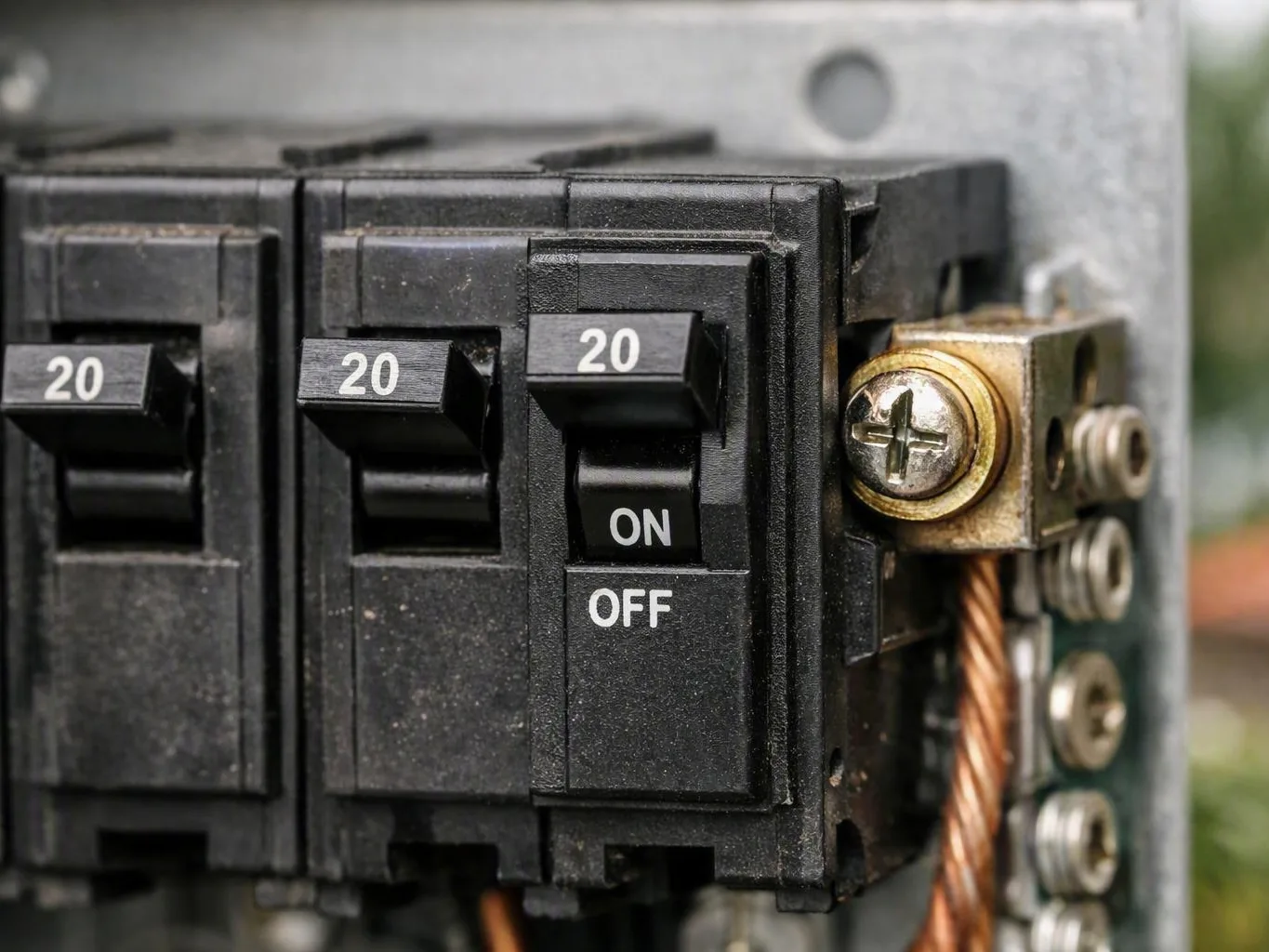
Line voltage is the voltage on a power circuit. It supplies electricity to equipment. Voltage describes electrical potential, or force that moves current through a conductor. In a typical Miami home, a receptacle circuit may use about 120 volts. A range, air conditioner, or water heater may use about 240 volts.
Related glossary terms: Voltage, Branch Circuit, Electrical Panel.
The exact reading depends on service voltage, circuit setup, load, and measurement points. A 120-volt circuit usually measures between an ungrounded conductor and neutral. A 240-volt circuit usually measures between two ungrounded conductors. Both circuits can cause serious shock, even below their normal ratings.
How Line Voltage Works, Is Measured, or Is Used?
Electrical power enters a building through the service entrance. It passes through the main disconnect and distribution equipment. Circuit breakers send power through branch-circuit wires. These wires supply receptacles, lights, appliances, and other loads. The load changes electrical energy into heat, motion, light, or electronic control.
A digital multimeter measures voltage between two points. A qualified person may check 120 volts between hot and neutral. They may also use an approved grounding point. A 240-volt circuit usually measures between two hot conductors. The meter needs the right category rating and voltage range. It also needs proper test leads for the work.
Electrical relationships connect voltage with current and resistance. Ohm's Law states that voltage equals current multiplied by resistance. The formula is V = I × R. For example, a 1,440-watt load draws about 12 amperes at 120 volts. This applies under normal conditions. A voltage change can affect current, heat, performance, or equipment life.
Why Line Voltage Matters?
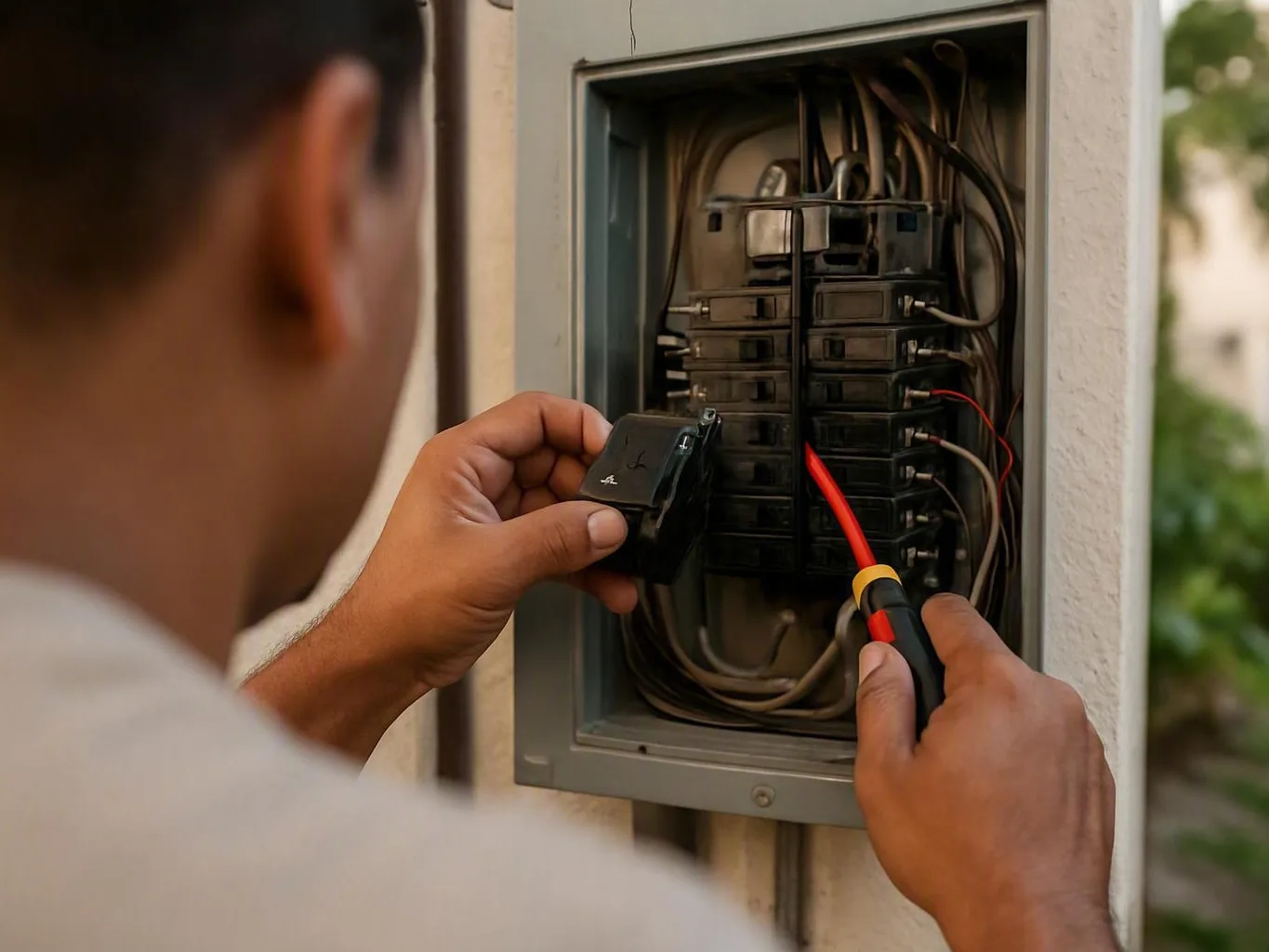
Correct line voltage helps equipment work as designed. A 240-volt motor may overheat or fail with the wrong supply. A 120-volt device can suffer quick damage across 240 volts. Voltage drop can also reduce performance. Long runs, loose connections, small wires, or heavy loads can cause voltage drop.
Line voltage also guides overcurrent protection and wire choice. It guides equipment matching, too. Circuit voltage must match the equipment nameplate. The wiring method must meet National Electrical Code rules. A breaker protects wires from too much current. It doesn't make the wrong voltage safe.
When Line Voltage Matters Most?
Line voltage needs close attention during new installations and equipment replacement. It also matters during troubleshooting and electrical inspections. Check the nameplate before connecting an air-conditioning unit, pool pump, generator, electric vehicle charger, or large kitchen appliance. The available voltage and phase arrangement must match equipment needs. Circuit capacity and disconnect location must match them, too.
Voltage checks can help find faults. These include an open neutral, loose termination, damaged wire, or failing connection. Warning signs include changing light brightness and humming motors. Hot motors, repeated breaker trips, burning odors, and changing readings also warn of trouble. Don't remove covers or probe energized equipment without proper training. You also need protective equipment and the right test instrument.
How to Evaluate Line Voltage?
- Compare the measured voltage with the equipment nameplate and circuit rating.
- Confirm whether a circuit is 120 volts, 208 volts, 240 volts, or another design voltage.
- Check voltage under load when equipment performance changes or lights flicker.
- Inspect for loose terminals, heat damage, corrosion, or signs of arcing.
- Verify that the meter and test leads carry the correct CAT and voltage ratings.
Related Concepts Compared
Line Voltage vs. Voltage
Voltage is the general electrical potential difference between two points. Line voltage describes the supply voltage used by a power circuit or equipment.
Line Voltage vs. Low Voltage
Low-voltage wiring commonly serves controls, alarms, data, and communications. It is distinct from line-voltage wiring that powers loads such as lights and appliances.
Line Voltage vs. Nominal Voltage
Nominal voltage is the stated design value, such as 120 or 240 volts. The measured line voltage may vary within an allowed operating range.
Line Voltage vs. Voltage Drop
Voltage drop is the reduction in voltage along a conductor or circuit. Line voltage is the supply value available at the source or a measured point.
Expert Note
A voltage reading should be interpreted with the circuit loaded and unloaded when troubleshooting. A normal no-load reading can hide a loose connection that causes excessive voltage drop after an appliance starts.
Common Mistakes or Myths About Line Voltage
- Assuming every household circuit supplies 120 volts.
- Treating nominal voltage as an exact reading under every load condition.
- Measuring energized conductors with an underrated meter or damaged test leads.
- Confusing line voltage with low-voltage thermostat, alarm, or data wiring.
- Assuming a circuit breaker corrects an incompatible equipment voltage.
Line Voltage in Practice: A Real-World Example
A central air-conditioning unit may need a 240-volt line-voltage circuit. A technician may measure about 240 volts between the two ungrounded conductors. A large drop when the compressor starts may show a loose termination, damaged conductor, or capacity problem.
Sources & Further Reading on Line Voltage
Related Services
Related Terms
Voltage
Voltage is the electrical force that pushes current through a circuit. Measured in volts, voltage represents…
Branch Circuit
Branch Circuit is the wiring section that carries electricity from a circuit breaker or fuse to…
Electrical Panel
Electrical Panel is the enclosure that receives electrical power from a utility service or other source…
Neutral Wire
Neutral Wire is a current-carrying conductor that normally returns electricity from a connected load to the…
Earth Electric
Have Questions About Line Voltage?
Contact Earth Electric for practical guidance on Line Voltage and related 24 hour electrician work in Miami.