Emergency Electrical Repair Mistakes That Can Make the Problem Worse
Emergency electrical repair mistakes include touching energized wiring, repeatedly resetting breakers, using damaged cords, and hiding signs of overheating; Earth Electric identifies the hazard, troubleshoots the circuit, and completes the needed repair safely.
Get a Free Estimate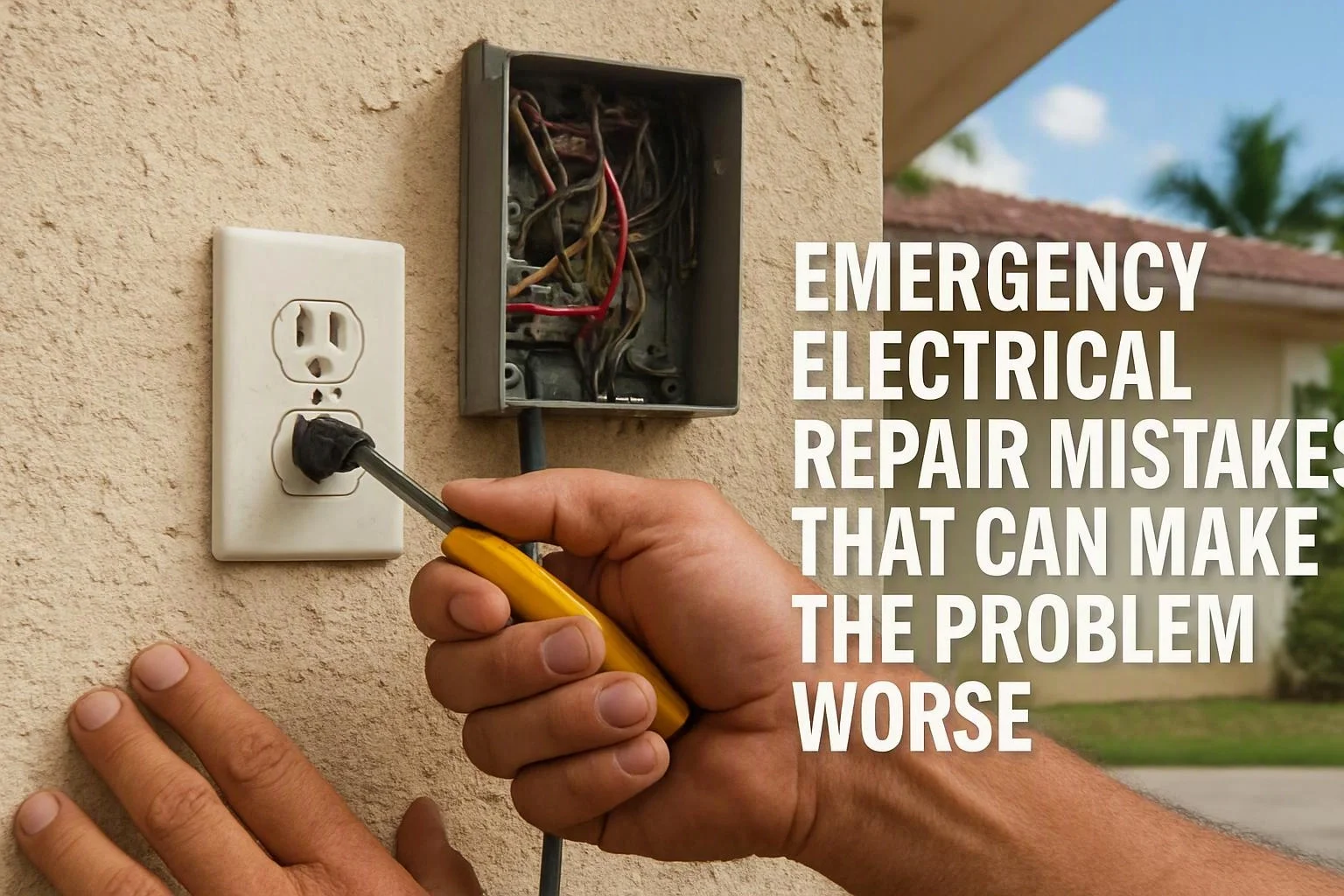
Why Emergency Electrical Repairs Become More Dangerous
Electrical emergencies become more dangerous when an unsafe action leaves a circuit energized, conceals damage, or creates a new fault.
An electrical hazard can involve an energized circuit, an overloaded branch circuit, or a damaged connection. These conditions can lead to an electrical fire or electric shock when the source is not isolated correctly. We identify the active hazard before deciding what repair the circuit needs.
Quick fixes can also hide the reason a breaker tripped or an outlet overheated. Our team traces the fault so the repair addresses the cause, not only the visible symptom.
Touching Exposed or Damaged Wiring
Exposed wiring is dangerous because a damaged conductor may remain energized even when the nearby device appears inactive.
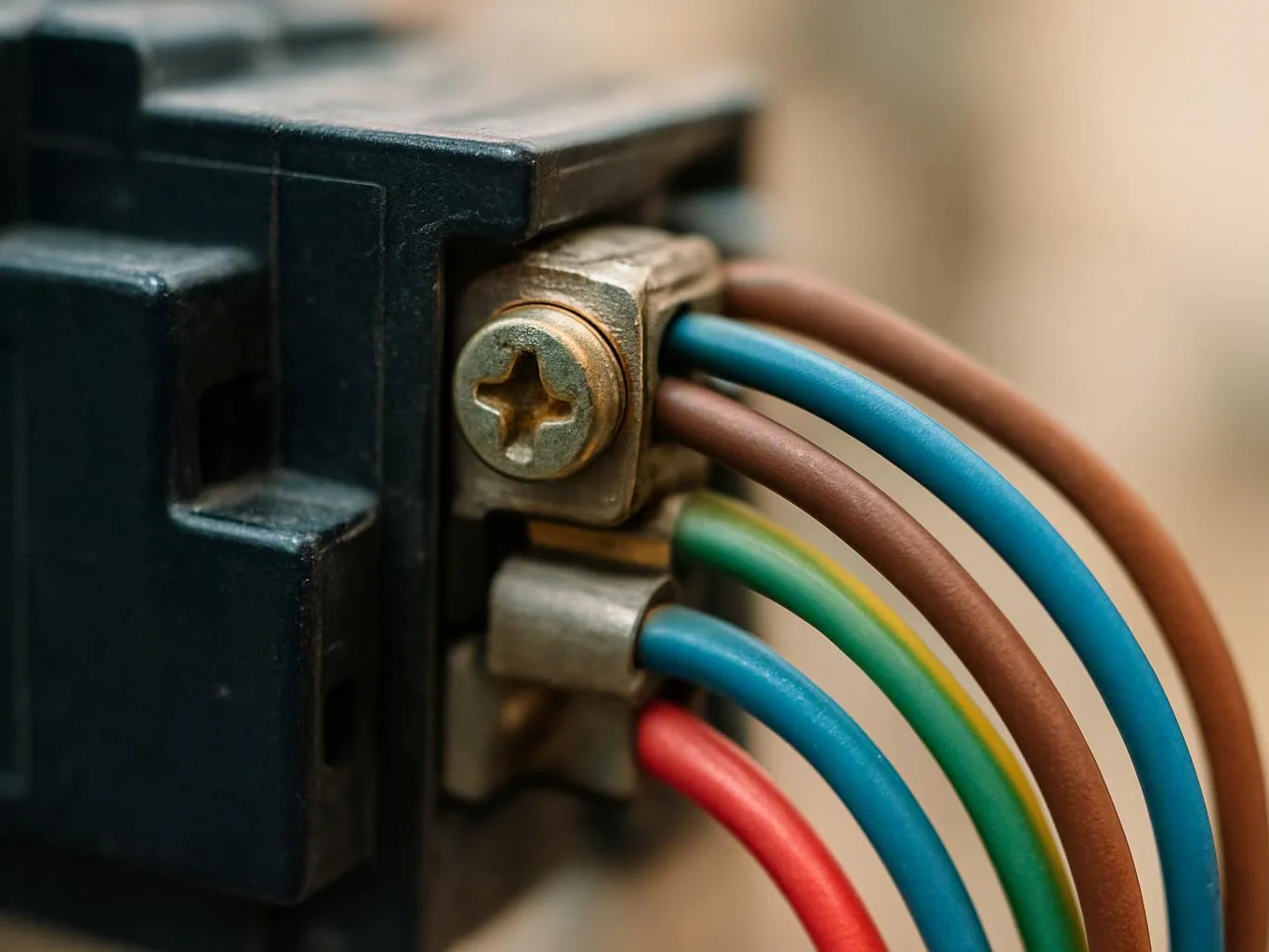
People often touch an exposed wire when they try to move it, tape it, or make a quick wire repair. Damaged insulation can allow contact with the conductor and create an electric shock or short circuit.
The cost of correcting this mistake depends on the location of the damage, the condition of the wire, and whether heat reached nearby materials. We isolate the circuit, inspect the conductor and insulation, and define the safe repair scope before replacing or repairing the damaged wire.
Repeatedly Resetting a Tripped Circuit Breaker
A tripped breaker is a warning that the circuit may have an overload, short circuit, or other fault.
Repeated resets can keep current flowing through a damaged connection or overloaded branch circuit. The breaker trip may stop temporarily while the underlying problem continues to heat wiring or equipment.
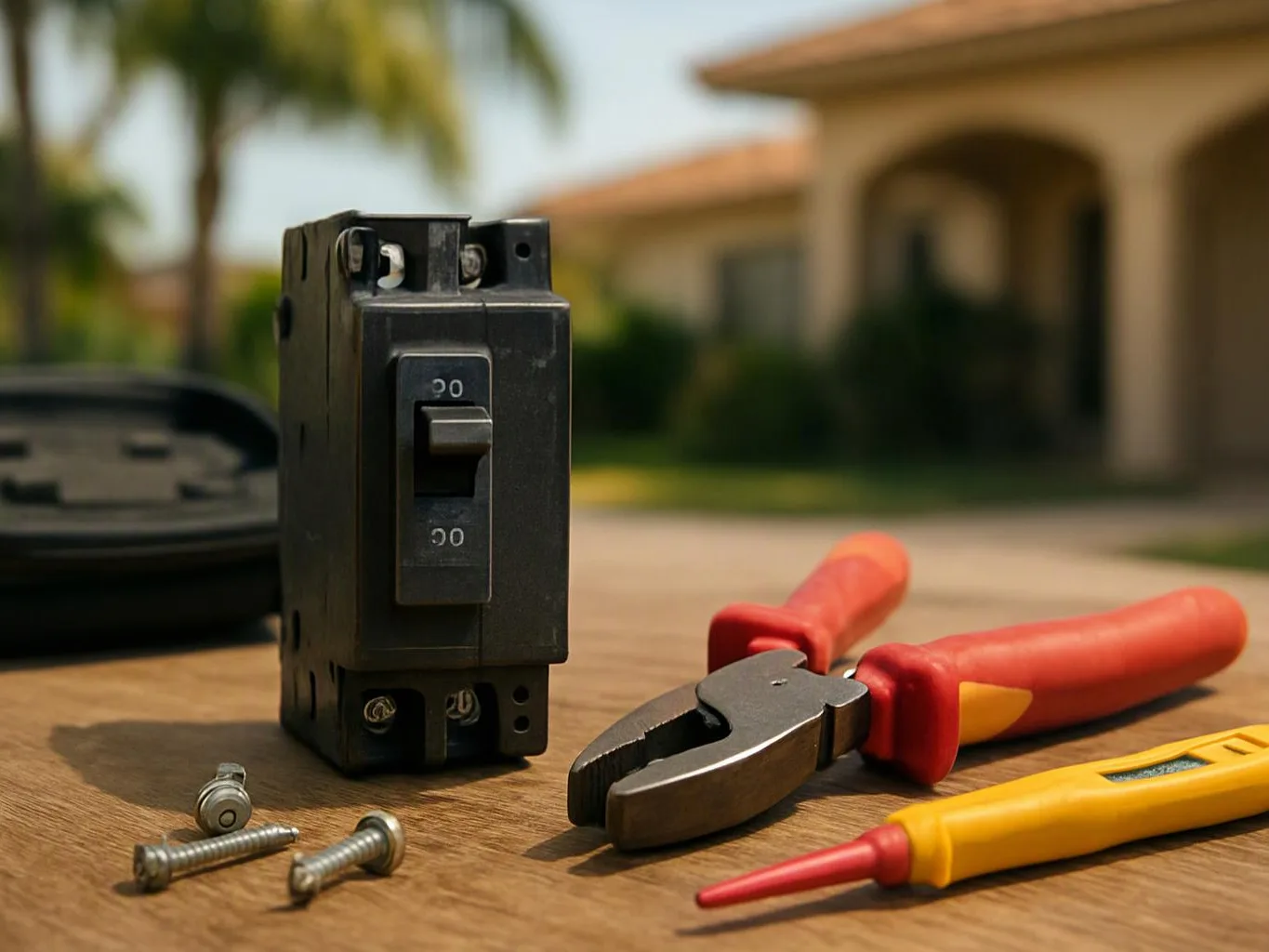
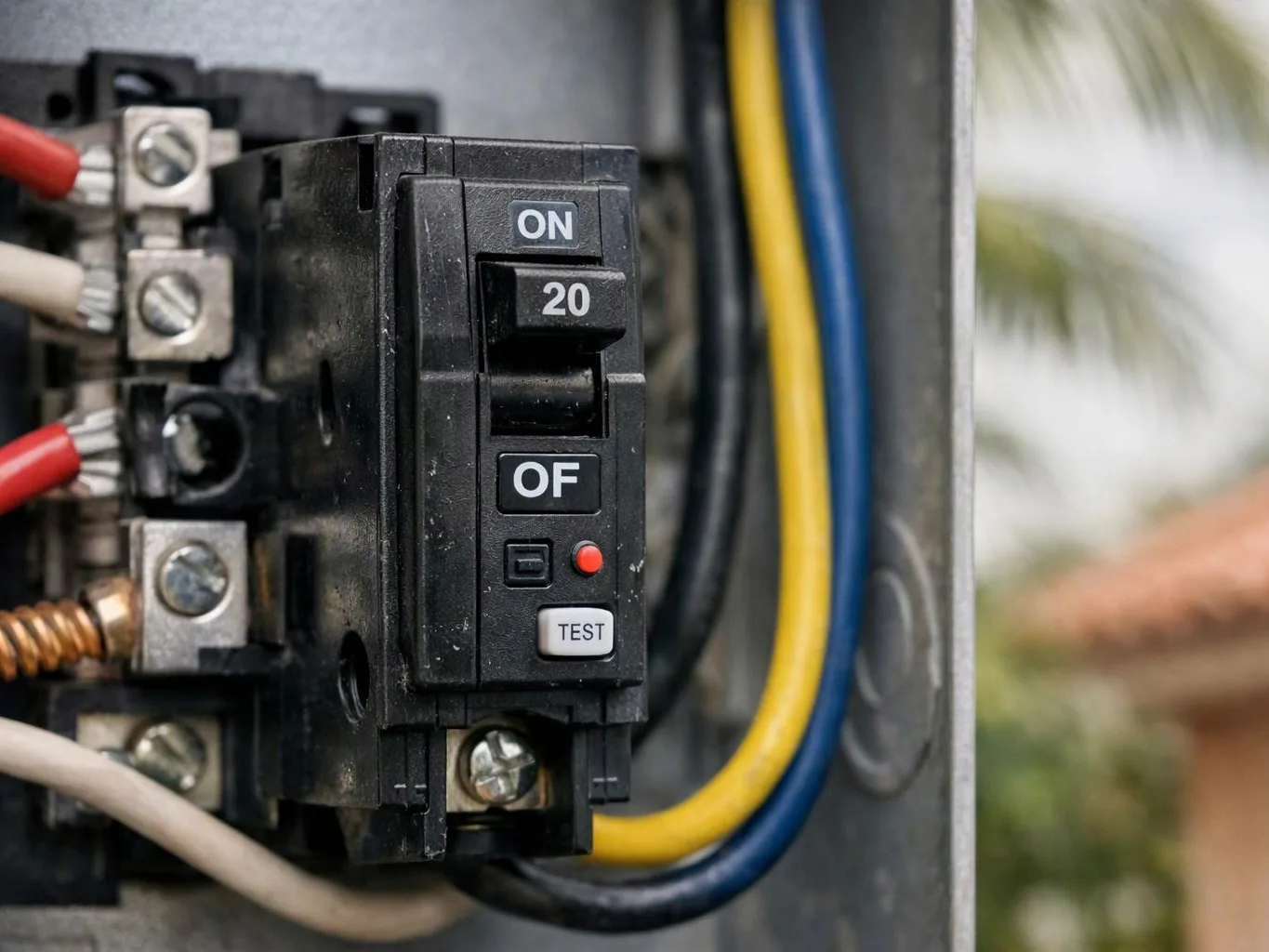
The cost depends on whether the issue is a connected appliance, a receptacle, damaged wiring, or the circuit breaker itself. We test the circuit, locate the fault, and complete circuit breaker repair only after confirming why the breaker operated.
Working on a Circuit Without Confirming It Is De-Energized
Work on a circuit is unsafe until power isolation has been confirmed at the work location.
Turning off a switch does not always remove power from every conductor. An electrical panel may also contain circuits that remain energized, and an incorrect label can lead someone to shut off the wrong breaker.
The cost of correcting damage depends on the work already attempted, the fault location, and the access needed for testing. We use appropriate voltage testing, verify the circuit condition, and apply safe isolation practices before beginning repair work.
Using the Wrong Fuse or Oversized Breaker
Using an oversized breaker or incorrect fuse can defeat the branch circuit’s overcurrent protection.
This mistake often happens when a correctly sized protective device trips repeatedly and someone tries to keep the power on. The wiring may then carry more current than it can safely handle, increasing heat and electrical fire risk.
The cost depends on the condition of the electrical panel, the branch circuit wiring, and any components damaged by excess current. We check the circuit, confirm the required protection, and repair the underlying overload or short circuit instead of masking it with the wrong device.
Covering Up Scorch Marks, Burning Odors, or Heat
Scorch marks, a burning odor, and an overheating outlet are signs that electrical parts need immediate attention.
A loose connection can create heat at a terminal or receptacle. Painting over a scorch mark, covering a burning smell, or continuing to use the outlet can allow an electrical fire to develop inside the wall or device box.
The cost depends on whether the heat affected the receptacle, box, conductor, insulation, or connected equipment. We inspect the affected area, trace the source of the heat, and replace damaged parts before restoring safe operation.
Using an Extension Cord as a Permanent Repair
An extension cord is temporary wiring and should not replace a properly installed receptacle or branch circuit.
Long-term use can place a continuous electrical load on a cord that is not suited to the equipment. Coiled, damaged, pinched, or undersized cords can develop cord overheating and create a fire hazard.
The cost depends on the needed receptacle location, circuit capacity, wall access, and condition of the existing wiring. We check the electrical load and install or repair the receptacle and branch circuit as needed.
Replacing an Outlet Without Checking the Circuit
Replacing an electrical outlet without checking the circuit can leave unsafe receptacle wiring, reversed polarity, or missing grounding.
A damaged outlet may be only one part of a larger circuit problem. Loose terminals, damaged insulation, shared connections, or an upstream fault can cause the replacement outlet to fail again.
The cost depends on the outlet condition, circuit access, grounding, polarity, and any wiring repairs required. We test the circuit, inspect the receptacle connections, and correct the cause before completing outlet repair.
Removing a Safety Device to Restore Power
A GFCI receptacle and an arc-fault circuit interrupter are electrical safety devices that disconnect power when they detect a dangerous condition.
Removing or bypassing ground-fault protection can expose people to shock. Bypassing arc-fault protection can leave a fault in the wiring or equipment without the intended response.
The cost depends on the device, the fault that caused the reset button to operate, and the condition of the circuit. We test the protective device and connected circuit, then repair the fault while preserving the required safety protection.
What You Can Safely Do Before Electrical Help Arrives
Before electrical help arrives, move away from the hazard, keep people from contacting it, and shut off power only when the disconnect can be reached safely.
Do not touch wet surfaces, exposed conductors, hot devices, or equipment that is smoking. If smoke or fire is present, leave the area and contact emergency services from a safe location.
When to Call Earth Electric Instead of Repairing the Problem Yourself
Call Earth Electric when the problem involves exposed wiring, recurring breaker trips, burning signs, or a fault you cannot isolate safely.
Our team performs emergency electrical repair and electrical troubleshooting when a quick action could increase the electrical fire risk or cause electric shock.
How We Diagnose the Cause Before We Repair It
Earth Electric diagnoses the electrical fault before repairing it so the visible symptom does not conceal an unsafe underlying problem.
Our team starts with a visual review of the affected device, wiring, and electrical panel. We look for heat damage, loose connections, damaged insulation, incorrect devices, and signs of an overload or short circuit.
We then use circuit testing to trace where power is present and where the fault begins. This fault isolation helps us separate a failed appliance from a wiring problem or protective device issue.
After testing, we explain the repair scope and the parts involved. We complete the needed repair, test the circuit again, and confirm that the corrected condition does not conceal another hazard.
What Changes the Cost of Correcting an Emergency Electrical Mistake
The cost of correcting an emergency electrical mistake depends on the fault location, damaged components, circuit complexity, access, and whether additional troubleshooting is required; Earth Electric provides Free Estimates Available for the identified work.
Faults near an accessible receptacle may require a different repair scope than damage inside a wall, at the electrical panel, or across a longer branch circuit. Damaged wiring, protective devices, outlets, and connected equipment can also change the work needed.
We inspect the condition first and explain which parts of the repair address the immediate hazard. Our estimate covers the identified work and any clearly related replacement parts or access needs.
How to Prevent the Same Electrical Emergency From Returning
Preventive electrical maintenance reduces repeat emergencies by addressing circuit load, damaged components, and unsafe electrical use.
Stop using equipment that causes a breaker trip, burning odor, heat, or visible damage. Avoid plugging high-load appliances into extension cords or receptacles that are not designed for the electrical load.
We can inspect recurring problem areas, test protective devices, and review the condition of the electrical panel and branch circuits. Our team also checks grounding, connections, and signs of overheating so a small warning does not become a larger repair.
Keep access to the electrical panel clear and label circuits only after their function has been confirmed. When a breaker trips repeatedly or a safety device will not reset, arrange electrical troubleshooting instead of continuing to reset it.
Questions About Emergency Electrical Repair Mistakes
Can resetting a tripped breaker repeatedly cause damage?
Yes, repeatedly resetting a tripped breaker can keep an overload, short circuit, or damaged connection energized. Earth Electric tests the circuit to identify the cause before completing circuit breaker repair.
Should I turn off the main breaker during an electrical emergency?
Turn off the main breaker only when you can reach it safely without crossing water, approaching exposed wiring, or entering smoke or fire. Leave the area and contact emergency services when fire or smoke is present.
What should I do if an outlet smells like it is burning?
Stop using the outlet, move away from heat or smoke, and shut off power only if the disconnect is safely reachable. Do not cover the outlet or remove it; arrange electrical troubleshooting to locate the overheating or loose connection.
Can I replace a damaged outlet myself?
You should not replace a damaged outlet when the circuit condition, grounding, polarity, or power isolation is uncertain. We inspect the receptacle wiring and circuit before completing the repair.
Why does a circuit breaker keep tripping after a repair?
A circuit breaker can keep tripping after a repair when the original fault was not fully isolated or another overload, short circuit, appliance, or loose connection remains. We retest the circuit and connected loads to identify the remaining cause.
Get Safe Help With an Electrical Emergency
Earth Electric helps identify electrical hazards, troubleshoot faulty circuits, and complete emergency electrical repair without hiding the cause of the problem.
Contact us when exposed wiring, recurring trips, heat, burning odors, or damaged electrical equipment make the repair unsafe to handle alone.
Contact Earth Electric to discuss the hazard and the repair scope.
Related Resources
How Much Does a 24-Hour Emergency Electrician Cost in Miami?
How to HireHow to Choose a 24-Hour Electrician in Miami
How It WorksElectrical Troubleshooting: What the Diagnosis Involves and What It Costs
How It WorksElectrical Inspection and Code-Compliance Corrections: Process and Cost Factors