What to Do If an Outlet Smells Like Burning or Sparks
A burning smell or sparks may point to an electrical fault. Loose wires, heat, damaged wiring, or an overloaded circuit can cause these signs. Stop using the outlet. Stay away from smoke or flames. Turn off the circuit breaker only if you can do so safely. Never touch the outlet or insert tools. Don't try to repair it yourself. Call a qualified electrician for an inspection. Act quickly if the outlet feels hot, looks dark, buzzes, crackles, or sparks again. Leave the property if smoke, fire, or a growing burning smell appears. Call emergency services from a safe place.
Get a Free EstimateWhat Should You Do if an Outlet Is Sparking?
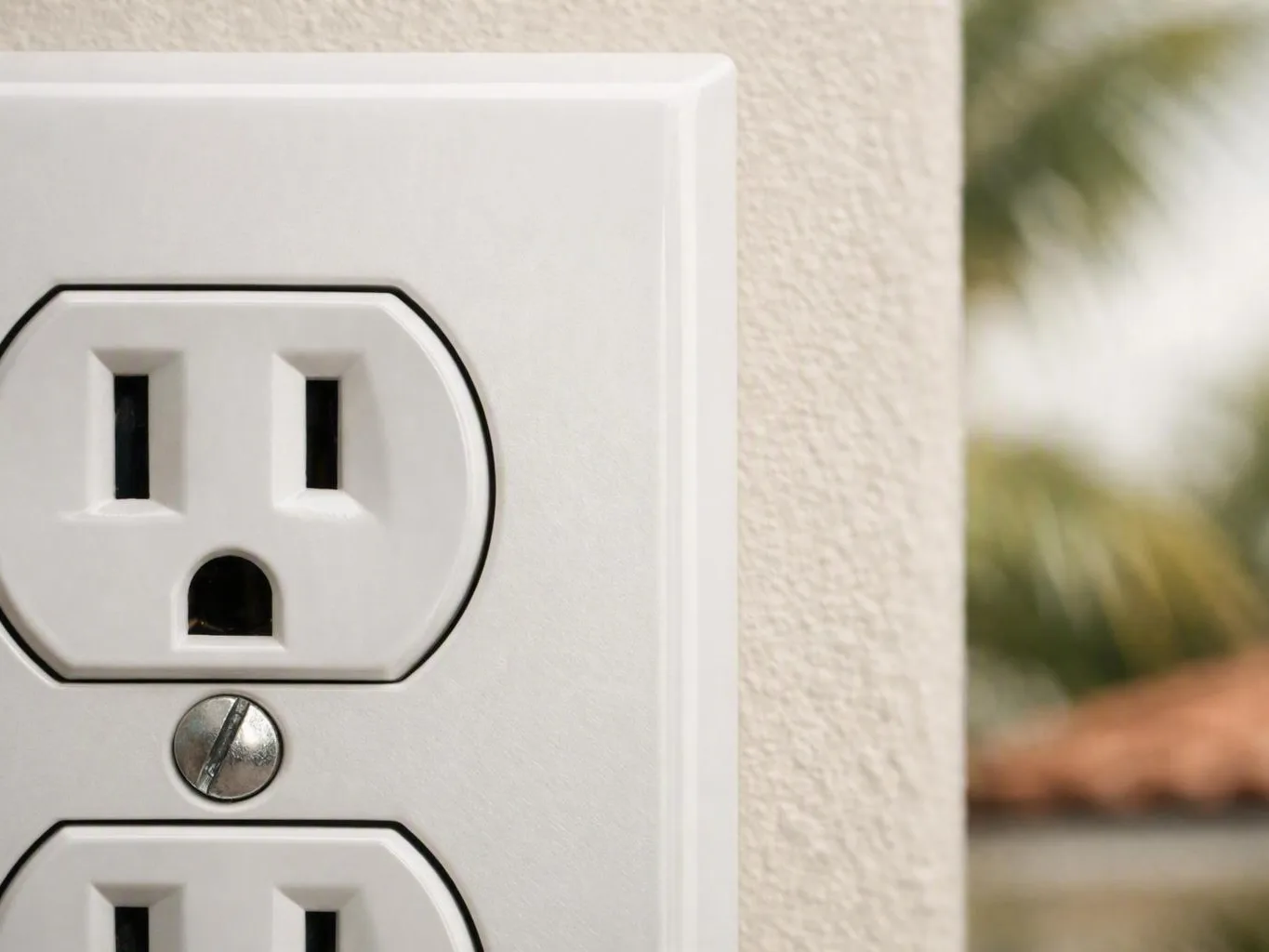
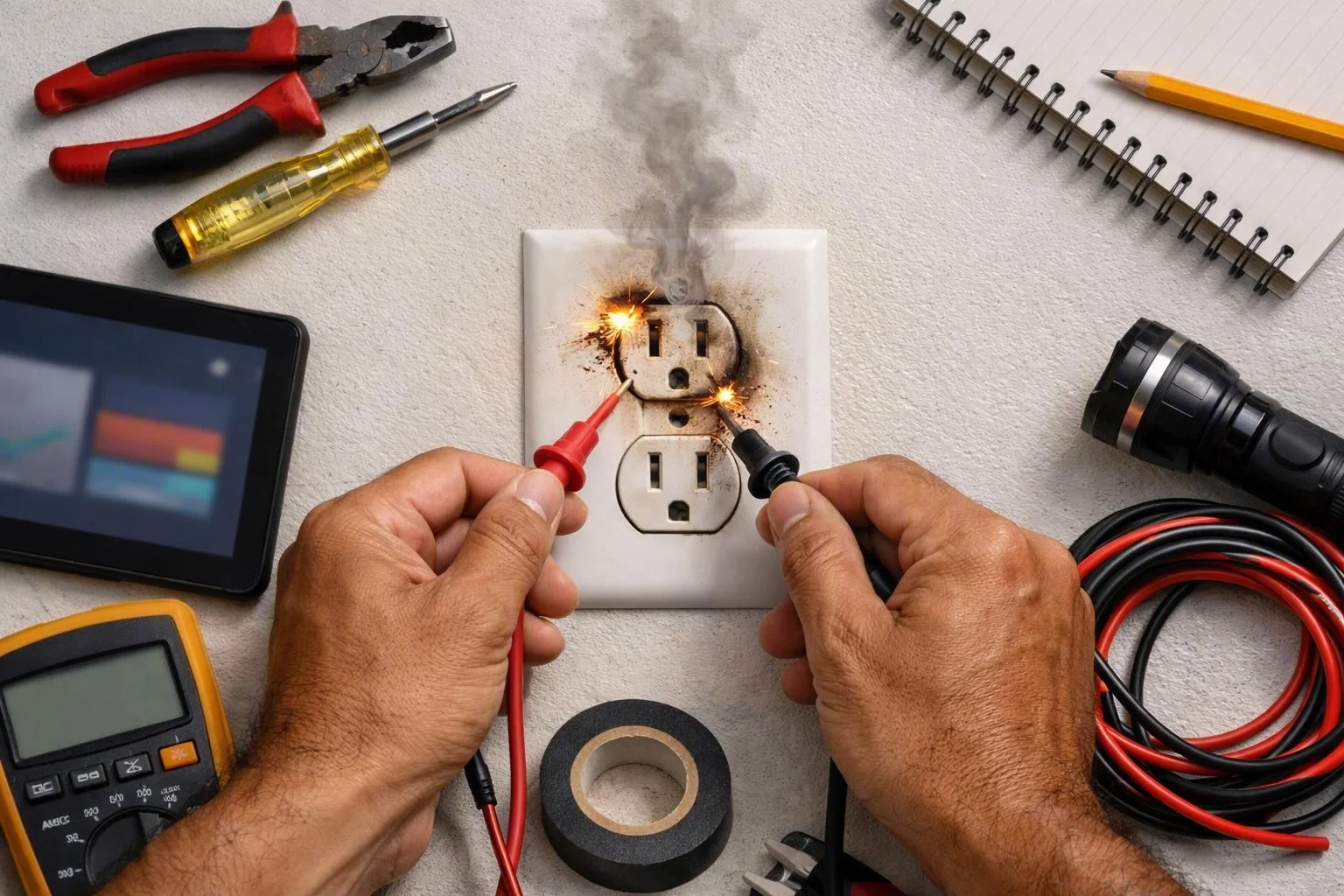
A sparking electrical outlet needs quick action. Stop using it right away. Unplug nearby devices only if everything looks safe. Turn off the circuit breaker when you can do so safely. Never touch, open, or fix the outlet yourself. Call an electrician. Leave at once if smoke or fire appears.
Homeowners should arrange an inspection soon. Renters should tell the landlord or property manager after reaching safety. Families should follow one clear rule. No one touches the outlet or nearby switch. Earth Electric can help with Electrical Repair after the danger is controlled.
What Are the Warning Signs of an Unsafe Outlet?
An unsafe outlet may smell like burning plastic. It may also spark, feel hot, look dark, buzz, crackle, or smoke. These signs can mean heat, electrical arcing, damaged wires, or a bad connection. Stop using the outlet. Arrange professional electrical troubleshooting before the problem gets worse.
These signs may happen alone or together. The smell may fade, but the hidden fault can stay active. Treat the outlet as an electrical hazard. Keep paper, furniture, and other items that can burn away. Wait for a professional inspection.
Why Does an Electrical Outlet Smell Like Burning Plastic?
A burning plastic smell often comes from overheating parts or damaged insulation. Loose wire connections, an overloaded circuit, and electrical arcing can also cause it. Heat may melt the outlet or nearby plastic. That creates a fire risk. Turn off power only if it's safe. Avoid the outlet and call an electrician.
Don't assume the outlet caused the smell. A nearby splice, switch box, appliance cord, or hidden wire may be the source. An inspection often takes about 30 to 90 minutes before repairs begin. Time depends on access, circuit condition, and the number of damaged parts. Outlet replacement is often safer after heat or melting causes damage.
Is a Buzzing or Crackling Outlet Dangerous?
A buzzing or crackling outlet may be dangerous. The sound can point to electrical arcing, a loose terminal, a bad receptacle, or a short circuit. A safe outlet should work quietly. Stop using it. Turn off its breaker when safe. Arrange electrical troubleshooting instead of ignoring the sound.
Electrical arcing happens when current crosses a gap. A loose terminal or damaged connection can create that gap. The sound may stop when the load changes. That doesn't mean the fault is gone. A short circuit can heat up fast. A ground fault can send power along an unsafe path. This can cause electrical shock.
A breaker may trip during some faults. It can't fix a loose connection or stop every type of arcing. Don't hold the outlet. Don't remove its cover or spray it. Don't keep switching devices to find the source. Our team can check the circuit and safety devices. We can find whether the outlet, wiring, or equipment needs repair.
Why Is My Outlet Hot or Discolored?
A hot or discolored outlet may have a poor connection, heavy electrical load, damaged wires, or heat damage inside. Warmth, brown marks, melted plastic, and scorch marks aren't normal. Don't reset the outlet again and again. Don't cover the damage. Shut off power safely and request an inspection.
Heat can start at a terminal, splice, plug, or outlet contact. A loose connection may still carry power. It can also create extra resistance. That resistance turns electrical power into heat. Repeated heat can weaken the outlet and damage the insulation. It can also spread into the wall.
Unplugging one appliance may lower the load. It doesn't prove the outlet is safe. A technician should check the circuit size, wires, connections, and safety devices. Melted plastic or scorch marks often mean the receptacle needs replacement. Keep the area clear. Ask for urgent service if the smell grows or smoke appears.
How Can You Prevent Outlet Burning, Sparking, and Overheating?
You can lower outlet risks by avoiding overloaded circuits. Replace damaged receptacles. Keep plugs firmly in place. Limit extension-cord use. Arrange an inspection when an outlet feels warm or looks worn. Use the right outlet type for each location. Never hide scorch marks. Don't use an outlet after it sparks.
Prevention starts with noticing changes. A power strip doesn't add circuit capacity. An extension cord can't fix poor wiring. Our crews can check the circuit load, outlet type, grounding, and wire connections. Then we can suggest a safe fit for your home.
When Should You Call an Electrician for a Burning Smell?
Call an electrician right away for a burning smell, repeated sparks, heat, dark marks, buzzing, smoke, or repeated breaker trips. Professional electrical repair can test the outlet, wires, circuit load, and safety devices. If smoke or flames appear, leave first. Contact emergency services from a safe place.
Request a qualified electrician even after the smell stops. A loose wire, damaged insulation, or arcing outlet may still be dangerous. We can find the needed repair. This may include outlet and switch installation, wiring work, circuit changes, or a new safety device.
Choose your response based on the danger:
Renters should contact the property manager after reaching safety. Homeowners shouldn't open the box or attempt a repair. Families with children should leave the room. People with little electrical knowledge shouldn't identify wires or test live parts. A 24 Hour Electrician may help when the risk can't wait.
Our team may provide 24-Hour Emergency Electrical Service in Miami when available. Safe isolation comes first. Testing and repair come next. Earth Electric can help after the immediate danger is controlled.
Questions About 24 Hour Electrician
Can a Sparking Outlet Cause a Fire?
Yes. Repeated sparks may show arcing, a loose connection, damaged wiring, or an overloaded circuit. Stop using the outlet. Turn off its breaker only if safe. Call a qualified electrician. Leave right away if smoke or flames appear.
Is It Safe to Use an Outlet That Smells Burnt?
No. A burnt smell can mean heat, melted plastic, damaged insulation, or a bad connection. Don't use the receptacle. Don't cover the smell with air freshener. Isolate the circuit when safe. Arrange an inspection before using it again.
Why Does My Outlet Spark When I Plug Something In?
A small, quick spark can happen when a device starts drawing power. A bright, repeated, loud, or growing spark can show a bad receptacle, worn plug, loose terminal, or electrical arcing. Stop using the outlet and have it checked.
Can a Bad Outlet Cause a Breaker to Trip?
Yes. A damaged receptacle, short circuit, ground fault, loose wire, or overloaded circuit can trip the breaker. Don't keep resetting it. Leave the breaker off if it trips again. Request electrical troubleshooting to find the cause.
How Much Does It Cost to Repair a Sparking Outlet?
The cost depends on the problem. It may need only outlet replacement. It may also need wire work, circuit protection, access work, or larger repairs. A qualified electrician should inspect it first. Don't delay urgent safety work while the cause is unknown.
Don't use a burning, sparking, hot, noisy, or dark receptacle. Evacuate if smoke or fire appears. Otherwise, isolate the circuit only when safe. Then contact our team for professional help.
Get a Free EstimateContact our electrical repair team for safe troubleshooting and next steps.
Related Resources
How Much Does a 24-Hour Emergency Electrician Cost in Miami?
24 hour emergency electrician cost Miami
How It WorksElectrical Troubleshooting: What the Diagnosis Involves and What It Costs
electrical troubleshooting cost and process
How It WorksElectrical Inspection and Code-Compliance Corrections: Process and Cost Factors
electrical inspection and code compliance correction cost
Compared ToCircuit Breaker Repair or Replacement: Cost, Causes, and What to Expect
circuit breaker repair vs replacement cost